


Sep . 13, 2025 07:40 Back to list
Intelligent Energy Management System: Optimize Power, Save Costs
The Evolution of Energy Management: A Paradigm Shift Towards Intelligence
The global energy landscape is undergoing a profound transformation, driven by an imperative for sustainability, efficiency, and resilience. Traditional energy systems, often characterized by centralized generation and reactive consumption, are proving inadequate for the demands of the 21st century. Industry trends indicate a robust shift towards decentralized energy resources, including solar photovoltaics and wind power, coupled with advanced storage solutions. This necessitates a more sophisticated approach to energy orchestration, moving beyond basic monitoring to predictive and adaptive control.
The increasing penetration of renewable energy sources, while beneficial for environmental goals, introduces inherent intermittency and variability into the grid. This challenge is further compounded by rising energy costs, grid stability concerns, and a growing consumer demand for energy independence. These factors collectively highlight the critical need for advanced technologies that can intelligently manage energy flows across diverse assets and optimize consumption patterns. The market for sophisticated energy management solutions is projected to grow significantly, driven by regulatory support, technological advancements in AI and IoT, and increasing corporate sustainability commitments.
At the forefront of this evolution is intelligent energy management, a comprehensive framework that integrates hardware, software, and data analytics to optimize energy generation, storage, distribution, and consumption. This holistic approach empowers businesses and homeowners to achieve substantial energy savings, enhance operational efficiency, and contribute to a more sustainable energy future. It represents a fundamental shift from simple control to proactive optimization, leveraging real-time data to make informed decisions and automate complex energy strategies.
Manufacturing Process Flow of Intelligent Integrated Power Supplies
The production of an integrated power supply, a core component of any intelligent energy management system, involves a meticulous, multi-stage manufacturing process designed to ensure unparalleled reliability, efficiency, and longevity. This process adheres to stringent international quality standards, such as ISO 9001 for quality management and ISO 14001 for environmental management, alongside performance benchmarks like ANSI standards for electrical systems.
Process Stages:
- Raw Material Procurement & Inspection: High-grade materials are sourced, including advanced lithium-ion battery cells (e.g., LiFePO4 for safety and cycle life), high-purity copper for conductors, aerospace-grade aluminum alloys for enclosures, and silicon carbide (SiC) power semiconductors for inverters. All incoming materials undergo rigorous quality checks for chemical composition, physical integrity, and electrical properties to ensure compliance with specifications.
-
Component Manufacturing (e.g., Casting, Forging, CNC Machining):
- Battery cell assembly: Individual cells are sorted, matched, and welded into modules, followed by integration with a sophisticated Battery Management System (BMS).
- Power conversion units (Inverters/Converters): PCBs are populated with SiC MOSFETs, capacitors, and microcontrollers. Enclosures are precision-machined using CNC processes from aluminum blocks, ensuring optimal heat dissipation and structural integrity.
- Enclosure Fabrication: Robust, corrosion-resistant housings are often formed through precision casting or sheet metal fabrication (e.g., using galvanized steel or marine-grade aluminum), followed by powder coating or anodization for environmental protection.
- Sub-Assembly Integration: The BMS, power conversion units, and other critical electronic components are meticulously integrated into the system chassis. Wiring harnesses are assembled and routed to ensure secure connections and electromagnetic compatibility (EMC).
- System Assembly: All major sub-assemblies are combined into the final integrated unit. This includes the battery packs, power conditioning unit, system controller, communication modules (e.g., Modbus, CAN, Ethernet), and safety interlocks.
-
Comprehensive Testing & Quality Assurance:
- Functional Testing: Each unit undergoes extensive testing for electrical performance, including voltage regulation, current output, efficiency, and power factor correction.
- Safety & Compliance Testing: Adherence to international safety standards (e.g., IEC 62619 for batteries, UL 1741 for inverters, CE marking) is verified through dielectric strength tests, ground bond tests, and fault condition simulations.
- Environmental Stress Testing: Units are subjected to extreme temperature, humidity, vibration, and dust ingress (IP rating verification) tests to ensure robust operation in diverse environments.
- Communication & Software Integration: Verification of seamless communication with external monitoring platforms and successful execution of energy management algorithms.
- Packaging & Shipment: Finished products are carefully packaged to prevent damage during transit, ready for deployment in various industrial and commercial settings.
The typical service life for these intelligent integrated power supplies, leveraging high-quality LiFePO4 battery technology and robust componentry, is designed to exceed 10-15 years, with battery cycle life often surpassing 6,000-8,000 cycles at 80% Depth of Discharge (DoD). This ensures a low total cost of ownership (TCO) for target industries such as petrochemical, metallurgy, water supply & drainage, telecommunications, and data centers.
Advantages in Application Scenarios:
- Energy Saving: Through dynamic load balancing, peak shaving, and optimized self-consumption of renewable energy, these systems can reduce grid dependency and lower electricity bills by 20-40% depending on usage patterns and tariffs.
- Corrosion Resistance: Utilizing advanced coatings, sealed enclosures (e.g., IP65 rated), and non-corrosive materials ensures operational integrity even in harsh industrial environments, such as coastal chemical plants or mining operations.
- Enhanced Reliability: Redundant power paths and advanced fault detection systems ensure uninterrupted power supply, critical for sensitive operations in data centers and control systems.
Technical Specifications: Intelligent Integrated Power Supply
The "Intelligent integrated power supply" is engineered to provide a robust, reliable, and highly efficient solution for diverse energy storage and management needs. Leveraging cutting-edge battery technology and intelligent control algorithms, these systems deliver superior performance, longevity, and adaptability.
| Parameter | Specification |
|---|---|
| Battery Type | LiFePO4 (Lithium Iron Phosphate) |
| Nominal Capacity Range | 5 kWh to 200 kWh (Scalable) |
| Nominal Voltage | 48V DC, 100V DC, 200V DC, 400V DC (System Dependent) |
| Rated AC Output Power | 3 kW to 150 kW (Scalable) |
| Max Efficiency (Round-trip) | > 95% (DC-AC conversion) |
| Operating Temperature | -20°C to +55°C |
| Cycle Life (@80% DoD) | > 6,000 cycles |
| Protection Rating | IP55 / IP65 (Outdoor rated options) |
| Communication Interface | RS485, CAN, Ethernet, Wi-Fi, 4G |
| Certifications | CE, UL, IEC, UN38.3, RoHS, ISO 9001 |
| Warranty | 10 Years (Performance based) |
These specifications underscore the robust engineering and high-performance capabilities inherent in modern intelligent energy management system components, designed to meet the rigorous demands of industrial and commercial applications.
Technical Advantages of Advanced Energy Management
Implementing an advanced intelligent energy management system offers a multitude of technical advantages that directly translate into operational benefits and cost savings for B2B stakeholders.
- Optimized Energy Efficiency: AI-driven algorithms predict energy demand and supply based on historical data, weather forecasts, and real-time pricing. This allows for intelligent scheduling of loads and charge/discharge cycles of energy storage, minimizing waste and maximizing the use of cheaper, cleaner energy sources. Typical efficiency gains range from 15-30% in operational costs.
- Enhanced Grid Stability & Resilience: For industries reliant on continuous power, such as data centers or manufacturing facilities, these systems provide critical backup power, seamless grid-tie/off-grid transitions, and voltage/frequency support. They mitigate the impact of grid disturbances and ensure operational continuity, preventing costly downtime.
- Scalability and Modularity: Modern systems are designed with modular components, allowing businesses to easily expand their energy capacity and capabilities as their needs evolve. This future-proofs investments and provides flexibility in system architecture.
- Advanced Data Analytics & Reporting: Comprehensive monitoring platforms provide real-time insights into energy consumption patterns, system performance, and cost savings. This data empowers facility managers to identify inefficiencies, predict maintenance needs, and comply with energy reporting regulations.
- Integration with Renewables: Seamless integration with solar PV arrays, wind turbines, and other distributed generation assets allows for maximum self-consumption and reduction of carbon footprint. These systems intelligently manage energy flow to prioritize renewable usage and export surplus power when beneficial.
- Demand Charge Reduction: By strategically discharging stored energy during peak demand periods, businesses can significantly reduce their exposure to high demand charges levied by utilities, leading to substantial savings on monthly electricity bills.
Application Scenarios for Intelligent Energy Management Systems
The versatility of intelligent energy management solutions allows for their effective deployment across a wide spectrum of sectors, each benefiting from tailored functionalities.
- Commercial Buildings: Office complexes, retail centers, and hotels can significantly reduce operational costs by optimizing HVAC, lighting, and other major loads. Systems can integrate with building management systems (BMS) for centralized control, demand response participation, and EV charging management.
- Industrial Facilities & Manufacturing Plants: High-power demand industries benefit from peak shaving, load shifting, and power factor correction. In critical manufacturing, an intelligent energy management system provides an uninterruptible power supply (UPS) to prevent production losses due to grid instability or outages.
- Data Centers: Energy efficiency and reliability are paramount. Integrated power supplies with intelligent controls ensure a stable power environment, manage cooling loads efficiently, and provide robust backup power, critical for data integrity and continuous service.
- Telecommunication Towers & Remote Sites: For off-grid or weak-grid locations, these systems, often incorporating solar and battery storage, ensure continuous power for communication infrastructure, reducing reliance on expensive and polluting diesel generators.
- Microgrids: Enabling energy independence for campuses, industrial parks, or remote communities by intelligently coordinating local generation (renewables), storage, and loads to operate autonomously or in conjunction with the main grid.
- Home Energy Storage System: While this article focuses on B2B, the underlying principles extend to robust home energy storage system solutions, providing residential users with energy independence, solar self-consumption optimization, and backup power.
Vendor Comparison: Key Differentiators in Intelligent Energy Management Systems
When evaluating providers for an intelligent energy management system, distinguishing between offerings is crucial. While many solutions offer basic monitoring, true differentiation lies in advanced features, integration capabilities, and long-term support. Below is a comparison showcasing how a specialized intelligent integrated power supply, such as ours, stands apart from conventional BESS offerings.
| Feature/Aspect | Standard BESS (Battery Energy Storage System) | Intelligent Integrated Power Supply (e.g., ACDC BESS) |
|---|---|---|
| Energy Optimization | Basic charge/discharge based on preset timers or simple thresholds. | AI/ML-driven predictive optimization (weather, tariffs, load patterns), dynamic peak shaving, self-consumption maximization. |
| Control & Monitoring | Local HMI, limited remote monitoring, manual adjustments often required. | Cloud-based real-time monitoring, remote control, detailed analytics, customizable dashboards, API integration. |
| System Integration | Often standalone; integration with third-party systems can be complex or limited. | Seamless integration with BMS, EMS, SCADA, EV chargers, renewable energy inverters (Modbus, CAN, IEC 61850). |
| Proactive Maintenance | Reactive maintenance based on fault codes or scheduled checks. | Predictive maintenance alerts, anomaly detection, remote diagnostics to minimize downtime. |
| Scalability | Often requires significant redesign or additional hardware for expansion. | Modular design supporting easy expansion of capacity and power output. |
| Cybersecurity | Basic network security. | Robust encryption, secure communication protocols, regular security updates, compliance with industry best practices. |
Our offering provides a distinct competitive edge by integrating advanced AI and IoT capabilities into the core energy management logic, ensuring a more dynamic, adaptive, and value-driven solution.
Customized Solutions for Diverse Industrial Needs
Recognizing that no two industrial or commercial energy profiles are identical, our approach to intelligent energy management emphasizes customization. We partner with clients to develop tailored solutions that precisely address their unique operational challenges, energy goals, and budgetary constraints. This bespoke strategy ensures maximum efficacy and ROI.
Our Customization Process Includes:
- Detailed Energy Audit & Needs Assessment: Comprehensive analysis of historical energy consumption, peak demand patterns, existing infrastructure, and future expansion plans. This often involves on-site assessments and discussions with key stakeholders.
- System Design & Sizing: Engineering the optimal capacity for battery storage, inverter power, and integration points. This involves selecting appropriate battery chemistry, power electronics, and enclosure types (e.g., outdoor-rated, explosion-proof for hazardous areas).
- Software Configuration & Algorithm Tuning: Customizing the energy management software's control algorithms to prioritize specific client objectives, such as maximizing renewable self-consumption, minimizing demand charges, or ensuring critical load backup. Integration with existing SCADA or building management systems is a key focus.
- Regulatory Compliance & Incentives: Assisting clients in navigating local and national energy regulations, safety standards, and identifying eligible incentives or rebates for energy storage and efficiency projects.
- Long-Term Support & Optimization: Providing ongoing monitoring, maintenance, and software updates. Our team of experts continuously analyzes system performance to identify further optimization opportunities and adapt to changing energy policies or client needs.
Our company has over 15 years of experience delivering robust power solutions, holding ISO 9001 and ISO 14001 certifications, and serving a global clientele. This extensive background allows us to offer authoritative, battle-tested customized solutions.
Application Case Studies: Realizing Tangible Benefits
Case Study 1: Large Industrial Manufacturing Plant
A major automotive parts manufacturer faced escalating electricity costs due to high peak demand charges and frequent momentary power interruptions that disrupted production lines. Their existing energy infrastructure was unable to adapt to variable production schedules and increasing grid instability.
- Challenge: Peak demand spikes, grid instability causing production downtime, high energy bills.
- Solution: We deployed a 500 kWh / 250 kW intelligent energy management system integrated with a 200 kW rooftop solar array. The system's AI-driven algorithms were configured to forecast peak demand and automatically discharge stored energy from the batteries during these periods, effectively "shaving" the demand peak. It also provided seamless ride-through power during micro-outages.
- Results: The client achieved an average 35% reduction in monthly demand charges and a 12% decrease in overall electricity consumption through optimized solar self-consumption. Production downtime due to power issues was virtually eliminated, leading to an estimated annual saving of $250,000 in avoided losses. The system’s predictive analytics also allowed for proactive maintenance, further enhancing operational reliability.
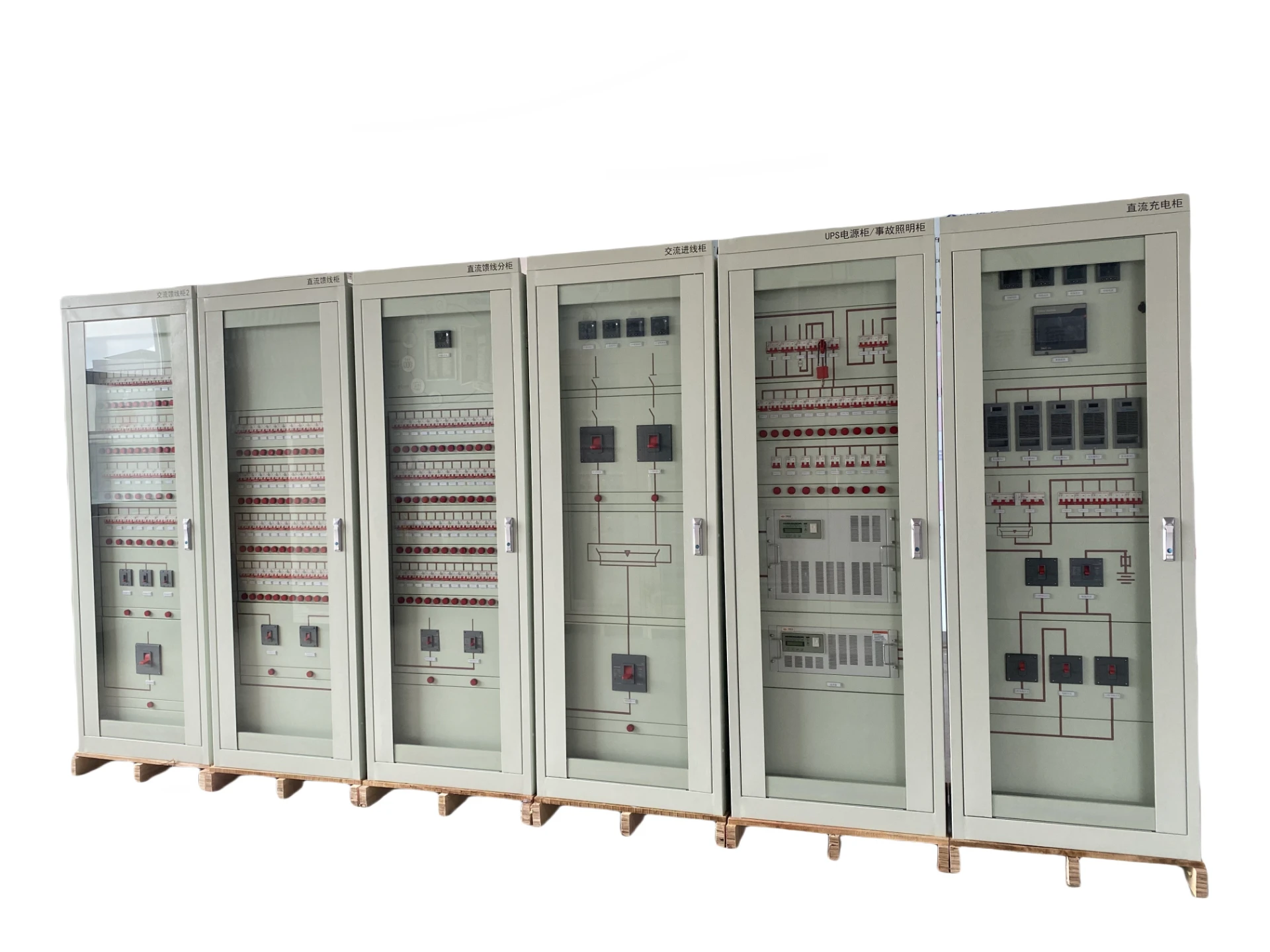
Image: Advanced control interfaces for intelligent energy management systems.
Case Study 2: Remote Telecommunications Hub
A telecommunications provider needed a reliable and sustainable power solution for a remote cellular tower in a region with an unstable grid and limited access for fuel delivery to diesel generators. Continuous uptime for the tower was critical for maintaining network coverage.
- Challenge: Unreliable grid power, high operational costs of diesel generators, environmental concerns.
- Solution: We installed a hybrid intelligent energy management system consisting of a 30 kWh home energy storage system (modified for commercial scale) paired with a 15 kW solar PV array and a smaller backup generator. The intelligent controller prioritized solar power, used battery storage for night-time operation, and only activated the generator as a last resort during prolonged cloudy periods or extreme loads.
- Results: The client achieved a 90% reduction in diesel fuel consumption, leading to significant cost savings and a drastic reduction in carbon emissions. System uptime increased to 99.99%, ensuring uninterrupted network service. The remote monitoring capabilities of the intelligent energy management system allowed for proactive problem identification and minimized the need for costly on-site maintenance visits. Customer feedback highlighted improved service reliability across the region.
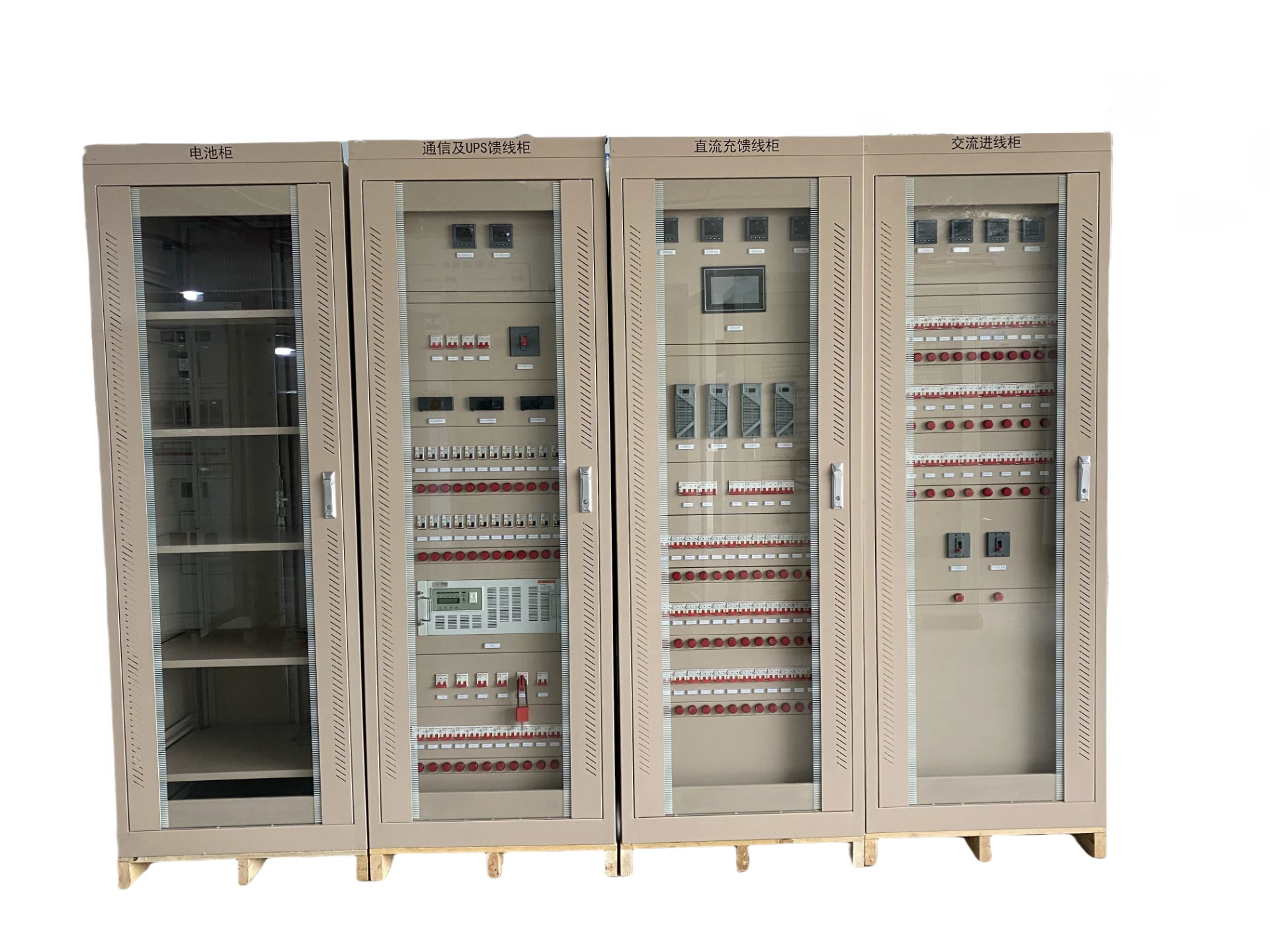
Image: Modular intelligent energy management system components for scalable deployments.
Trust & Support: FAQs, Lead Times, Warranty & Customer Service
Building long-term partnerships requires unwavering trust and robust support. We are committed to transparency and exceptional service throughout the entire lifecycle of your intelligent energy management system.
Frequently Asked Questions (FAQs)
-
Q: What is the typical ROI period for an intelligent energy management system?
A: ROI periods typically range from 3 to 7 years, highly dependent on energy consumption patterns, local electricity tariffs, and available incentives. Detailed financial modeling is part of our initial consultation. -
Q: Can your system integrate with existing solar installations?
A: Yes, our intelligent integrated power supplies are designed for seamless integration with most existing and new solar PV systems, maximizing self-consumption and grid independence. -
Q: How does your system ensure data security and privacy?
A: We employ industry-leading encryption protocols, secure cloud architecture, and multi-factor authentication to protect all collected energy data. Our systems comply with relevant data protection regulations.
Lead Time & Fulfillment Details
Our standard lead time for the manufacturing and delivery of intelligent integrated power supplies typically ranges from 8 to 14 weeks, depending on system complexity and specific customization requirements. Project timelines for full system integration, including installation and commissioning, are provided after a detailed site assessment and solution design. We maintain transparent communication throughout the entire process, providing regular updates on production and shipping milestones.
Warranty Commitments
We stand behind the quality and performance of our products with robust warranty provisions. Our intelligent integrated power supplies come with a comprehensive 10-year warranty on the battery module, guaranteeing a minimum of 70% retained capacity at the end of the warranty period, and a 5-year warranty on the inverter and control components. Extended warranty options are available upon request.
Customer Support Information
Our dedicated customer support team is available 24/7 to address any technical inquiries or operational assistance needs. We offer multi-channel support including phone, email, and a secure online portal for ticket submission and progress tracking. Our field service engineers are trained to provide expert on-site support, troubleshooting, and preventative maintenance to ensure continuous optimal performance of your energy management system. Remote diagnostic capabilities allow us to resolve many issues without requiring a site visit, enhancing responsiveness and minimizing downtime.
References
- International Energy Agency (IEA). "Energy Efficiency 2023." IEA Publications, 2023.
- U.S. Department of Energy. "Grid Modernization Initiative Strategic Plan." Office of Electricity Delivery and Energy Reliability, 2015.
- National Renewable Energy Laboratory (NREL). "Battery Storage for Grid-Scale Applications: A Technology Roadmap." NREL Technical Report, 2021.
- Institute of Electrical and Electronics Engineers (IEEE). "IEEE Standard for Interconnection and Interoperability of Distributed Energy Resources with Associated Electric Power Systems Interfaces." IEEE Std 1547-2018.
- Frost & Sullivan. "Global Intelligent Energy Management Systems Market, Forecast to 2025." Market Report, 2020.
-
Cedar Point EV Charging Solutions for Sustainable Tourism Experience
NewsApr.16,2026
-
Guide to Cedar Point Charging Stations for EV Park Visitors
NewsApr.16,2026
-
Acorn Stairlift Charging Point Guide for Home Mobility Optimization
NewsApr.16,2026
-
Integrating a Wireless Charging Point into Modern Infrastructure
NewsApr.16,2026
-
How to Optimize Your iPhone 14 Charging Point for Efficiency
NewsApr.16,2026
-
Analyzing the Charging Point Share Price Trends and Market Outlook
NewsApr.09,2026