


Sep . 09, 2025 20:00 Back to list
Intelligent Energy Management: Optimal Savings & Efficiency
Introduction to Advanced Energy Management Solutions
In an era defined by fluctuating energy costs, growing environmental concerns, and the imperative for operational resilience, the strategic deployment of advanced energy management solutions has become a critical differentiator for B2B enterprises. Central to this evolution is the concept of intelligent energy management, a comprehensive approach that integrates cutting-edge hardware, software, and artificial intelligence to optimize energy generation, storage, distribution, and consumption across diverse applications. This sophisticated methodology extends far beyond basic monitoring, empowering organizations to achieve unparalleled efficiency, enhance grid stability, reduce carbon footprints, and secure significant operational cost savings.
An intelligent energy management system (IEMS) leverages real-time data analytics, predictive algorithms, and automated control mechanisms to dynamically respond to changing energy demands and supply conditions. Unlike traditional static systems, an IEMS continuously learns and adapts, ensuring optimal performance under varying operational loads and environmental factors. For industries ranging from manufacturing and petrochemicals to data centers and commercial complexes, adopting such a system translates directly into a competitive advantage by transforming energy from a fixed cost into a flexible, manageable resource. This article delves into the intricacies of these advanced systems, detailing their technical underpinnings, application versatility, and the tangible benefits they offer.
Industry Trends Driving the Adoption of Intelligent Energy Management
The global energy landscape is undergoing a profound transformation, propelled by several macro-trends that underscore the urgent need for sophisticated energy management solutions:
- Decarbonization and Sustainability Goals: With increasing regulatory pressure and corporate social responsibility initiatives, businesses are committed to reducing their carbon emissions. Intelligent energy management systems facilitate this by optimizing renewable energy integration, improving energy efficiency, and enabling participation in demand response programs that shift load away from peak, fossil-fuel-intensive generation periods.
- Grid Modernization and Decentralization: The traditional centralized grid is evolving into a more distributed, resilient, and interactive network. The proliferation of Distributed Energy Resources (DERs) such as solar PV, wind, and especially home energy storage systems or industrial-scale battery energy storage systems (BESS) necessitates intelligent control to maintain grid stability and optimize energy flows.
- Rising and Volatile Energy Costs: Geopolitical factors and market dynamics contribute to unpredictable energy prices. An IEMS allows organizations to strategically consume, store, and even sell energy back to the grid, hedging against price volatility through peak shaving, load shifting, and arbitrage opportunities.
- Increased Demand for Energy Resilience: Businesses cannot afford power outages. Advanced energy management systems, particularly those integrated with robust battery storage, provide critical backup power, ensuring continuity of operations for essential services and sensitive industrial processes, thereby significantly enhancing energy security.
- Digitalization and IoT Integration: The convergence of the Internet of Things (IoT), big data analytics, and artificial intelligence offers unprecedented capabilities for real-time monitoring and control. IEMS platforms harness this data to provide actionable insights, predictive maintenance, and autonomous optimization, moving beyond reactive management to proactive strategic control.
These trends collectively underscore a paradigm shift from passive energy consumption to active, intelligent participation in the energy ecosystem, making an intelligent energy management system an indispensable asset for future-proofed operations.
The Manufacturing and Integration Process of Intelligent Integrated Power Supplies
The development and deployment of an intelligent integrated power supply, a cornerstone of any effective intelligent energy management solution, is a multi-faceted process demanding precision engineering, advanced material science, and rigorous quality assurance. Unlike simple power converters, these systems integrate power conversion, battery management, thermal management, and sophisticated control intelligence into a cohesive unit. The following outlines the typical process flow:
1. System Design & Component Specification
This initial phase involves detailed engineering design, considering target applications (e.g., industrial, commercial, grid support). Key elements include power architecture (e.g., AC-coupled, DC-coupled), battery chemistry (e.g., LiFePO4 for safety and longevity), inverter topology (e.g., multi-level, transformerless), and the control platform. Materials are chosen for optimal electrical conductivity (e.g., high-purity copper busbars), thermal dissipation (e.g., aluminum alloys for heatsinks), and structural integrity (e.g., robust steel or aluminum enclosures with IP ratings like IP55 or IP65 for environmental protection). Design adherence to standards like IEC 62477 (safety requirements for power electronic converter systems) and specific regional grid codes is paramount.
2. Component Sourcing & Quality Control
Critical components, including high-power IGBTs or SiC MOSFETs, capacitors, inductors, sophisticated battery cells, power contactors, and advanced microcontrollers, are sourced from certified suppliers. Stringent incoming quality control (IQC) protocols, often adhering to ISO 9001 standards, ensure that all parts meet precise technical specifications and reliability benchmarks. This includes material composition analysis, dimensional checks, and pre-assembly electrical testing.
3. Precision Assembly & Integration
This stage involves the mechanical assembly of enclosures, mounting of power modules, wiring of high-current paths, and integration of the Battery Management System (BMS) with the battery modules. Automated processes, such as robotic soldering for PCBs and precision CNC machining for critical mechanical parts, ensure consistency and high quality. Specialized processes like vacuum potting are used for sensitive electronic components to enhance thermal management and protect against environmental ingress.
4. Software Integration & Calibration
The core intelligence—the Energy Management System (EMS) software and firmware—is loaded onto the integrated control units. This includes algorithms for charge/discharge optimization, grid synchronization, fault detection, and communication protocols (e.g., Modbus TCP/IP, CAN bus, IEC 61850). Calibration of sensors (voltage, current, temperature) and power electronics ensures accurate operation and maximum efficiency. Advanced AI/ML models are often pre-trained for predictive load forecasting and optimized dispatch strategies.
5. Rigorous Testing & Certification
Each intelligent integrated power supply undergoes a comprehensive battery of tests. This includes functional testing, efficiency measurements across various load profiles, thermal cycling, electromagnetic compatibility (EMC) testing per standards like EN 61000, and safety testing (e.g., UL 1741, CE marking, IEC 62109). Long-duration burn-in tests ensure component stability and identify infant mortality failures. Environmental tests (vibration, humidity, temperature extremes) validate robustness. These stringent tests are crucial for meeting compliance and ensuring a long service life, typically exceeding 15-20 years for core components like power electronics and BMS, and 10+ years for battery modules (depending on cycle depth and usage). We adhere to ANSI/UL standards for safety and performance.
6. Deployment & Ongoing Optimization
Once certified, units are prepared for shipment. On-site installation is followed by commissioning and final integration with the facility's existing infrastructure (SCADA, building management systems). Post-deployment, the intelligent energy management system continuously collects data, feeding back into its predictive models for ongoing optimization. Remote monitoring and diagnostics are standard, ensuring peak performance and proactive maintenance.
Target industries for these advanced systems include petrochemical, metallurgy, mining, water supply & drainage, and general manufacturing, where stable power, peak demand management, and energy savings are paramount. Advantages manifest in significant energy cost reductions, enhanced power quality, improved reliability, and resilience against grid disturbances. Our systems are designed with high-grade materials and coatings for superior corrosion resistance, making them suitable for harsh industrial environments, thus extending product life and reducing maintenance overhead.
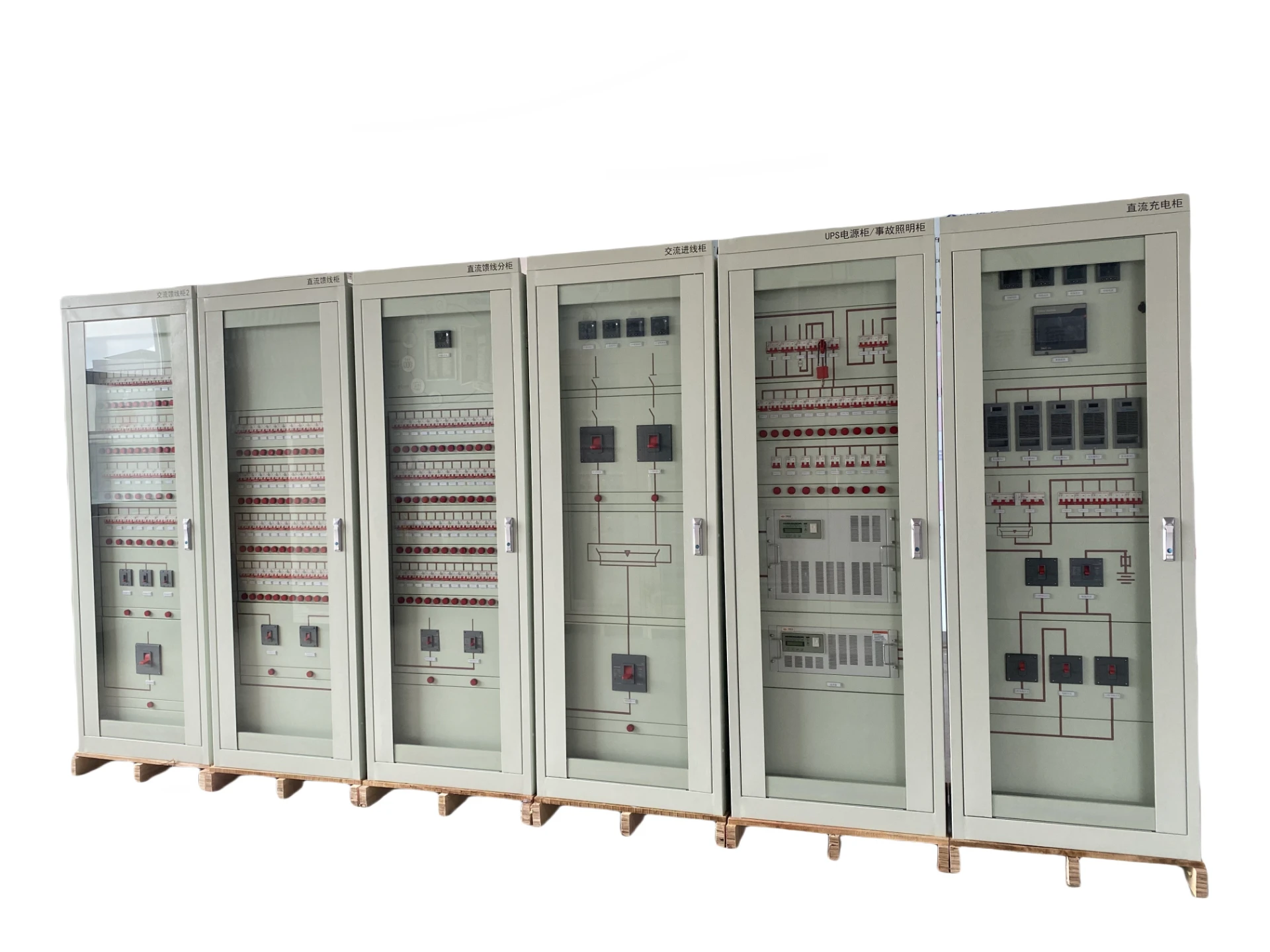
Technical Specifications of Advanced Intelligent Energy Management Systems
Our intelligent integrated power supply systems are engineered to deliver unparalleled performance and reliability. Below are key technical parameters typical of our high-efficiency units, designed for robust industrial and commercial applications.
These specifications highlight the advanced capabilities of modern intelligent energy management systems. The robust LiFePO4 battery chemistry ensures high safety, a long calendar life, and excellent cycle stability, making it ideal for demanding industrial applications. The high power conversion efficiency minimizes energy losses, directly contributing to greater operational savings. Furthermore, comprehensive communication protocols ensure seamless integration with existing industrial control systems and smart grid infrastructure, reinforcing the system's role as a versatile and future-proof energy asset.
Key Application Scenarios and Operational Advantages
The versatility of an intelligent energy management system allows for its deployment across a multitude of sectors, delivering tailored benefits:
Industrial Facilities (Petrochemical, Metallurgy, Manufacturing)
In energy-intensive industrial environments, these systems are critical for peak load shaving, significantly reducing demand charges which can constitute a large portion of electricity bills. They provide voltage and frequency support, stabilizing power quality for sensitive machinery, and act as uninterruptible power supplies (UPS) during grid disturbances, preventing costly downtime. For instance, in a metallurgy plant, consistent power supply is crucial to avoid material waste and equipment damage during smelting processes. An IEMS can buffer these demands, leveraging stored energy to meet sudden spikes without drawing heavily from the grid, reducing the stress on local transformers and switchgear. Furthermore, their robust design with enhanced corrosion resistance ensures reliable operation in challenging industrial atmospheres, contributing to extended equipment life and reduced maintenance.
Commercial Buildings & Data Centers
For commercial entities, including large office complexes, retail centers, and especially data centers, energy costs and reliability are paramount. An IEMS optimizes HVAC systems, lighting, and critical IT infrastructure by predicting usage patterns and integrating with building management systems (BMS). Data centers, in particular, benefit from enhanced resilience against brownouts and blackouts, ensuring continuous operation of servers and cooling systems. Intelligent scheduling of charging and discharging cycles can leverage time-of-use tariffs, storing cheaper off-peak energy for use during expensive peak hours, directly impacting operational expenditures. Our systems have demonstrated a 15-25% reduction in annual energy costs for commercial clients with typical demand profiles.
Microgrids & Remote Installations
In remote locations or for critical infrastructure requiring energy independence, microgrids powered by an intelligent energy management system are ideal. They seamlessly integrate diverse generation sources—solar PV, wind, generators—with battery storage to provide stable, resilient power. This is crucial for applications like water supply & drainage facilities in off-grid areas, remote mining operations, or military bases, where grid connection is unreliable or non-existent. The system's intelligence ensures optimal dispatch of renewable energy, minimizing reliance on fossil fuels, reducing generator run-time, and significantly lowering operational costs and environmental impact. For a remote water pumping station, an IEMS can ensure continuous operation even during adverse weather conditions, by prioritizing battery discharge or generator activation based on forecasted demand and available renewables.
The operational advantages are multifaceted: energy saving through optimized consumption and reduced peak demand; enhanced reliability by providing seamless backup power and grid stability services; and increased efficiency across the entire energy ecosystem. This holistic approach ensures that businesses not only meet their immediate energy needs but also align with long-term sustainability and economic objectives.
Comparative Analysis of Intelligent Energy Management Solutions
When evaluating energy management solutions, businesses encounter a spectrum of options, from basic monitoring systems to fully integrated intelligent platforms. Understanding the distinctions is crucial for selecting a system that truly meets evolving operational demands and strategic goals. Below is a comparative overview highlighting the advantages of an advanced intelligent energy management system, such as an intelligent integrated power supply, against more conventional alternatives.
This comparison underscores that while basic EMS offer foundational insights, and legacy BESS provide storage, only an advanced intelligent energy management system delivers the holistic, proactive, and economically beneficial approach required in today's dynamic energy landscape. The integrated power supply represents the pinnacle of this evolution, offering a consolidated solution that maximizes return on investment through superior control and operational flexibility.
Customized Solutions and Integration Capabilities
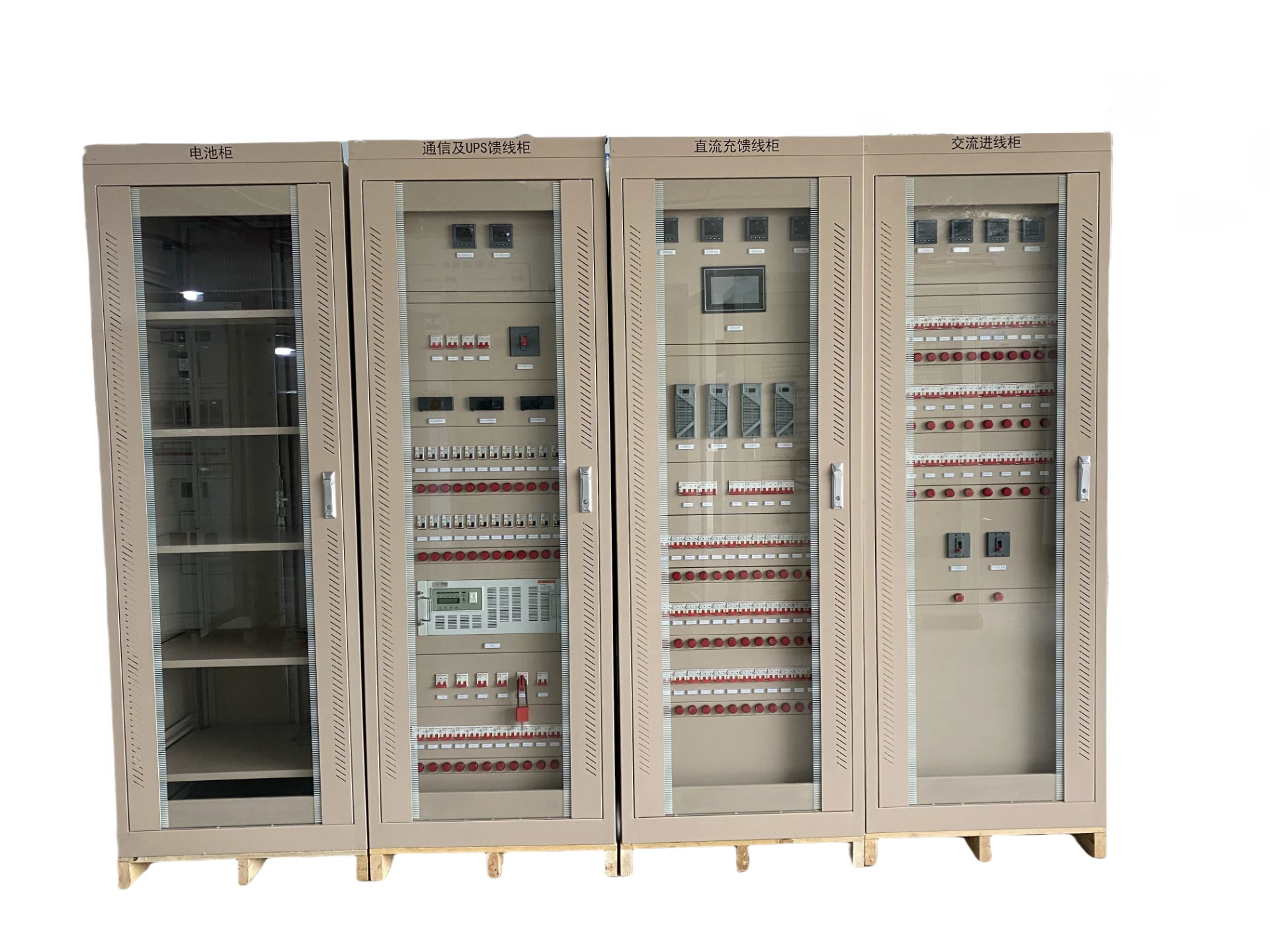
Recognizing that no two industrial or commercial operations are identical, our approach to intelligent energy management emphasizes highly customized solutions. Our engineering teams work closely with clients to assess their specific energy profiles, operational constraints, and strategic objectives. This collaborative process ensures that the intelligent integrated power supply is perfectly aligned with the client's existing infrastructure and future growth plans.
- Tailored Capacity and Configuration: Systems are designed with scalable power (kW) and energy (kWh) capacities to meet precise load requirements, from small commercial applications to large-scale industrial sites and utility-grade microgrids. This includes selecting optimal battery chemistries and inverter configurations.
- Seamless Integration: Our intelligent integrated power supplies are engineered for plug-and-play integration with existing systems, including solar PV arrays, wind turbines, grid connections, diesel generators, Building Management Systems (BMS), and Supervisory Control and Data Acquisition (SCADA) systems. We support a wide array of communication protocols (Modbus, CAN, IEC 61850, OPC UA) to ensure interoperability and data exchange.
- Software Adaptation: The core EMS software can be customized to prioritize specific operational goals—be it maximum energy cost savings, enhanced resilience, carbon footprint reduction, or a combination thereof. This includes tailoring demand response strategies, peak shaving algorithms, and renewable energy dispatch logic.
- Environmental Adaptation: For harsh industrial environments (e.g., high humidity, corrosive atmospheres, extreme temperatures), enclosures are designed with appropriate IP ratings (e.g., IP65) and materials, including specialized coatings, to ensure long-term reliability and minimize maintenance.
- Regulatory Compliance: Solutions are designed to comply with relevant local and international grid codes, safety standards (e.g., UL, CE), and environmental regulations, simplifying permitting and deployment processes for our global clientele.
Our decade-long experience in delivering robust energy solutions across diverse industries, coupled with a deep understanding of evolving energy markets, positions us as an authoritative partner in navigating the complexities of modern energy management. We leverage this expertise to build solutions that are not just technically sound but also strategically advantageous for our clients.
Real-World Application Case Studies
Case Study 1: Industrial Peak Shaving and Demand Response in a Petrochemical Plant
A major petrochemical facility faced substantial peak demand charges and operational disruptions due to intermittent grid instability. We deployed a 500 kW / 1 MWh intelligent integrated power supply. The system was programmed to perform aggressive peak shaving, automatically discharging its battery during periods of highest electricity demand and recharging during off-peak hours. Furthermore, it participated in the local utility’s demand response program, curtailing load or supplying power to the grid during critical periods in exchange for incentives. Over the first 12 months, the facility achieved an average 28% reduction in peak demand charges and realized an additional $75,000 annually through demand response participation. The system also provided seamless ride-through power during momentary outages, preventing costly process interruptions.
Case Study 2: Commercial Building Energy Optimization and Resilience
A large corporate headquarters with a significant solar PV installation sought to maximize self-consumption of renewable energy and enhance power reliability. We implemented a 250 kW / 500 kWh intelligent energy management system. The system's AI-driven algorithms forecast building load and solar generation, optimizing battery charge/discharge to absorb excess solar, ensure maximum self-sufficiency, and provide backup power for critical loads during grid outages. It integrated with the building’s existing HVAC and lighting controls, dynamically adjusting consumption. Within two years, the building increased its solar self-consumption from 60% to 92%, reduced its grid energy imports by 35%, and experienced zero operational impact from two significant local grid disturbances, solidifying its reputation for sustainable and reliable operations.
Case Study 3: Remote Microgrid for Water Pumping Station
A remote municipal water pumping station, previously reliant solely on diesel generators, needed a more sustainable and cost-effective power solution. We designed and deployed an off-grid microgrid featuring a 100 kW solar array, a 75 kW / 300 kWh intelligent energy management system, and the existing diesel generator for redundancy. The IEMS continuously optimizes the dispatch of solar and battery power, minimizing generator run-time to only essential charging cycles or during prolonged periods of low solar irradiation. This resulted in an 85% reduction in diesel fuel consumption and associated emissions, alongside a significant decrease in operational noise and maintenance costs for the generator. The system ensured uninterrupted water supply, even during challenging weather conditions, demonstrating superior operational resilience.
These case studies exemplify the transformative power of intelligent energy management in delivering tangible economic, operational, and environmental benefits across diverse industrial and commercial landscapes.
Frequently Asked Questions (FAQ)
Q: What is intelligent energy management?
A: Intelligent energy management refers to the use of advanced technologies, including IoT, AI, and data analytics, to actively monitor, control, and optimize energy consumption and generation in real-time. It goes beyond simple monitoring to include predictive capabilities, automated decision-making, and seamless integration of various energy assets like solar, storage, and grid connections to achieve efficiency, cost savings, and enhanced resilience.
Q: How does an intelligent integrated power supply differ from a standard UPS?
A: While both provide backup power, an intelligent integrated power supply is far more sophisticated than a standard Uninterruptible Power Supply (UPS). A UPS primarily offers short-term power conditioning and backup during outages. An intelligent integrated power supply, on the other hand, is a multi-functional system that not only provides backup but also actively manages energy flow, integrates renewable sources, performs grid services (like peak shaving and demand response), and optimizes energy use for cost savings through its embedded intelligence and battery storage capabilities. It's an active energy manager, not just a passive backup device.
Q: Can your systems integrate with existing industrial control systems (SCADA/BMS)?
A: Absolutely. Our intelligent energy management systems are designed for seamless integration with a wide range of industrial control systems, including SCADA and Building Management Systems (BMS). We support industry-standard communication protocols such as Modbus TCP/IP, CAN bus, and optionally IEC 61850 or OPC UA, ensuring reliable data exchange and centralized control within your existing operational framework.
Q: What is the typical return on investment (ROI) for an intelligent integrated power supply?
A: The ROI varies depending on factors such as energy tariffs, operational profile, and specific incentives. However, clients typically see significant returns through reduced peak demand charges (often 20-40% savings), increased self-consumption of cheaper renewable energy, participation in grid service programs, and avoided costs from power outages. Our detailed financial modeling consistently projects ROIs in the range of 3-7 years for most industrial and commercial applications.
Logistics, Warranty, and Customer Support
Lead Time and Fulfillment
Our robust supply chain and manufacturing capabilities ensure efficient project fulfillment. Standard intelligent integrated power supply units typically have a lead time of 8-12 weeks from order confirmation to factory shipment, depending on customization requirements and current production schedules. For large-scale or highly customized solutions, project timelines are collaboratively established during the initial design phase to meet specific client deadlines. We manage all logistics, including international shipping, customs clearance, and on-site delivery, ensuring a smooth and timely deployment.
Warranty Commitments
We stand behind the quality and performance of our intelligent energy management systems with comprehensive warranty packages. Our intelligent integrated power supplies typically come with a 5-year product warranty covering defects in materials and workmanship. The integrated battery energy storage components are backed by a performance warranty, guaranteeing at least 80% of their initial capacity after 10 years or 6,000 cycles, whichever comes first. Extended warranty options and service contracts are available to provide additional peace of mind and long-term operational assurance.
After-Sales Support
Our commitment to our clients extends far beyond the sale. We offer a comprehensive suite of after-sales support services designed to maximize system uptime and performance:
- 24/7 Remote Monitoring: All deployed systems are remotely monitored by our dedicated Network Operations Center (NOC) for real-time performance tracking, proactive fault detection, and rapid diagnostics.
- Technical Support: Our team of expert engineers and technicians provides multi-channel technical support (phone, email, online portal) to address any operational queries or issues swiftly.
- On-Site Service & Maintenance: We offer regular preventative maintenance programs and rapid-response on-site service to ensure optimal system health and longevity.
- Software Updates & Upgrades: Continuous firmware and software updates are provided to enhance features, improve performance, and adapt to evolving energy market requirements.
- Training Programs: We provide comprehensive training for client personnel on system operation, basic maintenance, and optimal utilization of the intelligent energy management system interface.
References
- International Electrotechnical Commission (IEC). (2020). IEC 62477: Safety requirements for power electronic converter systems and equipment.
- Institute of Electrical and Electronics Engineers (IEEE). (2018). IEEE 1547: Standard for Interconnection and Interoperability of Distributed Energy Resources with Associated Electric Power Systems Interfaces.
- U.S. Department of Energy (DOE). (2023). Grid Energy Storage: Energy Storage Systems (ESS).
- International Organization for Standardization (ISO). (2015). ISO 9001: Quality management systems – Requirements.
- National Renewable Energy Laboratory (NREL). (2021). Trends in Battery Energy Storage Systems.
-
Cedar Point EV Charging Solutions for Sustainable Tourism Experience
NewsApr.16,2026
-
Guide to Cedar Point Charging Stations for EV Park Visitors
NewsApr.16,2026
-
Acorn Stairlift Charging Point Guide for Home Mobility Optimization
NewsApr.16,2026
-
Integrating a Wireless Charging Point into Modern Infrastructure
NewsApr.16,2026
-
How to Optimize Your iPhone 14 Charging Point for Efficiency
NewsApr.16,2026
-
Analyzing the Charging Point Share Price Trends and Market Outlook
NewsApr.09,2026