


Oct . 03, 2025 05:15 Back to list
Outdoor Integrated Temperature Control Cabinet-Suzhou ACDC New Energy|Modular Design&Thermal Insulation
Introduction
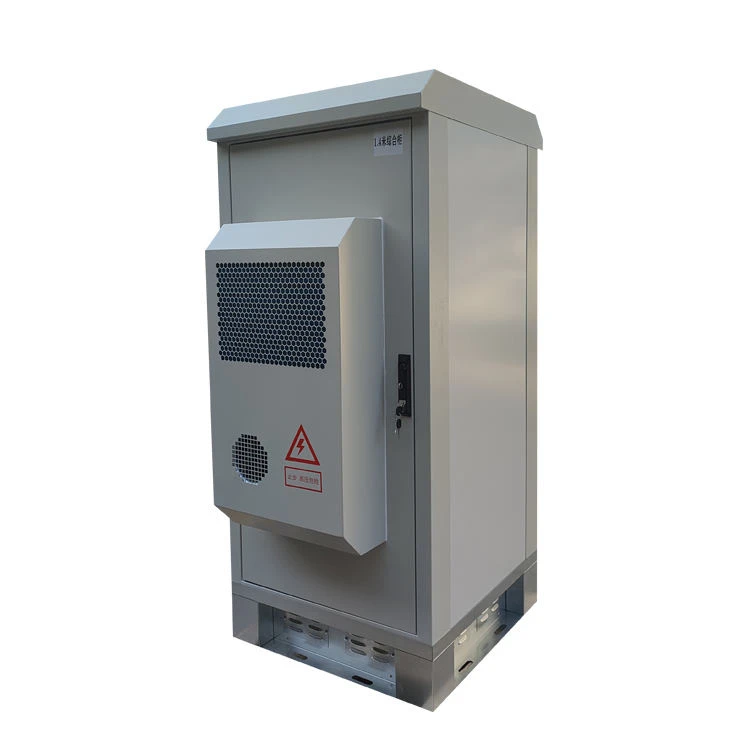
The Outdoor Integrated Temperature Control Cabinet is a cutting-edge solution designed to meet the demands of modern infrastructure, particularly in the realms of energy control systems and smart grid control. Developed by Suzhou ACDC New Energy Technology Co., LTD., this cabinet combines durability, efficiency, and adaptability to support critical applications such as 5G communication networks, emergency systems, and energy storage. Its modular design and advanced thermal management make it an essential component for industries requiring reliable and safe equipment deployment.
Key Features
The Outdoor Integrated Temperature Control Cabinet is engineered with precision to address the challenges of outdoor environments. Key features include:
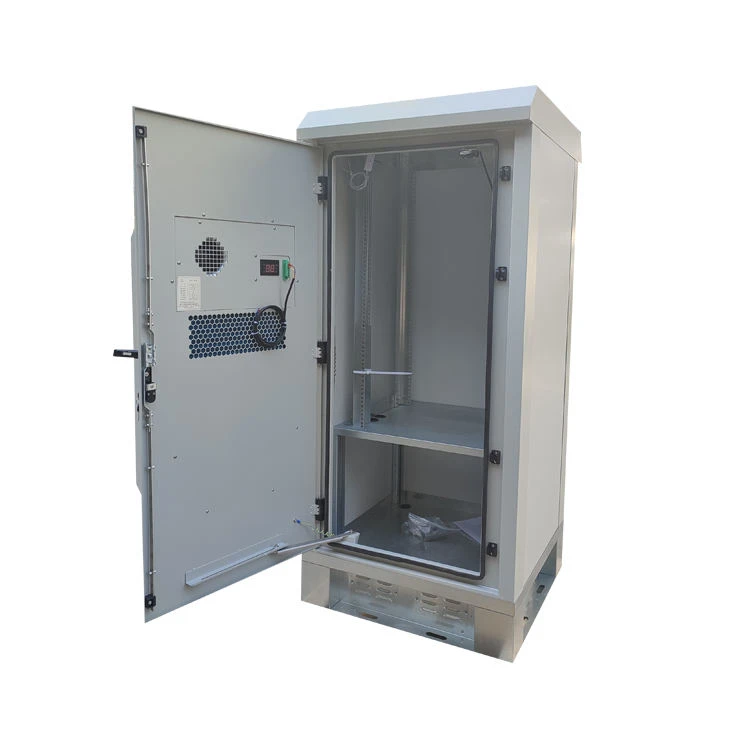
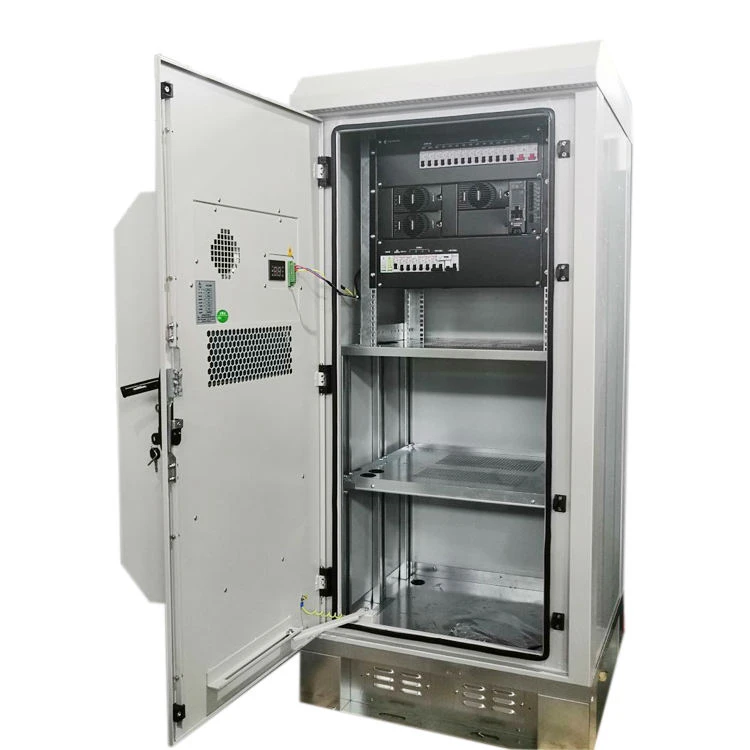
- Modular Design: The cabinet is divided into two equipment compartments and a dedicated battery compartment, ensuring organized and efficient use of space.
- Thermal Insulation: The battery compartment is equipped with thermal insulation cotton to maintain optimal temperatures, while the exhaust system safely manages harmful gases produced by batteries.
- Standardized Installation: The equipment compartment adheres to the 19-inch rack standard, accommodating a wide range of 19-inch-compatible devices.
- Durability: Constructed from hot-dip galvanized steel, cold-rolled steel, and color steel insulation boards, the cabinet offers resistance to corrosion and extreme weather conditions.
Technical Specifications
| Parameter | Details |
|---|---|
| Materials | Hot-dip galvanized steel, cold plate steel, and color steel insulation board |
| Dimensions | 650×650×1400 mm (Customizable) |
| Surface Treatment | Rust removal, anti-rust phosphating (or galvanizing), and spraying (PANTONE 428C) |
| Cabinet Load Capacity | ≥ 500 kg |
| Body Protection Level | IP55 (dust and water resistance) |
| Flame Retardancy | Meets GB5169.7 test A requirements |
| Insulation Resistance |
Advantages and Benefits
The Outdoor Integrated Temperature Control Cabinet offers numerous advantages that make it a preferred choice for critical infrastructure:
- Enhanced Safety: The cabinet’s flame-retardant materials and exhaust system ensure safe operation, even in high-risk environments.
- Easy Installation: Its compact design and modular layout simplify setup, reducing deployment time and labor costs.
- Scalability: Customizable dimensions allow the cabinet to adapt to diverse project requirements.
- Longevity: The corrosion-resistant materials and robust construction ensure a long service life, even in harsh outdoor conditions.
Application Scenarios
The Outdoor Integrated Temperature Control Cabinet is tailored for environments where reliability and performance are paramount. Key applications include:
- 5G Communication Networks: The cabinet provides a stable and secure housing for 5G base stations, ensuring uninterrupted connectivity.
- Emergency Communication Systems: Its durability and thermal management capabilities make it ideal for disaster recovery and emergency response scenarios.
- Energy Storage Solutions: The battery compartment supports energy storage systems, enhancing the efficiency of renewable energy integration.
- Industrial Automation: The equipment compartment accommodates control systems and sensors, enabling seamless monitoring and management of industrial processes.
Company Background
Suzhou ACDC New Energy Technology Co., LTD. is a leading innovator in energy monitoring and control systems and BMS energy controls. With a focus on sustainable technology and advanced engineering, the company has established itself as a trusted partner for industries requiring reliable and efficient solutions. Their commitment to quality and innovation is reflected in the design and performance of the Outdoor Integrated Temperature Control Cabinet.
Authoritative Citations and References
The technical specifications and safety standards referenced in this article align with guidelines from the National Institute of Standards and Technology (NIST), which plays a critical role in developing standards for industrial and technological advancements. For example:
- IP55 Protection Level: NIST’s research on environmental resilience for electronic equipment supports the use of IP55-rated enclosures in outdoor applications (NIST.gov).
- Flame Retardancy: The GB5169.7 test A standard, referenced in the cabinet’s design, is aligned with NIST’s work on fire safety testing protocols (NIST.gov).
These references underscore the cabinet’s compliance with industry-leading safety and performance benchmarks.
-
Cedar Point EV Charging Solutions for Sustainable Tourism Experience
NewsApr.16,2026
-
Guide to Cedar Point Charging Stations for EV Park Visitors
NewsApr.16,2026
-
Acorn Stairlift Charging Point Guide for Home Mobility Optimization
NewsApr.16,2026
-
Integrating a Wireless Charging Point into Modern Infrastructure
NewsApr.16,2026
-
How to Optimize Your iPhone 14 Charging Point for Efficiency
NewsApr.16,2026
-
Analyzing the Charging Point Share Price Trends and Market Outlook
NewsApr.09,2026