


Feb . 25, 2026 01:55 Back to list
Power Up Your DJ Performance with a Reliable Portable Power Station
Power Up Your Performance: Choosing the Right Portable Power Station for DJs
Being a DJ is all about the music, the energy, and connecting with your audience. But a dead battery can kill the vibe faster than a dropped needle. A portable power station for DJs is no longer a luxury – it’s essential for reliable, uninterrupted performance. Whether you’re gigging at a festival, club, or private event, having a dependable power source gives you the freedom and peace of mind to focus on what you do best. This guide will explore the key considerations, benefits, and options for selecting the perfect power station to keep your music flowing.
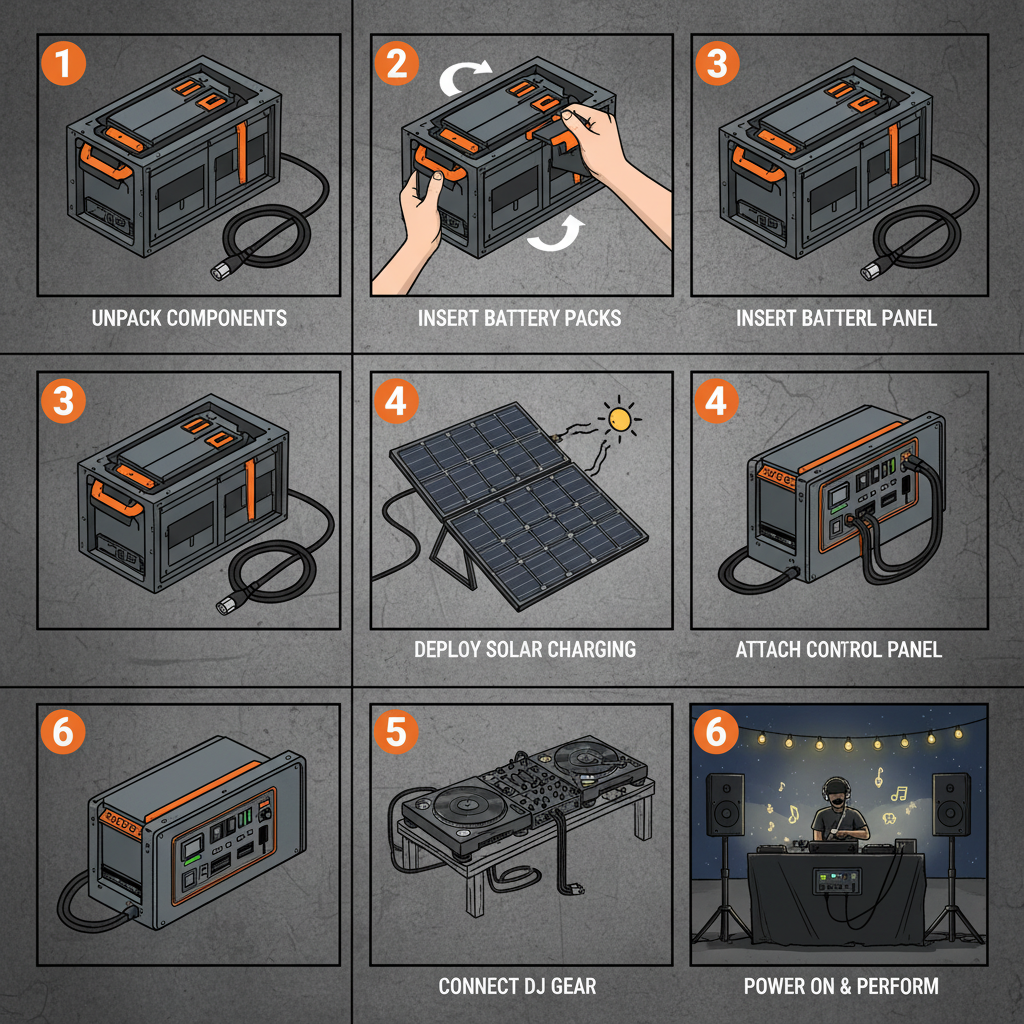
Why DJs Need a Portable Power Station
Traditionally, DJs relied on venue power, which isn't always reliable or conveniently located. Old wiring, overloaded circuits, or even power outages can disrupt a set, leaving you scrambling for solutions. A portable power station eliminates these concerns. It provides a consistent, clean power supply, independent of the venue’s infrastructure. This allows for greater flexibility in venue selection and set-up. Plus, it’s invaluable for outdoor events where power access is limited or nonexistent. Beyond preventing disruptions, a power station offers safety – protecting your sensitive equipment from voltage fluctuations and surges. Investing in a reliable power solution is an investment in your career.
Key Benefits: Consistent power, venue flexibility, protection from surges, peace of mind, increased safety, and outdoor event capabilities.
Key Considerations When Choosing a Portable Power Station for DJing
Selecting the right power station requires careful consideration. Here's a breakdown of the critical factors. Capacity (Watt-Hours): This determines how long the power station can run your equipment. Calculate the total wattage of all your gear (mixers, turntables, speakers, lighting) and estimate how long you need to run them continuously. Output Wattage: Ensure the power station can handle the peak wattage of your equipment, especially speakers, which require a surge of power when starting up. Portability: Consider the weight and size. You’ll be transporting this, so choose something manageable. Outlet Types: Confirm it has the necessary outlets for your equipment (AC, USB, DC). Charging Options: Look for options like AC charging, solar charging, and car charging for maximum flexibility. Safety Features: Overload protection, short-circuit protection, and temperature control are essential.
Essential Features Checklist:
• Sufficient Watt-Hours
• Adequate Output Wattage
• Portable Design
• Versatile Outlet Options
Portable Power Station for DJ: Comparing Key Models
The market offers numerous portable power stations. Here’s a comparison of popular models to help you narrow your choices. ACDCBESS specializes in high-quality, reliable power solutions, including models specifically suited for demanding applications like DJing. It's crucial to choose a brand known for quality and safety, especially when dealing with sensitive equipment. The following table highlights the differences between key models available.
Maximizing Your Power Station’s Lifespan
To ensure your portable power station delivers reliable performance for years to come, follow these best practices. Proper Storage: Store the power station in a cool, dry place, away from direct sunlight and extreme temperatures. Regular Charging: Even when not in use, charge the power station periodically (every 3-6 months) to maintain battery health. Avoid Overloading: Never exceed the power station's output wattage. Use Quality Cables: Invest in high-quality cables to ensure efficient power transfer and prevent damage. Regular maintenance and mindful usage will extend the lifespan of your investment.
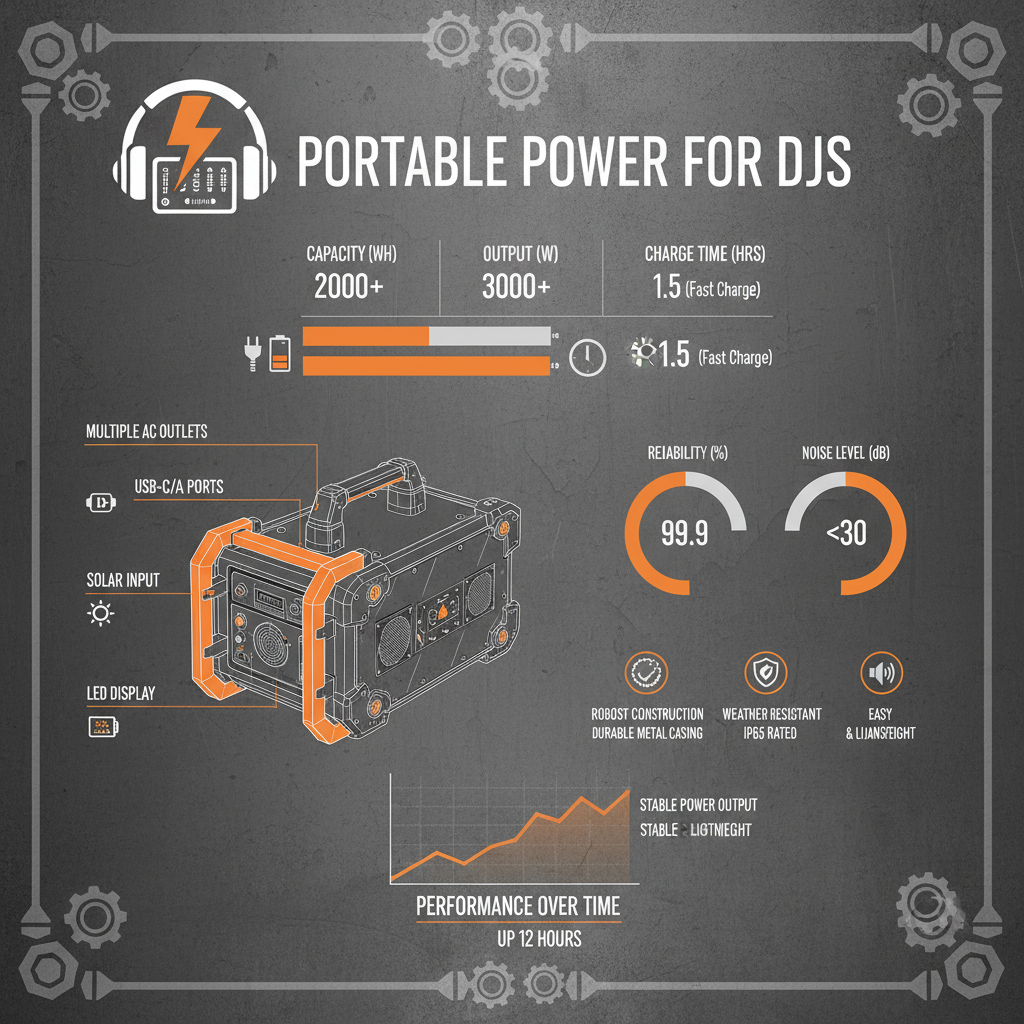
Conclusion: Stay Powered Up, Stay in the Mix
Don't Let a Power Outage Silence Your Sound
Investing in a portable power station for DJs is a smart move for any professional. It provides the reliability, flexibility, and peace of mind you need to deliver unforgettable performances. With the right power station, you can focus on what matters most – the music and your audience. Explore the range of options at ACDCBESS to find the perfect solution for your needs.
Frequently Asked Questions (FAQs)
How do I calculate the wattage I need for my DJ setup?
To calculate your total wattage, list all your equipment (mixer, turntables, speakers, lights, laptop, etc.). Find the wattage listed on each device (usually on the back or bottom). Add up all the wattages. It’s crucial to account for peak wattage for items like speakers, which draw significantly more power during initial startup. Add a 20-30% buffer to your total wattage to ensure the power station can handle the load comfortably. If you're unsure, it's always better to overestimate rather than underestimate.
Can I charge my power station while I’m using it?
Yes, many portable power stations support pass-through charging, which allows you to charge the unit while simultaneously powering your devices. However, this may slightly reduce the charging speed. It's generally recommended to fully charge the power station before an event, but pass-through charging can be a lifesaver if you run into unexpected power demands. Check the specifications of your specific model to confirm if it supports pass-through charging.
What is the best way to transport a portable power station?
Portable power stations can be heavy, so proper transportation is essential. Use a sturdy carrying case or bag designed for the specific model. Avoid dropping or subjecting the power station to excessive vibrations. If transporting in a vehicle, secure it to prevent it from sliding around during transit. Consider using a hand truck or dolly for longer distances. Always disconnect any connected devices before transporting the power station.
How long will a fully charged power station last for a typical DJ set?
The runtime depends heavily on the power consumption of your equipment and the capacity of the power station. A typical 3-4 hour DJ set with moderate power demands (mixer, turntables, laptop, small speakers) could potentially run for several hours on a 1000Wh power station. However, a more demanding setup with larger speakers and lighting may require a larger capacity power station or multiple units. Always calculate your power needs accurately to ensure sufficient runtime.
-
Cedar Point EV Charging Solutions for Sustainable Tourism Experience
NewsApr.16,2026
-
Guide to Cedar Point Charging Stations for EV Park Visitors
NewsApr.16,2026
-
Acorn Stairlift Charging Point Guide for Home Mobility Optimization
NewsApr.16,2026
-
Integrating a Wireless Charging Point into Modern Infrastructure
NewsApr.16,2026
-
How to Optimize Your iPhone 14 Charging Point for Efficiency
NewsApr.16,2026
-
Analyzing the Charging Point Share Price Trends and Market Outlook
NewsApr.09,2026