


Sep . 19, 2025 14:05 Back to list
Real-time Energy Management System: Save Costs, Boost Efficiency
Strategic Energy Management: Driving Efficiency in B2B Operations
In today's competitive industrial and commercial landscape, robust and intelligent energy management is paramount for operational sustainability and cost control. An energy management system (EMS) serves as the central nervous system for monitoring, controlling, and optimizing energy consumption across diverse B2B environments. From industrial plants to commercial complexes, these systems are instrumental in driving efficiency, reducing carbon footprints, and ensuring grid stability. Our solutions, including sophisticated centralized energy storage systems, are designed to meet the rigorous demands of modern enterprises, empowering them with granular control over their energy infrastructure.
This article delves into the critical aspects of advanced EMS, covering industry trends, technical specifications, application scenarios, and the tangible benefits they offer, alongside detailed insights into their manufacturing, deployment, and support. We provide data-driven perspectives to illustrate the profound impact of strategic energy management.
Current Industry Trends in Energy Management
The global shift towards sustainability, decarbonization, and enhanced operational resilience is accelerating the adoption of sophisticated energy management solutions. Key trends profoundly influencing the sector include:
- Digitalization and IoT Integration: The proliferation of IoT devices and advanced sensors allows for real-time, granular data collection from every point of consumption, feeding into powerful analytics platforms. This fosters unparalleled transparency in energy usage patterns.
- Artificial Intelligence and Machine Learning: AI/ML algorithms are increasingly used for predictive maintenance, highly accurate demand forecasting, and optimizing energy dispatch in complex systems, leading to smarter and more autonomous operations. Studies show AI can improve energy efficiency by 10-20% in industrial settings.
- Renewable Energy Integration: With the rapid growth of solar, wind, and other renewables, EMS are crucial for managing intermittency, optimizing energy storage, and ensuring grid stability through sophisticated grid-interactive capabilities. Integration of renewables is projected to nearly double by 2030.
- Cybersecurity Focus: As EMS become more interconnected and critical for infrastructure operation, robust cybersecurity measures are essential to protect sensitive data and control systems from sophisticated cyber threats, ensuring system integrity and reliability.
- Regulatory Compliance and ESG Reporting: Growing regulatory pressures and Environmental, Social, and Governance (ESG) reporting requirements are driving demand for transparent and auditable energy data, which advanced EMS inherently provide, facilitating compliance and demonstrating sustainability efforts.
These trends highlight the evolving role of energy management system technologies from simple monitoring tools to comprehensive, intelligent platforms that underpin modern energy infrastructure, offering significant competitive advantages.
Technical Specifications and Core Components
A state-of-the-art energy management system is a complex integration of high-performance hardware, intelligent software, and robust communication protocols designed for seamless operation and maximum efficiency across demanding B2B environments. Key technical aspects include:
System Architecture:
- Data Acquisition Units (DAUs): High-precision current, voltage, power factor, and temperature sensors along with smart meters connected via industrial Remote Terminal Units (RTUs) or Programmable Logic Controllers (PLCs) at the edge.
- Communication Network: Robust and secure protocols such as Modbus TCP/IP, Ethernet/IP, Profibus, IEC 61850, and wireless standards (e.g., LoRaWAN, Zigbee, 5G cellular) ensure reliable and real-time data transmission to a central processing unit.
- Centralized Processing Unit: Industrial-grade servers, often ruggedized, or cloud-based platforms equipped with specialized EMS software for high-volume data storage, advanced processing, and sophisticated analytical computations.
- Human-Machine Interface (HMI): Intuitive, customizable dashboards and visualization tools provide real-time monitoring, alarm management, historical reporting, and remote control capabilities, often accessible via web or mobile interfaces.
Key Operational Parameters for Centralized Energy Storage EMS:
Our centralized energy storage system, integrated within a comprehensive energy management system, exemplifies these advanced specifications. It provides robust control, real-time analytics, and dynamic optimization capabilities crucial for demanding industrial and grid-support applications.
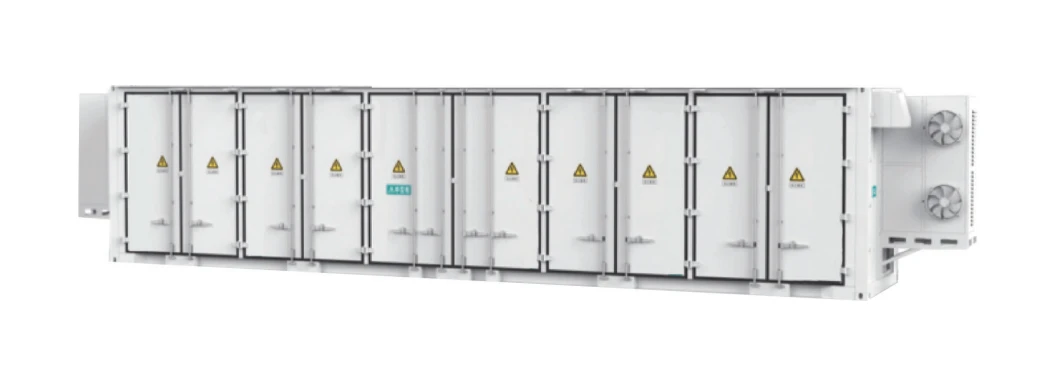
Illustration of a typical advanced EMS deployment and its interconnected components.
Manufacturing Process Flow of an Energy Management System
The creation of a high-performance energy management system involves a meticulously engineered process, ensuring durability, precision, and long-term reliability even in the most challenging operational environments.
Process Steps for Robust EMS Hardware:
1. Materials Sourcing & PCB Fabrication
High-grade industrial electronic components, robust communication modules, and power management ICs are procured from certified suppliers. Multi-layer Printed Circuit Boards (PCBs) are fabricated using advanced photolithography and etching processes for optimal signal integrity and density.
2. Automated Component Assembly
Surface Mount Technology (SMT) lines precisely place miniature components, followed by reflow soldering. Through-Hole Technology (THT) is used for larger components. Automated optical inspection (AOI) and X-ray inspection verify solder joint quality and component integrity according to IPC-A-610 standards.
3. Firmware & Software Integration
Proprietary real-time operating systems and application-specific firmware are securely flashed onto embedded microcontrollers and processors. Software modules for data acquisition, AI-driven analytics, and precise control algorithms are integrated and rigorously tested.
4. Enclosure Fabrication & System Assembly
Enclosures are fabricated from durable materials such as marine-grade aluminum (often anodized), stainless steel, or high-impact, fire-retardant industrial plastics using CNC machining, laser cutting, and precision welding. Internal components are then meticulously assembled and wired within these robust, IP-rated housings.
5. Rigorous Testing & QA
Comprehensive testing includes functional verification, environmental stress screening (ESS) such as thermal cycling and humidity tests, vibration tests (e.g., IEC 60068), and electromagnetic compatibility (EMC) tests (e.g., IEC 61000 series). All tests ensure compliance with ISO 9001 and ANSI standards for industrial equipment.
6. Final Calibration & Certification
Each completed system undergoes final calibration to guarantee sensor accuracy and control precision. Necessary certifications (e.g., CE, UL, RoHS compliance, local grid codes) are obtained, validating product safety, performance, and environmental adherence.
Service Life and Durability:
Designed for demanding B2B environments, our EMS solutions typically offer an extended service life exceeding 15 years, often supported by modular designs that facilitate easy maintenance and future upgrades. Component selection emphasizes industrial-grade reliability, utilizing materials with superior resistance to harsh operating conditions, including extreme temperatures (-40°C to +70°C), high dust loads, and corrosive atmospheres prevalent in sectors like petrochemical or metallurgy. This focus on durability minimizes total cost of ownership (TCO) for our clients.
This meticulous manufacturing process ensures that our energy management system products deliver consistent, high-performance, and reliable operation, minimizing downtime and maximizing long-term value for our discerning B2B clientele.
Application Scenarios and Target Industries
The versatility and adaptability of a modern energy management system allows it to be strategically deployed across a wide array of industrial and commercial sectors, each benefiting from tailored optimization strategies and significant operational improvements.
Target Industries & Unique Advantages:
- Petrochemical: Managing complex energy flows in refineries and chemical plants to optimize exothermic/endothermic processes, reduce waste heat, and ensure safety protocols. Advantages: Proven energy saving of up to 25% through advanced process control, enhanced operational safety in volatile environments, improved corrosion resistance for critical sensors.
- Metallurgy: Controlling high-power consuming equipment like electric arc furnaces, induction heaters, and rolling mills for precision demand-side management and energy cost reduction. Advantages: Reduced peak demand charges by up to 30%, improved overall energy efficiency in intense environments, minimized thermal stress on equipment.
- Water Supply & Drainage: Optimizing pump scheduling, variable frequency drive (VFD) motor control, and aeration systems to minimize energy consumption in water treatment plants and vast distribution networks. Advantages: Substantial energy savings (15-20%) in continuous operation, extended equipment life, and reduced maintenance needs.
- Commercial & Residential Building Clusters: Intelligent, centralized control of HVAC, lighting, security, and power systems for optimal occupant comfort, energy efficiency, and peak demand management across large building portfolios. Advantages: Lower utility bills (average 18% reduction), improved occupant satisfaction, and compliance with stringent green building standards like LEED and BREEAM.
- Data Centers: Ensuring uninterrupted power supply, optimizing sophisticated cooling systems, and managing server loads to reduce PUE (Power Usage Effectiveness) and maximize uptime. Advantages: Enhanced reliability (up to 99.999% uptime), reduced operational costs for cooling (up to 30%), and improved environmental footprint.
Typical Application Scenarios:
- Peak Shaving & Load Shifting: Utilizing centralized energy storage to reduce electricity consumption from the grid during high-tariff periods, drawing from stored energy or strategically shifting non-critical loads. This can lead to 10-25% savings on peak demand charges.
- Demand Response (DR) Participation: Automatically adjusting energy usage in real-time in response to utility grid signals, enabling facilities to participate in DR programs and earn significant financial incentives while supporting grid stability.
- Renewable Energy Self-Consumption Optimization: Maximizing the utilization of on-site generated renewable energy (e.g., solar PV, wind turbines) by intelligently storing excess power and deploying it during periods of low generation or high demand, reducing reliance on grid power.
- Microgrid Management: Comprehensive coordination of distributed energy resources (DERs), critical loads, and energy storage systems within a localized grid for enhanced resilience, black start capabilities, and energy independence.
- Asset Performance Monitoring & Predictive Maintenance: Continuous monitoring of energy-consuming assets to identify inefficiencies, predict potential failures, and schedule maintenance proactively, extending equipment lifespan by up to 20% and reducing unplanned downtime.
In these diverse scenarios, the advanced capabilities of our centralized energy storage systems, driven by sophisticated energy management system functionalities, offer unmatched advantages in energy saving, operational reliability, and environmental stewardship.
Technical Advantages of Advanced EMS Solutions
Modern energy management system platforms offer a compelling suite of technical advantages that translate directly into significant operational efficiencies and financial benefits for B2B clients. These advantages differentiate leading solutions in a competitive market:
- Real-time Granular Monitoring & Intuitive Visualization: Dynamic dashboards provide instantaneous, high-resolution insights into energy consumption, generation, and storage levels across all assets, allowing for immediate identification of anomalies and prompt corrective actions.
- AI-driven Predictive Analytics & Optimization: Leveraging vast historical data and advanced machine learning algorithms to forecast energy demand and supply with high accuracy. This enables proactive adjustments that minimize waste, reduce peak demand charges, and optimize dispatch of energy storage.
- Seamless Interoperability & Integration Capabilities: Robust API support and compatibility with existing operational technology (OT) and information technology (IT) systems, including SCADA, Building Management Systems (BMS), Manufacturing Execution Systems (MES), and Enterprise Resource Planning (ERP) platforms, ensures a unified and efficient control environment.
- Enhanced Grid Resilience & Distributed Energy Resource Management: For facilities incorporating energy storage and renewables, EMS can actively participate in grid services like frequency regulation, voltage support, and black start capabilities, significantly enhancing local and regional grid stability and reliability.
- Exceptional Scalability & Configuration Flexibility: Modular hardware and software designs allow for effortless expansion of monitoring points, integration of new energy assets, and adaptation of control functionalities as operational needs evolve, safeguarding initial technology investments.
- Robust Cybersecurity Framework: Built-in, multi-layered security protocols, end-to-end encryption, multi-factor authentication, and granular access controls protect sensitive energy data and critical control systems from sophisticated cyber threats and unauthorized access, adhering to ISA/IEC 62443 standards.
These sophisticated technical capabilities empower businesses to achieve average energy savings of 15-30% within the first two years, significantly reduce operational expenditures, and substantially improve their environmental sustainability and corporate responsibility profiles.
Vendor Comparison: Choosing the Right OEM Energy Management System
Selecting an appropriate oem energy management system requires a thorough evaluation of various providers based on several critical criteria. The market offers a range of solutions, and understanding the nuanced differences is key to ensuring long-term success and optimal return on investment.
Our approach emphasizes a comprehensive and highly adaptable energy management system ems, providing not just data, but actionable intelligence and robust control, particularly when paired with our advanced centralized energy storage solutions. We focus on maximizing long-term value for our clients.
Customized Solutions for Unique Demands
Recognizing that no two industrial operations or commercial complexes are identical, our approach to energy management system deployment prioritizes deep customization. We specialize in developing bespoke solutions that precisely align with a client's specific operational workflows, existing legacy infrastructure, unique energy consumption profiles, and strategic sustainability goals.
Key areas of customization include:
- Hardware Configuration: Tailoring sensor types, communication modules, edge computing devices, and control interfaces to integrate seamlessly with specific machinery, process control systems, and unique environmental conditions. This includes specialized ruggedized enclosures for harsh environments.
- Software Functionality & HMI: Developing custom dashboards, advanced reporting features, and algorithmic logic to address unique energy optimization challenges. Examples include specialized load shedding protocols for critical production lines, predictive energy cost arbitrage, or integration with proprietary production planning systems.
- Integration with Legacy Systems: Ensuring seamless connectivity and bi-directional data exchange with older industrial control systems (e.g., outdated SCADA, proprietary PLCs), minimizing disruption, maximizing the utility of existing assets, and extending their operational life cycle.
- Regulatory & Compliance Reporting: Configuring the system to automatically generate audit-ready reports and ensure adherence to specific local, national, or international energy efficiency, emissions, and environmental regulations, simplifying compliance burdens.
This bespoke engineering approach guarantees maximum compatibility, unparalleled efficiency, and an optimized return on investment, making our energy management system an integral and highly effective component of a client's critical infrastructure.
Application Case Studies
Real-world applications unequivocally demonstrate the profound impact of well-implemented energy management system solutions on operational performance and financial viability.
Case Study 1: Large-Scale Petrochemical Complex Energy Optimization
- Challenge: A major petrochemical complex faced pervasive energy inefficiency across multiple distillation and cracking units, resulting in high peak demand charges and a lack of real-time visibility into process-specific energy usage, hindering environmental compliance efforts.
- Solution: We deployed a comprehensive EMS, seamlessly integrated with our centralized energy storage system (5MW/10MWh capacity). The system continuously monitored power, heat, and steam flows, optimized chiller and compressor operations based on AI-driven load forecasting, and facilitated dynamic peak shaving using stored energy. Custom corrosion-resistant sensors were installed in critical areas.
- Results: The complex achieved a remarkable 22% reduction in overall energy costs, a 15% decrease in Scope 1 & 2 carbon emissions, and significantly improved operational stability through predictive maintenance alerts. The robust EMS ensured critical systems remained online during grid fluctuations, and the ROI was realized within an accelerated timeframe of 2.8 years.
Case Study 2: Multi-Site Commercial Office Building Portfolio
- Challenge: A real estate firm managing a portfolio of commercial buildings experienced highly variable energy consumption, leading to excessive utility bills, inconsistent tenant comfort levels, and difficulties in achieving sustainability targets.
- Solution: We implemented an advanced energy management system for centralized monitoring and intelligent control of HVAC, lighting, and plug loads across all buildings. AI-driven algorithms dynamically adjusted building systems based on real-time occupancy data, localized weather forecasts, and dynamic electricity pricing, coupled with demand response capabilities.
- Results: The portfolio-wide energy consumption dropped by an average of 18%, leading to annual savings exceeding $1.2 million. Tenant complaints regarding comfort decreased by 30%, and the client successfully secured LEED Gold certification for several properties due to the demonstrable improvement in energy performance and transparent reporting. Operational efficiency for facility managers was boosted by 40%.
Visual representation of an integrated EMS dashboard providing real-time data and control.
These detailed case studies underscore our commitment to delivering tangible, measurable results and fostering long-term energy sustainability and financial performance for our diverse client base.
Trustworthiness & Comprehensive Support
Our commitment extends beyond providing advanced technology; it encompasses a steadfast dedication to customer satisfaction, transparency, and reliable, end-to-end support throughout the entire lifecycle of your energy management system.
Frequently Asked Questions (FAQ):
Q: What is the typical lead time for an EMS deployment, from design to commissioning?
A: Lead times vary based on system complexity, required customization, and project scope. For standard EMS deployments, the process typically ranges from 8-12 weeks from finalized order confirmation to full system commissioning. Highly customized or large-scale, multi-site projects involving centralized energy storage may take 4-6 months, with detailed project plans, milestones, and timelines provided upfront.
Q: What warranty commitments are offered on your EMS hardware and software solutions?
A: We offer a robust standard 2-year warranty on all EMS hardware components, covering defects in materials and workmanship. Our energy management system ems software comes with a perpetual license and 1-year of comprehensive software updates and security patches. Extended warranty and tailored maintenance agreements are readily available to ensure long-term operational peace of mind and maximize system uptime.
Q: How is customer support handled post-installation and throughout the operational phase?
A: Our dedicated global support team provides 24/7 technical assistance via multiple channels, including phone, email, and a secure online client portal. We offer proactive remote diagnostics, regular software updates, and tiered on-site service options to ensure continuous system performance and address any issues promptly. Comprehensive training programs for client personnel are a standard offering, ensuring self-sufficiency and optimal system utilization.
Commitment to Quality, Compliance, and Industry Leadership:
- Certifications & Standards: Our manufacturing processes and product designs adhere to stringent international quality and environmental management standards, including ISO 9001 (Quality Management), ISO 14001 (Environmental Management), and relevant IEC standards (e.g., IEC 61850 for substation automation, IEC 61000 for EMC) for industrial control equipment.
- Strategic Partnerships & Client Portfolio: We collaborate with leading technology providers, research institutions, and a robust portfolio of industrial and commercial clients globally, building a vast network of expertise and successful deployments over 15+ years in the energy technology sector.
- Performance Validation & Data Security: All systems undergo rigorous Factory Acceptance Tests (FAT) and Site Acceptance Tests (SAT), with performance data validated against design specifications and industry benchmarks. We implement robust data encryption and privacy protocols to protect client data, adhering to global standards like GDPR.
Our transparent processes, robust warranty commitments, and comprehensive support infrastructure are meticulously designed to build and maintain trust, fostering a long and productive partnership with our esteemed clients, backed by decades of collective experience in the industry.
Conclusion
The implementation of an advanced energy management system is no longer merely an option but a strategic imperative for B2B enterprises aiming for operational excellence, robust sustainability, and a decisive competitive advantage in the modern energy landscape. By leveraging cutting-edge technology, comprehensive AI-driven analytics, and seamless integration capabilities, these systems empower organizations to gain unparalleled control and intelligent optimization over their complex energy infrastructure. Our specialized solutions, particularly our centralized energy storage systems, are engineered to deliver superior performance, drive substantial and measurable cost savings, enhance operational resilience, and support ambitious sustainability goals in the face of evolving market demands and regulatory pressures.
Partner with us to invest in a future where energy is managed intelligently, efficiently, and sustainably, ensuring your operations remain at the forefront of innovation and economic viability.
Authoritative References:
- International Energy Agency (IEA). World Energy Outlook. [Latest Annual Publication].
- U.S. Department of Energy (DOE). Energy Efficiency & Renewable Energy (EERE) Program publications and reports. [Various Dates].
- ISO (International Organization for Standardization). ISO 50001: Energy management systems — Requirements with guidance for use. [Latest Edition].
- IEEE (Institute of Electrical and Electronics Engineers) Xplore Digital Library. Various journals on Smart Grids, Energy Management Systems, and Industrial Automation. [Ongoing Publications].
- American National Standards Institute (ANSI) / International Society of Automation (ISA). Standards for Industrial Automation and Control Systems Security (ISA/IEC 62443 series). [Various Editions].
-
Cedar Point EV Charging Solutions for Sustainable Tourism Experience
NewsApr.16,2026
-
Guide to Cedar Point Charging Stations for EV Park Visitors
NewsApr.16,2026
-
Acorn Stairlift Charging Point Guide for Home Mobility Optimization
NewsApr.16,2026
-
Integrating a Wireless Charging Point into Modern Infrastructure
NewsApr.16,2026
-
How to Optimize Your iPhone 14 Charging Point for Efficiency
NewsApr.16,2026
-
Analyzing the Charging Point Share Price Trends and Market Outlook
NewsApr.09,2026