


Feb . 26, 2026 01:55 Back to list
Renogy Portable Power Station A Comprehensive Guide to Off Grid Power Solutions
Renogy Portable Power Station: Your Guide to Reliable Off-Grid Power
In today’s increasingly mobile world, access to reliable power isn’t limited to homes and offices. Whether you’re an avid camper, a frequent traveler, or simply preparing for emergencies, a Renogy portable power station offers a versatile solution. These compact powerhouses provide a clean, silent, and efficient alternative to traditional generators. This article will explore the benefits, features, and applications of Renogy portable power stations, helping you determine if one is the right choice for your needs. Investing in a reliable power source gives you freedom and peace of mind.
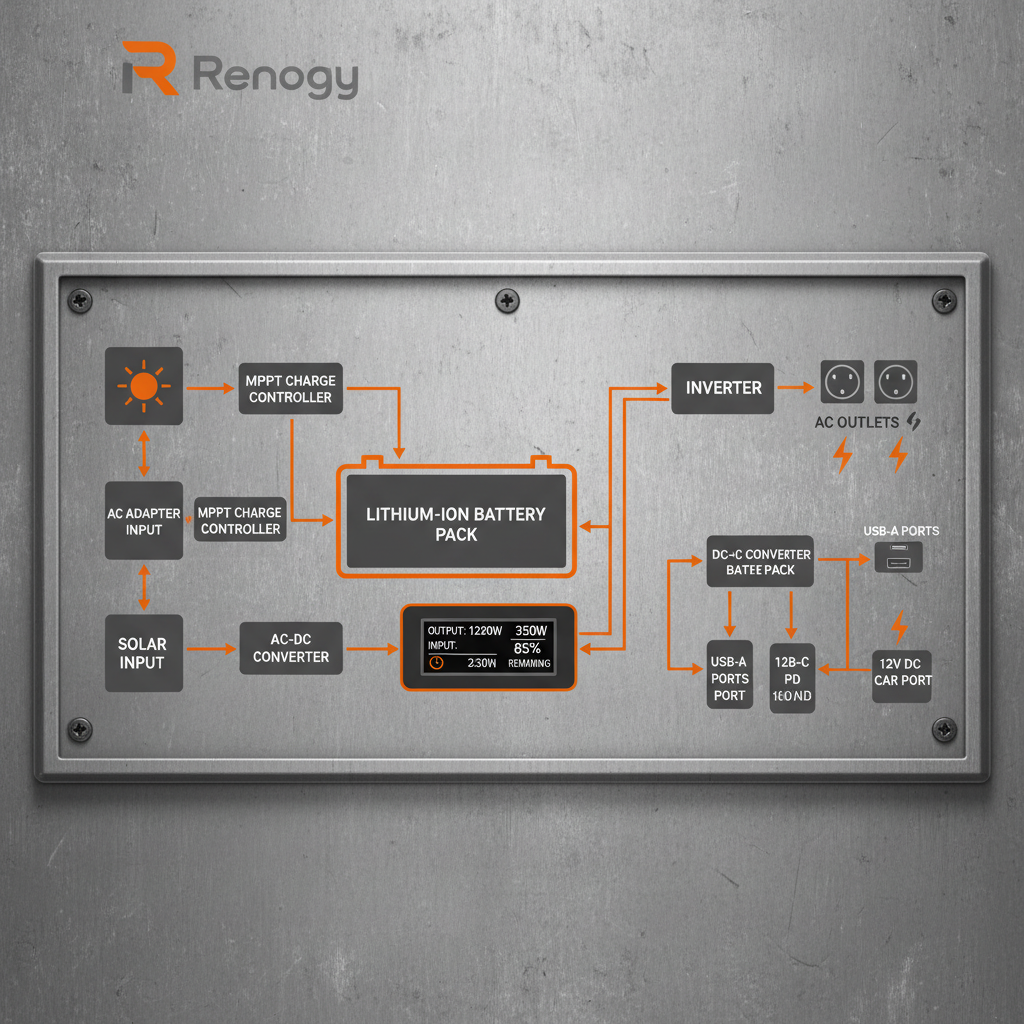
Understanding the Benefits of Renogy Portable Power Stations
Renogy portable power stations stand out due to their numerous advantages. They are environmentally friendly, producing zero emissions, unlike gas-powered generators. They’re also incredibly quiet, allowing you to enjoy your surroundings without disruptive noise. Their compact and lightweight design makes them easy to transport and store. Furthermore, Renogy stations are equipped with multiple charging ports, allowing you to power a variety of devices simultaneously. They offer a convenient and reliable power source for outdoor adventures, emergency preparedness, and even everyday use. Renogy’s commitment to quality makes their power stations a worthwhile investment.
Key Highlights: Zero emissions, quiet operation, compact design, multiple charging ports, reliable power source.
Choosing the Right Renogy Portable Power Station for Your Needs
Renogy offers a diverse range of portable power stations, each with different capacities and features. Selecting the right one depends on your specific power requirements. Consider the wattage of the devices you plan to power and the duration you need power for. Higher capacity stations are ideal for extended trips or powering larger appliances, while smaller stations are perfect for charging phones, tablets, and other small electronics. Features like AC outlets, USB ports, and DC outputs will also influence your choice. Exploring Renogy’s product line is the first step in finding the perfect fit.
Factors to Consider:
• Capacity (Wh): Determines how long you can power your devices.
• Output Wattage (W): Indicates the maximum power draw.
• Port Availability: Ensure enough ports for your devices.
• Recharge Time: How quickly can you recharge the station?
Renogy Portable Power Station Comparison
Comparing different Renogy models helps visualize the key differences. The table below outlines some popular options:
Practical Applications of a Renogy Portable Power Station
The versatility of a Renogy portable power station extends to numerous applications. Campers can power lights, fans, and small appliances. RV owners can supplement their existing power systems. During power outages, these stations provide a lifeline for essential devices like phones, medical equipment, and refrigerators. Photographers can rely on them to charge camera batteries and laptops in remote locations. Furthermore, they’re invaluable for emergency preparedness, providing a reliable power source when grid power is unavailable.
Charging and Maintenance Tips for Your Renogy Station
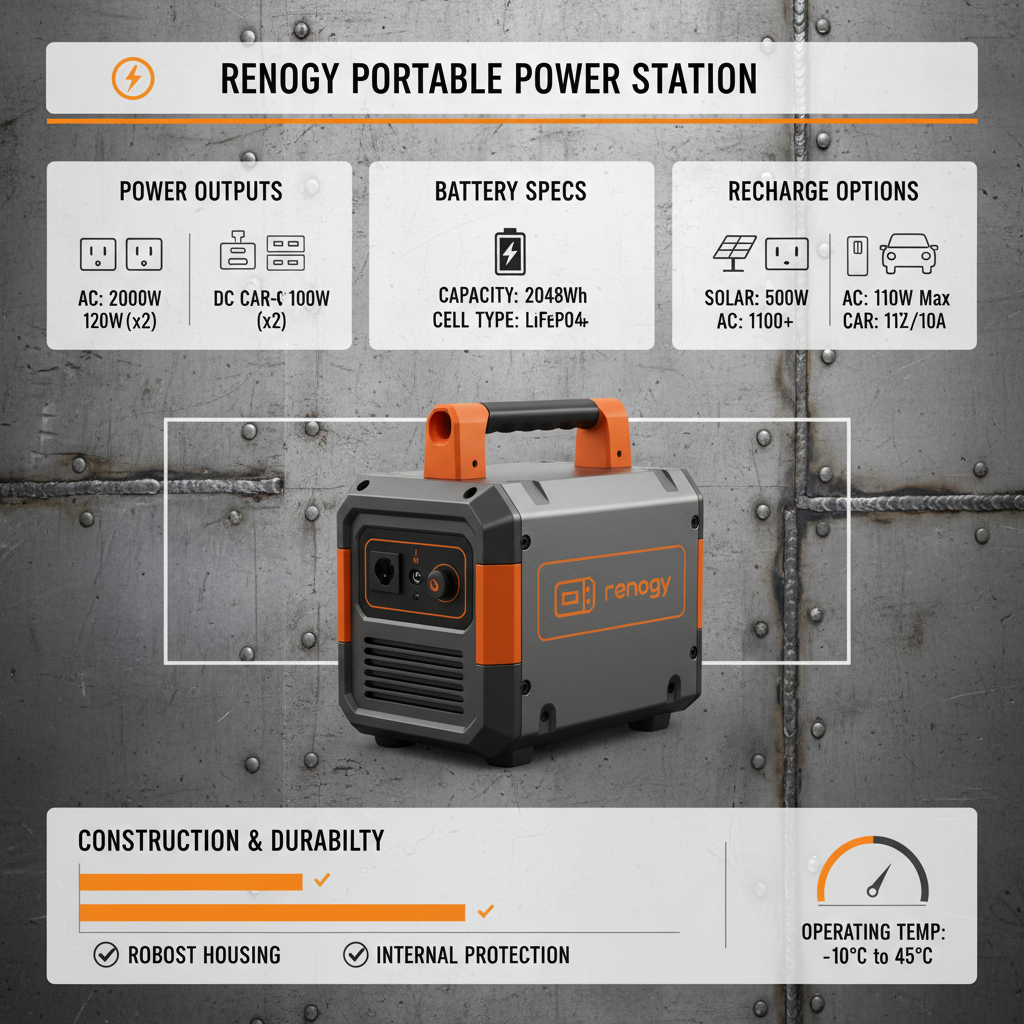
To maximize the lifespan and performance of your Renogy portable power station, proper charging and maintenance are essential. Regularly check the battery level and avoid fully discharging the station, as this can reduce its capacity over time. Store the station in a cool, dry place, away from direct sunlight and extreme temperatures. Use the recommended charger and charging cables provided by Renogy. Periodically clean the exterior of the station with a soft, damp cloth. Following these simple guidelines will ensure your Renogy power station remains a reliable power source for years to come.
Conclusion: Empowering Your Life with Renogy
The Renogy portable power station is more than just a power source; it's a gateway to freedom and reliability. Whether you're exploring the outdoors, preparing for emergencies, or simply seeking a convenient power solution, Renogy offers a wide range of stations to meet your needs. Investing in a Renogy station empowers you to stay connected, powered, and prepared for anything life throws your way.
Frequently Asked Questions (FAQs)
How long will a Renogy power station hold a charge?
The charge retention varies depending on the model and usage. Generally, a fully charged Renogy power station can hold its charge for several months without significant loss, but it's recommended to recharge it at least every 3-6 months to maintain optimal battery health. Factors like temperature and self-discharge rate can affect the retention period. Regularly checking the battery level and recharging as needed will ensure it's ready when you need it.
Can I use a Renogy power station to power larger appliances?
Yes, you can, but it depends on the wattage of the appliance and the output wattage of the power station. Ensure the appliance's wattage is within the power station's capacity. Some appliances, like refrigerators and air conditioners, have a surge wattage requirement (the initial power needed to start), which is higher than their running wattage. The power station must be able to handle this surge. Refer to the power station's specifications and the appliance's label to ensure compatibility.
How can I recharge a Renogy portable power station?
Renogy power stations can be recharged in multiple ways. You can use an AC wall outlet with the included AC adapter, a solar panel (sold separately), or a 12V car charger. The charging time varies depending on the charging method and the power station's capacity. Solar charging is an excellent option for off-grid situations, offering a sustainable and environmentally friendly way to replenish the battery.
-
Cedar Point EV Charging Solutions for Sustainable Tourism Experience
NewsApr.16,2026
-
Guide to Cedar Point Charging Stations for EV Park Visitors
NewsApr.16,2026
-
Acorn Stairlift Charging Point Guide for Home Mobility Optimization
NewsApr.16,2026
-
Integrating a Wireless Charging Point into Modern Infrastructure
NewsApr.16,2026
-
How to Optimize Your iPhone 14 Charging Point for Efficiency
NewsApr.16,2026
-
Analyzing the Charging Point Share Price Trends and Market Outlook
NewsApr.09,2026