


Sep . 23, 2025 09:50 Back to list
Smart Energy Management System (EMS): Boost Efficiency & Savings
Advancing Industrial Efficiency with Integrated Energy Management Systems
In the rapidly evolving industrial landscape, optimizing energy consumption is no longer merely an operational advantage but a strategic imperative. Businesses across sectors are increasingly recognizing the profound impact of energy costs on profitability and environmental footprint. This has driven significant demand for sophisticated solutions capable of granular monitoring, analysis, and control of energy flows. A robust energy management system (EMS) stands at the forefront of this transformation, offering a comprehensive framework to enhance operational efficiency, ensure regulatory compliance, and mitigate energy waste.
The contemporary market for EMS solutions is characterized by rapid technological advancements, including the integration of AI, machine learning, and IoT. These innovations enable predictive analytics, automated demand response, and intelligent resource allocation, moving beyond traditional reactive energy monitoring. The shift towards sustainable practices and stringent carbon emission targets further accelerates the adoption of these systems, making them indispensable for organizations striving for both economic resilience and environmental stewardship. The increasing complexity of energy grids, combined with the proliferation of distributed energy resources, mandates a centralized, intelligent approach to energy governance.
Furthermore, the emergence of specialized solutions such as oem energy management system offerings caters to the unique demands of equipment manufacturers, allowing them to embed sophisticated energy intelligence directly into their products. This not only enhances product value but also provides end-users with out-of-the-box capabilities for optimized energy usage, extending the reach and impact of EMS technology across the entire value chain.
Comprehensive Process Flow: From Raw Materials to Integrated EMS
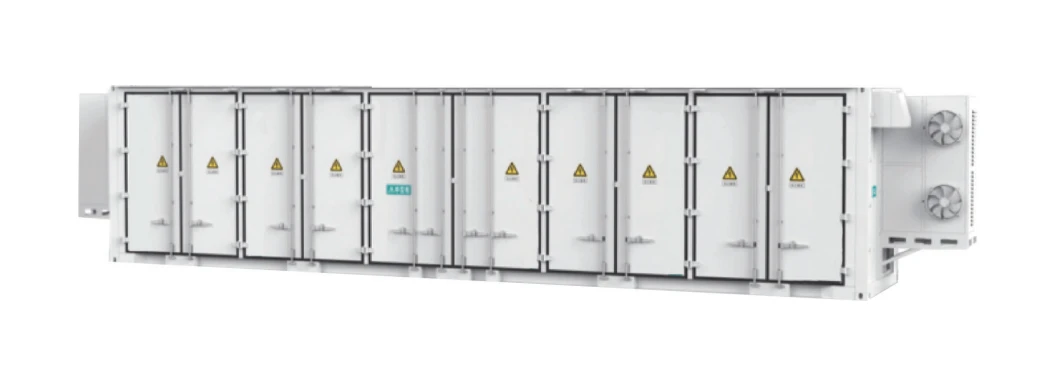
The development and deployment of a high-performance energy management system involve a meticulously engineered process, ensuring reliability, precision, and longevity. Our commitment to ISO 9001 and ISO 14001 certified manufacturing standards underpins every stage, from material selection to final validation. The core components of our centralized energy storage system, which integrates seamlessly with EMS, are manufactured to exacting specifications.
I. Material Selection & Procurement
Only industrial-grade, certified materials are procured. For critical components like battery enclosures and power conditioning system (PCS) housings, we utilize high-strength aluminum alloys (e.g., Al6061-T6 for structural integrity and heat dissipation) and corrosion-resistant stainless steel (e.g., SS316L for harsh petrochemical environments). Printed Circuit Boards (PCBs) are manufactured with FR-4 grade laminates, ensuring electrical insulation and thermal stability. All materials conform to RoHS and REACH directives.
II. Component Manufacturing & Assembly
Casting & Forging: For structural components, precision casting of aluminum alloys ensures optimal strength-to-weight ratios. Forging processes are applied to critical connectors and mounting hardware for enhanced durability and fatigue resistance, particularly vital in metallurgy and petrochemical applications.
CNC Machining: High-precision CNC machining is employed for enclosures, heatsinks, and complex mechanical parts. Tolerances are maintained within ±0.02 mm, crucial for ensuring perfect fitment, thermal management, and ingress protection (e.g., IP65 rating for outdoor units).
PCB Fabrication & SMT: Automated Surface Mount Technology (SMT) lines ensure precise placement of microcontrollers, sensors, and communication modules onto multi-layer PCBs. This stage is critical for the EMS's data acquisition and processing capabilities.
Module Assembly: Individual modules (e.g., data acquisition units, communication gateways, control logic boards) are assembled in a cleanroom environment to prevent contamination, crucial for electronic component reliability.
Software Integration: The proprietary EMS software, incorporating algorithms for predictive maintenance, demand-side management, and energy optimization, is loaded and configured onto the hardware platforms.
III. Rigorous Testing & Quality Assurance
Our testing protocols exceed industry benchmarks to guarantee a service life of 15-20 years for core EMS hardware components and continuous operational stability. Testing standards include:
- ISO 17025: Calibration and testing procedures for accuracy and repeatability of sensor data.
- ANSI/UL Standards: Electrical safety, fire resistance, and environmental stress testing for components (e.g., UL 94V-0 for flame retardancy).
- IEC 61850 & Modbus Compatibility: Ensuring seamless communication protocol integration for industrial automation.
- Environmental Stress Screening (ESS): Thermal cycling, vibration, and humidity testing to simulate harsh operational conditions, particularly relevant for applications in petrochemical and metallurgy sectors.
- Electromagnetic Compatibility (EMC/EMI): Compliance with IEC 61000 standards to prevent interference in sensitive industrial environments.
IV. Target Industries & Advantages
Our energy management system solutions are specifically engineered for resilience and performance in demanding B2B environments:
- Petrochemical: Advantages include corrosion resistance from specialized coatings on enclosures and components, explosion-proof certifications (ATEX/IECEx compliant options), and enhanced safety through real-time monitoring of critical loads and process parameters. Achieves up to 15% energy savings through optimized pump and compressor scheduling.
- Metallurgy: Robust design withstands high temperatures and dust. Focus on energy saving by optimizing arc furnaces, rolling mills, and induction heating processes. Predictive maintenance capabilities reduce downtime by forecasting equipment failures based on energy signatures.
- Water Supply & Drainage: High reliability in remote and often harsh environments. Energy savings (up to 20%) are realized by intelligent control of pumps, blowers, and treatment processes based on real-time demand and tariff structures. Corrosion resistance is paramount for sensor and actuator longevity.
- Manufacturing & Data Centers: Precision control over HVAC, lighting, and machinery. Critical for minimizing PUE (Power Usage Effectiveness) in data centers and reducing operational expenditure in continuous manufacturing lines.
Technical Specifications & Performance Parameters
Our energy management system integrates seamlessly with existing infrastructure, providing a comprehensive overview and granular control over energy assets. Below are key technical parameters and specifications demonstrating the system's robust capabilities.
| Parameter | Specification | Description |
|---|---|---|
| Communication Protocols | Modbus TCP/RTU, OPC UA, BACnet, MQTT, IEC 61850 | Broad compatibility with industrial equipment and SCADA systems. |
| Data Logging Capacity | >10 years at 1-minute intervals (on-premise), cloud scalable | Historical data retention for trend analysis and compliance. |
| Sampling Rate | Up to 100 ms for critical parameters | High-resolution data for precise control and fault detection. |
| Analog Inputs/Outputs | Configurable 4-20mA, 0-10V (scalable modules) | Flexible integration with a wide range of industrial sensors and actuators. |
| Operating Temperature Range | -20°C to +60°C (Industrial Grade) | Ensures reliable operation in diverse industrial environments. |
| Power Supply | 100-240 VAC, 50/60 Hz; Optional 24 VDC | Standard industrial power compatibility with redundancy options. |
| Software Platform | Web-based HMI, Mobile App, API for 3rd-party integration | Intuitive user interface for monitoring, control, and data visualization. |
| Analytics & AI | Predictive maintenance, anomaly detection, energy forecasting, demand response optimization | Leverages advanced algorithms for proactive energy management. |
Illustrative Application Scenarios
The versatility of our energy management system extends across a myriad of industrial and commercial applications, each benefiting from tailored optimization strategies.
-
Smart Factory Optimization
In a modern smart factory, an EMS continuously monitors energy consumption of individual machines, production lines, and entire facilities. By integrating with manufacturing execution systems (MES), it identifies peak load times, proposes load shifting strategies, and optimizes machine scheduling to reduce demand charges. For example, non-critical operations can be automatically scheduled during off-peak hours, leading to significant cost savings and reduced carbon footprint. Real-time anomaly detection can pinpoint malfunctioning equipment that consumes excessive energy, flagging it for preventative maintenance before a catastrophic failure.
-
Renewable Energy Integration & Microgrids
For facilities incorporating solar PV, wind turbines, or combined heat and power (CHP) units, an EMS is crucial for managing the intermittency and variability of renewable sources. It intelligently dispatches energy from battery storage, optimizes grid interaction, and ensures power quality within a microgrid. This includes forecasting renewable generation, managing state-of-charge (SoC) for battery energy storage systems (BESS), and prioritizing loads to maintain operational stability during grid outages or high-cost periods. The centralized energy management system ems ensures seamless transition between grid-tied and islanded modes, enhancing energy independence and resilience.
-
Commercial Building HVAC & Lighting Control
In large commercial complexes, an EMS integrates with Building Management Systems (BMS) to optimize HVAC, lighting, and plug load energy consumption. Using occupancy sensors, weather forecasts, and historical data, it adjusts setpoints, controls zone temperatures, and dims lights, minimizing waste. Predictive algorithms learn occupant behavior and adjust schedules proactively, often resulting in 20-30% energy reduction without compromising comfort. This is particularly valuable for large office buildings, retail centers, and hospitality venues.
Key Technical Advantages of Our EMS Solution
- Advanced AI-Driven Analytics: Our energy management system ems leverages proprietary AI and machine learning algorithms for real-time anomaly detection, predictive maintenance, and optimized energy forecasting. This moves beyond simple monitoring, enabling proactive decision-making and automated load management to prevent energy waste and anticipate equipment failures.
- Seamless Integration & Scalability: Designed with an open architecture, our EMS supports a multitude of industrial communication protocols (Modbus, OPC UA, IEC 61850). This ensures effortless integration with existing SCADA, DCS, and ERP systems. The modular design allows for scalable deployment, from individual assets to enterprise-wide energy networks, accommodating future expansion without costly overhauls.
- Robust Cybersecurity Framework: Recognizing the critical nature of industrial control systems, our EMS incorporates multi-layered cybersecurity protocols, including data encryption (TLS 1.2+), role-based access control, and regular vulnerability assessments. This protects sensitive operational data and prevents unauthorized access, ensuring the integrity and reliability of energy operations.
- Customizable Dashboards & Reporting: Intuitive web-based HMI and mobile applications provide customizable dashboards that deliver actionable insights. Users can define key performance indicators (KPIs), generate compliance reports (e.g., ISO 50001, carbon emissions), and visualize energy consumption patterns with ease, empowering data-driven decisions.
- High Reliability & Redundancy: Engineered for continuous operation in demanding environments, our hardware components feature industrial-grade specifications, including extended temperature ranges and robust enclosures. Optional redundant power supplies and communication links ensure uninterrupted data acquisition and control, minimizing downtime and safeguarding critical operations.
Vendor Comparison: Differentiating EMS Solutions
Choosing the right energy management system vendor is a critical strategic decision. While many providers offer compelling features, distinguishing factors often lie in the depth of integration, customization flexibility, and the robustness of post-implementation support. Below is a comparative overview highlighting key differentiators.
| Feature/Vendor | Our Solution | Generic EMS Provider A | Specialized Niche Provider B |
|---|---|---|---|
| AI/ML Predictive Analytics | Comprehensive & Integrated: Advanced, proprietary algorithms for forecasting, anomaly detection, and optimization across all assets. | Basic forecasting, limited anomaly detection, often requires manual configuration. | Strong in specific asset classes (e.g., HVAC), limited enterprise-wide application. |
| Integration Capabilities | Broad & Open API: Modbus, OPC UA, BACnet, MQTT, IEC 61850. Fully documented API for custom integrations. | Primarily Modbus/BACnet, limited API access or proprietary protocols. | Deep integration with specific vendor hardware, less flexible for third-party systems. |
| Customization & OEM Support | High Flexibility: Customizable dashboards, reports, control logic, and dedicated oem energy management system development support. | Limited configuration options, standardized reports, minimal OEM engagement. | Product-specific customization, but not for broader enterprise EMS adaptation. |
| Scalability & Architecture | Modular & Distributed: Supports cloud, edge, and hybrid deployments. Scales from small sites to multi-site enterprises. | Centralized, sometimes monolithic architecture, challenging for large-scale or distributed deployments. | Designed for specific plant size/type, often not adaptable for significant growth. |
| Cybersecurity | Industry-Leading: TLS 1.2+, role-based access, regular audits, secure boot, firmware signing. | Standard network security, sometimes lacks deeper industrial control system (ICS) specific protections. | Variable, depends heavily on product focus, may not cover enterprise IT/OT convergence. |
Customized Solutions & Strategic Partnerships
Understanding that no two industrial operations are identical, we specialize in delivering highly customized energy management system solutions. Our approach begins with a comprehensive energy audit and stakeholder consultation to precisely define operational requirements, energy objectives, and integration points.
Whether it's designing bespoke data acquisition modules for legacy equipment, developing custom AI models for specific industrial processes (e.g., optimizing blast furnace energy in metallurgy or refining process in petrochemical), or creating tailored user interfaces for different departments, our engineering team works closely with clients. We also offer specialized oem energy management system packages, allowing equipment manufacturers to embed our core EMS technology directly into their products, providing a competitive edge and immediate value to their end-users. This includes white-labeling options, co-development of firmware, and dedicated API access for deeper hardware-software synergy.
Our strategic partnerships with leading automation providers, sensor manufacturers, and cloud service platforms (e.g., Microsoft Azure, AWS for hybrid cloud deployments) ensure that our customized solutions are not only cutting-edge but also fully compatible and future-proof. These collaborations allow us to leverage best-in-class technologies and provide comprehensive, end-to-end solutions that address the most complex energy challenges.
Real-World Application Case Studies
-
Case Study 1: Large-Scale Petrochemical Complex
Challenge: A major petrochemical producer faced escalating energy costs and challenges in maintaining consistent energy supply for critical processes, coupled with stringent environmental regulations.
Solution: We deployed an enterprise-wide energy management system ems across their entire complex, integrating over 5,000 data points from process control systems, utility meters, and localized sensors. The system included advanced modules for steam and compressed air optimization, demand-side management, and real-time power factor correction.
Results: Within 18 months, the complex achieved a verified 12.5% reduction in overall energy consumption, leading to annual savings exceeding $3.5 million. Carbon emissions were reduced by 9,800 tons per year. The system's predictive analytics also contributed to a 20% reduction in unplanned downtime for major utility equipment.
Client Feedback: "The comprehensive EMS provided unparalleled visibility and control. It transformed our approach to energy from a cost center to a strategic asset." - Chief Operating Officer.
-
Case Study 2: Municipal Water Treatment Plant
Challenge: A municipal water treatment plant struggled with high electricity costs due to continuous pump operation and variable demand. Manual control led to inefficiencies and suboptimal energy procurement.
Solution: Our EMS was implemented to manage the plant's pumps, blowers, and chemical dosing systems. It integrated with real-time water flow sensors, tank levels, and electricity tariff data. The system's AI algorithms optimized pump scheduling based on demand forecasts and time-of-use (TOU) tariffs, utilizing a centralized energy storage system for peak shaving and load shifting.
Results: The plant achieved an average 18% reduction in electricity costs, amounting to over $750,000 in annual savings. The automated optimization improved operational stability and reduced manual intervention by staff. The integration with the centralized energy storage system ensured uninterrupted critical operations during minor grid fluctuations.
Client Feedback: "The EMS has revolutionized our operational efficiency. We now have intelligent control over our largest energy consumers, leading to significant financial and environmental benefits." - Plant Manager.
Frequently Asked Questions (FAQ)
Q1: What is the typical ROI period for an energy management system?
A1: ROI periods vary based on the scale of deployment and initial energy consumption, but clients typically experience payback within 18-36 months due to significant energy cost reductions, improved operational efficiency, and reduced maintenance. Our solutions often yield immediate operational savings upon deployment.
Q2: Is your EMS compatible with existing legacy equipment?
A2: Yes, our energy management system ems is designed for high compatibility. We support a wide array of communication protocols (Modbus, OPC UA, BACnet, etc.) and offer custom integration services, including developing specific data acquisition modules or gateways, to ensure seamless integration with most legacy and modern industrial assets.
Q3: How secure is the data handled by the EMS?
A3: Cybersecurity is a paramount concern. Our EMS employs multi-layered security measures, including end-to-end data encryption (TLS 1.2+), robust access control mechanisms, regular security audits, and compliance with industry best practices to protect sensitive operational data from cyber threats.
Q4: Do you offer training and ongoing support for the EMS?
A4: Absolutely. We provide comprehensive training programs for client personnel, covering system operation, maintenance, and advanced analytics. Our dedicated customer support team offers 24/7 technical assistance, remote monitoring, and regular software updates to ensure continuous optimal performance.
Lead Time, Warranty, and Customer Support
- Lead Time & Fulfillment: Standard EMS hardware components and software licenses typically have a lead time of 4-8 weeks, depending on configuration and customization requirements. Full system deployment, including site assessment, installation, and commissioning, generally takes 8-16 weeks. We work closely with clients to establish realistic timelines and ensure timely project completion, with transparent progress reporting.
- Warranty Commitments: All our EMS hardware components come with a standard 3-year warranty against manufacturing defects, extendable to 5 years with a service contract. Software licenses include 1 year of free updates and bug fixes, renewable annually. Our commitment to quality, backed by ISO 9001 certification, ensures long-term reliability and peace of mind.
- Dedicated Customer Support: Our global support team provides round-the-clock technical assistance through multiple channels: dedicated phone lines, email, and a secure online portal. We offer tiered support packages, including remote diagnostics, on-site service calls, and proactive system health monitoring to ensure maximum uptime and operational continuity for your energy management system. Each client is assigned a dedicated account manager for personalized service.
References
- International Organization for Standardization (ISO). ISO 50001:2018 Energy management systems – Requirements with guidance for use.
- U.S. Department of Energy. "Energy Management Information Systems (EMIS)." Retrieved from https://www.energy.gov/eere/buildings/energy-management-information-systems-emis
- Institute of Electrical and Electronics Engineers (IEEE). "IEEE Standards for Power & Energy." Retrieved from https://standards.ieee.org/industry-connections/power-energy.html
- European Commission. "Energy Efficiency Directives and Policies." Retrieved from https://ec.europa.eu/energy/topics/energy-efficiency_en
-
Cedar Point EV Charging Solutions for Sustainable Tourism Experience
NewsApr.16,2026
-
Guide to Cedar Point Charging Stations for EV Park Visitors
NewsApr.16,2026
-
Acorn Stairlift Charging Point Guide for Home Mobility Optimization
NewsApr.16,2026
-
Integrating a Wireless Charging Point into Modern Infrastructure
NewsApr.16,2026
-
How to Optimize Your iPhone 14 Charging Point for Efficiency
NewsApr.16,2026
-
Analyzing the Charging Point Share Price Trends and Market Outlook
NewsApr.09,2026