

Mar . 26, 2026 01:55 Back to list
The Better Energy Storage Technology Act Accelerates US Energy Innovation
The Better Energy Storage Technology Act: A Deep Dive
The Better Energy Storage Technology (BEST) Act represents a significant step towards accelerating the deployment of crucial energy storage solutions. This legislation, designed to bolster domestic manufacturing and innovation in the energy storage sector, has far-reaching implications for grid reliability, renewable energy integration, and national security. This article explores the key provisions of the BEST Act, its potential benefits, and how companies like ACDC BESS are poised to contribute to its success. Understanding this Act is vital for anyone involved in renewable energy, grid modernization, or the broader energy sector.

Understanding the Core Components of the BEST Act
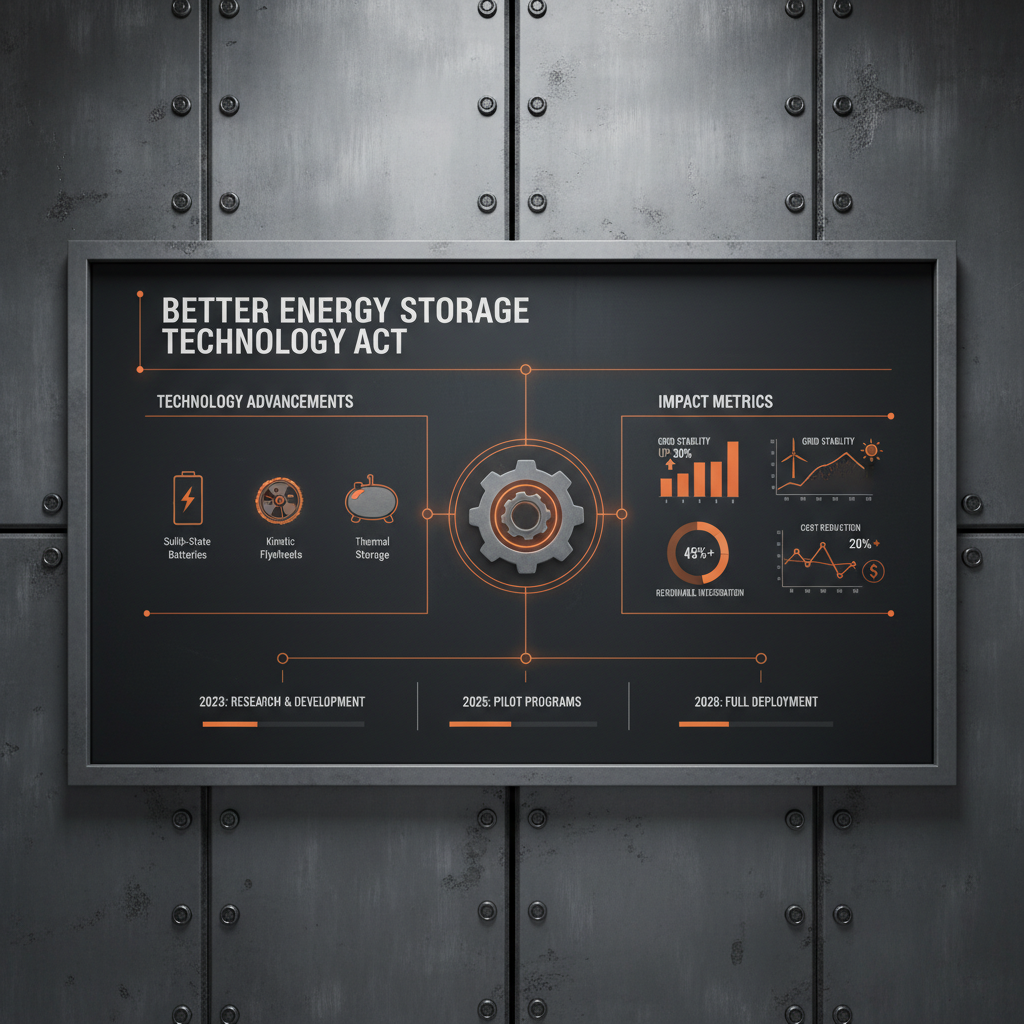
The BEST Act focuses on several key areas. Primarily, it introduces tax credits for the domestic production of battery components – including cells, modules, and battery packs. These credits aim to incentivize manufacturers to bring production back to the United States, reducing reliance on foreign supply chains. Furthermore, the Act supports research and development (R&D) in advanced energy storage technologies, such as solid-state batteries and flow batteries. Finally, the BEST Act invests in workforce development programs to train a skilled workforce capable of supporting the growing energy storage industry. These combined efforts are designed to create a self-sufficient and resilient energy storage ecosystem within the US.
Tax Credits for Domestic Manufacturing
A cornerstone of the BEST Act is the introduction of manufacturing tax credits. These credits are designed to significantly lower the cost of producing battery components within the United States, making domestic manufacturing more competitive. The specifics of the tax credits – including the percentage of eligible costs covered and the duration of the credit – are crucial details for manufacturers considering expanding or relocating production facilities. ACDC BESS is actively evaluating how these tax credits can be leveraged to enhance our domestic supply chain and reduce production costs.
Key Tax Credit Highlights: Incentivizes domestic production of battery components, Reduces reliance on foreign supply chains, Supports job creation in the US energy sector.
R&D Funding for Next-Generation Technologies
The BEST Act doesn't just focus on current battery technologies. It also allocates substantial funding to research and development, encouraging innovation in next-generation energy storage solutions. This includes support for research into solid-state batteries, which promise higher energy density and improved safety; flow batteries, offering long-duration storage capabilities; and other emerging technologies. This R&D investment is critical for maintaining US leadership in the global energy storage market and paving the way for more efficient and sustainable energy systems. ACDC BESS is committed to exploring and integrating these innovative technologies into our product offerings.
R&D Investment Areas:
• Solid-State Batteries
• Flow Batteries
• Advanced Materials
• Battery Management Systems
Impact of the BETTER Energy Storage Technology Act on ACDC BESS
The BEST Act is strategically aligned with ACDC BESS’s commitment to delivering cutting-edge energy storage solutions. We anticipate leveraging the manufacturing tax credits to expand our domestic production capacity and reduce costs, ultimately benefiting our customers. The R&D funding opportunities will enable us to accelerate our work on innovative battery technologies and integrate them into our BESS (Battery Energy Storage Systems). Furthermore, the workforce development programs will help us attract and train a skilled workforce to support our growth and maintain our high standards of quality and performance.
The Broader Implications for the Energy Storage Industry
The BEST Act is expected to have a transformative impact on the entire energy storage industry. By bolstering domestic manufacturing, reducing costs, and fostering innovation, it will accelerate the deployment of energy storage solutions across the grid. This will enable greater integration of renewable energy sources, enhance grid reliability and resilience, and contribute to a cleaner, more sustainable energy future. The Act also strengthens national security by reducing reliance on foreign energy supply chains. This legislation is a pivotal moment for the US energy sector, and ACDC BESS is proud to be a part of this evolution.
Conclusion: A Brighter Future Powered by Energy Storage
The Better Energy Storage Technology Act is a landmark piece of legislation that will significantly accelerate the growth and innovation of the energy storage industry. By incentivizing domestic manufacturing, supporting R&D, and investing in workforce development, the Act is poised to create a more resilient, sustainable, and secure energy future. ACDC BESS is committed to playing a leading role in this transformation, delivering innovative and reliable energy storage solutions that meet the evolving needs of our customers and contribute to a cleaner planet.
Frequently Asked Questions (FAQs)
What are the primary goals of the BEST Act?
The primary goals of the BETTER Energy Storage Technology Act are to bolster domestic manufacturing of battery components, support research and development of advanced energy storage technologies, and invest in workforce development programs to create a skilled workforce for the industry. Ultimately, the Act aims to strengthen the US energy storage supply chain, enhance grid reliability, and accelerate the transition to a clean energy economy. The Act is strategically designed to reduce US reliance on foreign sources for crucial battery materials and components, ensuring a more secure and resilient energy future.
How will the BEST Act affect the cost of energy storage systems?
The BEST Act is expected to lower the cost of energy storage systems through manufacturing tax credits. These credits incentivize domestic production, reducing production costs for battery components. As domestic manufacturing scales up and competition increases, the overall cost of batteries and BESS is projected to decrease. Lower costs will make energy storage more accessible and affordable, accelerating its deployment across various applications, including grid-scale storage, residential solar-plus-storage, and electric vehicle charging infrastructure.
What types of energy storage technologies will benefit from the R&D funding?
The R&D funding under the BEST Act will support a wide range of advanced energy storage technologies. Key areas of focus include solid-state batteries, flow batteries, lithium-sulfur batteries, and other emerging technologies with the potential to offer higher energy density, improved safety, longer lifespans, and lower costs. Funding will also be allocated to research on advanced materials, battery management systems, and innovative manufacturing processes to improve the performance and affordability of energy storage solutions.
-
Cedar Point EV Charging Solutions for Sustainable Tourism Experience
NewsApr.16,2026
-
Guide to Cedar Point Charging Stations for EV Park Visitors
NewsApr.16,2026
-
Acorn Stairlift Charging Point Guide for Home Mobility Optimization
NewsApr.16,2026
-
Integrating a Wireless Charging Point into Modern Infrastructure
NewsApr.16,2026
-
How to Optimize Your iPhone 14 Charging Point for Efficiency
NewsApr.16,2026
-
Analyzing the Charging Point Share Price Trends and Market Outlook
NewsApr.09,2026