

Apr . 09, 2026 01:55 Back to list
Ultimate Guide to Choosing the Right Charging Point App for EV
The Ultimate Guide to Choosing the Right Charging Point App
As the global transition toward electric mobility accelerates, the infrastructure supporting it must keep pace. Central to this ecosystem is the charging point app, a digital gateway that connects EV drivers with the energy they need. Whether you are a fleet manager, a commercial property owner, or an individual driver, understanding how these applications function is key to maximizing efficiency and reducing "range anxiety." In this comprehensive guide, we will explore the essential features of modern charging software and how integrating high-quality hardware with a seamless app experience can revolutionize the way we power our vehicles.
Core Functionalities of a Modern Charging Point App
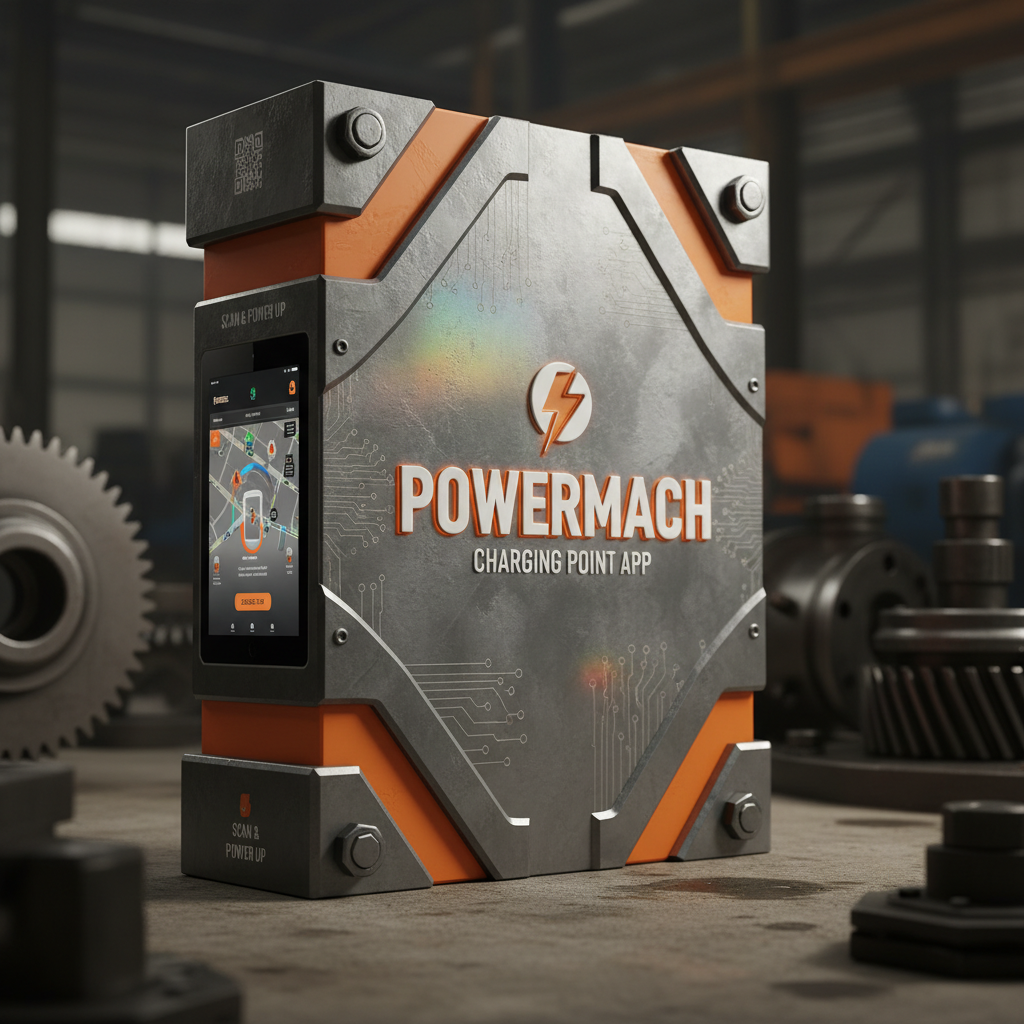
A professional-grade charging point app does more than just "start" and "stop" a session. It acts as a comprehensive management tool. Real-time availability is perhaps the most critical feature, allowing users to see which chargers are occupied before they arrive. Additionally, integrated payment gateways ensure a frictionless transaction process, supporting everything from credit cards to digital wallets. For business owners, the app provides backend analytics to monitor energy consumption and revenue generation, making the entire operation transparent and scalable.
Pro Tip: Look for apps that support OCPP (Open Charge Point Protocol). This ensures that your software can communicate with different brands of hardware, preventing vendor lock-in and allowing for future expansion.
How a Charging Point App Enhances User Experience
The gap between a frustrating charging experience and a seamless one often comes down to the software. A well-designed charging point app simplifies the user journey through intuitive navigation and smart notifications. For instance, "Push Notifications" can alert a user when their vehicle has reached 80% charge, allowing them to vacate the spot for another driver. This not only improves the individual experience but increases the overall throughput of the charging station, maximizing the utility of the installed hardware.
User-Centric Benefits:
• Route Planning: Automatic suggestions for charging stops based on battery level.
• Scheduled Charging: Setting charge times to take advantage of lower off-peak electricity rates.
• Remote Monitoring: Checking charging status from a smartphone without returning to the car.
Comparing App-Based Charging vs. Plug-and-Play Systems
While some basic chargers operate on a simple "plug-and-play" basis, the integration of a charging point app offers significantly more control and monetization opportunities. Plug-and-play systems are often limited to private home use, whereas app-integrated systems are essential for commercial environments. The ability to set different pricing tiers for members versus guests, or to restrict access via digital keys, transforms a simple electrical outlet into a smart business asset.
Technical Integration of Charging Point App and Hardware
The magic of a charging point app lies in its communication with the physical charger. This is typically achieved through a cloud-based server that relays commands via the internet. When a user clicks "Start Charging" on their phone, the app sends a request to the server, which then sends a signal to the charging station to engage the relay and begin the flow of electricity. This bidirectional communication also allows for Load Balancing—where the app manages the power distribution across multiple chargers to prevent overloading the local electrical grid.
Scaling Your Infrastructure with App-Driven Management
For enterprises looking to deploy dozens or hundreds of stations, a centralized charging point app is indispensable. It allows operators to perform Remote Diagnostics, identifying a faulty charger without sending a technician to the site. Furthermore, the ability to update firmware over-the-air (OTA) ensures that all stations are running the latest security patches and efficiency improvements. By leveraging data-driven insights from the app, businesses can determine where demand is highest and strategically place new charging points to maximize ROI.
Conclusion: Driving the Future with Smart Software
The synergy between high-performance charging hardware and a sophisticated charging point app is what truly enables the mass adoption of electric vehicles. By focusing on user accessibility, operator control, and technical scalability, these digital tools remove the friction from the charging process. As we move toward a greener future, investing in an integrated ecosystem—where software and hardware work in perfect harmony—is no longer optional; it is the foundation of a sustainable transport network.
Frequently Asked Questions (FAQs)
What happens if the charging point app loses internet connection?
Most professional charging systems include a "fail-safe" or offline mode. While the app is the primary interface, many stations support RFID cards as a backup. If the cloud connection is lost, the charger can often verify an RFID tag locally or continue a session that has already been authorized. However, for new sessions, a stable connection is usually required to handle secure payments and authorization. This is why we recommend using hardware and software from reliable providers like those found at ACDC BESS.
Can one charging point app manage chargers from different brands?
Yes, provided that the chargers are OCPP compliant. OCPP is the global industry standard that allows the software (the app/backend) to communicate with the hardware (the charger) regardless of the manufacturer. This interoperability is crucial for businesses that want to avoid being tied to a single hardware vendor. An OCPP-compliant app can monitor energy usage, start/stop sessions, and update firmware for a mixed fleet of chargers, ensuring a unified management experience.
How does a charging point app help in reducing electricity costs?
Many apps include "Smart Charging" features that allow for Peak Shaving and Load Shifting. The app can be programmed to slow down the charging speed during times of peak electricity demand (when prices are highest) and accelerate charging during off-peak hours. For commercial operators, this prevents expensive "demand charges" from the utility company. For end-users, it allows them to schedule their charging for the middle of the night when tariffs are lowest, significantly reducing the total cost of ownership for their EV.
Is it difficult to set up a custom app for a charging business?
Building a custom app from scratch can be expensive and time-consuming. However, many providers now offer "White Label" solutions. This allows a business to take a proven, professional charging point app and rebrand it with their own logos, colors, and pricing structures. This approach significantly reduces the time-to-market and ensures that the app is already tested for security and stability. By combining white-label software with high-quality hardware from ACDC BESS, you can launch a professional charging network quickly and efficiently.
-
Cedar Point EV Charging Solutions for Sustainable Tourism Experience
NewsApr.16,2026
-
Guide to Cedar Point Charging Stations for EV Park Visitors
NewsApr.16,2026
-
Acorn Stairlift Charging Point Guide for Home Mobility Optimization
NewsApr.16,2026
-
Integrating a Wireless Charging Point into Modern Infrastructure
NewsApr.16,2026
-
How to Optimize Your iPhone 14 Charging Point for Efficiency
NewsApr.16,2026
-
Analyzing the Charging Point Share Price Trends and Market Outlook
NewsApr.09,2026