


Apr . 09, 2026 01:55 Back to list
Understanding the Benefits of small scale mechanical energy storage
The Future of Energy: Understanding Small Scale Mechanical Energy Storage
As the global transition toward renewable energy accelerates, the challenge of intermittency has become a primary hurdle. While chemical batteries dominate the conversation, small scale mechanical energy storage offers a sustainable, long-life alternative for localized power management. Unlike traditional batteries that degrade over time, mechanical systems leverage physics—such as gravity, tension, and rotation—to store energy with minimal environmental impact. This guide explores how these innovative systems are reshaping energy efficiency for small businesses and residential applications.
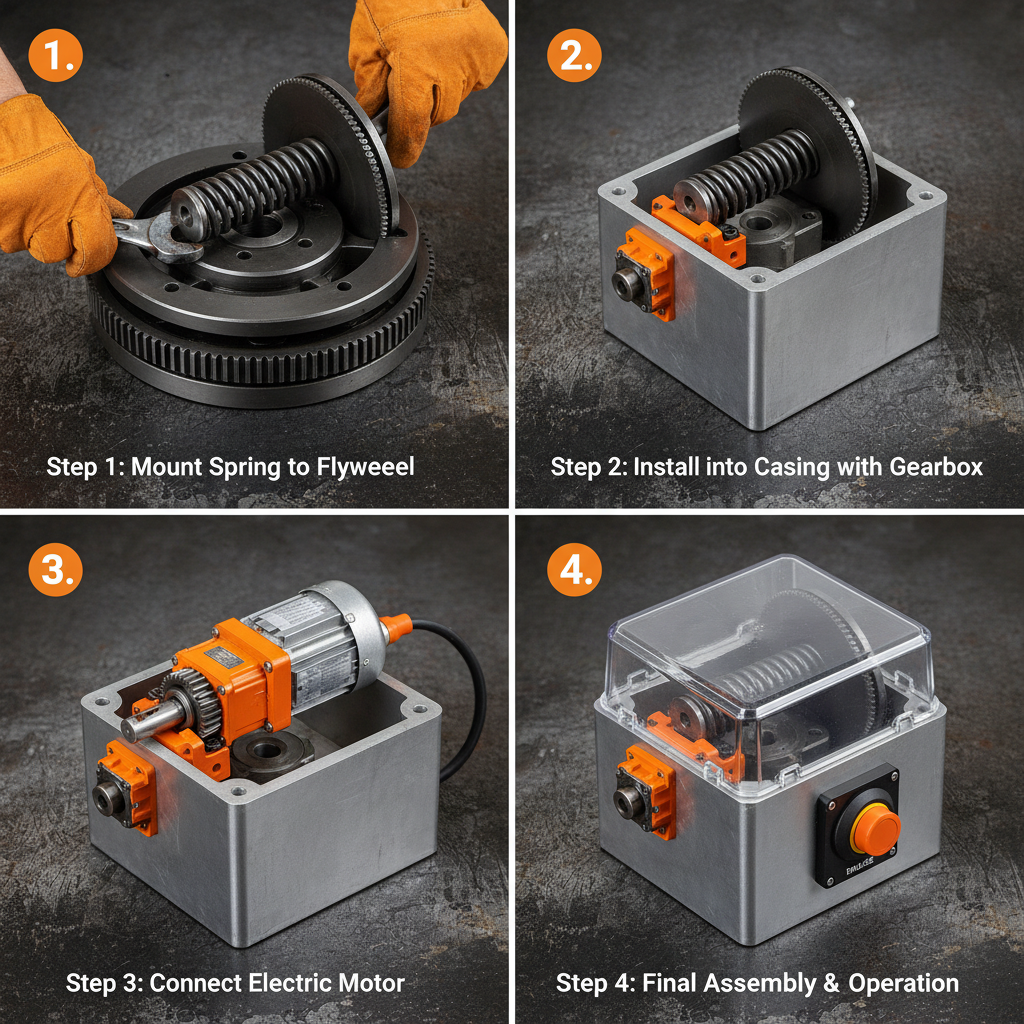
How Small Scale Mechanical Energy Storage Works
At its core, small scale mechanical energy storage converts electrical energy into a form of physical potential or kinetic energy. The most common methods include flywheel energy storage, where electricity spins a rotor at incredibly high speeds, and compressed air systems, which store energy in pressurized tanks. When power is needed, the process is reversed: the spinning rotor or expanding air drives a generator to produce electricity. This mechanical approach eliminates the need for rare-earth minerals and toxic chemicals, making it a "greener" choice for the modern grid.
Pro Tip: Mechanical storage is particularly effective for "frequency regulation," where rapid bursts of energy are needed to stabilize the electrical grid in milliseconds.
Comparing Mechanical vs. Chemical Storage Systems
When deciding between a battery and a small scale mechanical energy storage unit, the decision usually comes down to the cycle life and environmental footprint. Chemical batteries (like Lithium-ion) have a limited number of charge-discharge cycles before capacity drops. In contrast, mechanical systems can often operate for decades without significant degradation. This makes them ideal for high-cycle applications where reliability is non-negotiable.
Key Applications of Small Scale Mechanical Energy Storage
The versatility of small scale mechanical energy storage allows it to be deployed in various high-demand scenarios. For example, in data centers, flywheels provide an instantaneous bridge between a power failure and the startup of backup diesel generators, preventing server crashes. In off-grid homes, small-scale compressed air or gravity systems can store solar energy during the day to power lighting at night. These applications prove that mechanical storage is not just for massive dams or caverns, but is highly scalable for urban environments.
Technical Specifications for Small Scale Systems
When integrating small scale mechanical energy storage into a power network, technical precision is key. Depending on the technology—whether it is a flywheel or a spring-based system—specifications vary. However, most modern small-scale systems focus on maximizing energy density while minimizing the physical footprint. Below are the typical specifications found in high-efficiency compact mechanical storage units.
The Environmental Impact of Mechanical Storage
One of the strongest arguments for small scale mechanical energy storage is its sustainability. Conventional batteries rely on cobalt and lithium, the extraction of which often causes severe ecological damage and involves unethical labor practices. Mechanical systems, however, typically use steel, carbon fiber, and air. This not only reduces the carbon footprint during production but also simplifies the end-of-life process, as the components are almost entirely recyclable.
Eco-Benefits:
• Zero hazardous chemical leakage risks
• Drastic reduction in rare-earth metal dependency
• Lower total cost of ownership over 20 years
• Compatible with 100% renewable energy inputs
Challenges and Future Outlook
Despite the benefits, small scale mechanical energy storage faces challenges, primarily regarding energy density. Mechanical systems often require more physical space than a compact battery to store the same amount of energy. However, advancements in materials science—such as high-strength carbon composites for flywheels—are rapidly closing this gap. As these technologies mature, we expect to see them integrated into smart city infrastructure and electric vehicle auxiliary systems.
Conclusion: Transitioning to Sustainable Storage
Integrating small scale mechanical energy storage into our energy ecosystem is a strategic move toward true sustainability. By reducing our reliance on chemical batteries and embracing the laws of physics, we can create a more resilient and eco-friendly power grid. Whether for industrial stabilization or home backup, mechanical storage provides a durable, high-performance solution that stands the test of time. It is time to look beyond the battery and invest in the mechanical revolution.
Frequently Asked Questions (FAQs)
Is small scale mechanical energy storage safe for residential use?
Yes, these systems are generally very safe. While high-speed flywheels require robust containment housings to manage kinetic energy, they do not pose the "thermal runaway" or fire risks associated with lithium-ion batteries. Compressed air systems are also highly stable. When installed by professionals and adhering to safety standards, small scale mechanical energy storage is an excellent, non-flammable alternative for homes and small businesses.
How does the cost of mechanical storage compare to batteries?
The initial investment for mechanical systems can sometimes be higher than for mass-produced chemical batteries. However, the Total Cost of Ownership (TCO) is often much lower. Because mechanical systems do not need to be replaced every few years due to degradation, the cost per cycle is significantly lower. For businesses that require frequent charging and discharging, mechanical storage pays for itself much faster than chemical alternatives.
Can these systems be integrated with existing solar panels?
Absolutely. small scale mechanical energy storage units can be paired with any renewable energy source. They act as a buffer, taking the fluctuating DC or AC output from solar panels and storing it as mechanical energy. This ensures a steady flow of power to your appliances even during cloudy periods or at night, enhancing the overall efficiency of your renewable energy setup.
What maintenance is required for mechanical storage systems?
Maintenance is generally minimal but focuses on physical components. For flywheels, this might include checking the vacuum seals or magnetic bearings. For compressed air systems, it involves monitoring valve integrity and pressure levels. Unlike batteries, which require complex software management for cell balancing, mechanical maintenance is straightforward and typically involves standard mechanical inspections every 1-2 years.
-
Cedar Point EV Charging Solutions for Sustainable Tourism Experience
NewsApr.16,2026
-
Guide to Cedar Point Charging Stations for EV Park Visitors
NewsApr.16,2026
-
Acorn Stairlift Charging Point Guide for Home Mobility Optimization
NewsApr.16,2026
-
Integrating a Wireless Charging Point into Modern Infrastructure
NewsApr.16,2026
-
How to Optimize Your iPhone 14 Charging Point for Efficiency
NewsApr.16,2026
-
Analyzing the Charging Point Share Price Trends and Market Outlook
NewsApr.09,2026