

Mar . 09, 2026 01:55 Back to list
Choosing the Best Inverter Power Supply for Home Use and Energy Independence
Choosing the Right Inverter Power Supply for Home
Reliable power is crucial for modern homes, and a quality inverter power supply is the cornerstone of uninterrupted electricity. This article provides a comprehensive guide to selecting the best inverter for your home's needs, covering different types, key specifications, and important considerations. We'll explore how inverters safeguard your appliances during power outages and contribute to energy independence. Investing in the right inverter ensures peace of mind and protects your valuable electronics.
Understanding Inverter Power Supply Types
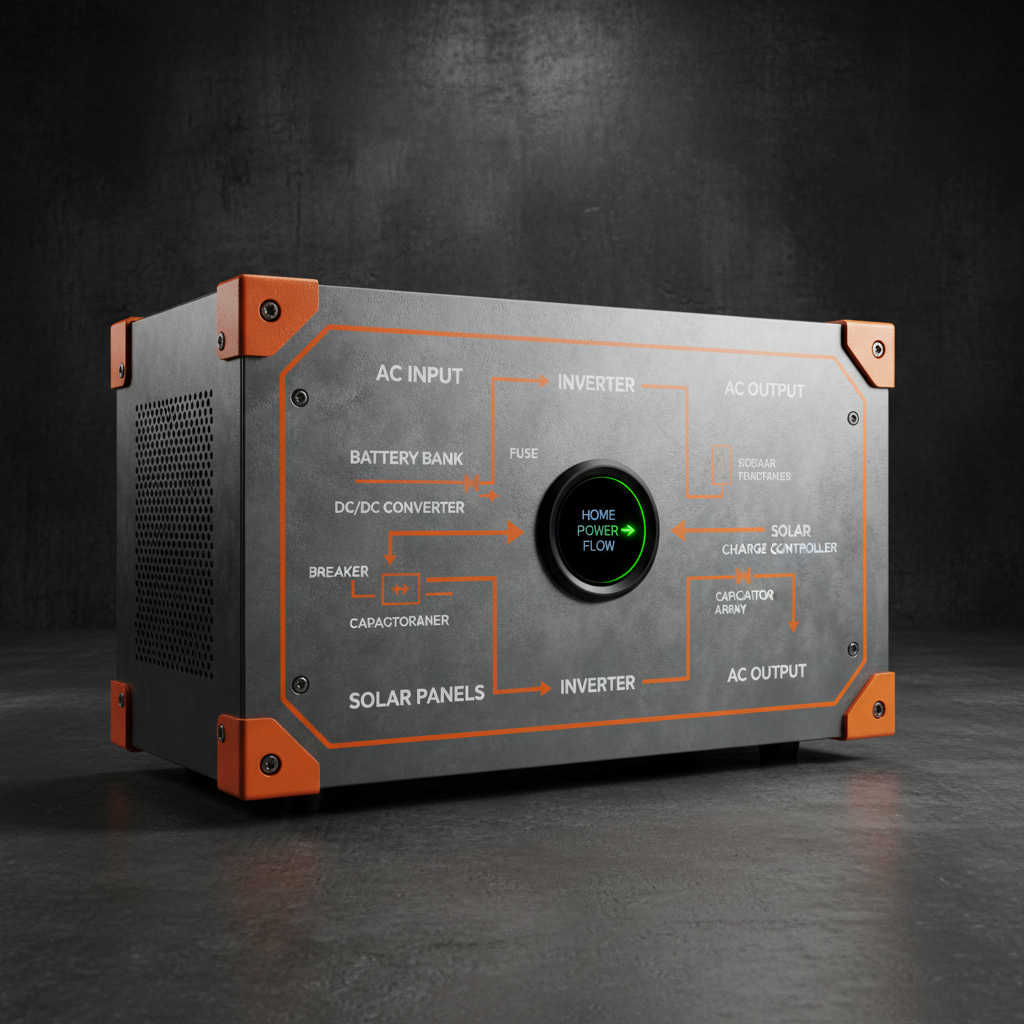
Inverters come in several types, each suited for different applications. Pure sine wave inverters deliver power that closely replicates grid electricity, making them ideal for sensitive electronics like computers, medical devices, and audio equipment. Modified sine wave inverters are more affordable but may cause issues with some devices. Off-grid inverters are designed for homes not connected to the power grid, relying on batteries or renewable energy sources. Grid-tie inverters connect to the grid, allowing you to sell excess power back to the utility company. Choosing the correct type is crucial for optimal performance and compatibility with your appliances. ACDCBESS offers a wide range of inverter solutions to fit diverse needs.
Key Takeaway: The type of inverter you choose should align with your power source, the devices you intend to power, and whether you’re on or off the grid.
Essential Specifications: What to Look For in an Inverter
When selecting an inverter power supply for home use, several specifications are critical. Wattage determines the maximum power the inverter can handle – ensure it exceeds the combined wattage of all appliances you plan to run simultaneously. Voltage must match your battery bank or power source. Efficiency indicates how much power is lost during the conversion process – higher efficiency means lower energy waste. Surge capacity is the inverter’s ability to handle temporary power spikes from appliances like refrigerators and air conditioners. Finally, consider features like built-in charging capabilities and remote monitoring.
Key Specifications:
• Wattage: Total power handling capacity
• Voltage: Compatibility with power source
• Efficiency: Power conversion effectiveness
• Surge Capacity: Ability to handle power spikes
Pure Sine Wave vs. Modified Sine Wave Inverters: A Detailed Comparison
Choosing between a pure sine wave and a modified sine wave inverter is a crucial decision. Pure sine wave inverters provide cleaner, more stable power that's ideal for sensitive electronics, preventing potential damage and ensuring optimal performance. Modified sine wave inverters are less expensive but can cause issues with certain appliances, such as buzzing noises, reduced efficiency, or even malfunction. The following table highlights the key differences.
Factors Influencing Inverter Power Supply Cost
The price of an inverter power supply for home varies significantly based on its wattage, type (pure sine wave vs. modified sine wave), brand, and features. Larger wattage inverters generally cost more. Pure sine wave inverters are typically more expensive than modified sine wave models. Reputable brands with established track records often command a premium price. Additional features like built-in charging, remote monitoring, and advanced protection circuits also contribute to the overall cost. However, investing in a higher-quality inverter can save you money in the long run by providing greater reliability and efficiency.
ACDCBESS Inverter Solutions: A Reliable Choice
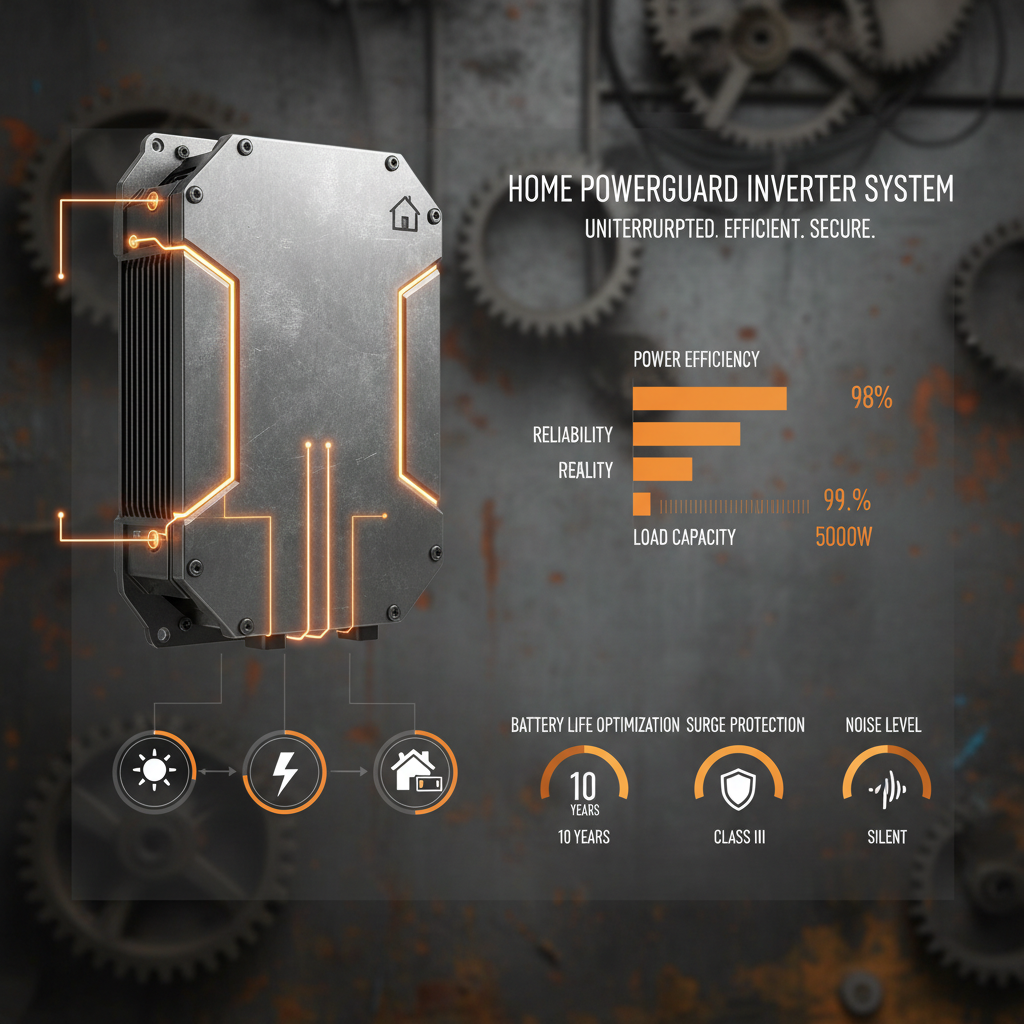
At ACDCBESS, we offer a comprehensive range of inverter power supplies designed to meet the diverse needs of homeowners. Our inverters are known for their high efficiency, reliable performance, and advanced features. We provide both pure sine wave and modified sine wave inverters, with wattage options to accommodate any home's power requirements. Our team of experts can help you select the perfect inverter for your specific application. Explore our selection today and experience the peace of mind that comes with a dependable power solution.
Conclusion: Powering Your Home with Confidence
Choosing the right inverter power supply for home is an essential investment in your home's safety and convenience. By carefully considering your power needs, the type of inverter, and key specifications, you can ensure uninterrupted power during outages and enjoy the benefits of a reliable energy solution. ACDCBESS is dedicated to providing high-quality inverters and expert guidance to help you power your home with confidence.
Frequently Asked Questions (FAQs)
How do I determine the right wattage for my inverter?
To calculate the required wattage, list all the appliances you plan to run simultaneously during a power outage. Find the wattage of each appliance (usually indicated on a label) and add them together. Add a buffer of 20-25% to account for startup surges. For example, if your appliances total 1000 watts, you'll need an inverter with at least 1200-1250 watts. It's always better to overestimate your needs than to risk overloading the inverter.
What is the difference between off-grid and grid-tie inverters?
Off-grid inverters are designed for systems independent of the utility grid, typically powered by batteries and renewable sources like solar panels. They convert DC power from the batteries to AC power for household use. Grid-tie inverters connect to the grid, allowing you to send excess power back to the utility company for credit. They require the grid to be present to operate. Hybrid inverters combine the features of both off-grid and grid-tie systems, offering greater flexibility.
How long will an inverter power my appliances during an outage?
The runtime depends on the battery bank's capacity (measured in amp-hours), the inverter's efficiency, and the total power draw of your appliances. Larger battery banks provide longer runtimes. To estimate runtime, divide the battery bank’s capacity (in watt-hours) by the total power consumption of your appliances. For example, a 1000Wh battery bank powering 100W appliances will run for approximately 10 hours.
Are inverters difficult to install?
Inverter installation can range from relatively simple to complex, depending on the type of inverter and your existing electrical system. It’s generally recommended to hire a qualified electrician for installation to ensure safety and compliance with local electrical codes. Incorrect installation can pose a fire hazard or damage the inverter.
-
Cedar Point EV Charging Solutions for Sustainable Tourism Experience
NewsApr.16,2026
-
Guide to Cedar Point Charging Stations for EV Park Visitors
NewsApr.16,2026
-
Acorn Stairlift Charging Point Guide for Home Mobility Optimization
NewsApr.16,2026
-
Integrating a Wireless Charging Point into Modern Infrastructure
NewsApr.16,2026
-
How to Optimize Your iPhone 14 Charging Point for Efficiency
NewsApr.16,2026
-
Analyzing the Charging Point Share Price Trends and Market Outlook
NewsApr.09,2026