


Mar . 05, 2026 01:55 Back to list
Choosing the Ideal Car Stereo Home Power Supply for Optimal Performance
Choosing the Right Car Stereo Home Power Supply: A Comprehensive Guide
Selecting the optimal power supply for your car stereo at home is crucial for performance, safety, and longevity. A reliable car stereo home power supply ensures clean, consistent power, protecting your valuable audio equipment from damage. This guide will delve into the key considerations when choosing a power supply, including voltage, current, regulation, and safety features. We'll explore different types of power supplies and help you determine the best fit for your specific needs. A poorly matched power supply can lead to audio distortion, system instability, or even permanent damage.
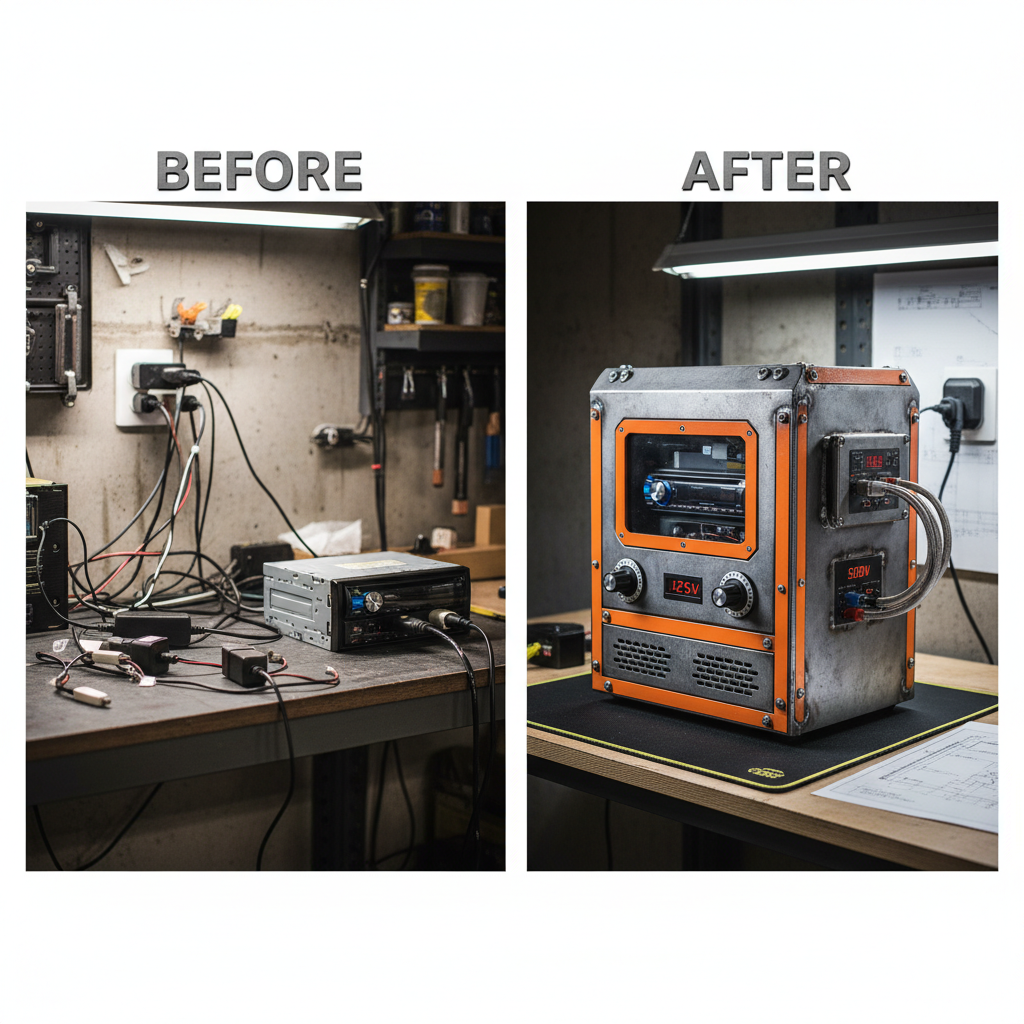
Understanding Your Car Stereo's Power Requirements
Before selecting a power supply, it's vital to understand your car stereo's power needs. This information is typically found on the unit’s label or in the user manual. Pay close attention to the required voltage (usually 12V DC for car stereos) and the maximum current draw (measured in Amperes, or Amps). It’s always best to choose a power supply that can provide more current than your stereo requires, providing a safety margin to prevent overloading. Insufficient current can cause the stereo to malfunction or even damage the power supply. A good rule of thumb is to add at least 20% to the maximum current draw when selecting a power supply.
Key Considerations: Understanding voltage and current requirements is the first step in choosing the right power supply. Always opt for a power supply with a higher current capacity than your stereo's maximum draw.
Types of Car Stereo Home Power Supplies
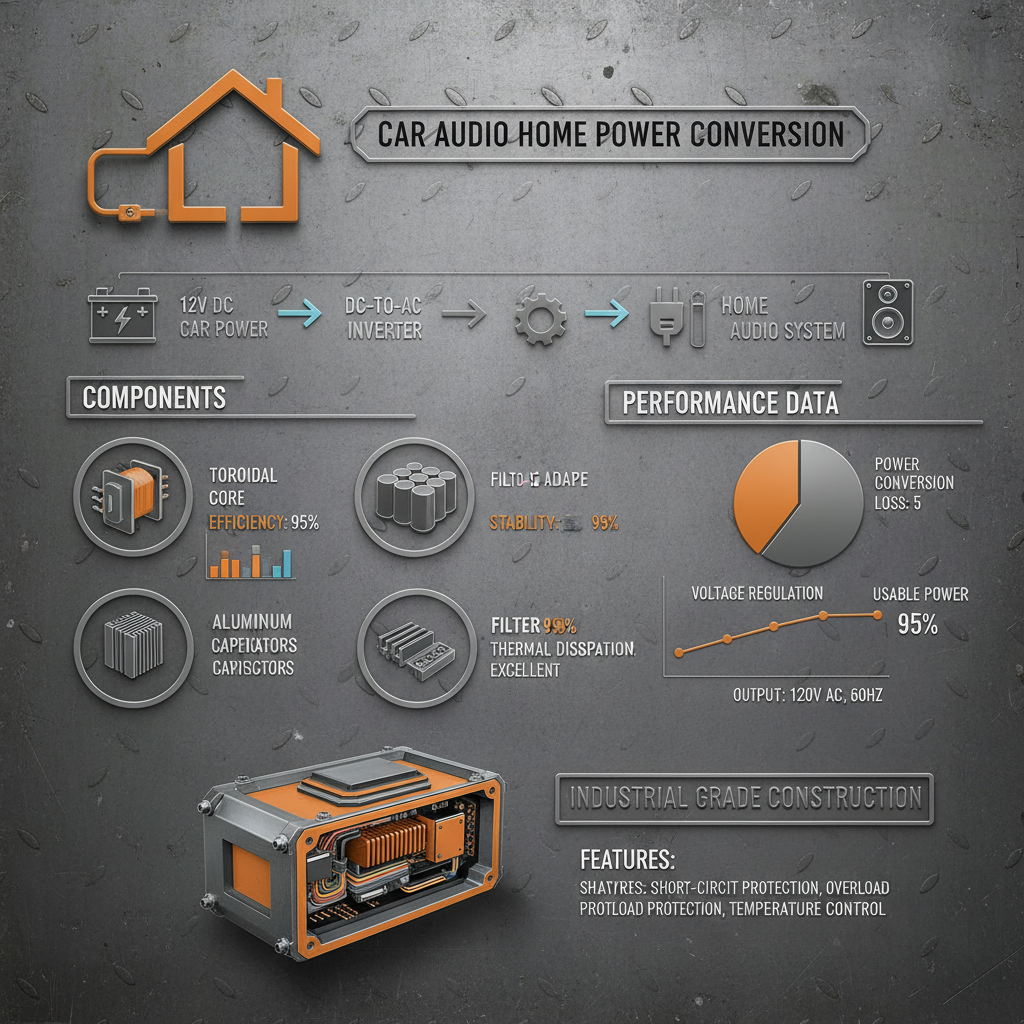
There are several types of power supplies suitable for powering a car stereo at home. The most common include: Linear Power Supplies, known for their clean output and low noise, but are typically larger and less efficient. Switching Power Supplies are more compact and efficient, but can sometimes generate more electrical noise. Regulated Power Supplies offer stable voltage output, crucial for sensitive car stereo components. Understanding the pros and cons of each type will help you make an informed decision based on your priorities and budget.
Power Supply Types:
• Linear Power Supplies: Clean output, low noise, larger size.
• Switching Power Supplies: Compact, efficient, potential for more noise.
• Regulated Power Supplies: Stable voltage output, crucial for sensitive components.
Comparing Power Supply Specifications
Comparing different power supplies involves examining key specifications. Voltage regulation is paramount, ensuring a consistent 12V output even under varying loads. Ripple and noise levels should be as low as possible to prevent audio interference. Efficiency is another important factor, impacting energy consumption and heat generation. Consider the build quality and safety features, such as over-current protection, over-voltage protection, and short-circuit protection. ACDCBESS offers power supplies with robust features and specifications tailored for automotive audio applications.
Safety Features to Look For
Safety is paramount when dealing with electrical components. Look for a power supply with built-in protection mechanisms. Over-current protection prevents damage from excessive current draw. Over-voltage protection safeguards against voltage spikes. Short-circuit protection immediately cuts power in the event of a short. These features are essential for protecting your car stereo and preventing potential hazards. Choosing a power supply from a reputable manufacturer, like ACDCBESS, ensures adherence to safety standards.
Choosing the Right Power Supply for Your Needs
Ultimately, the best car stereo home power supply depends on your specific requirements. If pristine audio quality is your top priority, a linear power supply might be the best choice. If space is limited and efficiency is crucial, a switching power supply could be more suitable. Always prioritize safety features and ensure the power supply provides sufficient current for your stereo. ACDCBESS offers a range of power supplies to meet diverse needs and budgets.
Conclusion: Powering Your Audio with Confidence
Choosing the right power supply is an investment in the longevity and performance of your car stereo. By understanding your stereo’s power requirements, exploring different power supply types, and prioritizing safety features, you can ensure a stable, reliable, and enjoyable audio experience. ACDCBESS provides high-quality power solutions to power your passion for music.
Frequently Asked Questions (FAQs)
What is the difference between a regulated and unregulated power supply?
A regulated power supply maintains a consistent output voltage regardless of variations in input voltage or load current. This is crucial for car stereos, as voltage fluctuations can cause distortion or damage. An unregulated power supply, on the other hand, will fluctuate with changes in input voltage or load. While cheaper, unregulated supplies are not recommended for sensitive electronics like car stereos. ACDCBESS specializes in regulated power supplies designed for optimal performance.
How can I tell if my power supply is adequate for my stereo?
Check your stereo’s specifications for its voltage and maximum current draw. Select a power supply that matches the voltage and provides at least 20% more current than required. If your stereo draws 5A, choose a power supply rated for at least 6A. If you experience audio distortion, system instability, or the power supply feels excessively hot, it may be undersized and needs to be upgraded.
What is ripple and noise, and why is it important?
Ripple and noise refer to unwanted fluctuations in the DC output voltage of a power supply. These fluctuations can introduce interference into the audio signal, resulting in distortion and reduced sound quality. Lower ripple and noise levels are preferred for optimal audio performance. High-quality power supplies, like those offered by ACDCBESS, are designed to minimize ripple and noise.
-
Cedar Point EV Charging Solutions for Sustainable Tourism Experience
NewsApr.16,2026
-
Guide to Cedar Point Charging Stations for EV Park Visitors
NewsApr.16,2026
-
Acorn Stairlift Charging Point Guide for Home Mobility Optimization
NewsApr.16,2026
-
Integrating a Wireless Charging Point into Modern Infrastructure
NewsApr.16,2026
-
How to Optimize Your iPhone 14 Charging Point for Efficiency
NewsApr.16,2026
-
Analyzing the Charging Point Share Price Trends and Market Outlook
NewsApr.09,2026