


Mar . 07, 2026 01:55 Back to list
Choosing the Optimal Home Alarm Power Supply for Uninterrupted Security
Choosing the Right Home Alarm Power Supply: A Comprehensive Guide
Ensuring the reliability of your home security system is paramount, and a stable home alarm power supply is the cornerstone of that reliability. Power outages can render even the most sophisticated systems useless, making a dedicated power source crucial. This article will explore the different types of power supplies for home alarms, key considerations when choosing one, and how to ensure uninterrupted protection for your property. We'll delve into the benefits of battery backups, UPS systems, and the importance of choosing a reputable supplier like ACDCBESS.
Understanding Your Home Alarm Power Needs
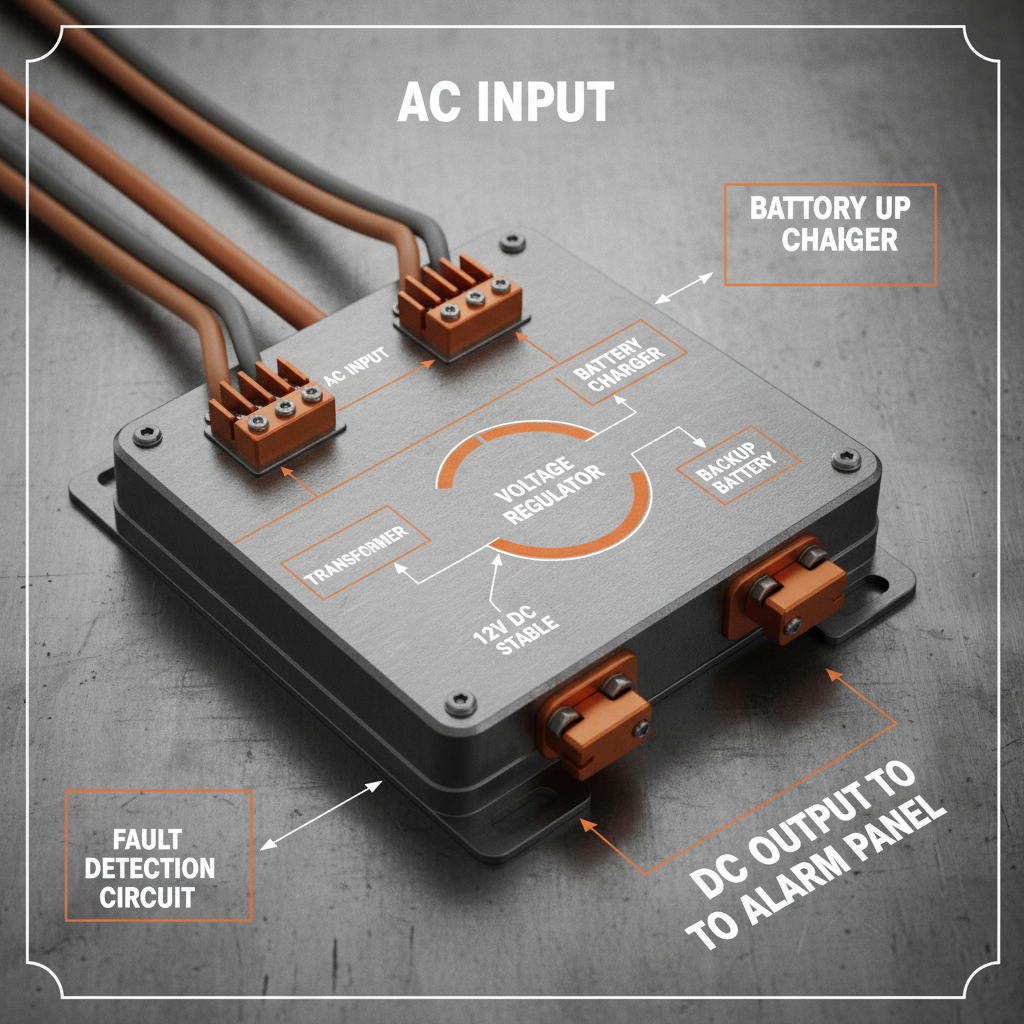
Before selecting a power supply, it's essential to assess your home alarm system's power requirements. Consider the voltage and amperage needed to operate all components – the control panel, sensors, sirens, and communication devices. Most home alarm systems operate on 12V DC, but it’s vital to confirm the specific needs of your system. A correctly sized power supply will ensure optimal performance and prevent damage to your alarm components. Undersizing can lead to system failures, while oversizing is generally less problematic but can be inefficient. Furthermore, think about the duration of backup power needed during an outage. This depends on the length of typical power interruptions in your area.
Key Considerations: Determining the voltage, amperage, and desired backup duration are crucial first steps in choosing the right power supply for your home alarm system.
Types of Home Alarm Power Supply Solutions
Several options exist for powering your home alarm system. These include standard transformer power supplies, battery backups, and Uninterruptible Power Supplies (UPS). Transformer power supplies convert standard AC power to the DC voltage required by the alarm system. Battery backups provide short-term power during outages, utilizing rechargeable batteries. UPS systems combine both functions, offering both continuous power and battery backup for sustained operation. The best choice depends on your budget, desired level of protection, and the critical components you need to keep running during a power failure.
Power Supply Options:
• Transformer Power Supplies: Basic AC to DC conversion.
• Battery Backups: Short-term power during outages.
• UPS Systems: Continuous power and extended backup.
Battery Backup vs. UPS: A Detailed Comparison
While both battery backups and UPS systems offer protection against power outages, they differ significantly in their functionality. A battery backup simply switches to battery power when AC power is lost. A UPS, however, continuously regulates the power supply, providing clean and stable power even when AC power is present. This protects your alarm system from voltage fluctuations and surges, extending its lifespan and reliability. A UPS also offers a smoother transition to battery power, preventing system resets or disruptions. For critical security components, a UPS is a worthwhile investment.
Why Choose ACDCBESS for Your Power Supply Needs?
At ACDCBESS, we specialize in providing high-quality, reliable power solutions for a wide range of applications, including home security systems. Our products are designed for longevity and performance, utilizing advanced battery technology and robust construction. We offer a variety of home alarm power supplies to meet your specific needs, backed by exceptional customer support. We pride ourselves on delivering solutions that provide peace of mind, knowing your security is always protected, even when the power goes out.
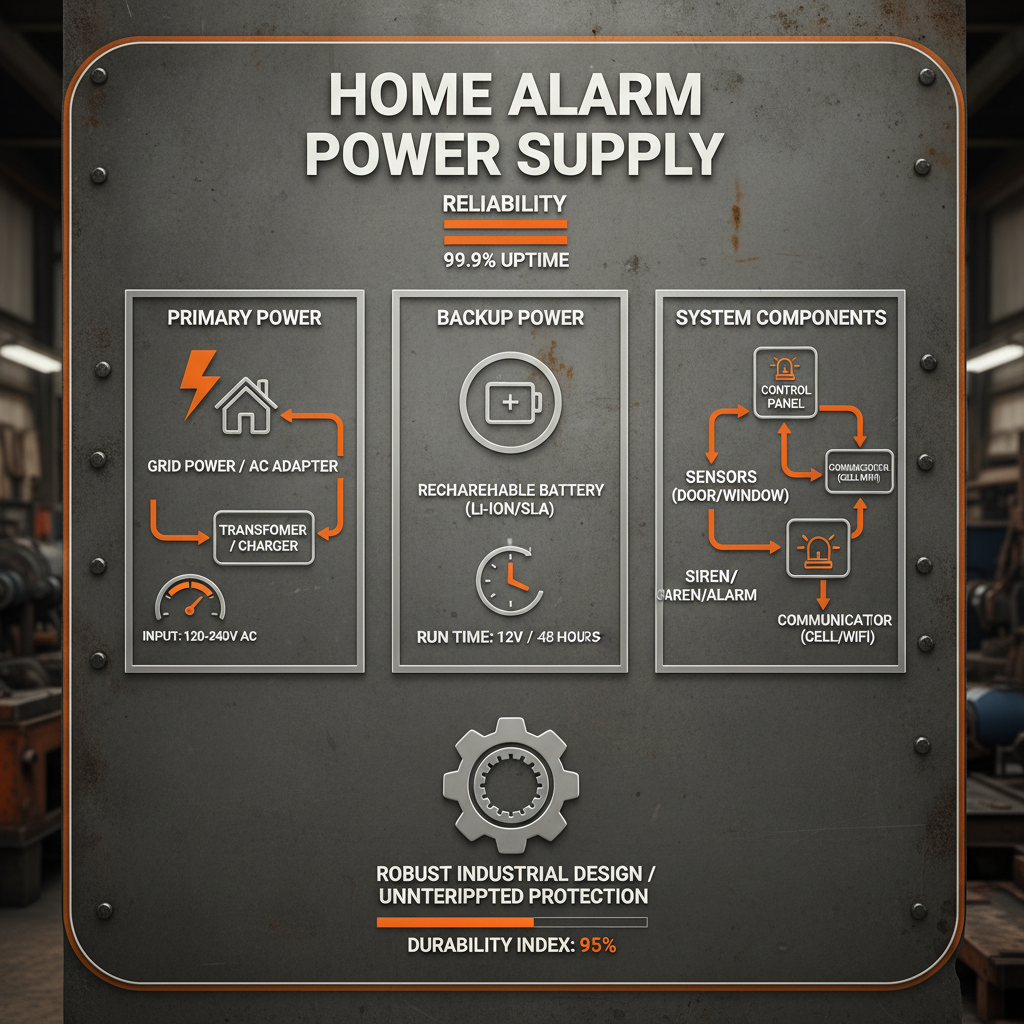
Product Spotlight: ACDC BESS 12V 10Ah Sealed Lead Acid Battery
As an example, our ACDC BESS 12V 10Ah Sealed Lead Acid Battery is an excellent choice for backing up your home alarm system. It offers a reliable and long-lasting solution, specifically designed for security applications. This battery is maintenance-free, spill-proof, and operates efficiently in a wide temperature range. Here are its key specifications:
Conclusion: Secure Your Home with Reliable Power
Protecting your home and loved ones requires a reliable security system, and a dependable home alarm power supply is a critical component. By carefully assessing your needs and choosing a quality power solution from a trusted provider like ACDCBESS, you can ensure uninterrupted protection, even during power outages. Don't leave your security to chance – invest in a reliable power supply today.
Frequently Asked Questions (FAQs)
How long will a battery backup power my alarm system?
The duration of battery backup depends on the battery's capacity (measured in Amp-hours - Ah) and the power consumption of your alarm system. A larger Ah rating provides longer backup time. Typically, a 12V 7Ah battery can power a standard alarm system for approximately 4-8 hours. However, this is an estimate, and actual runtime can vary. A UPS system generally offers longer backup times due to its more efficient power management and potentially larger battery capacity. Consider your local power outage patterns when determining the necessary backup duration.
Do I need to replace the battery in my UPS or battery backup regularly?
Yes, batteries have a limited lifespan and will eventually need replacement. Sealed Lead Acid (SLA) batteries typically last 3-5 years, while Lithium-ion batteries can last longer, up to 5-10 years. Regularly testing your backup system (monthly is recommended) will help you identify when the battery is nearing the end of its life. Signs of a failing battery include reduced backup time, increased charging time, and bulging or leakage. It’s important to replace batteries promptly to ensure continued protection.
Can I use any battery with my alarm system?
No, it’s crucial to use a battery specifically designed for alarm systems or UPS applications. Using an incorrect battery type can damage your system, void the warranty, and potentially create a safety hazard. Ensure the battery voltage matches the system's requirements (typically 12V). Sealed Lead Acid (SLA) and Lithium-ion batteries are commonly used for alarm systems. Consult your alarm system's manual or contact the manufacturer to determine the recommended battery type.
What are the benefits of a UPS over a simple battery backup?
A UPS offers several advantages over a simple battery backup. Firstly, it provides continuous power conditioning, protecting your alarm system from voltage fluctuations and surges, which can extend its lifespan. Secondly, the switchover to battery power is instantaneous, preventing system resets or disruptions during a power outage. Thirdly, UPS systems often include surge protection and filtering, safeguarding your equipment from electrical disturbances. While more expensive, a UPS offers superior reliability and protection for critical security components.
-
Cedar Point EV Charging Solutions for Sustainable Tourism Experience
NewsApr.16,2026
-
Guide to Cedar Point Charging Stations for EV Park Visitors
NewsApr.16,2026
-
Acorn Stairlift Charging Point Guide for Home Mobility Optimization
NewsApr.16,2026
-
Integrating a Wireless Charging Point into Modern Infrastructure
NewsApr.16,2026
-
How to Optimize Your iPhone 14 Charging Point for Efficiency
NewsApr.16,2026
-
Analyzing the Charging Point Share Price Trends and Market Outlook
NewsApr.09,2026