


Mar . 08, 2026 01:55 Back to list
Choosing the Right Home Power Supply Cable for Optimal Performance and Safety
Choosing the Right Home Power Supply Cable
Ensuring a stable and safe power supply for your home electronics and devices is paramount. The home power supply cable is a critical component, often overlooked, that directly impacts the performance and longevity of your valuable equipment. Choosing the correct cable isn't just about plugging things in; it's about safety, efficiency, and preventing potential damage. This article will provide a comprehensive guide to understanding, selecting, and utilizing home power supply cables, focusing on key features and considerations for optimal performance. A reliable power cable is the lifeline for your modern home, and selecting the right one is a wise investment.
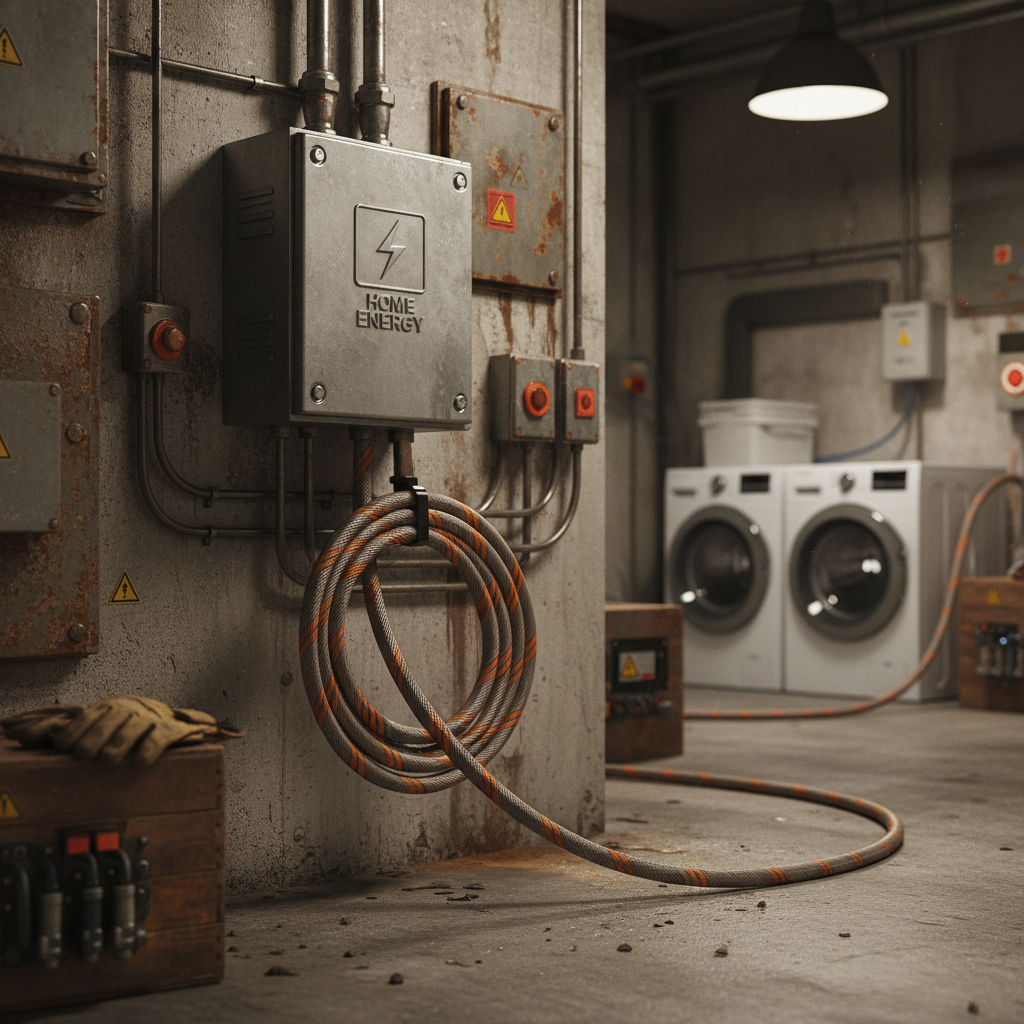
Understanding Different Types of Home Power Supply Cables
Home power supply cables come in a variety of types, each designed for specific applications and power requirements. The most common types include standard AC power cables (used for most household appliances), computer power cables (specifically designed for PCs and monitors), and specialized cables for high-powered devices. Cables are categorized based on their gauge (thickness), which determines the amount of current they can safely handle. Thicker gauges are required for higher-powered devices. Understanding the different plug types (e.g., NEMA 5-15, Schuko) relevant to your region is also crucial for compatibility. Choosing the right type prevents overheating and potential fire hazards, ensuring the safety of your home and appliances. At ACDCBESS, we offer a comprehensive range of cables to meet diverse needs.
Key Considerations: Cable gauge, plug type compatibility, intended appliance power requirements, and cable length are all essential factors in selecting the appropriate home power supply cable.
The Importance of Cable Gauge for Home Power Supply Cables
Cable gauge, measured in AWG (American Wire Gauge), is a critical factor in determining a cable's current-carrying capacity. Lower AWG numbers indicate thicker wires, capable of handling higher currents safely. Using a cable with an insufficient gauge for a specific appliance can lead to overheating, voltage drops, and potentially a fire. For example, a device requiring 15 amps should ideally be connected to a cable with at least 14 AWG, and preferably 12 AWG for added safety. Choosing the correct gauge is a fundamental aspect of electrical safety, and it’s always better to err on the side of caution.
Gauge Guidelines:
• 18 AWG: Up to 10 amps (low-power devices like phone chargers)
• 16 AWG: Up to 13 amps (small appliances)
• 14 AWG: Up to 15 amps (general household use)
• 12 AWG: Up to 20 amps (high-power appliances)
Comparing Common Home Power Supply Cable Types
Different applications necessitate different cable types. Here's a comparison of some commonly used options:
Ensuring Safety: Inspection and Replacement
Regular inspection of your home power supply cables is crucial for safety. Look for signs of damage such as cracks, fraying, exposed wires, or loose connections. If any damage is detected, the cable should be replaced immediately. Do not attempt to repair damaged cables, as this can create a significant safety hazard. Furthermore, cables should be replaced if they become excessively warm during use or if they exhibit any unusual odors. Preventative maintenance like this protects your home and family. At ACDCBESS, we prioritize safety and provide high-quality, durable cables.
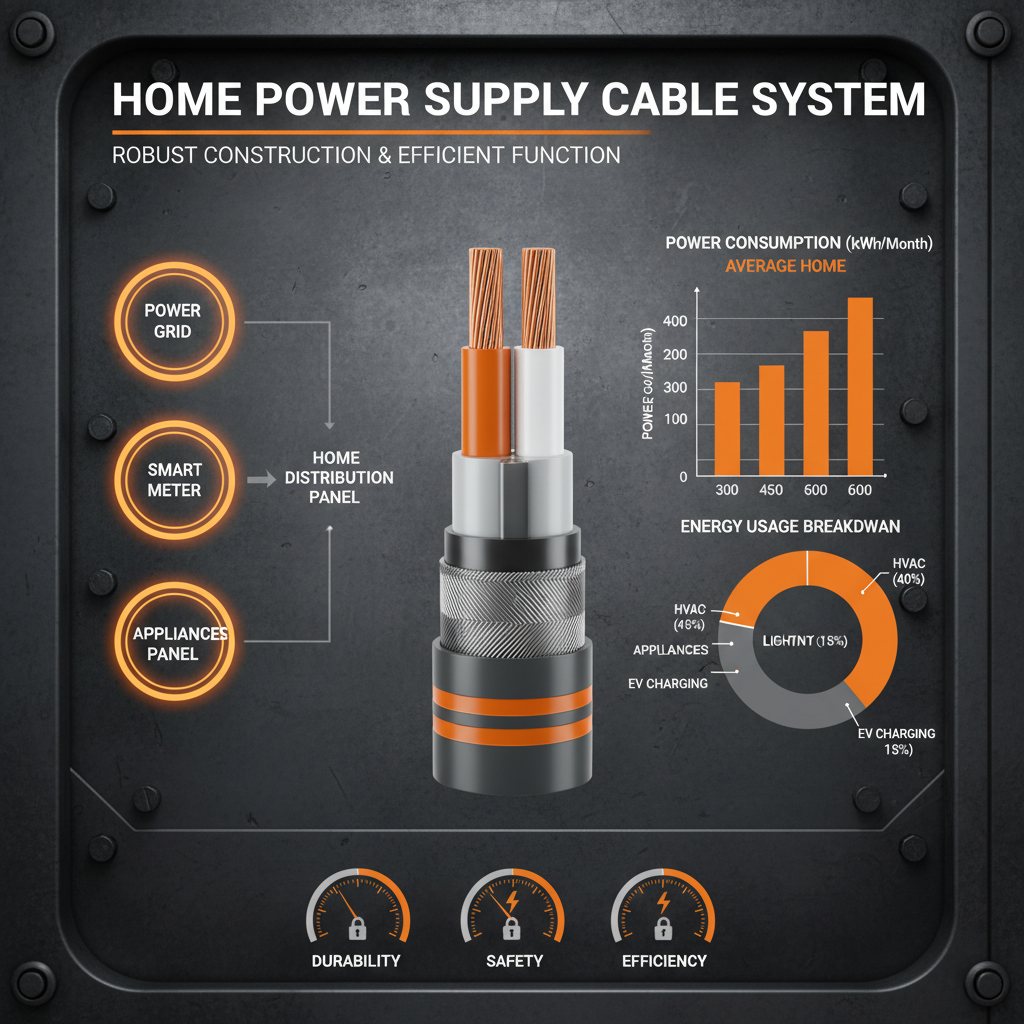
Choosing ACDC BESS for Reliable Home Power Supply Cables
At ACDCBESS, we provide a comprehensive selection of high-quality home power supply cables designed for safety and performance. Our cables are manufactured to meet stringent industry standards, ensuring reliability and durability. We offer a range of gauges, plug types, and lengths to suit your specific needs. Our expert team is available to assist you in selecting the right cable for your appliances and electrical system. Invest in peace of mind with ACDCBESS.
Conclusion: Powering Your Home Safely and Efficiently
Choosing the right home power supply cable is a crucial aspect of home safety and efficiency. By understanding the different types, gauge requirements, and safety considerations outlined in this guide, you can ensure a reliable and secure power supply for all your devices. Prioritize quality and choose a trusted supplier like ACDCBESS for peace of mind.
Frequently Asked Questions (FAQs)
What is the difference between a polarized and a non-polarized power cable?
Polarized cables have one blade wider than the other, ensuring they can only be inserted into an outlet in one direction. This is a safety feature designed to prevent accidental shock. Non-polarized cables have blades of equal size and can be inserted either way. Polarized cables are generally used for appliances that require a specific electrical orientation. Choosing the correct type of cable based on your appliance’s needs is essential for safe operation.
Can I use an extension cord permanently?
While extension cords are useful for temporary power solutions, they are not designed for permanent use. Consistent use of an extension cord can create a fire hazard due to overheating. If you require a power outlet in a different location, it's best to have a qualified electrician install a new outlet. Permanent use of an extension cord can also lead to voltage drops and damage to your appliances.
What should I do if a power cable feels warm to the touch?
If a power cable feels warm to the touch, immediately unplug the appliance and inspect the cable for damage. A warm cable indicates that it's overloaded or there’s a problem with the connection. Do not continue using the cable until the issue is resolved. A qualified electrician should inspect the cable and outlet to determine the cause of the overheating and ensure your electrical system is safe. Replacing the cable is often the simplest solution.
Are surge protector power cables necessary?
Surge protector power cables are highly recommended, especially for sensitive electronics like computers, televisions, and audio equipment. These cables protect your devices from voltage spikes that can damage or destroy them. Power surges can be caused by lightning strikes, power grid fluctuations, or even turning on and off high-wattage appliances. Investing in a surge protector is a small price to pay for protecting your valuable electronics.
-
Cedar Point EV Charging Solutions for Sustainable Tourism Experience
NewsApr.16,2026
-
Guide to Cedar Point Charging Stations for EV Park Visitors
NewsApr.16,2026
-
Acorn Stairlift Charging Point Guide for Home Mobility Optimization
NewsApr.16,2026
-
Integrating a Wireless Charging Point into Modern Infrastructure
NewsApr.16,2026
-
How to Optimize Your iPhone 14 Charging Point for Efficiency
NewsApr.16,2026
-
Analyzing the Charging Point Share Price Trends and Market Outlook
NewsApr.09,2026