


Mar . 09, 2026 01:55 Back to list
Choosing the Right LED Power Supply 24V for Home Depot Projects
Choosing the Right LED Power Supply 24V for Your Needs
When embarking on an LED lighting project, selecting the correct LED power supply 24V is just as crucial as the LEDs themselves. A properly matched power supply ensures optimal performance, longevity, and safety. This guide will explore the key considerations when choosing a 24V LED power supply, covering factors like wattage, dimming compatibility, and certifications. We’ll also highlight how ACDCBESS offers a range of reliable and efficient solutions for your lighting needs.
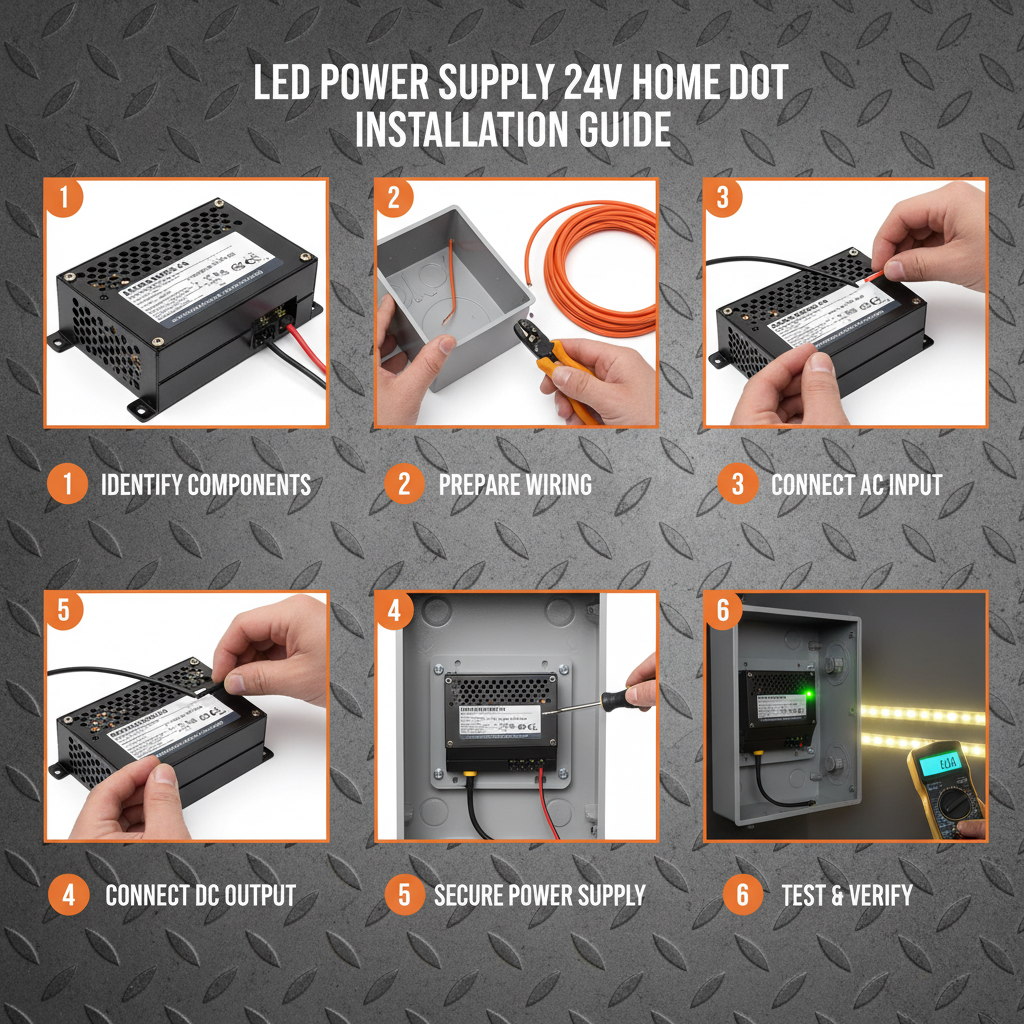
Understanding the Importance of a 24V LED Power Supply
LEDs require a stable DC voltage to operate correctly, and a 24V power supply converts standard AC mains voltage into a consistent 24V DC output. Using a power supply designed specifically for LEDs is essential because it accounts for the unique characteristics of LED lighting, such as its sensitivity to voltage fluctuations and current requirements. A quality power supply protects your LEDs from damage, maximizes their lifespan, and ensures consistent brightness. Choosing a power supply from a reputable manufacturer like ACDCBESS guarantees reliability and performance.
Key Benefits: Provides a stable DC voltage, protects LEDs from damage, maximizes lifespan, ensures consistent brightness, and offers improved safety features.
Calculating Your Wattage Requirements: A Crucial Step
Determining the total wattage needed for your LED lighting project is paramount. First, calculate the wattage of each individual LED or LED strip. Then, add up the wattage of all the LEDs you plan to connect to the power supply. It’s best to add a safety margin of 20-30% to this total. This buffer ensures the power supply isn’t overloaded, preventing overheating and potential failure. For instance, if your total LED wattage is 100W, choose a power supply rated for at least 120-130W. ACDCBESS offers a wide selection of power supplies with varying wattage options to suit diverse projects.
Wattage Calculation Guide:
• Determine the wattage of each LED.
• Sum the wattage of all LEDs.
• Add a 20-30% safety margin.
• Choose a power supply with a wattage equal to or greater than the calculated total.
LED Power Supply 24V: Key Features to Consider
Beyond wattage, several other features are crucial. Dimming compatibility allows you to adjust the brightness of your LEDs, creating ambiance and saving energy. Ensure the power supply supports the dimming protocol used by your LEDs (e.g., PWM, 0-10V). Certifications like UL, CE, and RoHS indicate the power supply meets stringent safety and quality standards. Efficiency is another important factor; higher efficiency ratings translate to lower energy consumption and reduced heat generation. Consider the protection features offered, such as over-voltage, over-current, and short-circuit protection, which safeguard your LEDs and the power supply itself. ACDCBESS power supplies are meticulously engineered with these features in mind.
ACDCBESS 24V LED Power Supply Solutions
ACDCBESS offers a comprehensive range of 24V LED power supplies designed to meet diverse application needs. Our power supplies boast high efficiency, robust protection features, and compliance with industry standards. We provide both constant voltage and constant current options, along with dimming compatibility and various wattage levels. Whether you're powering small LED strips or large-scale lighting installations, ACDCBESS has a solution for you.
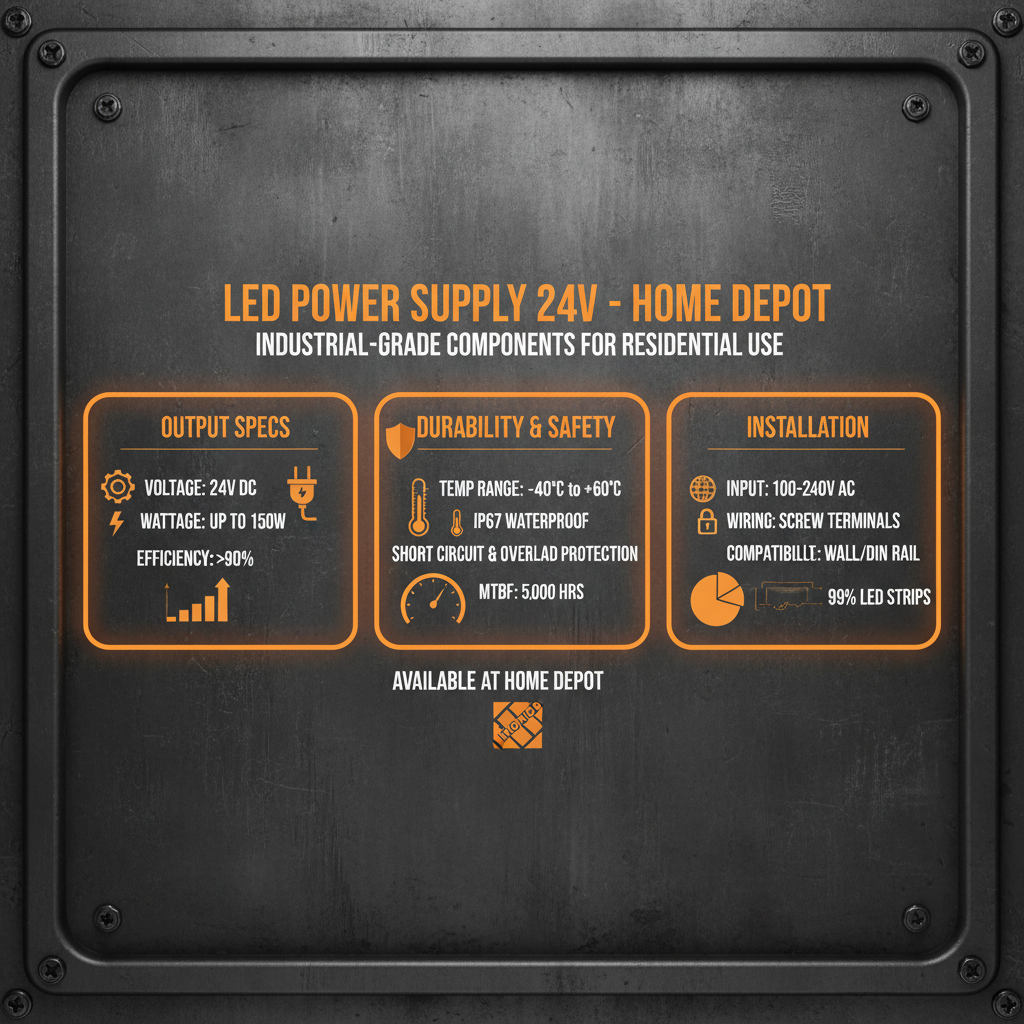
Comparing ACDCBESS Power Supplies: A Quick Overview
Here's a simplified comparison of a few popular ACDCBESS 24V LED power supply models:
Conclusion: Powering Your LEDs with Confidence
Choosing the right LED power supply 24V is an investment in the longevity and performance of your lighting system. By carefully considering wattage requirements, desired features, and safety certifications, you can ensure a reliable and efficient solution. ACDCBESS provides a range of high-quality power supplies to meet your specific needs. Don't compromise on quality – choose ACDCBESS for dependable LED power solutions.
Frequently Asked Questions (FAQs)
What is the difference between constant voltage and constant current LED power supplies?
Constant voltage (CV) power supplies maintain a stable voltage output, making them ideal for powering LED strips and most common LED lighting applications. Constant current (CC) power supplies maintain a stable current output, crucial for powering individual high-power LEDs. Using the wrong type of power supply can damage your LEDs. Typically, LED strips use CV while individual LEDs use CC. Choosing the right type is essential for optimal performance and lifespan. ACDCBESS offers both CV and CC power supplies to suit different LED configurations.
Can I use a higher wattage power supply than needed?
Yes, it's generally safe to use a power supply with a higher wattage than your LEDs require, but it's not recommended to significantly oversize it. A slightly oversized power supply (20-30% above the load) can run more efficiently and generate less heat. However, a drastically oversized power supply may not operate at peak efficiency and could be more expensive. Ensure the power supply has the necessary protection features, even when operating at lower loads.
What safety certifications should I look for in an LED power supply?
Look for certifications like UL (Underwriters Laboratories), CE (European Conformity), and RoHS (Restriction of Hazardous Substances). These certifications indicate that the power supply has been tested and meets specific safety and quality standards. UL certification demonstrates safety for use in the US, CE certification for Europe, and RoHS compliance ensures the product is free from hazardous materials. ACDCBESS power supplies are certified to meet these rigorous standards.
How can I tell if my LED power supply is failing?
Signs of a failing LED power supply include flickering lights, reduced brightness, unusual noises (humming or buzzing), overheating, or complete failure. If you notice any of these symptoms, immediately replace the power supply to prevent potential damage to your LEDs and ensure safety. Regularly inspect your power supply for any signs of physical damage, such as bulging capacitors or burnt components.
-
Cedar Point EV Charging Solutions for Sustainable Tourism Experience
NewsApr.16,2026
-
Guide to Cedar Point Charging Stations for EV Park Visitors
NewsApr.16,2026
-
Acorn Stairlift Charging Point Guide for Home Mobility Optimization
NewsApr.16,2026
-
Integrating a Wireless Charging Point into Modern Infrastructure
NewsApr.16,2026
-
How to Optimize Your iPhone 14 Charging Point for Efficiency
NewsApr.16,2026
-
Analyzing the Charging Point Share Price Trends and Market Outlook
NewsApr.09,2026