


Mar . 11, 2026 01:55 Back to list
Choosing the Right Power Supply for Home Server A Comprehensive Guide
Choosing the Right Power Supply for Home Server: A Comprehensive Guide
Building a home server is an excellent way to centralize data, stream media, and host applications. But powering this critical component requires careful consideration. Selecting the appropriate power supply for home server is paramount for stability, efficiency, and longevity. This guide will delve into the key factors, types, and recommendations to help you choose the best power supply for your needs. We'll explore wattage requirements, efficiency ratings, and features to ensure your server runs smoothly and reliably.
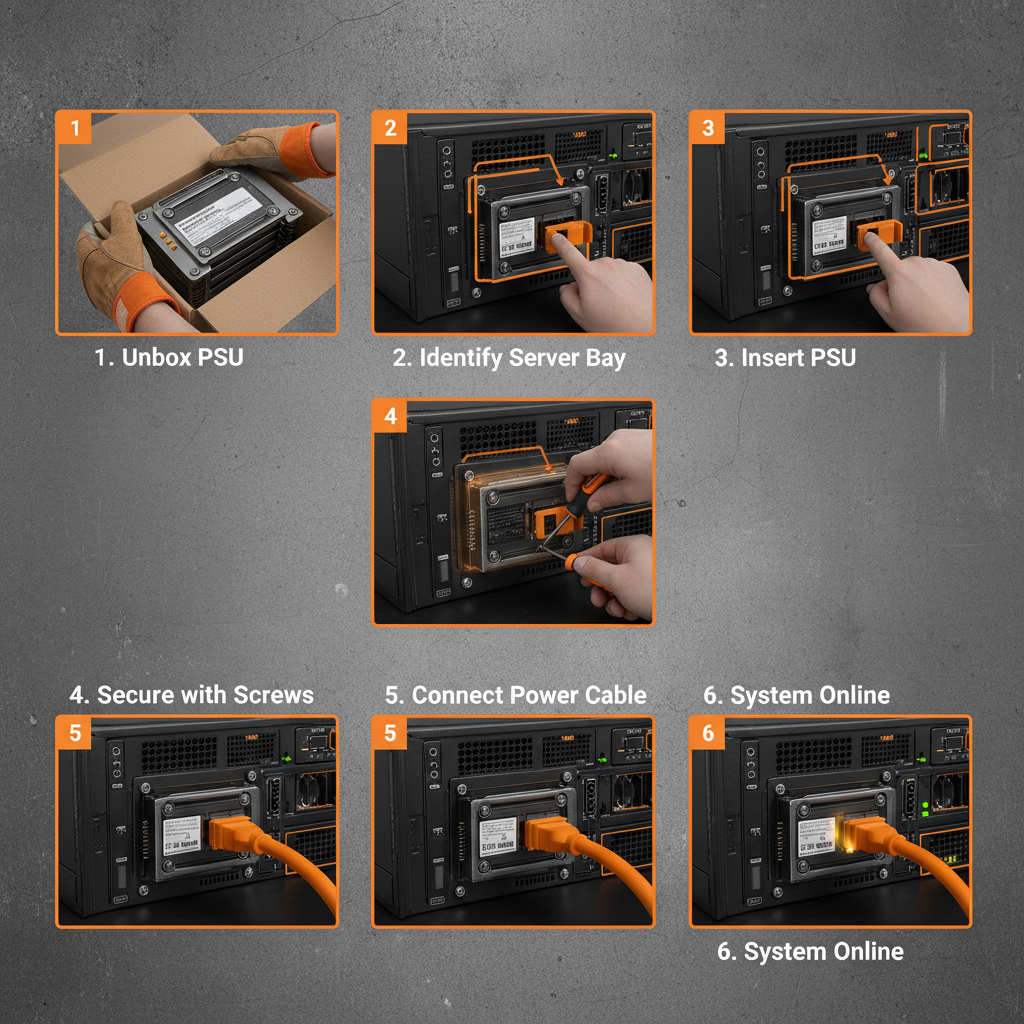
Understanding Your Power Needs
The first step in selecting a power supply is determining your server's power requirements. This involves calculating the total wattage consumed by all components, including the CPU, motherboard, RAM, storage drives, and any expansion cards. It’s crucial to overestimate slightly to allow for future upgrades and potential power spikes. A good rule of thumb is to add 20-30% headroom to your calculated wattage. Insufficient power can lead to system instability, crashes, and even hardware damage. Using a reliable power supply is the core of a stable server environment.
Key Considerations: Calculate the total wattage needed for all components, plus 20-30% headroom for future upgrades and power spikes.
Types of Power Supplies for Home Servers
Several types of power supplies are suitable for home servers, each with its own advantages and disadvantages. ATX power supplies are the most common, offering a standardized form factor and wide availability. SFX power supplies are smaller and ideal for compact server builds. Rackmount power supplies are designed for servers housed in racks, often providing redundant power options for increased reliability. Finally, there are modular power supplies that allow you to connect only the cables you need, reducing clutter and improving airflow. Choosing the right type depends on your server's form factor and specific requirements. ACDCBESS offers a range of server power solutions.
Power Supply Types:
• ATX: Standard form factor, widely available.
• SFX: Compact size for small form factor builds.
• Rackmount: Designed for servers in racks.
• Modular: Reduces clutter with detachable cables.
Power Supply Efficiency Ratings
Power supply efficiency is a crucial factor, impacting both your electricity bill and the amount of heat generated by the system. Efficiency is rated using the 80 PLUS certification system, which ranges from White to Titanium. Higher ratings indicate greater efficiency, meaning less power is wasted as heat. An 80 PLUS Gold or Platinum rated power supply is generally recommended for home servers, offering a good balance between cost and efficiency. Choosing an efficient power supply also reduces strain on the system and extends its lifespan. ACDCBESS power supplies adhere to the highest efficiency standards.
Key Features to Look For in a Power Supply for Home Server
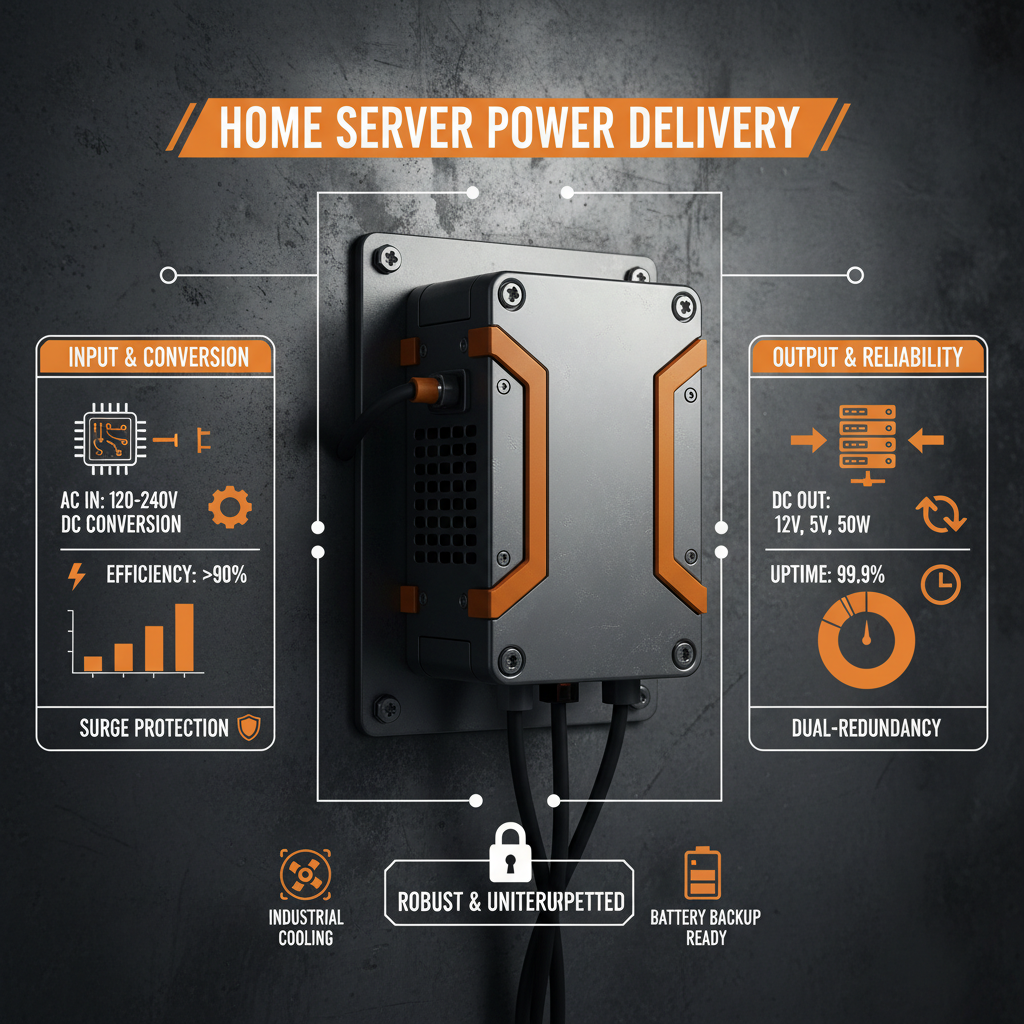
Beyond wattage and efficiency, several features can enhance the reliability and functionality of your server's power supply. Look for features like over-voltage protection (OVP), over-current protection (OCP), short-circuit protection (SCP), and over-temperature protection (OTP). These safeguards protect your components from damage due to power fluctuations or failures. Additionally, consider a power supply with a quiet fan or a fanless design to minimize noise. ACDCBESS power supplies incorporate multiple safety features for complete protection.
Selecting the Best Power Supply for Your Home Server
Ultimately, the best power supply for your home server depends on your specific needs and budget. Carefully assess your power requirements, choose an appropriate type and efficiency rating, and prioritize safety features. Don’t hesitate to invest in a high-quality power supply from a reputable brand like ACDCBESS to ensure the long-term stability and reliability of your server. A well-chosen power supply is a crucial investment that will pay dividends in performance and peace of mind.
Conclusion: Powering Your Home Server with Confidence
Selecting the right power supply for home server is a critical step in building a stable and reliable system. By carefully considering your power needs, efficiency ratings, and safety features, you can ensure your server operates optimally for years to come. Investing in a quality power supply like those offered by ACDCBESS provides peace of mind and protects your valuable data and applications.
Frequently Asked Questions (FAQs)
How much wattage do I really need for my home server?
Determining the precise wattage requires calculating the TDP (Thermal Design Power) of your CPU, adding the power consumption of your motherboard, RAM, storage drives, and any expansion cards. Online wattage calculators can assist with this. A general guideline is to start with at least 300W for a basic server, 500W for a mid-range server, and 700W or more for a high-performance server with multiple drives and a powerful CPU. Remember to add 20-30% headroom for future upgrades and power spikes. It’s always better to err on the side of caution and choose a power supply with slightly more wattage than you currently need.
What is the benefit of a modular power supply?
Modular power supplies allow you to connect only the cables you need, reducing clutter inside your server case and improving airflow. This can lead to lower operating temperatures and reduced fan noise. They also make cable management easier, which is especially important in compact server builds. While they are typically more expensive than non-modular power supplies, the benefits often outweigh the cost, especially for users who prioritize a clean and efficient build.
What safety features should I look for in a power supply?
Essential safety features include Over-Voltage Protection (OVP), Over-Current Protection (OCP), Short-Circuit Protection (SCP), and Over-Temperature Protection (OTP). These features protect your components from damage due to power surges, fluctuations, or failures. Look for power supplies that explicitly state they include these protections. A power supply with these safeguards will significantly increase the reliability and lifespan of your server.
Are 80 PLUS Gold or Platinum power supplies worth the extra cost?
Yes, for most home server applications, an 80 PLUS Gold or Platinum rated power supply is worth the investment. While they are more expensive upfront, they are significantly more efficient, which translates to lower electricity bills and less heat generation. The reduced heat also means your server fans won’t have to work as hard, potentially extending their lifespan. Over the long term, the energy savings and increased reliability can more than offset the initial cost difference.
-
Cedar Point EV Charging Solutions for Sustainable Tourism Experience
NewsApr.16,2026
-
Guide to Cedar Point Charging Stations for EV Park Visitors
NewsApr.16,2026
-
Acorn Stairlift Charging Point Guide for Home Mobility Optimization
NewsApr.16,2026
-
Integrating a Wireless Charging Point into Modern Infrastructure
NewsApr.16,2026
-
How to Optimize Your iPhone 14 Charging Point for Efficiency
NewsApr.16,2026
-
Analyzing the Charging Point Share Price Trends and Market Outlook
NewsApr.09,2026