


Mar . 11, 2026 01:55 Back to list
Choosing the Right Power Supply for Your Home A Comprehensive Guide
Choosing the Right Power Supply for Your Home: A Comprehensive Guide
Selecting the appropriate power supply for your home is crucial for ensuring the safety, reliability, and efficiency of your electrical system. From basic needs to supporting advanced technologies like solar energy storage, understanding your power requirements is the first step. This article will explore the different types of power supplies available, key considerations when making a purchase, and how to choose the best option for your specific home needs. Proper power management is the cornerstone of a modern, efficient home. ACDCBESS offers a range of solutions to meet diverse power needs.

Understanding Different Types of Power Supplies
There are several types of power supplies commonly used in residential settings. These include standard AC power from the grid, Uninterruptible Power Supplies (UPS) for backup during outages, and power supplies for renewable energy systems like solar panels. UPS systems provide temporary power when the electricity grid fails, protecting sensitive electronics. Solar power supplies, often inverters, convert DC power from solar panels into usable AC power. Selecting the right type depends on your need for backup power, sustainability goals, and the types of devices you need to power. ACDCBESS specializes in advanced power storage solutions for residential and commercial use.
Key Takeaway: Selecting the right power supply depends on your specific needs – from simple grid connectivity to advanced backup and renewable energy integration.
Key Considerations When Choosing a Power Supply for Your Home
Several factors should be considered when selecting a power supply. First, assess your total power consumption. This involves calculating the wattage of all the devices you plan to run simultaneously. Second, consider the voltage requirements of your devices. Ensure the power supply provides the correct voltage to avoid damage. Third, look for energy efficiency ratings – higher efficiency means lower energy bills. Finally, consider the reliability and warranty offered by the manufacturer. Investing in a quality power supply will save you money and headaches in the long run.
Essential Considerations:
• Total Power Consumption (Wattage)
• Voltage Requirements
• Energy Efficiency Rating
• Reliability and Warranty
Comparing Popular Power Supply Options
Different power supply options cater to varying needs. Standard grid power is the most common but lacks backup. UPS systems offer short-term backup, while generators provide longer-term power during outages. Solar power combined with battery storage offers a sustainable and reliable solution, though the initial investment is higher. The best choice depends on your budget, reliance on electricity, and environmental concerns. ACDCBESS offers solutions for integrating solar power and battery storage seamlessly into your home.
The Role of Battery Storage in Modern Power Supplies
Battery storage is increasingly important for maximizing the benefits of renewable energy sources and providing reliable backup power. Batteries store excess energy generated by solar panels for use when the sun isn't shining or during grid outages. Modern battery systems, like those offered by ACDCBESS, are designed for long life, high efficiency, and safe operation. The size of the battery system should be tailored to your energy needs and consumption patterns.
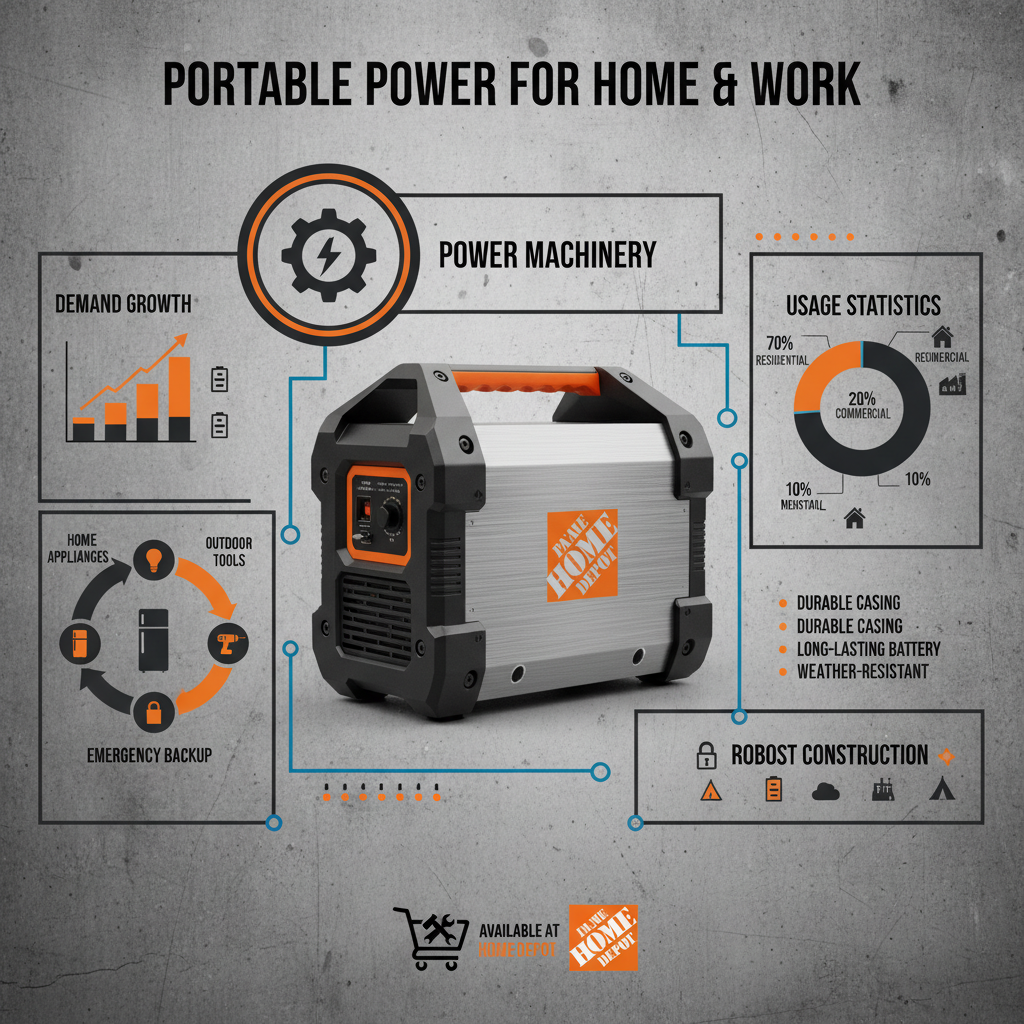
Conclusion: Empowering Your Home with the Right Power Solution
Investing in a reliable and efficient power supply is essential for modern homeowners. By carefully assessing your needs and considering the options available, you can create a power solution that ensures safety, reliability, and sustainability. ACDCBESS provides innovative power solutions to empower your home.
Don't compromise on power – choose the right solution for your needs.
Frequently Asked Questions (FAQs)
What size UPS should I get for my home?
The size of the UPS you need depends on the total wattage of the devices you want to keep running during a power outage. Start by adding up the wattage of your essential devices (e.g., refrigerator, computer, medical equipment). Then, choose a UPS with a VA (Volt-Ampere) rating that exceeds this wattage. It's also wise to factor in the inrush current of motors (like refrigerators) which can be significantly higher than their running wattage. A professional electrician can help you determine the optimal UPS size for your specific needs.
How long do home battery systems typically last?
The lifespan of a home battery system typically ranges from 5 to 15 years, depending on the battery chemistry (e.g., lithium-ion), usage patterns, and environmental conditions. Lithium-ion batteries, commonly used in modern systems, generally offer a longer lifespan and higher cycle count than older battery technologies. Proper maintenance, such as avoiding extreme temperatures and ensuring adequate ventilation, can also extend the battery’s life. ACDCBESS batteries are designed for longevity and reliable performance.
Is a generator a good alternative to battery storage?
Generators can provide long-term backup power, but they have several drawbacks compared to battery storage. Generators typically run on fossil fuels, contributing to air pollution and noise. They also require regular maintenance and can be less reliable than battery systems. Battery storage, especially when paired with solar power, offers a cleaner, quieter, and more sustainable solution. While generators can be useful in certain situations, battery storage is often the preferred choice for residential backup power.
What safety precautions should I take when installing a power supply?
Installing a power supply can be dangerous and should ideally be done by a qualified electrician. Always disconnect the power supply before working on electrical connections. Ensure proper grounding to prevent electrical shocks. Follow the manufacturer's instructions carefully. Use appropriate safety gear, such as insulated gloves and eye protection. If you're not comfortable working with electricity, it's best to leave the installation to a professional.
-
Cedar Point EV Charging Solutions for Sustainable Tourism Experience
NewsApr.16,2026
-
Guide to Cedar Point Charging Stations for EV Park Visitors
NewsApr.16,2026
-
Acorn Stairlift Charging Point Guide for Home Mobility Optimization
NewsApr.16,2026
-
Integrating a Wireless Charging Point into Modern Infrastructure
NewsApr.16,2026
-
How to Optimize Your iPhone 14 Charging Point for Efficiency
NewsApr.16,2026
-
Analyzing the Charging Point Share Price Trends and Market Outlook
NewsApr.09,2026