


Mar . 09, 2026 01:55 Back to list
Comprehensive Guide to Choosing the Right Home Security Power Supply Solutions
Choosing the Right Home Security Power Supply: A Comprehensive Guide
Ensuring the uninterrupted operation of your home security system is paramount for peace of mind. A reliable home security power supply is the cornerstone of a robust security setup. This article explores the critical factors to consider when selecting a power supply, the different types available, and how to ensure your system remains operational even during power outages. We’ll delve into backup solutions, voltage requirements, and capacity needs, helping you make an informed decision to safeguard your home.
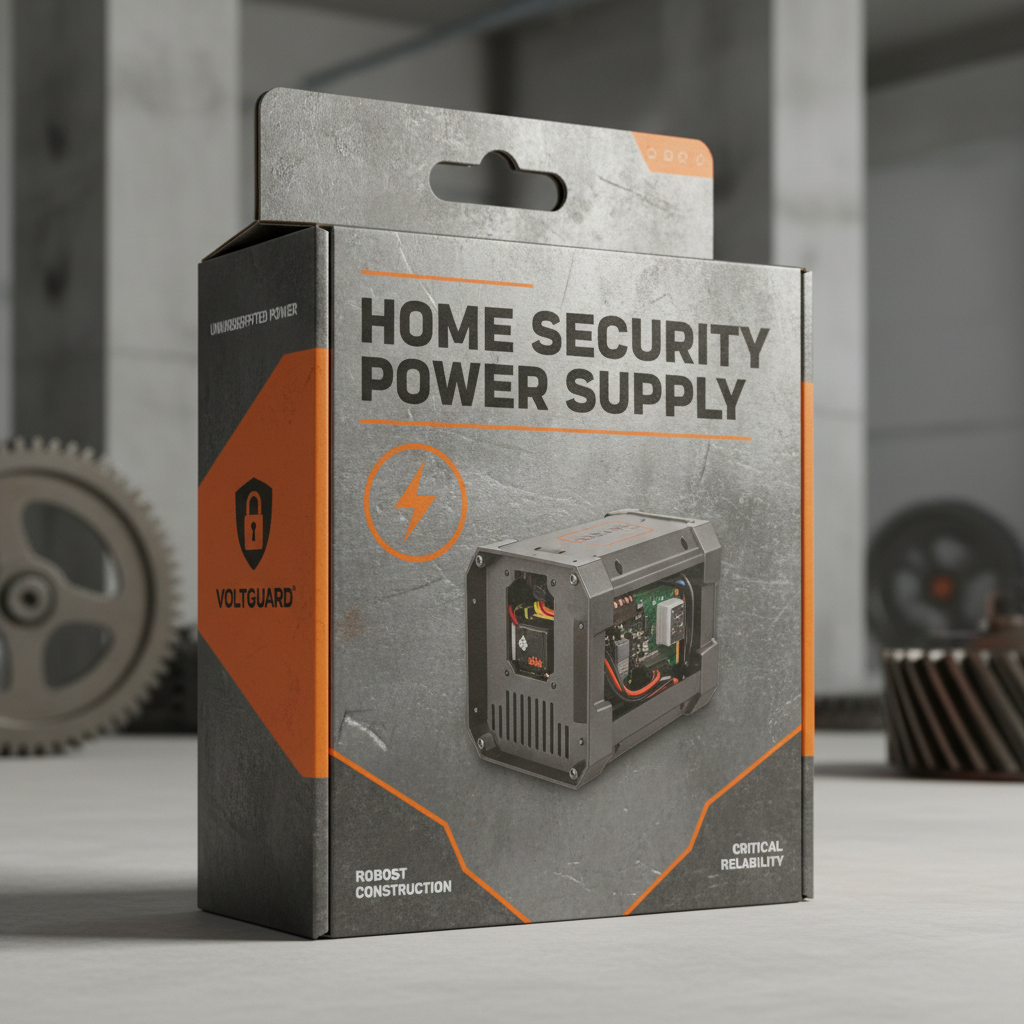
Understanding Your Security System's Power Needs
Before purchasing a home security power supply, it’s crucial to understand the power requirements of your entire system. This includes cameras, motion sensors, control panels, and any other connected devices. Check the specifications for each device to determine its voltage (typically 12V or 24V DC) and current draw (measured in Amps). Summing the current draw of all devices will give you the total amperage your power supply needs to provide. It's always recommended to choose a power supply with a slightly higher capacity than your calculated total to account for potential surges and future expansions.
Key Consideration: Calculating total amperage is vital. Underestimating can lead to system failures and unreliable operation. Always add a safety margin of 20-30% to your calculated amperage.
Types of Home Security Power Supplies
Several types of power supplies cater to different security system needs. These include:
- Standard AC/DC Adapters: These convert standard wall outlet power (AC) to the DC voltage required by most security devices. They are suitable for systems without backup power requirements.
- Uninterruptible Power Supplies (UPS): UPS systems provide battery backup during power outages, ensuring continuous operation of your security system. They are essential for critical systems that must remain active even during disruptions.
- Switching Power Supplies: These are efficient and compact, offering stable voltage output. They are commonly used in modern security systems.
Choosing the Right Type: Consider the criticality of your system. If continuous operation is vital, a UPS is a necessity. For basic systems, a standard AC/DC adapter may suffice.
UPS Systems: Backup Power and Key Features
A UPS system is arguably the most important component for a reliable home security power supply. Key features to look for include:
- VA (Volt-Amps) Rating: Indicates the amount of power the UPS can deliver. Higher VA ratings support more devices.
- Wattage: Measures the actual power consumption. Ensure the wattage is sufficient for your system’s needs.
- Battery Runtime: Determines how long the system will operate on battery power during an outage.
- Automatic Voltage Regulation (AVR): Stabilizes voltage fluctuations, protecting your equipment from damage.
Selecting a UPS with AVR is particularly beneficial in areas prone to power surges or inconsistent power delivery.
Comparing UPS Systems: Key Specifications
Here’s a comparison of popular UPS systems to help you evaluate your options:
Maintenance and Best Practices
To ensure the longevity and reliability of your home security power supply, regular maintenance is essential. This includes:
- Battery Replacement: UPS batteries have a limited lifespan (typically 3-5 years) and should be replaced proactively.
- Dust Removal: Keep the power supply clean and free of dust to prevent overheating.
- Testing: Periodically test the UPS by simulating a power outage to verify it’s functioning correctly.
Conclusion: Protecting Your Home with Reliable Power
Investing in a reliable home security power supply is a crucial step in safeguarding your property and loved ones. By understanding your system's power needs, choosing the right type of power supply, and implementing regular maintenance practices, you can ensure your security system remains operational and provides the protection you rely on. Don't compromise on safety – choose a quality power supply and protect what matters most.
Frequently Asked Questions (FAQs)
What size UPS do I need for my security system?
Determining the appropriate UPS size involves calculating the total wattage of all your security devices. Add up the wattage of cameras, control panels, motion sensors, and any other components. Then, add a 20-30% buffer to accommodate potential surges and future expansions. Choose a UPS with a wattage rating that meets or exceeds this calculated value. Consider the desired runtime – a longer runtime requires a UPS with a higher capacity battery. For example, a 600VA/360W UPS is often sufficient for a basic home security system, while larger systems might require a 1000VA or higher UPS.
How often should I replace the battery in my UPS?
UPS batteries typically last between 3 to 5 years, depending on usage and environmental conditions. However, it’s best to replace them proactively before they fail. Many UPS systems have a battery replacement indicator or self-test function that can alert you when the battery needs replacing. Regular testing of the UPS (simulating a power outage) can also help identify a weakening battery. Ignoring battery replacement can lead to unexpected power loss during an outage and compromise your security system.
Can I use a regular extension cord with my UPS?
It’s generally not recommended to use a standard extension cord with a UPS. UPS systems are designed to deliver clean and regulated power, and a cheap extension cord can introduce noise and voltage drops, potentially damaging the UPS and connected devices. If you absolutely need to use an extension cord, opt for a high-quality surge protector with a built-in power conditioner. Ideally, connect your security system directly to the UPS to ensure optimal performance and protection.
What is AVR and why is it important?
AVR stands for Automatic Voltage Regulation. It’s a feature in many UPS systems that corrects minor voltage fluctuations without switching to battery power. This protects your security equipment from damage caused by voltage sags, surges, and brownouts. AVR extends the life of your equipment and ensures stable operation, even in areas with unreliable power grids. Without AVR, frequent voltage variations can shorten the lifespan of your security system components and lead to malfunctions.
-
Cedar Point EV Charging Solutions for Sustainable Tourism Experience
NewsApr.16,2026
-
Guide to Cedar Point Charging Stations for EV Park Visitors
NewsApr.16,2026
-
Acorn Stairlift Charging Point Guide for Home Mobility Optimization
NewsApr.16,2026
-
Integrating a Wireless Charging Point into Modern Infrastructure
NewsApr.16,2026
-
How to Optimize Your iPhone 14 Charging Point for Efficiency
NewsApr.16,2026
-
Analyzing the Charging Point Share Price Trends and Market Outlook
NewsApr.09,2026