


Mar . 09, 2026 01:55 Back to list
Comprehensive Guide to Choosing the Right Home Theater Power Supply for Optimal Performance
Choosing the Right Home Theater Power Supply: A Comprehensive Guide
Creating an immersive home theater experience requires more than just a great screen and sound system. A reliable and properly sized home theater power supply is crucial for protecting your valuable equipment and ensuring optimal performance. This article will explore the importance of a dedicated power supply, key considerations when choosing one, different types available, and how to determine the right size for your setup. We’ll delve into the benefits of stable power delivery and how it enhances your overall viewing and listening experience. ACDCBESS offers a range of solutions designed for high-end home theater systems.
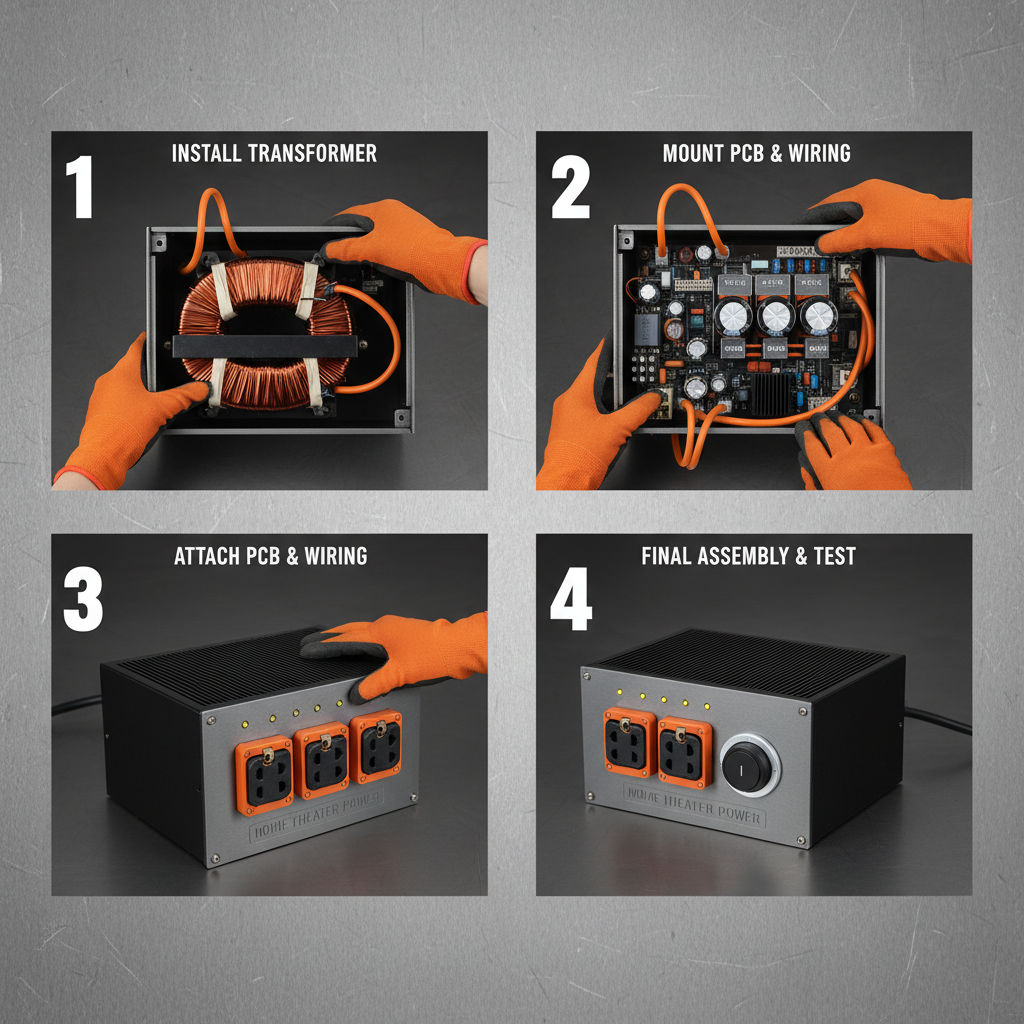
Why a Dedicated Home Theater Power Supply is Essential
Modern home theater components are sensitive to power fluctuations. Voltage sags, surges, and noise can all degrade performance and even damage equipment. A dedicated power supply, such as an Uninterruptible Power Supply (UPS) or a power conditioner, provides clean, stable power, shielding your components from these issues. This results in improved audio and video quality, reduced risk of damage, and increased longevity of your investment. Furthermore, a UPS provides backup power during outages, allowing you to safely shut down your system and prevent data loss or component failure. Investing in a quality power supply is a proactive step toward protecting your home theater investment.
Key Benefits: Clean, stable power, protection from surges and sags, improved audio/video quality, backup power during outages, extended equipment lifespan.
Types of Home Theater Power Supplies: Choosing What's Right for You
Several types of power supplies cater to home theater needs. UPS (Uninterruptible Power Supply) units provide battery backup in addition to power conditioning. They’re ideal for complete system protection during power outages. Power Conditioners filter out noise and provide voltage regulation without battery backup. Isolation Transformers completely isolate your equipment from the AC line, further reducing noise and improving performance. Voltage Regulators maintain a consistent voltage level, protecting against fluctuations. The best choice depends on your budget, the sensitivity of your equipment, and the frequency of power disruptions in your area. ACDCBESS offers all of these options, tailored to various home theater configurations.
Power Supply Types:
• UPS: Battery backup + Power Conditioning
• Power Conditioner: Noise Filtering + Voltage Regulation
• Isolation Transformer: Complete AC Line Isolation
• Voltage Regulator: Consistent Voltage Output
Calculating Your Home Theater Power Supply Needs
Determining the correct size power supply is crucial. Start by calculating the total wattage of all connected components: your AV receiver, speakers, subwoofer, projector or TV, Blu-ray player, and any other devices. Check the power consumption listed on each device's label or in its manual. Add up the wattage values to get your total power demand. Then, add a safety margin of 20-25% to account for peak loads and potential future additions. For example, if your total wattage is 500W, choose a power supply rated for at least 600-625W. Consider the VA (Volt-Amps) rating as well, as it provides a more accurate measure of the power supply's capacity. ACDCESS provides power solutions for various wattage demands.
Comparing Top Home Theater Power Supply Features
When comparing different power supplies, consider factors like surge protection levels (measured in Joules), noise filtering capabilities, the number and type of outlets, and the presence of features like automatic voltage regulation (AVR). A higher Joule rating indicates better surge protection. Look for outlets designed to accommodate various plug types. AVR helps maintain a stable voltage output, protecting your equipment from damage. Read reviews and compare specifications to find the best fit for your needs. ACDCBESS provides detailed specifications and comparisons to help you make an informed decision.
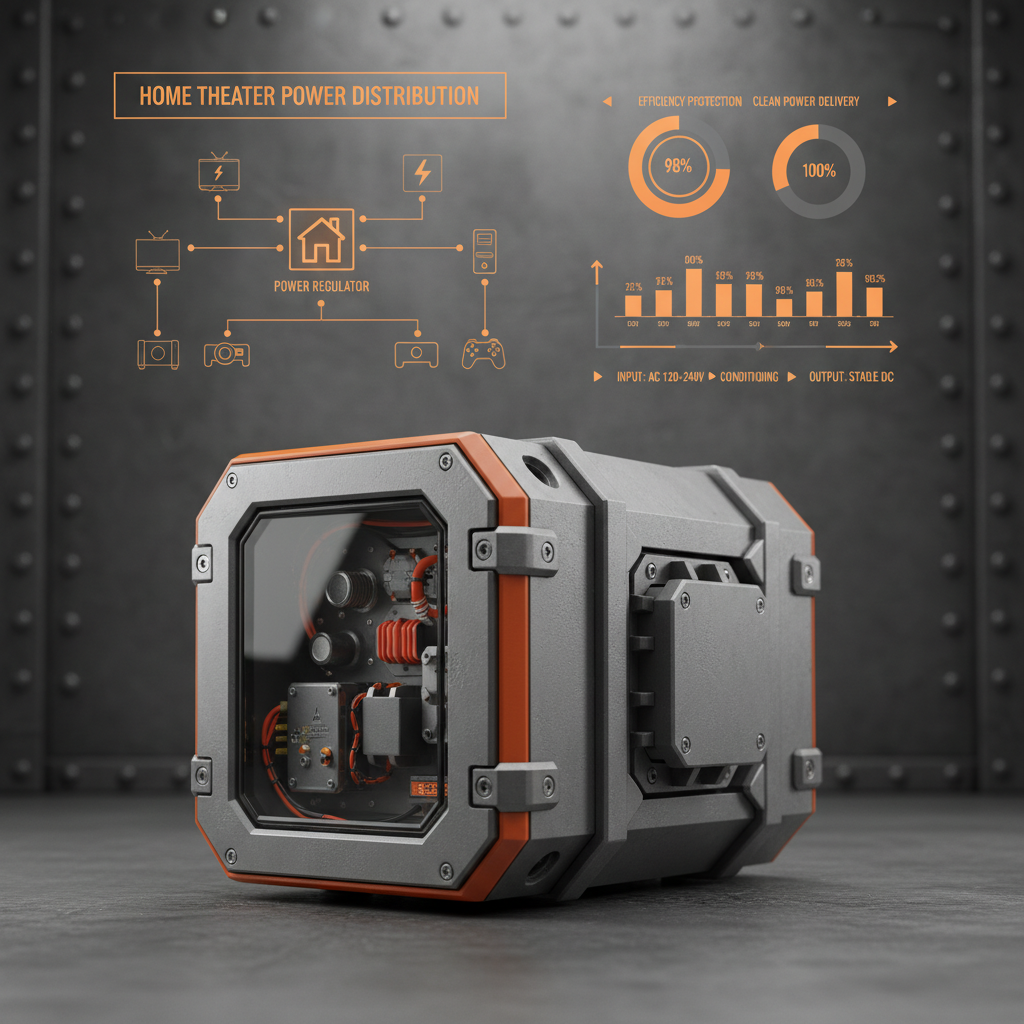
ACDCBESS: Powering Your Home Theater Experience
ACDCBESS specializes in providing high-quality power solutions for home theaters. Our products are engineered for reliability, performance, and protection. We offer a wide range of UPS, power conditioners, and isolation transformers to meet diverse needs and budgets. Our team of experts can help you select the right power supply for your specific setup. We're committed to delivering exceptional customer support and ensuring your home theater operates flawlessly. Investing in a ACDCBESS power supply is an investment in the longevity and performance of your entertainment system.
Conclusion: Protect Your Investment with a Reliable Power Supply
A reliable home theater power supply is a critical component of any high-performance system. By providing clean, stable power and protection from surges and outages, it ensures optimal performance, extends equipment lifespan, and enhances your overall viewing and listening experience. Don't compromise on power quality – choose ACDCBESS.
Frequently Asked Questions (FAQs)
What is the difference between a UPS and a power conditioner?
A power conditioner primarily filters out noise and regulates voltage to provide clean power. A UPS, on the other hand, also provides power conditioning but includes a battery backup. This means a UPS can keep your system running for a limited time during a power outage, allowing for a safe shutdown. If you frequently experience power outages or voltage fluctuations, a UPS is the better choice. If your primary concern is improving power quality, a power conditioner may suffice.
How do I determine the right VA rating for my power supply?
VA (Volt-Amps) represents the apparent power capacity. To calculate the required VA, multiply the voltage of your electrical outlet (usually 120V in North America) by the total amperage draw of all connected devices. You can find the amperage draw on the device's label. Add a safety margin of 20-25% to the total VA value. For example, if your total amperage draw is 10A, your required VA is 120V x 10A = 1200VA, plus a 20% margin, bringing it to 1440VA.
Are all surge protectors created equal?
No, surge protectors vary significantly in their protection capabilities. The Joule rating is a key indicator – a higher Joule rating means better surge protection. Look for protectors with features like indicator lights to show they are functioning, and those that comply with UL standards. A basic surge protector may not be sufficient to protect sensitive home theater equipment from larger surges. ACDCBESS power supplies offer superior surge protection.
What is AVR and why is it important?
AVR (Automatic Voltage Regulation) is a feature that maintains a consistent voltage output even when the input voltage fluctuates. This is important because voltage fluctuations can damage sensitive electronic components. AVR stabilizes the voltage, ensuring your equipment receives the correct power level for optimal performance and longevity. It is particularly valuable in areas prone to voltage instability.
-
Cedar Point EV Charging Solutions for Sustainable Tourism Experience
NewsApr.16,2026
-
Guide to Cedar Point Charging Stations for EV Park Visitors
NewsApr.16,2026
-
Acorn Stairlift Charging Point Guide for Home Mobility Optimization
NewsApr.16,2026
-
Integrating a Wireless Charging Point into Modern Infrastructure
NewsApr.16,2026
-
How to Optimize Your iPhone 14 Charging Point for Efficiency
NewsApr.16,2026
-
Analyzing the Charging Point Share Price Trends and Market Outlook
NewsApr.09,2026