


Mar . 09, 2026 01:55 Back to list
Comprehensive Guide to Choosing the Right Home Theatre Power Supply for Optimal Performance
Choosing the Right Home Theatre Power Supply: A Comprehensive Guide
A reliable home theatre power supply is the backbone of any high-quality audio-visual experience. It safeguards your valuable equipment from power surges, fluctuations, and noise, ultimately ensuring optimal performance and longevity. This article delves into the crucial aspects of selecting the right power supply for your home theatre setup, covering everything from power requirements to surge protection and isolation. Protecting your investment starts with understanding your power needs and choosing a supply that delivers clean, stable electricity.
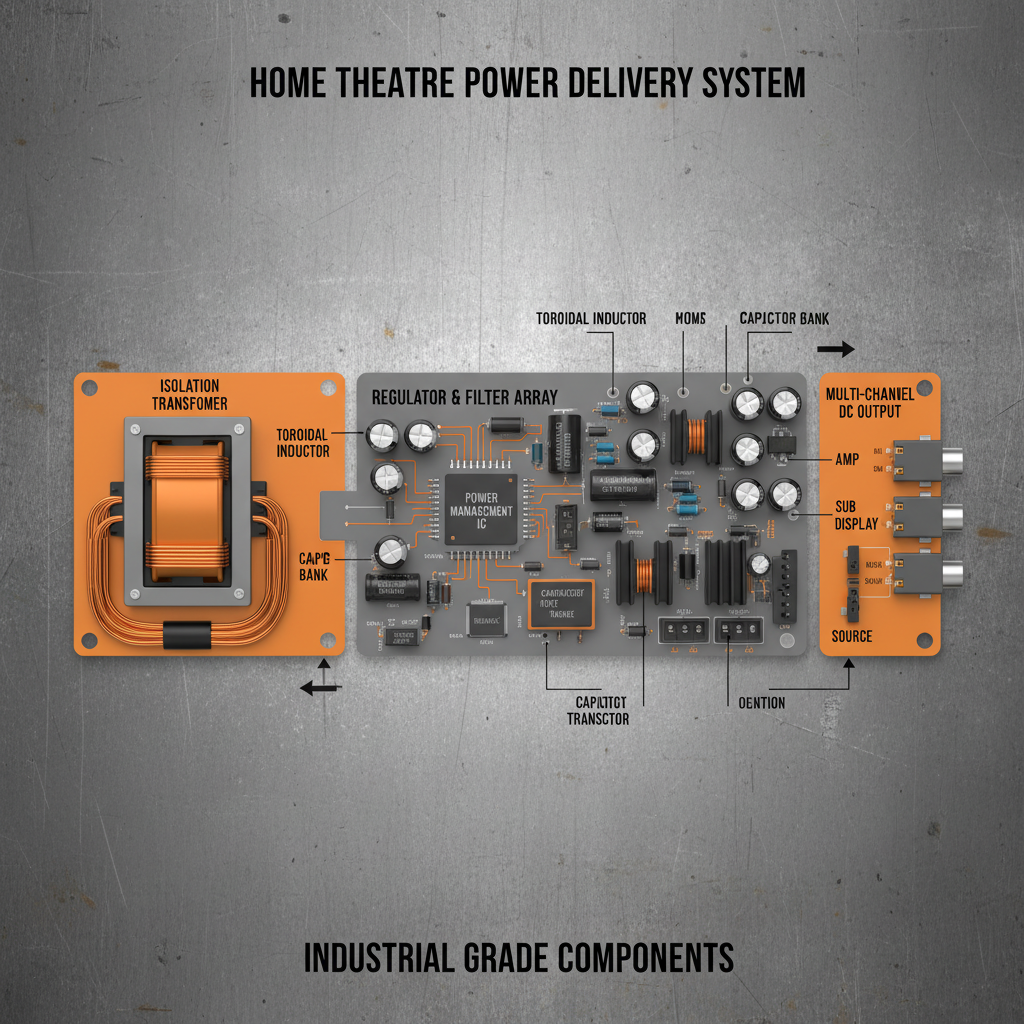
Understanding Your Home Theatre’s Power Requirements
Before investing in a home theatre power supply, it’s vital to calculate the total power consumption of all connected devices. This includes your AV receiver, speakers, Blu-ray player, streaming devices, and any other components. Check the power rating (in watts) on each device's label or in its manual. Add up the wattage of all devices to determine the minimum power capacity your supply should offer. It's recommended to choose a supply with a safety margin of at least 20-30% to accommodate peak power demands and future expansions. Undersizing your power supply can lead to performance issues and potential damage to your equipment.
Key Consideration: Always prioritize a power supply with a wattage rating exceeding your calculated total power consumption for optimal performance and safety.
Types of Home Theatre Power Supplies
Several types of power supplies cater to different home theatre needs. These include:
- Surge Protectors: The most basic option, providing protection against voltage spikes.
- Line Conditioners: Filter out electrical noise and improve power quality.
- Isolation Transformers: Provide complete electrical isolation, eliminating ground loops and further reducing noise.
- Uninterruptible Power Supplies (UPS): Offer surge protection, line conditioning, and battery backup in case of a power outage.
The choice depends on your budget, the sensitivity of your equipment, and the quality of your local power grid. For high-end systems, an isolation transformer or UPS is often recommended. For basic protection, a surge protector or line conditioner may suffice.
Power Supply Type Benefits:
• Surge Protectors: Cost-effective, basic protection
• Line Conditioners: Improved power quality, noise reduction
• Isolation Transformers: Complete electrical isolation, ground loop elimination
• UPS: Battery backup, surge protection, line conditioning
Comparing Key Features: A Home Theatre Power Supply Checklist
When evaluating potential power supplies, consider these essential features:
- Wattage Capacity: As discussed, ensure it exceeds your system’s total power consumption.
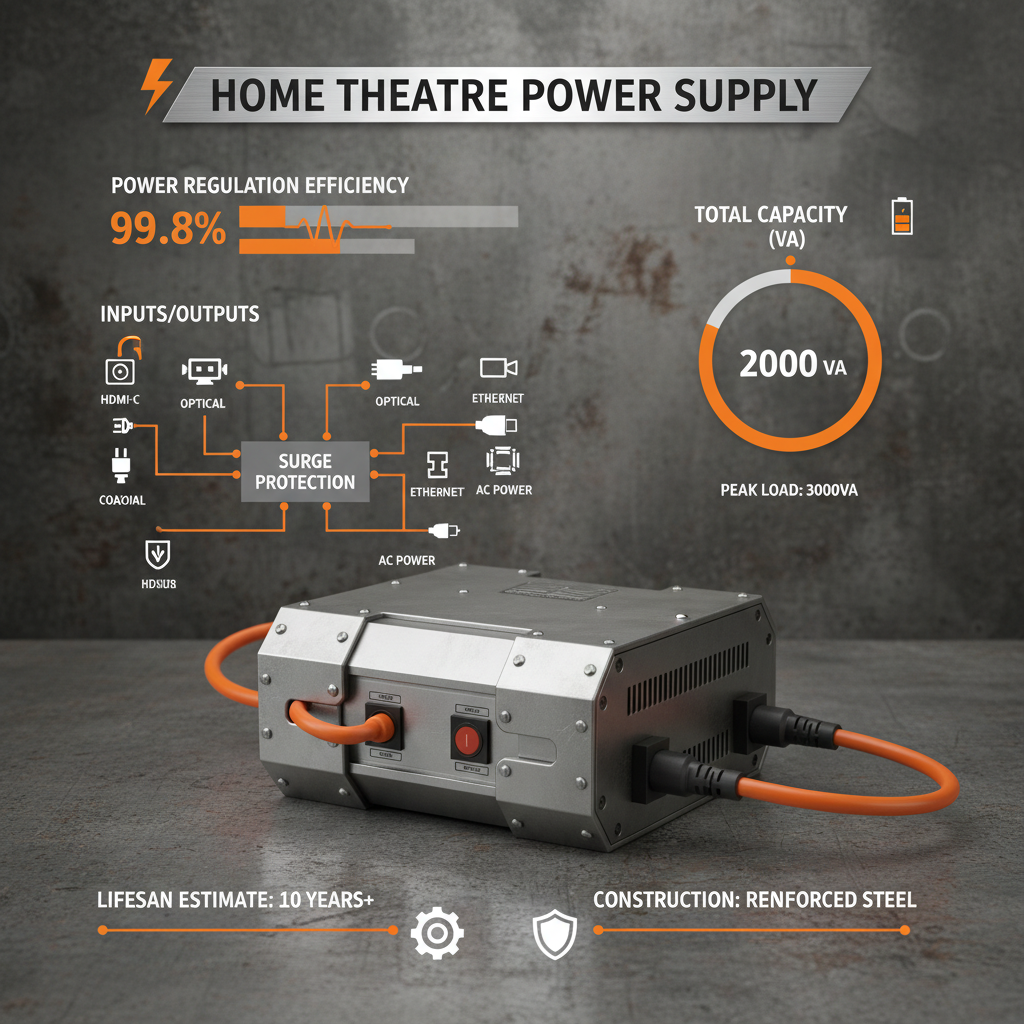
- Surge Protection: Look for a high joule rating (at least 600 joules) for robust protection.
- Noise Filtering: Effective noise filtering minimizes interference and improves audio/video clarity.
- Isolation: Isolation transformers eliminate ground loops and reduce noise.
- Outlets: Ensure the supply has enough outlets to accommodate all your devices.
- Certifications: Look for certifications like UL or CE for safety and quality assurance.
Why Choose ACDCBESS for Your Power Supply Needs?
ACDCBESS offers a wide range of high-quality home theatre power supplies designed to protect your investment and enhance your viewing experience. Our products feature advanced surge protection, noise filtering, and isolation technology, ensuring clean, stable power delivery. We also provide customized solutions to meet specific requirements. With ACDCBESS, you're not just buying a power supply; you're investing in peace of mind and the longevity of your valuable home theatre equipment.
Conclusion: Powering Your Entertainment with Confidence
Choosing the right home theatre power supply is an essential step in protecting your investment and ensuring optimal performance. By understanding your power requirements, evaluating different types of supplies, and considering key features like surge protection and noise filtering, you can make an informed decision. ACDCBESS offers reliable and high-quality solutions to power your entertainment with confidence.
Frequently Asked Questions (FAQs)
What is the difference between a surge protector and a UPS?
A surge protector safeguards against voltage spikes, diverting excess energy away from your equipment. A UPS (Uninterruptible Power Supply) goes a step further by providing surge protection, line conditioning and battery backup. This means that in the event of a power outage, the UPS will continue to supply power to your connected devices, allowing you to safely shut down your system and prevent data loss or hardware damage. A UPS is a more comprehensive solution, especially for critical components like your AV receiver.
How important is noise filtering in a home theatre power supply?
Noise filtering is crucial for maintaining optimal audio and video quality. Electrical noise from appliances, lighting, and other sources can interfere with your home theatre system, resulting in audible hum, static, or visual distortions. A good power supply with effective noise filtering minimizes these interferences, delivering clean power and enhancing the clarity of your entertainment.
Do I need a separate power supply for each device?
Generally, you don’t need a separate power supply for each device. A single, high-quality power supply with enough outlets and wattage capacity can protect your entire home theatre system. However, for particularly sensitive or expensive components, like high-end amplifiers, you might consider dedicated isolation transformers to provide the highest level of protection and noise reduction.
What is a joule rating, and why is it important?
The joule rating indicates how much energy a surge protector can absorb before failing. A higher joule rating provides better protection against large power surges. For a home theatre system, it’s recommended to choose a surge protector with a joule rating of at least 600, and preferably higher (e.g., 1000+), for maximum safety.
-
Cedar Point EV Charging Solutions for Sustainable Tourism Experience
NewsApr.16,2026
-
Guide to Cedar Point Charging Stations for EV Park Visitors
NewsApr.16,2026
-
Acorn Stairlift Charging Point Guide for Home Mobility Optimization
NewsApr.16,2026
-
Integrating a Wireless Charging Point into Modern Infrastructure
NewsApr.16,2026
-
How to Optimize Your iPhone 14 Charging Point for Efficiency
NewsApr.16,2026
-
Analyzing the Charging Point Share Price Trends and Market Outlook
NewsApr.09,2026