

Mar . 10, 2026 01:55 Back to list
Comprehensive Guide to Choosing the Right Mobile Home Power Supply Options
Choosing the Right Mobile Home Power Supply: A Comprehensive Guide
Selecting the right power supply for your mobile home is crucial for ensuring a safe, reliable, and comfortable living experience. A properly sized and installed mobile home power supply is the heart of your electrical system. This guide will delve into the various options available, key considerations for choosing the right system, and the benefits of upgrading your power supply. We’ll explore everything from understanding your power needs to the latest advancements in power technology to help you make an informed decision.
Understanding Your Power Needs for a Mobile Home
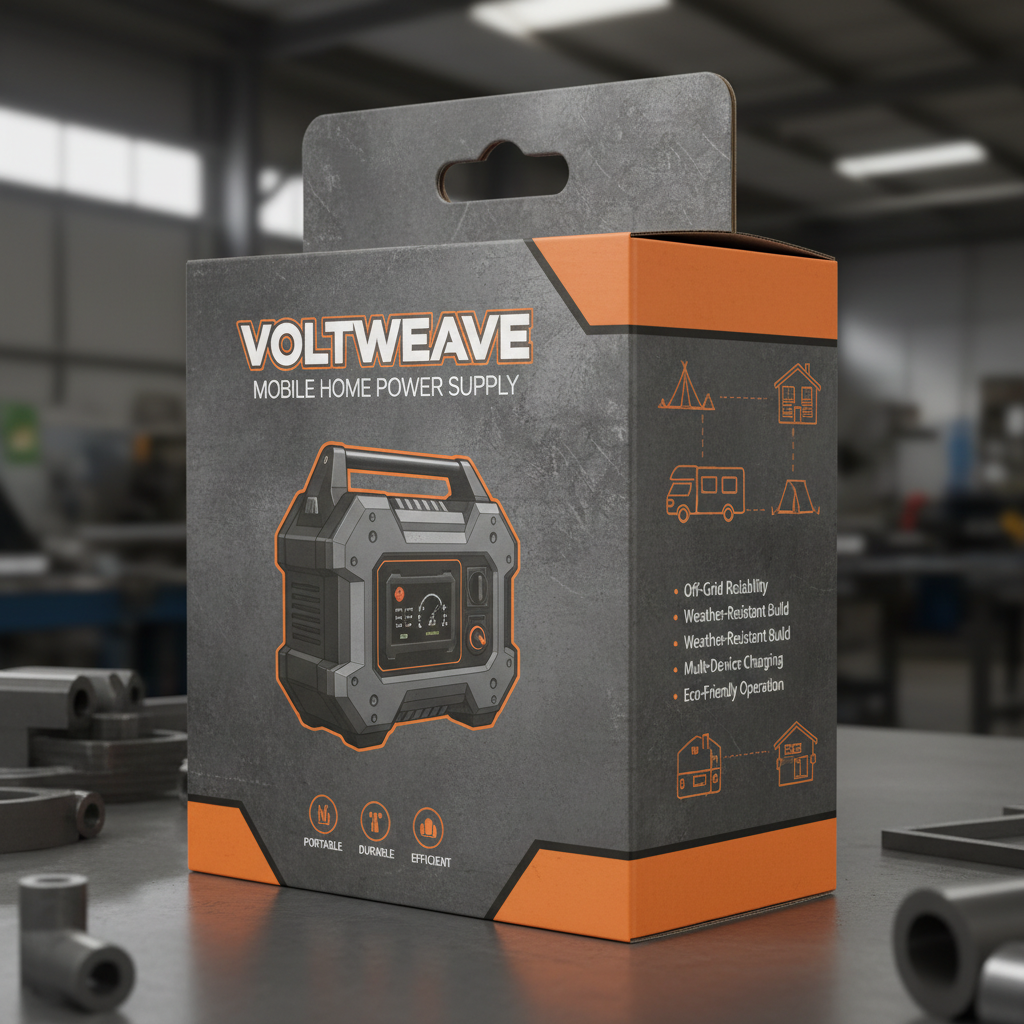
Before diving into specific power supply options, it's essential to accurately assess your power demands. This involves creating a list of all electrical appliances you plan to use in your mobile home, noting their wattage requirements. Consider both essential appliances (refrigerator, lights, heating/cooling) and optional ones (television, microwave, computer). Remember to factor in potential future additions. Underestimating your power needs can lead to frequent breaker trips and appliance malfunctions, while overestimating can result in unnecessary expense. The ACDCBESS team can help you determine your exact power consumption.
Key Consideration: Accurate assessment of power demand is the cornerstone of selecting the right power supply system. Don't forget to include surge wattage for appliances like air conditioners and refrigerators.
Types of Mobile Home Power Supply Systems
Several types of power supply systems are commonly used in mobile homes, each with its pros and cons. These include traditional circuit breaker panels, and increasingly, systems incorporating battery storage. Traditional systems rely solely on the electrical grid. Battery storage systems, often paired with solar panels, provide backup power during outages and can reduce reliance on the grid. The best choice depends on your lifestyle, budget, and desire for energy independence. ACDC offers solutions for both traditional and advanced setups.
Power Supply System Options:
• Traditional Circuit Breaker Panels: Reliable, cost-effective, grid-dependent.
• Battery Backup Systems: Provides power during outages, enhances energy independence.
• Solar Power Integration: Sustainable, reduces energy bills, requires initial investment.
Comparing Power Supply Options: Cost and Performance
Understanding the cost and performance of each power supply option is crucial for making the right decision. Traditional systems have the lowest upfront cost but offer no backup power. Battery backup systems have a higher initial investment but provide valuable peace of mind during outages. Solar integration represents the highest initial cost but offers long-term savings and environmental benefits. Below is a comparative overview:
Selecting the Right Amperage for Your Mobile Home Power Supply
The amperage of your power supply must be sufficient to handle your power demands. Most mobile homes require a 50-amp or 100-amp service. A 50-amp service is generally suitable for smaller mobile homes with fewer appliances, while a 100-amp service is recommended for larger homes with more power-hungry appliances. Consult with a qualified electrician to determine the appropriate amperage for your specific needs. ACDC offers power supplies in various amperages to suit different requirements.
Professional Installation is Crucial
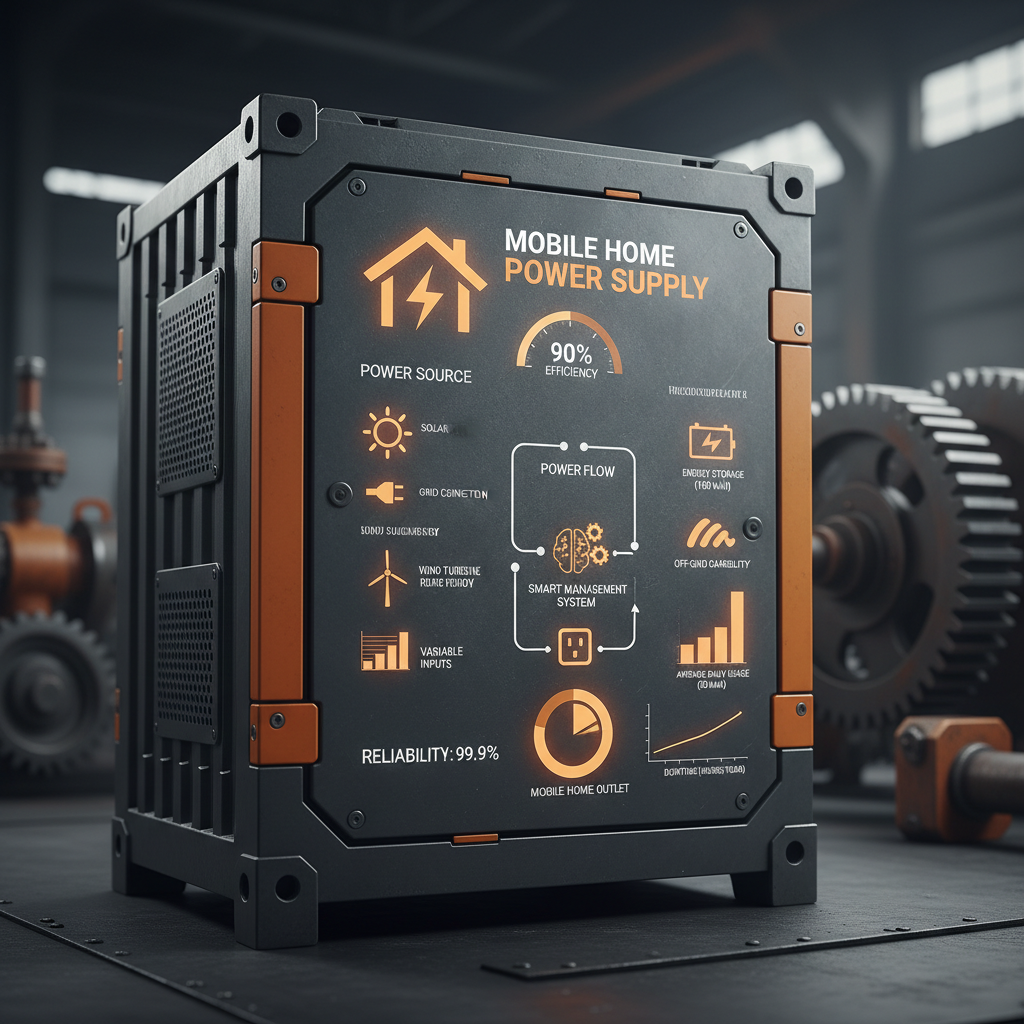
Installing a mobile home power supply is not a DIY project. It requires specialized knowledge and adherence to electrical codes to ensure safety and prevent damage. Always hire a qualified and licensed electrician to perform the installation. A professional will ensure the system is properly grounded, wired, and tested, minimizing the risk of electrical hazards. ACDCBESS partners with a network of certified installers.
Conclusion: Powering Your Mobile Home Life
Choosing the right mobile home power supply is an investment in your comfort, safety, and peace of mind. By carefully assessing your power needs, exploring the available options, and hiring a qualified electrician for installation, you can ensure a reliable and efficient electrical system for your mobile home. ACDCBESS is here to help you navigate this process and provide the perfect power solution for your lifestyle.
Frequently Asked Questions (FAQs)
What is the difference between a 50-amp and 100-amp service?
A 50-amp service delivers approximately 12,000 watts of power, while a 100-amp service provides around 24,000 watts. The higher amperage allows you to run more appliances simultaneously without overloading the system. If you frequently use energy-intensive appliances like air conditioners, electric heaters, or large kitchen appliances, a 100-amp service is generally recommended. Consider your lifestyle and future power needs when making this decision.
Can I upgrade from a 50-amp to a 100-amp service?
Yes, it's possible to upgrade, but it requires a qualified electrician to assess your existing electrical system and determine the necessary changes. This may involve replacing the main service panel, wiring, and meter. It's important to obtain the necessary permits and inspections to ensure the upgrade meets local electrical codes. The cost of an upgrade can vary depending on the complexity of the work.
What is the role of surge protection in a mobile home power supply?
Surge protection is crucial for safeguarding your appliances and electrical system from voltage spikes caused by lightning strikes, power grid fluctuations, or appliance operation. A surge protector diverts excess voltage to the ground, preventing damage to sensitive electronic devices. It’s recommended to install a whole-house surge protector at the main service panel and use point-of-use surge protectors for valuable electronics.
How does battery storage integrate with a mobile home power supply?
Battery storage systems are connected to your mobile home's electrical panel and charged by the grid, solar panels, or both. During a power outage, the batteries automatically provide backup power, keeping essential appliances running. Battery storage can also reduce your reliance on the grid by storing excess energy generated by solar panels for later use, leading to lower electricity bills. ACDCBESS offers a range of battery storage solutions tailored to mobile home applications.
-
Cedar Point EV Charging Solutions for Sustainable Tourism Experience
NewsApr.16,2026
-
Guide to Cedar Point Charging Stations for EV Park Visitors
NewsApr.16,2026
-
Acorn Stairlift Charging Point Guide for Home Mobility Optimization
NewsApr.16,2026
-
Integrating a Wireless Charging Point into Modern Infrastructure
NewsApr.16,2026
-
How to Optimize Your iPhone 14 Charging Point for Efficiency
NewsApr.16,2026
-
Analyzing the Charging Point Share Price Trends and Market Outlook
NewsApr.09,2026