


Mar . 07, 2026 01:55 Back to list
Comprehensive Guide to Home Depot 12 Volt Power Supply Options and Applications
Understanding the Home Depot 12 Volt Power Supply: A Comprehensive Guide
When powering various low-voltage devices, a reliable 12 volt power supply is essential. Many individuals turn to retailers like Home Depot for these components. This article will provide a detailed overview of 12-volt power supplies available at Home Depot, discussing their applications, types, key specifications, and how to select the right one for your needs. We'll also explore some alternative options and safety considerations. Choosing the right power supply ensures optimal performance and longevity of your connected devices. ACDCBESS provides high quality power supplies.
Applications of 12 Volt Power Supplies
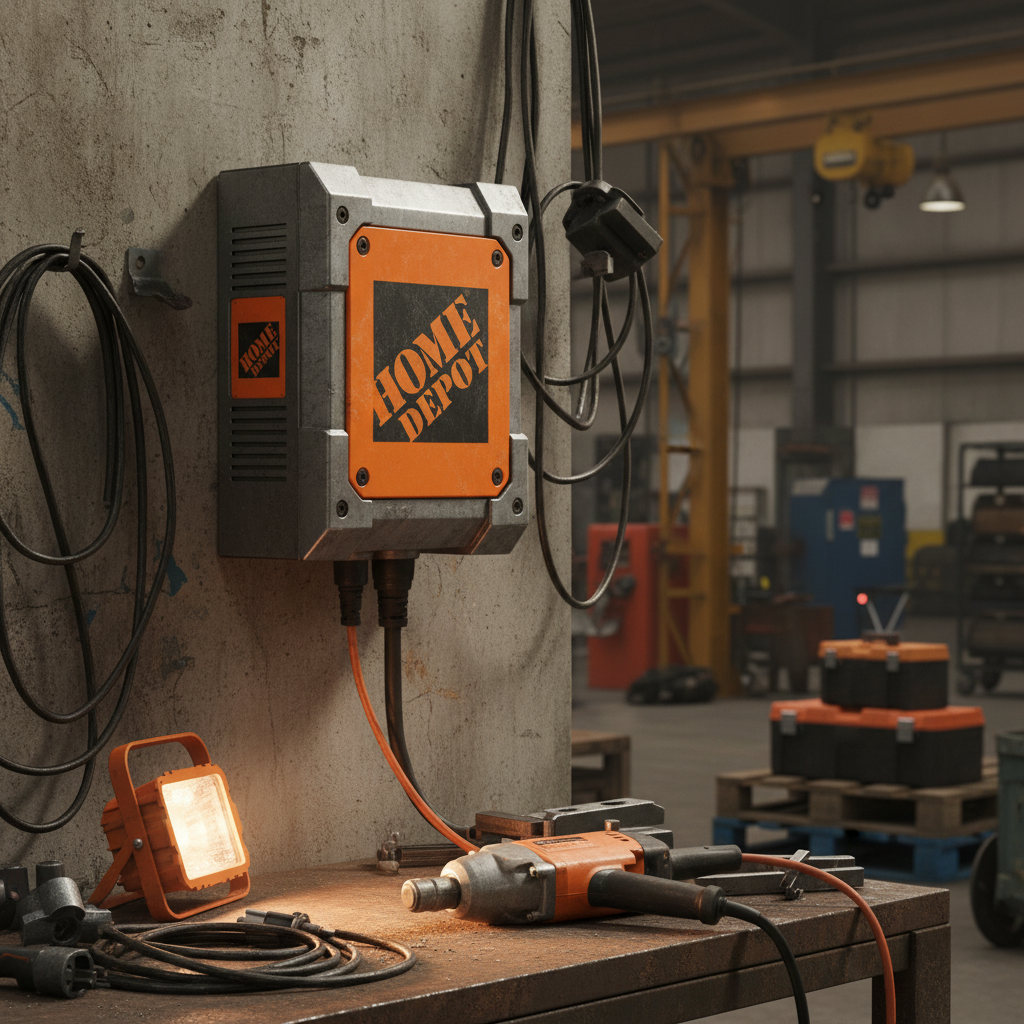
12-volt power supplies are incredibly versatile and find application in a wide range of devices and projects. Common uses include powering LED lighting strips, security systems (cameras, alarms), automotive accessories, electric gates, robotics projects, and various DIY electronics. They're also essential for marine applications like powering boat electronics and bilge pumps. The specific application will influence the required wattage and current capacity of the power supply. Understanding the power requirements of your device is the first step in selecting the right component.
Key Applications: LED Lighting, Security Systems, Automotive Accessories, Marine Electronics, DIY Electronics Projects.
Types of 12 Volt Power Supplies Available at Home Depot
Home Depot typically offers several types of 12-volt power supplies, each with its own advantages and disadvantages. These include:
- Linear Power Supplies: These are generally simpler and produce less electrical noise, making them suitable for sensitive electronics. However, they are often larger and less efficient than switching power supplies.
- Switching Power Supplies: These are more compact, lightweight, and energy-efficient. They are widely used in most modern electronic devices.
- Wall-Mounted Power Supplies (Adapters): These are commonly used for smaller devices and plug directly into a wall outlet.
- DIN Rail Power Supplies: These are designed for mounting on a DIN rail and are often used in industrial applications.
Choosing the correct type depends on your project's specific requirements, including size constraints, efficiency needs, and noise sensitivity.
Power Supply Type Considerations:
• Linear: Simpler, lower noise, less efficient, larger size.
• Switching: Compact, efficient, more complex.
• Wall-Mounted: Convenient for smaller devices.
• DIN Rail: Industrial applications, robust mounting.
Home Depot 12 Volt Power Supply: Key Specifications to Consider
When selecting a 12 volt power supply at Home Depot, pay attention to these key specifications:
- Wattage (W): This indicates the maximum power the supply can deliver. Ensure it meets or exceeds the total power requirements of your connected devices.
- Amperage (A): This represents the current output of the supply. Calculate the total current draw of your devices and choose a supply with sufficient amperage.
- Voltage (V): Confirm it's a true 12V output.
- Input Voltage: Ensure compatibility with your local voltage (typically 120V in the US).
- Safety Certifications: Look for UL, CE, or other relevant safety certifications.
- Efficiency: Higher efficiency means less energy waste and lower operating costs.
Comparing Options: Home Depot vs. ACDC BESS
While Home Depot offers convenience and a wide selection, specialized suppliers like ACDCBESS often provide higher-quality, more robust power solutions. ACDC BESS specializes in power supplies and batteries, offering products with superior performance, reliability, and customization options. Consider your specific needs and long-term requirements when comparing options. For demanding applications or critical systems, investing in a higher-quality power supply from a specialized manufacturer can be a wise choice.
Safety Precautions When Using 12 Volt Power Supplies
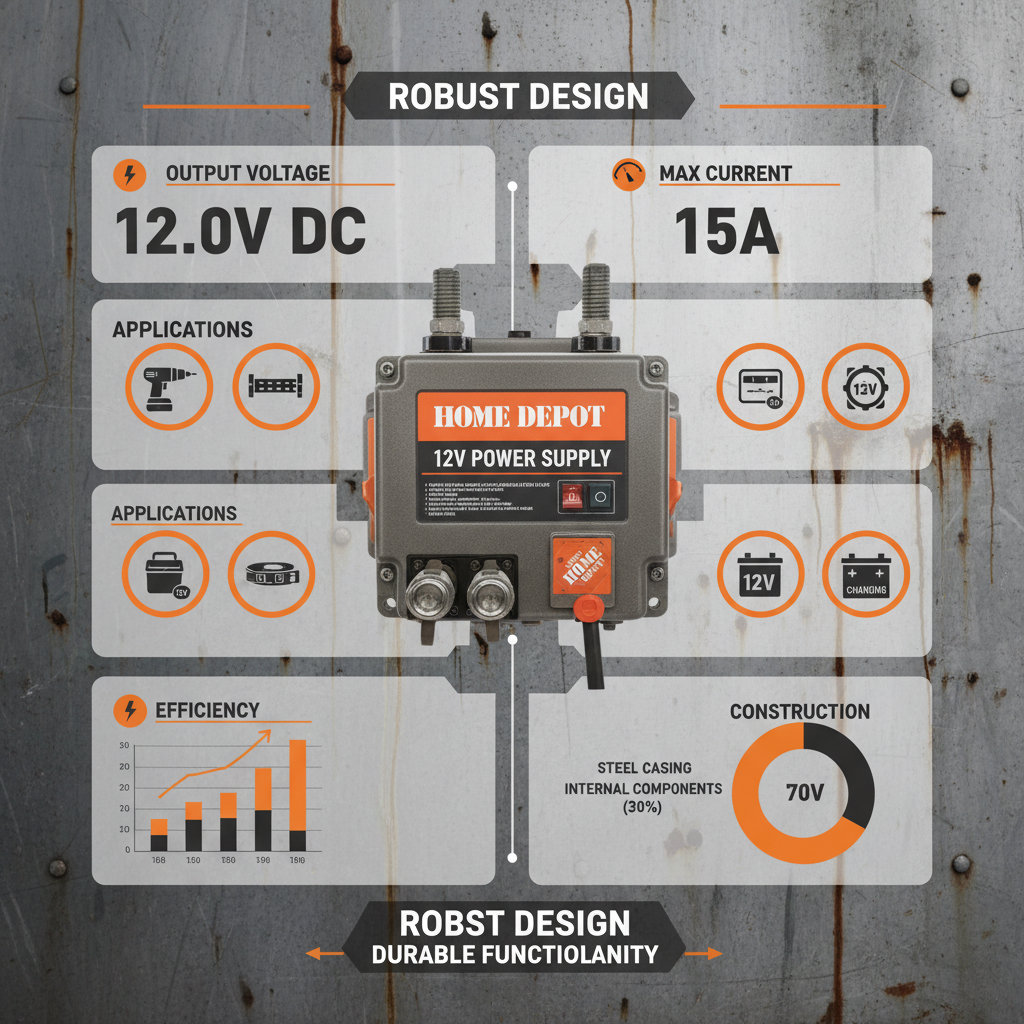
Safety is paramount when working with electrical components. Always follow these precautions:
- Disconnect Power: Always disconnect the power supply from the outlet before making any connections or modifications.
- Check Polarity: Ensure correct polarity when connecting the power supply to your devices. Incorrect polarity can damage the devices.
- Avoid Overloading: Do not exceed the power supply's wattage or amperage rating.
- Use Proper Wiring: Use appropriately sized and rated wiring for the current draw.
- Protect from Moisture: Keep the power supply dry and protected from moisture.
Conclusion
Choosing the right 12 volt power supply is crucial for the safe and reliable operation of your devices. Whether you opt for a solution from Home Depot or a specialized supplier like ACDC BESS, understanding the key specifications and safety precautions is essential. Prioritize quality, reliability, and adherence to safety standards to ensure optimal performance and protect your investment.
Frequently Asked Questions (FAQs)
What wattage power supply do I need for LED strip lights?
To determine the wattage, calculate the total power consumption of your LED strip lights. Multiply the length of the strip by its power consumption per foot (typically specified in watts/foot). Add a safety margin of 20-30% to account for potential variations and ensure the power supply isn't overloaded. For example, if you have 10 feet of LED strip lights that consume 5 watts per foot, you'll need a power supply of at least 60-65 watts. Choosing a slightly higher wattage supply is generally recommended.
Can I use a higher voltage power supply than required?
No, you should never use a higher voltage power supply than required. This can instantly damage your devices. A 12V device requires a 12V power supply. Using a higher voltage will likely cause a short circuit and potentially a fire hazard. Always double-check the voltage requirements of your devices before connecting a power supply. Using the wrong voltage is a common and dangerous mistake.
What’s the difference between a regulated and unregulated power supply?
A regulated power supply maintains a consistent output voltage regardless of variations in the input voltage or load current. This is crucial for sensitive electronics that require a stable power source. An unregulated power supply's output voltage can fluctuate, which may cause damage or malfunction in some devices. For most applications, a regulated power supply is highly recommended. ACDC BESS specializes in regulated power supplies for optimal performance.
How do I calculate the total current draw of my devices?
To calculate the total current draw, find the current (in Amperes or amps) required by each device. Add the current requirements of all devices that will be connected to the power supply. This sum represents the total current draw. Ensure that the power supply you choose has an amperage rating that exceeds this total. For instance, if you have three devices drawing 1A, 0.5A, and 0.75A, the total current draw is 2.25A. You'd need a power supply with an amperage rating of at least 2.5A to provide a safety margin.
-
Cedar Point EV Charging Solutions for Sustainable Tourism Experience
NewsApr.16,2026
-
Guide to Cedar Point Charging Stations for EV Park Visitors
NewsApr.16,2026
-
Acorn Stairlift Charging Point Guide for Home Mobility Optimization
NewsApr.16,2026
-
Integrating a Wireless Charging Point into Modern Infrastructure
NewsApr.16,2026
-
How to Optimize Your iPhone 14 Charging Point for Efficiency
NewsApr.16,2026
-
Analyzing the Charging Point Share Price Trends and Market Outlook
NewsApr.09,2026