


Feb . 28, 2026 01:55 Back to list
Comprehensive Guide to Waterproof Portable Power Stations for Outdoor Adventures
Waterproof Portable Power Station: A Comprehensive Guide
In today's world, staying connected and powered up, especially during outdoor adventures or emergencies, is more crucial than ever. A waterproof portable power station offers a reliable solution, providing on-demand electricity wherever you go. This article will explore the benefits, features, and key considerations when choosing the right portable power station for your needs. From camping trips to power outages, these devices offer peace of mind and convenience.
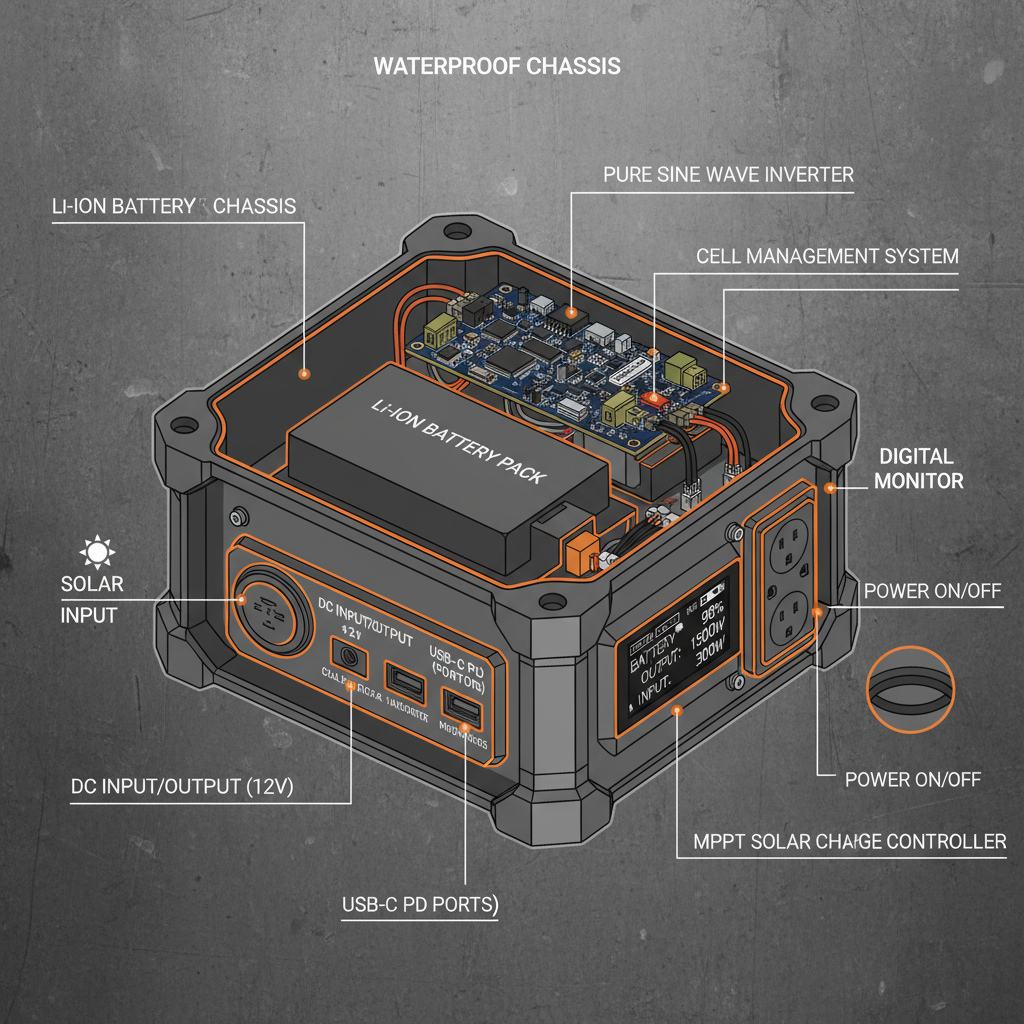
Why Choose a Waterproof Portable Power Station?
The demand for portable power stations has soared, and for good reason. They're incredibly versatile, serving as a backup power source during outages, a reliable companion for camping and overlanding, and a convenient power supply for remote job sites. However, a standard power station may not be sufficient if you anticipate encountering wet conditions. A waterproof portable power station provides the added security of protecting its internal components from rain, splashes, and even submersion. This is especially important for activities like kayaking, fishing, or working in unpredictable weather. Choosing the right model ensures consistent performance and longevity, avoiding potential damage and costly repairs.
Key Benefit: Protection against the elements, ensuring reliable power in any environment.
Key Features to Look for in a Waterproof Portable Power Station
When selecting a waterproof portable power station, consider several crucial features. Capacity (measured in watt-hours) determines how much power you can store. Output ports (AC, DC, USB) dictate what devices you can power. Charging options (AC adapter, solar panel, car charger) offer flexibility. And, of course, the IP rating (Ingress Protection) specifies the level of water and dust resistance. Higher IP ratings indicate greater protection. A quality station will also include safety features like overload protection and short-circuit prevention.
Essential Features:
• High Capacity for Extended Use
• Multiple Output Ports for Versatility
• Rapid Charging Capabilities
• Robust Safety Protections
Understanding IP Ratings: Decoding Waterproof Levels
The IP rating is a crucial indicator of a power station's water resistance. It consists of two digits: the first represents protection against solids (dust), and the second represents protection against liquids (water). For example, IP65 means the device is dust-tight and protected against water jets from any direction. IP67 signifies dust-tightness and protection against immersion in water up to 1 meter for 30 minutes. IP68 indicates complete protection against dust and long-term immersion in water. When searching for a waterproof portable power station, aim for at least IP65, but IP67 or IP68 are recommended for more demanding environments.
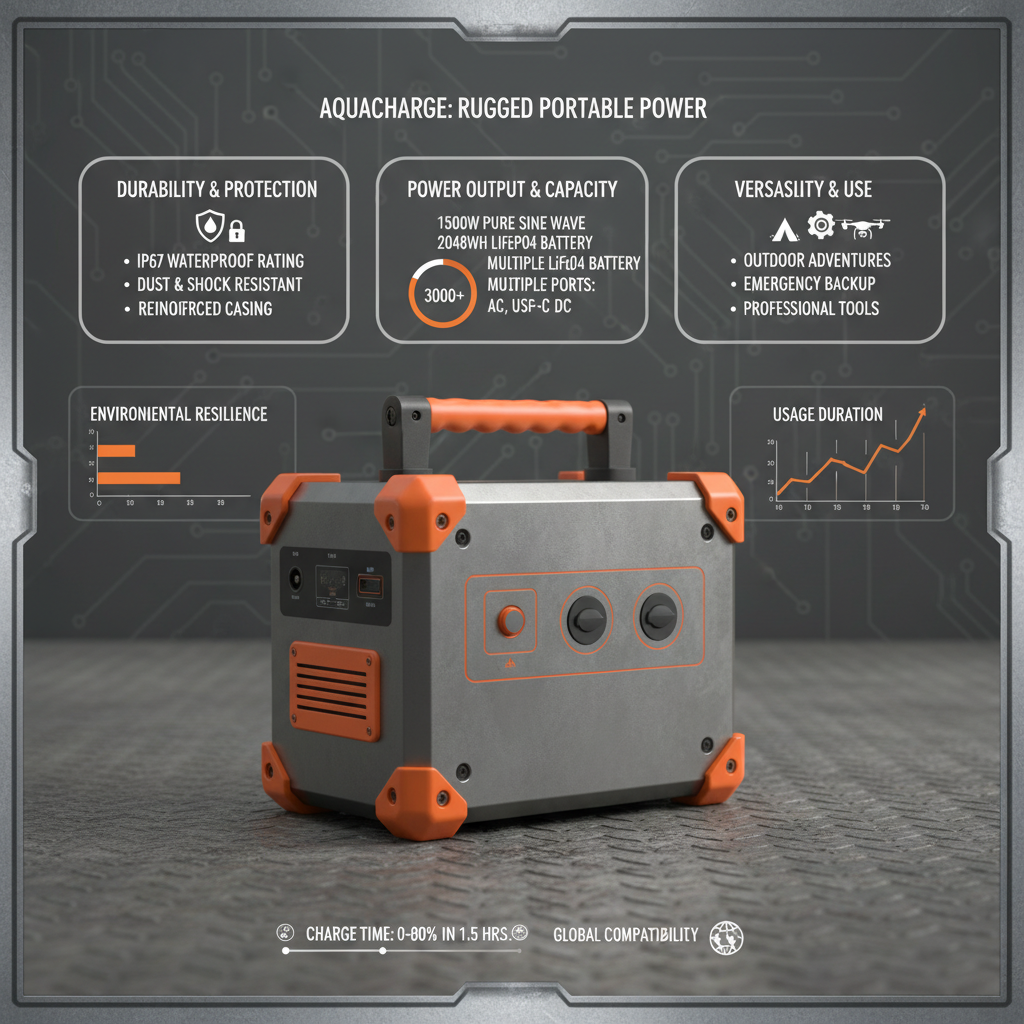
ACDCBESS Waterproof Portable Power Station Models: A Comparison
ACDCBESS offers a range of waterproof portable power stations to suit diverse needs. Here's a comparison of some popular models:
Safety Considerations and Maintenance
While waterproof power stations are designed to withstand wet conditions, it's vital to follow safety guidelines. Always ensure all ports and covers are securely sealed before exposure to water. Avoid submerging the unit beyond its specified IP rating. Regularly inspect the unit for any signs of damage, such as cracks or loose connections. Proper storage in a dry, cool place will maximize its lifespan and ensure optimal performance. Refer to the user manual for specific maintenance instructions.
Conclusion: Power Your Adventures with Confidence
A waterproof portable power station is an invaluable investment for anyone seeking reliable, off-grid power. By understanding the key features, IP ratings, and safety considerations, you can choose the perfect unit to meet your needs and enjoy peace of mind, whether you're exploring the outdoors or preparing for unexpected emergencies. Explore the range of ACDC Bess power stations today to find your ideal solution.
Frequently Asked Questions (FAQs)
What devices can I power with a waterproof portable power station?
A waterproof portable power station can power a wide array of devices, including smartphones, laptops, cameras, drones, lights, portable refrigerators, and even small appliances like blenders. The specific devices you can power depend on the power station's capacity and output wattage. Ensure that the total wattage of the devices you intend to power does not exceed the power station's output capacity. ACDC Bess stations offer various output ports (AC, DC, USB) to accommodate diverse power needs.
How long does it take to charge a waterproof portable power station?
The charging time varies depending on the charging method and the power station's capacity. Using an AC adapter typically provides the fastest charging speed, taking anywhere from 4 to 10 hours for a full charge. Solar charging takes longer, dependent on sunlight intensity, typically ranging from 6 to 20+ hours. Car charging offers a slower charging option, suitable for extended road trips. ACDC Bess power stations are designed for rapid charging with compatible AC adapters.
What is the best way to store a waterproof portable power station?
To maximize the lifespan of your power station, store it in a cool, dry place, away from direct sunlight and extreme temperatures. Avoid storing it in a fully discharged state – aim to keep it at around 50-60% charge for long-term storage. Periodically check the charge level and recharge if necessary. Ensure all ports and covers are closed to prevent dust or moisture from entering.
Are ACDC Bess portable power stations safe to use indoors?
Yes, ACDC Bess portable power stations are designed for safe indoor use. They incorporate multiple safety protections, including overload protection, short-circuit protection, and temperature control. However, it's important to ensure adequate ventilation and avoid placing the power station near flammable materials. Always follow the safety guidelines outlined in the user manual.
-
Cedar Point EV Charging Solutions for Sustainable Tourism Experience
NewsApr.16,2026
-
Guide to Cedar Point Charging Stations for EV Park Visitors
NewsApr.16,2026
-
Acorn Stairlift Charging Point Guide for Home Mobility Optimization
NewsApr.16,2026
-
Integrating a Wireless Charging Point into Modern Infrastructure
NewsApr.16,2026
-
How to Optimize Your iPhone 14 Charging Point for Efficiency
NewsApr.16,2026
-
Analyzing the Charging Point Share Price Trends and Market Outlook
NewsApr.09,2026