


Nov . 07, 2025 11:30 Back to list
EMS for Smart Energy: Real-Time Control & Cost Savings
[Ems] has gone from a backroom tool to the front-of-house brain of modern low-voltage power distribution. The ACDC Energy Management System is one of those quietly competent platforms that, to be honest, wins you over in practice—fast response, clear dashboards, and none of the drama during commissioning. I’ve seen too many “smart” panels that weren’t. This one feels built by folks who live in switchgear rooms, not just meeting rooms.
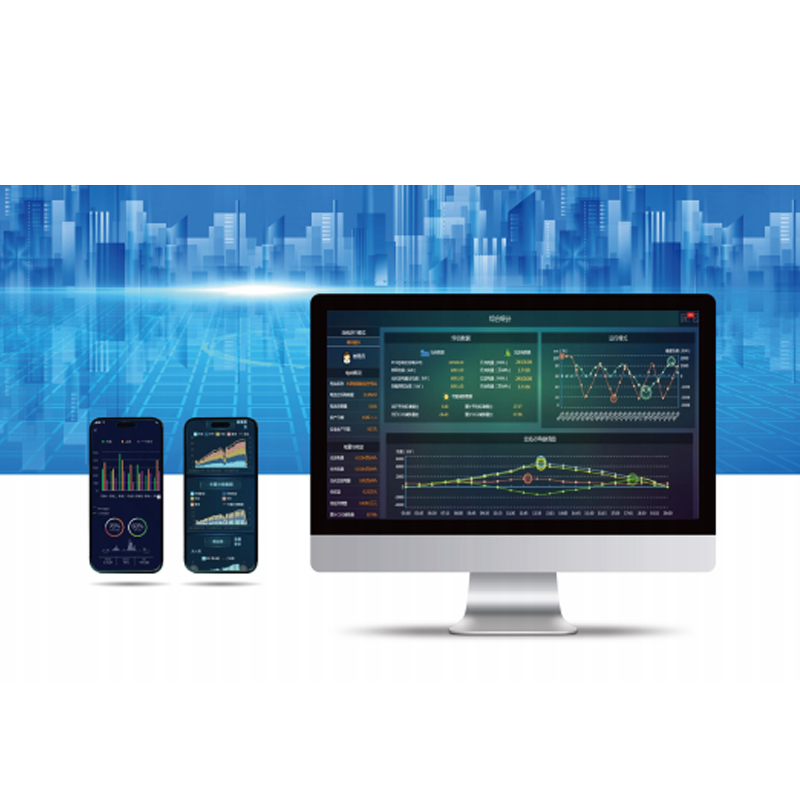
What’s happening in EMS right now
Three trends dominate: grid-interactive buildings, storage-centric operations, and compliance-driven visibility. Many customers say they’re after demand-charge reduction first, then resilience. It seems that better forecasting and tighter inverter coordination are the real differentiators. In fact, the ACDC platform leans hard into those with automated dispatch and standards-aligned interconnects.
Where it’s used
- Commercial buildings and campuses (peak shaving, TOU arbitrage)
- Industrial lines (power quality, harmonics watch, PF correction)
- Solar + storage microgrids, EV charging hubs, and hospitals seeking uptime
- Data centers needing fast load shedding and diesel/battery coordination
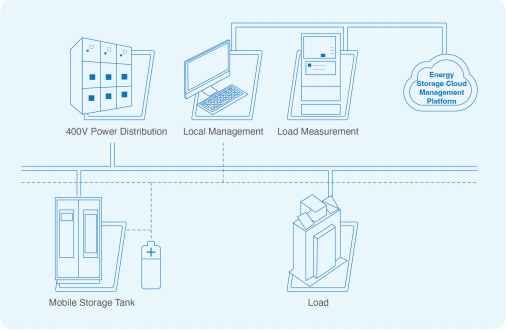
Technical core and specs (real-world use may vary)
| Parameter | Typical Value |
|---|---|
| Controller/CPU | Industrial ARM/IPC, quad‑core, 8–16 GB RAM |
| Comms/Protocols | Modbus TCP/RTU, IEC 61850 (select), BACnet, OPC UA |
| I/O & Metering | AI/AO/DI/DO; Class 0.5S metering ≈ per IEC 62053 |
| Response Time | ≤200 ms for dispatch; ≤1 s for aggregation |
| Cybersecurity | TLS 1.2+, role-based access; aligns with IEC 62443 |
| Operating Temp | -10 to 55 °C (typ. control room) |
| Power Quality | THD, sags/swells per IEC 61000-4-30 Class S |
| Service Life | 10–15 years with periodic firmware updates |
Process flow (how deployments actually happen)
- Materials: industrial IPC, DIN-rail I/O, Class 0.5S meters, CAT6/FO patching.
- Methods: topology survey → point list → PLC/SCADA mapping → setpoint tuning → HIL dry run.
- Testing standards: EMC per IEC 61000-6-2/6-4; PQ per IEC 61000-4-30; grid interconnect IEEE 1547/UL 1741 SA (for DER).
- Acceptance: FAT/SAT, cyber hardening checklist, rollback plan, operator training.
- Lifecycle: quarterly reports, firmware sign-offs, battery model recalibration annually.
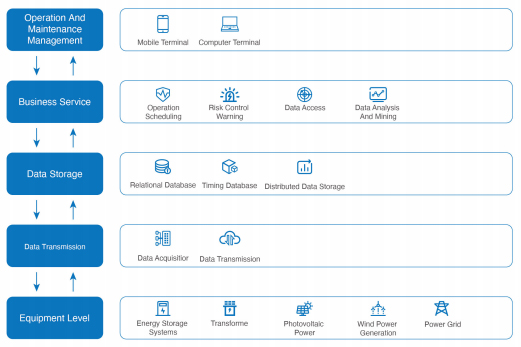
Advantages I noticed
- Automation that doesn’t fight operators; clear alarms and one-click manual override.
- Storage-first logic: charge/discharge tied to TOU and demand thresholds, not just “best guess.”
- Standards-aware: easier utility approval and auditor signoff for ISO 50001 programs.
Vendor comparison (snapshot)
| Vendor | Strengths | Notes |
|---|---|---|
| ACDC [Ems] (Suzhou, Jiangsu, No. 58 Tongxin Rd, 215000) | Low-voltage focus, fast dispatch, DER + storage coordination | High reliability, pragmatic UI; strong support in APAC |
| Competitor A | Deep building automation stack | Licensing can be complex; DER modules optional |
| Competitor B | Utility-grade analytics | Heavier hardware footprint; longer lead times |
Customization and compliance
ACDC tailors point lists, dashboards, and control modes (peak shaving, SOC guardrails, PV curtailment). Certifications/alignments commonly requested: ISO 50001 programs, IEC 61000 EMC, IEEE 1547 for DER, and UL 1741 SA when inverting. RoHS and CE/FCC for electronics are available on request.
Field results and feedback
- Tier-3 data center: ≈18% demand-charge reduction and 0.98→0.99 PF improvement.
- EV hub: 15–25% PV self-consumption lift by dynamic charging windows.
- Manufacturing site: operators praised “less alarm noise” and clearer root-cause trails.
If you want the short version: [Ems] that behaves, speaks the right protocols, and plays nice with auditors. Not flashy—effective.
Authoritative references
-
Cedar Point EV Charging Solutions for Sustainable Tourism Experience
NewsApr.16,2026
-
Guide to Cedar Point Charging Stations for EV Park Visitors
NewsApr.16,2026
-
Acorn Stairlift Charging Point Guide for Home Mobility Optimization
NewsApr.16,2026
-
Integrating a Wireless Charging Point into Modern Infrastructure
NewsApr.16,2026
-
How to Optimize Your iPhone 14 Charging Point for Efficiency
NewsApr.16,2026
-
Analyzing the Charging Point Share Price Trends and Market Outlook
NewsApr.09,2026