


Oct . 18, 2025 11:40 Back to list
Energy Management System EMS | Real-Time Monitoring & OEM
Why an energy management system belongs next to your 48V Communication Power Supply
If you run telecom rooms, edge sites, or small data closets, you already know the story: power quality, uptime, and battery health are joined at the hip. The 48V Communication Power Supply from Suzhou (Origin: No. 58 Tongxin Road, Tongan town, Suzhou!Jiangsu province, 215000) is built for that reality—and paired with a energy management system, it turns raw power into actionable insight. To be honest, the difference between “it works” and “it pays for itself” often lives in the analytics, alarms, and remote control the EMS layer enables.
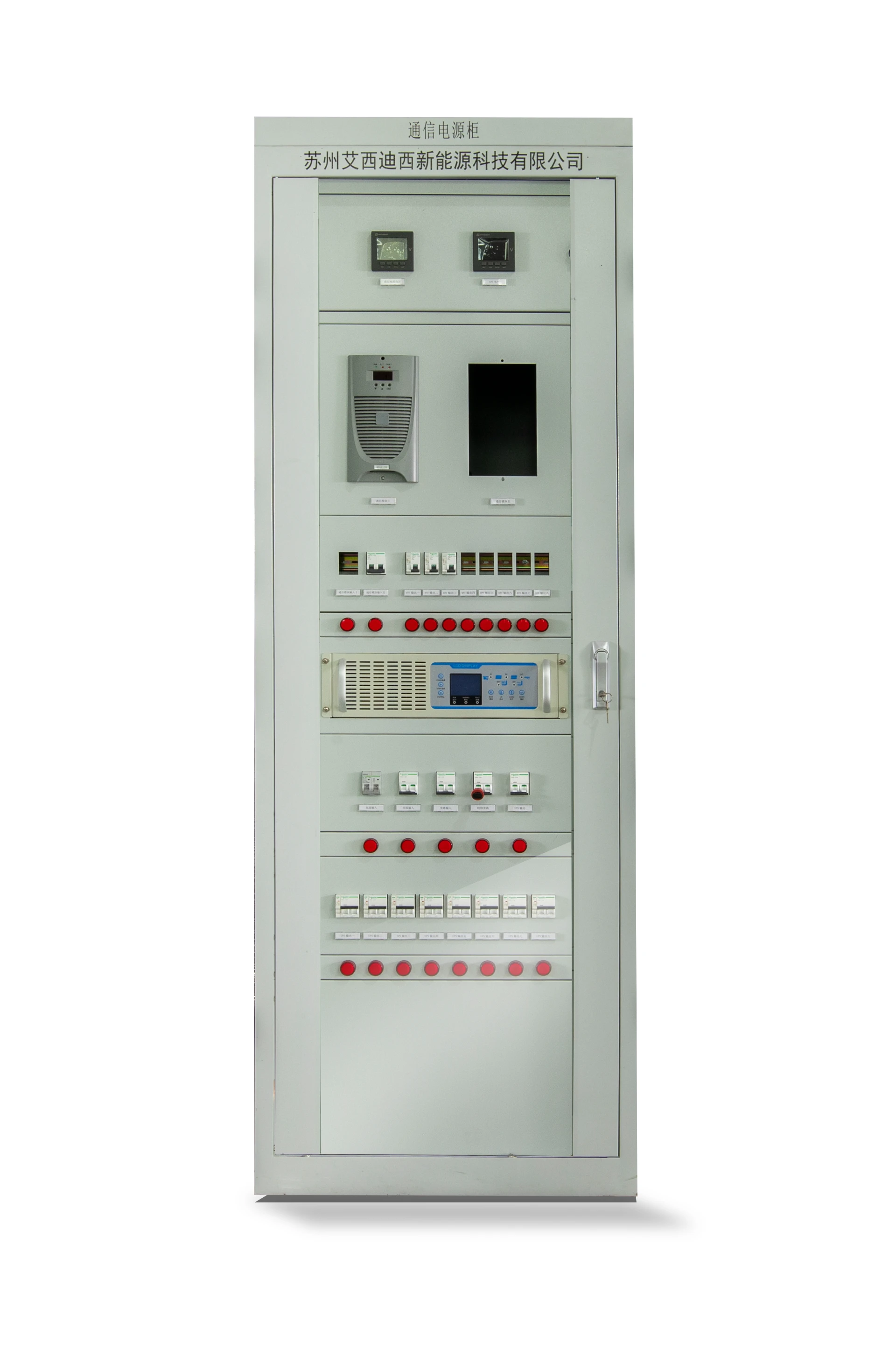
What’s inside the box (and why it matters)
This model is built around a 48V/100A architecture and is friendly with both LA (Lead-Acid) and LF (Lithium Iron Phosphate) packs via the TPS communication power panel. In practice, that means you can standardize one platform across legacy lead-acid sites and newer LiFePO4 rollouts—nice for spares and for training. Many customers say the hybrid support reduces truck rolls when migrating batteries region by region.
Product specifications (key highlights)
| Parameter | Spec | Notes |
|---|---|---|
| Product Name | 48V Communication Power Supply | TPS communication power panel |
| Nominal Output | 48V / 100A | Telco-grade DC bus |
| Battery Support | LA (Lead-Acid), LF (LiFePO4) | Auto or profile-based charging |
| Efficiency | ≈90–95% (typ.) | Real-world use may vary by module mix |
| Protections | OVP, UVP, OCP, OTP | Standard for telecom DC systems |
| Interfaces | Typically RS485/Modbus; dry contacts | SNMP/IoT gateways optional |
How the stack works (materials → methods → testing → service life)
- Materials: Steel enclosure, copper busbars, industrial PCBs with conformal coating; LA or LF cells per site policy.
- Methods: Modular rectifiers feeding a 48V bus; battery interface via TPS panel; EMS gateway for telemetry and alarms.
- Testing standards: Designed to align with IEC 62368-1 (safety), IEC 61000-6-2/-6-4 (EMC), ETSI EN 300 132-2 (telecom power). Batteries typically align with IEC 62619/UL 1973 and UN 38.3 for transport.
- Service life: LA ≈3–5 years; LF ≈8–12 years or ≈3000–6000 cycles at 80% DoD (indicative; depends on temperature and C-rate).
- Industries: Telecom base stations, microwave backhaul, edge data rooms, rail signaling, campus microgrids.
Where the energy management system earns its keep
Real-time visibility into state of charge, rectifier load, and site temperature means fewer surprises. Remote setpoints, scheduled charge equalization for LA, and BMS handshake for LF reduce human error. Surprisingly, even small sites often see measurable OPEX cuts once alarms are tuned.
Vendor snapshot (what buyers compare)
| Vendor | Strengths | Best Fit | Notes |
|---|---|---|---|
| Suzhou ACDC (48V Communication Power Supply) | Mixed LA/LF support; practical telco features | Regional rollouts, cost-balanced deployments | Factory origin: No. 58 Tongxin Road, Suzhou |
| Global Tier-1 Brand | Broad ecosystem, multi-country service | Nationwide carriers, strict SLA environments | Higher TCO, premium modules |
| Local Integrator | Customization, fast field support | One-off sites, retrofits, pilots | Specs may vary; validate certifications |
Applications and field notes
- Telecom BTS: Swap lead-acid for LF gradually; the energy management system tracks cycle count and flags weak strings.
- Solar-hybrid sites: Coordinate rectifiers with PV inverters to shave diesel runtime—operators report quieter gensets and fewer refuels.
- Rail and tunnels: Tight compliance; EMS audit trails help with inspections.
Quick case sketches (indicative)
Rural tower cluster: After adding EMS-driven charge schedules and temperature alerts, one operator saw ≈18–25% energy cost reduction over 6 months (diesel and theft losses down). Edge data room: Mixed LA→LF migration done per rack with zero downtime; remote firmware pushes cut site visits by two-thirds. Your mileage will vary, but the pattern is consistent.
Compliance, documentation, and what to ask for
Request test reports for IEC 62368-1 safety and EMC per IEC 61000-6-2/-6-4; battery documents for IEC 62619/UL 1973 and UN 38.3; and an ISO 50001-aligned energy management system policy for portfolio rollouts. Many customers say this shortens audits dramatically.
Wrap-up
The 48V/100A base, mixed-chemistry support, and EMS visibility form a practical trio. It’s not flashy, but in the field, reliability plus data beats guesswork—every time.
Authoritative citations
- ISO 50001: Energy management systems — Requirements with guidance for use.
- IEC 62368-1: Audio/video, information and communication technology equipment — Safety requirements.
- IEC 61000-6-2 / 61000-6-4: Electromagnetic compatibility (EMC) — Immunity and Emission for industrial environments.
- IEC 62619 and UL 1973: Safety requirements for secondary lithium cells and battery systems.
- UN 38.3: Recommendations on the transport of dangerous goods — Lithium battery testing.
- ETSI EN 300 132-2: Power supply interface at the input to telecommunications equipment (48V DC).
-
Cedar Point EV Charging Solutions for Sustainable Tourism Experience
NewsApr.16,2026
-
Guide to Cedar Point Charging Stations for EV Park Visitors
NewsApr.16,2026
-
Acorn Stairlift Charging Point Guide for Home Mobility Optimization
NewsApr.16,2026
-
Integrating a Wireless Charging Point into Modern Infrastructure
NewsApr.16,2026
-
How to Optimize Your iPhone 14 Charging Point for Efficiency
NewsApr.16,2026
-
Analyzing the Charging Point Share Price Trends and Market Outlook
NewsApr.09,2026