

Oct . 07, 2025 00:55 Back to list
Energy Management System EMS: OEM-Ready, Real-Time Savings?
energy management system,energy management system ems,oem energy management system is a key solution in the energy industry, specifically within new energy and Energy storage and energy management system. This article explores how Suzhou ACDC New Energy Technology Co., LTD., supports professionals with durable, high-performance products, and explains why this product is an ideal choice for businesses in these sectors.
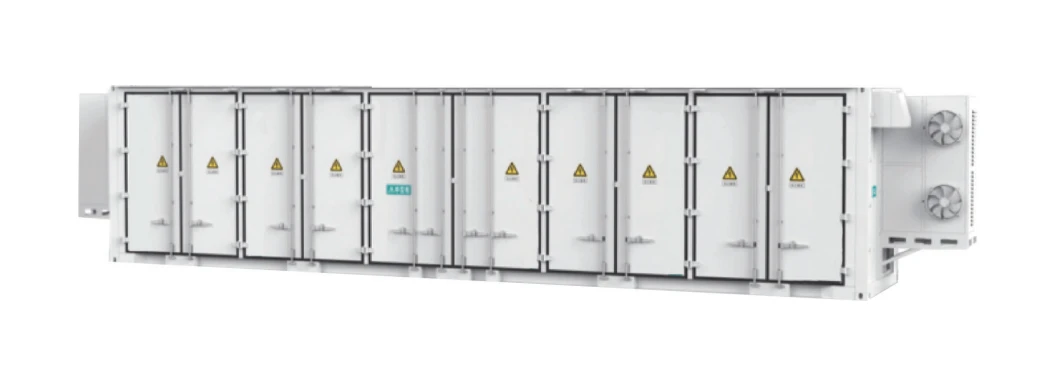
Table of Contents
- energy management system,energy management system ems,oem energy management system Overview
- Benefits & Use Cases of energy management system,energy management system ems,oem energy management system in Energy storage and energy management system
- Cost, Maintenance & User Experience
- Sustainability & Market Trends in energy
- Conclusion on energy management system,energy management system ems,oem energy management system from Suzhou ACDC New Energy Technology Co., LTD.,
energy management system,energy management system ems,oem energy management system Overview
An energy management system (EMS) is the digital brain that orchestrates distributed energy resources, battery storage, renewable generation, and critical loads to deliver reliable, economical, and compliant operations. Within new energy and energy storage applications, an energy management system EMS continuously monitors assets, forecasts demand and generation, dispatches batteries, and coordinates with the grid to maximize performance and safety. For centralized battery energy storage, Suzhou ACDC New Energy Technology Co., LTD., provides an industrial-grade EMS designed to integrate power conversion systems (PCS), battery management systems (BMS), meters, and site controllers into a unified control layer.
Architected for interoperability, the system typically supports mainstream industrial protocols such as Modbus TCP/IP and can be configured to interface with SCADA and third-party platforms via secure APIs. Core capabilities include real-time telemetry, alarm management, scheduling, peak-shaving and arbitrage logic, and grid-service readiness. For EPCs, developers, and integrators seeking an OEM energy management system, Suzhou ACDC New Energy Technology Co., LTD., offers engineering support, branding options, and tailored control strategies that align with project specifications and regulatory requirements—helping teams accelerate commissioning and reduce integration complexity.
Benefits & Use Cases of energy management system,energy management system ems,oem energy management system in Energy storage and energy management system
In commercial and industrial sites, an energy management system EMS enables peak demand management, time-of-use arbitrage, backup power orchestration, and participation in demand response. In utility-scale projects, it supports ancillary services, capacity markets, and renewable smoothing. Microgrids, EV charging hubs, logistics parks, and data centers leverage EMS controls to prioritize resilience, optimize lifecycle costs, and maintain power quality. The OEM energy management system option is particularly valuable for integrators who need consistent functionality across multiple sites, with the flexibility to customize dispatch logic, dashboards, and reporting.
Suzhou ACDC New Energy Technology Co., LTD., differentiates with a vertically informed approach to storage: coordinated control across PCS, BMS, and site-level controllers. Features often include state-of-health-aware charge/discharge strategies to protect battery life, multi-site fleet management for portfolio operators, configurable rule engines for tariff optimization, and robust user roles and permissions. Cybersecurity-minded design, remote diagnostics, and streamlined commissioning tools help reduce deployment timelines and operating risk—key advantages for B2B decision makers seeking bankable, scalable solutions in the energy storage and energy management system domain.
Cost, Maintenance & User Experience
Total cost of ownership for an energy management system includes software licensing, edge and networking hardware, integration and commissioning, and ongoing support. A well-implemented EMS lowers operational expenses by minimizing peak charges, improving round-trip value capture, and extending battery life through intelligent cycling. For portfolio operators, centralized monitoring and remote operations reduce site visits and unplanned downtime, contributing to a stronger ROI profile. Payback horizons improve further when the EMS enables access to grid services or local incentives.
Suzhou ACDC New Energy Technology Co., LTD., focuses on durability and maintainability—industrial-grade hardware options, secure remote firmware updates, and condition-based maintenance that surfaces actionable alerts before issues escalate. Users highlight intuitive dashboards, clear alarm workflows, and role-based access that simplifies collaboration between asset owners, O&M providers, and financiers. For integrators adopting an OEM energy management system model, consistent UX and standardized data structures reduce training costs and speed up replication across projects, improving both lifecycle value and customer satisfaction.
Sustainability & Market Trends in energy
As grids decarbonize and electrification accelerates, energy storage and advanced controls are becoming foundational infrastructure. Policy drivers, corporate ESG commitments, and evolving market rules increasingly reward flexibility, responsiveness, and verifiable emissions reductions. Modern energy management system platforms support granular metering, auditable reporting, and optimization strategies that align with sustainability frameworks and energy efficiency programs, helping enterprises pursue targets such as ISO 50001-aligned energy performance improvements and participation in flexibility markets where available.
Market trends point to hybrid PV+storage, virtual power plant enablement, AI-assisted forecasting, and tighter cybersecurity requirements. Suzhou ACDC New Energy Technology Co., LTD., invests in forward-looking EMS capabilities—interoperability, secure API integrations, and analytics-driven dispatch—so customers can adapt to changing tariffs, ancillary service products, and compliance landscapes. By emphasizing lifecycle optimization and efficient control, the company’s approach helps reduce waste, increase asset longevity, and deliver measurable sustainability outcomes without compromising operational resilience.
Conclusion on energy management system,energy management system ems,oem energy management system from Suzhou ACDC New Energy Technology Co., LTD.,
For B2B decision makers, a robust energy management system is essential to unlock value from storage, integrate renewables, and manage risk. Suzhou ACDC New Energy Technology Co., LTD., delivers an EMS that blends interoperability, reliability, and OEM flexibility—ideal for centralized energy storage, microgrids, and multi-site portfolios. With strong engineering support and a focus on lifecycle performance, the solution helps enterprises achieve cost, resilience, and sustainability goals.
Contact us: email: beika@acdctech.com.cn
Visit our website: https://www.acdcbess.com
-
Cedar Point EV Charging Solutions for Sustainable Tourism Experience
NewsApr.16,2026
-
Guide to Cedar Point Charging Stations for EV Park Visitors
NewsApr.16,2026
-
Acorn Stairlift Charging Point Guide for Home Mobility Optimization
NewsApr.16,2026
-
Integrating a Wireless Charging Point into Modern Infrastructure
NewsApr.16,2026
-
How to Optimize Your iPhone 14 Charging Point for Efficiency
NewsApr.16,2026
-
Analyzing the Charging Point Share Price Trends and Market Outlook
NewsApr.09,2026