

Oct . 29, 2025 01:05 Back to list
Energy Management System for Real-Time Savings & Control
Energy Management System is a key solution in the information-technology industry, specifically within data center and Modular Data Center environments. This article explores how Suzhou ACDC New Energy Technology Co., LTD., supports professionals with durable, high-performance products, and explains why this product is an ideal choice for businesses in these sectors.
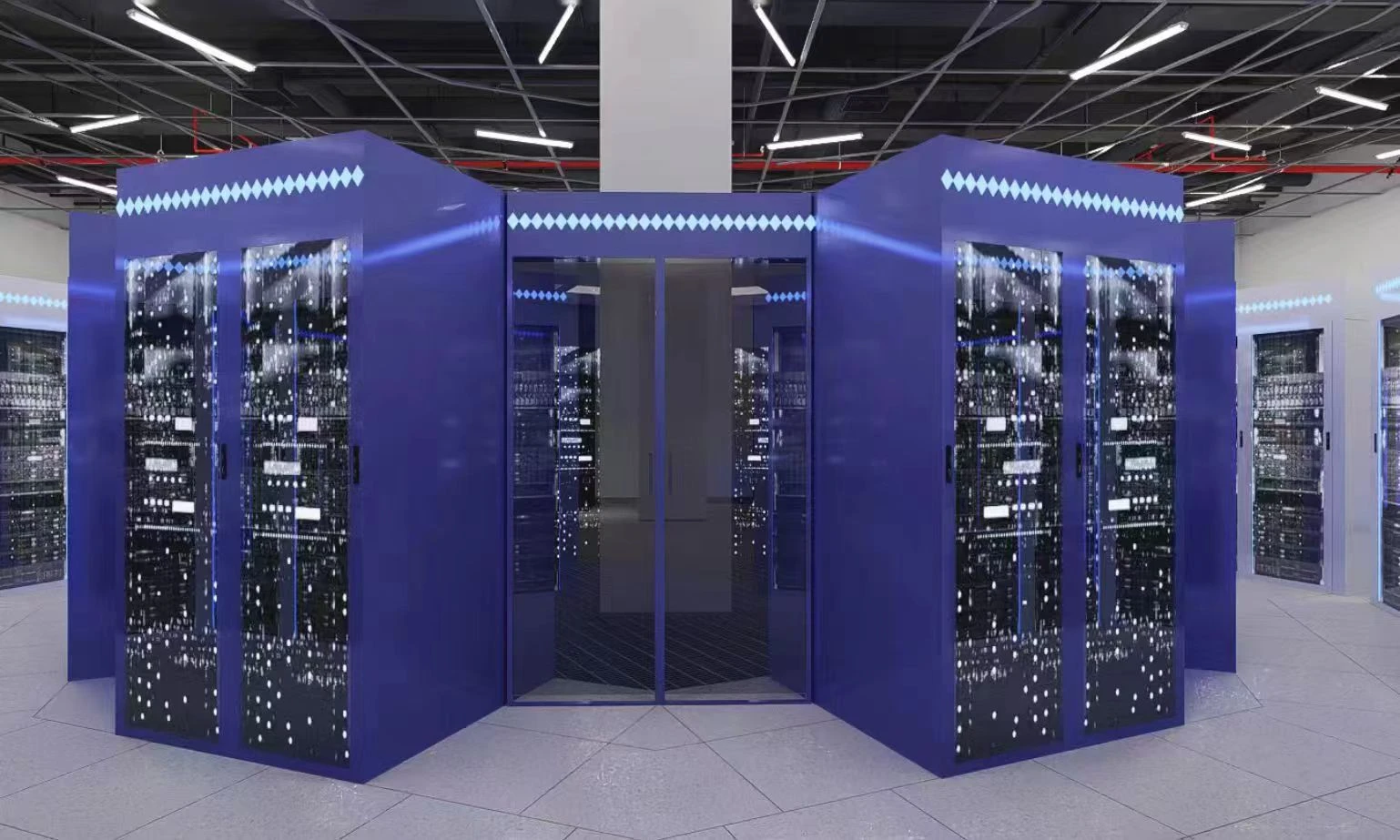
Table of Contents
- Energy Management System Overview
- Benefits & Use Cases of Energy Management System in Modular Data Center
- Cost, Maintenance & User Experience
- Sustainability & Market Trends in information-technology industry
- Conclusion on Energy Management System from Suzhou ACDC New Energy Technology Co., LTD.,
Energy Management System Overview
In a Modular Data Center, an Energy Management System (EMS) is the digital layer that measures, analyzes, and optimizes the energy profile across IT loads, power, and cooling. It brings together data from meters, PDUs, UPS, CRAC/CRAH units, batteries, and renewable sources to deliver actionable insights and automated control. For B2B decision makers, an EMS is the fastest path to improving PUE, deferring CapEx through better capacity utilization, and strengthening grid resilience. Technically, modern EMS platforms integrate with DCIM/BMS via open protocols (Modbus, BACnet/IP, SNMP), stream real-time telemetry at sub-minute intervals, and apply rule-based or AI-assisted setpoint strategies to balance efficiency and reliability. Suzhou ACDC New Energy Technology Co., LTD., engineers EMS capabilities to align with its micro-module computer room solutions, ensuring tight orchestration between racks, power, and cooling. The result is a robust energy monitoring and management system that scales from a single edge pod to multi-site portfolios, with secure remote access and audit-ready reporting that supports ESG disclosures.
- Defines, monitors, and controls energy flows in micro-modular rooms and containerized sites.
- Supports open protocols, granular metering, and automated optimization of power and cooling.
- Backed by Suzhou ACDC New Energy Technology Co., LTD., for reliable engineering and lifecycle support.
Benefits & Use Cases of Energy Management System in Modular Data Center
Modular Data Centers demand speed, standardization, and predictable efficiency. An EMS serves as the command layer for energy control systems, enabling operators to sequence equipment during startup, automate economizer and chiller setpoints, and coordinate UPS and battery dispatch for peak shaving. Typical use cases include edge deployments with limited on-site staff, brownfield expansions where new pods must interoperate with legacy infrastructure, and high-density AI/ HPC modules that require dynamic cooling optimization. Suzhou ACDC New Energy Technology Co., LTD., brings deep integration between the EMS and its micro-module architecture, providing dashboards for PUE/WUE/CUE, capacity forecasting, and SLA-driven alarms. Competitive advantages include vendor-neutral integrations, cybersecurity-hardened design, and a single-pane-of-glass that unifies energy monitoring and management system functions with facility workflows. With templated configuration and pre-tested I/O maps, commissioning times are shortened while ensuring policy-based control that scales across regions.
- Applications: edge/remote sites, rapid capacity adds, and containerized deployments in challenging climates.
- Advantages: real-time metering, automated setpoint tuning, peak-load management, and renewable/ BESS coordination.
- Expertise: Suzhou ACDC New Energy Technology Co., LTD., pairs EMS software with modular hardware for end-to-end reliability.
Cost, Maintenance & User Experience
Total cost of ownership benefits stem from lower energy spend, delayed CapEx through better capacity management, and fewer site visits via remote diagnostics. Many operators target payback periods in the 12–24 month range depending on tariffs, climate, and load profile, with double-digit percentage efficiency improvements commonly observed when EMS-driven policies are consistently applied. Maintenance is simplified by modular sensors, standardized gateways, and over-the-air updates that minimize downtime. From a user experience standpoint, Suzhou ACDC New Energy Technology Co., LTD., delivers a role-based interface that consolidates alarms, trends, and reports, reducing swivel-chair operations between disparate tools. Facilities teams gain clear visibility into power quality, UPS health, thermal maps, and energy KPIs, while finance and sustainability stakeholders receive automated reports for budgeting and ESG purposes. Feedback from data center operators highlights improved incident response times, clearer root-cause analysis through correlated telemetry, and confidence in policy-based automation that respects safety and redundancy thresholds.
- TCO levers: energy savings, optimized capacity, and reduced truck rolls.
- UX: single-pane-of-glass for energy control systems with audit-ready reporting and role-based access.
Sustainability & Market Trends in information-technology industry
Data centers face accelerating energy demand from AI and edge workloads, alongside tightening regulations and voluntary codes (e.g., PUE targets, regional energy efficiency standards, and growing requirements for Scope 2/3 reporting). The EMS is central to continuous optimization, enabling demand-response participation, renewable integration, and granular carbon accounting. Market leaders are moving toward grid-interactive, heat-reuse-ready facilities—capabilities that rely on accurate metering, control automation, and predictive analytics. Suzhou ACDC New Energy Technology Co., LTD., designs with sustainability in mind: interoperable metering, efficiency-centric control logic, and reporting that underpins ESG disclosures. By aligning EMS functionality with modular architectures, ACDC helps customers scale responsibly, prove savings with verifiable data, and future-proof against evolving compliance frameworks. As the sector grows, an energy monitoring and management system becomes not just an operational tool but a strategic asset that differentiates operators on reliability, cost, and environmental stewardship.
- Supports policy goals: efficiency targets, decarbonization pathways, and transparent reporting.
- ACDC’s forward-thinking approach: modular-by-design, standards-based, and eco-conscious control strategies.
Conclusion on Energy Management System from Suzhou ACDC New Energy Technology Co., LTD.,
For B2B decision makers building or scaling Modular Data Centers, an Energy Management System is indispensable. It unifies metering, analytics, and control to lower energy costs, boost resilience, and validate sustainability outcomes. Suzhou ACDC New Energy Technology Co., LTD., combines EMS software with modular hardware expertise to accelerate deployment and standardize efficiency across sites. Ready to modernize your energy operations? Contact us: email: beika@acdctech.com.cn. Visit our website: https://www.acdcbess.com.
-
Cedar Point EV Charging Solutions for Sustainable Tourism Experience
NewsApr.16,2026
-
Guide to Cedar Point Charging Stations for EV Park Visitors
NewsApr.16,2026
-
Acorn Stairlift Charging Point Guide for Home Mobility Optimization
NewsApr.16,2026
-
Integrating a Wireless Charging Point into Modern Infrastructure
NewsApr.16,2026
-
How to Optimize Your iPhone 14 Charging Point for Efficiency
NewsApr.16,2026
-
Analyzing the Charging Point Share Price Trends and Market Outlook
NewsApr.09,2026