

Oct . 14, 2025 01:00 Back to list
Energy Management System for Real-Time Savings & Control
energy management system, energy control systems, energy monitoring and management system is a key solution in the information-technology industry, specifically within data center and Modular Data Center environments. This article explores how Suzhou ACDC New Energy Technology Co., LTD., supports professionals with durable, high-performance products, and explains why this product category is an ideal choice for businesses in these sectors.
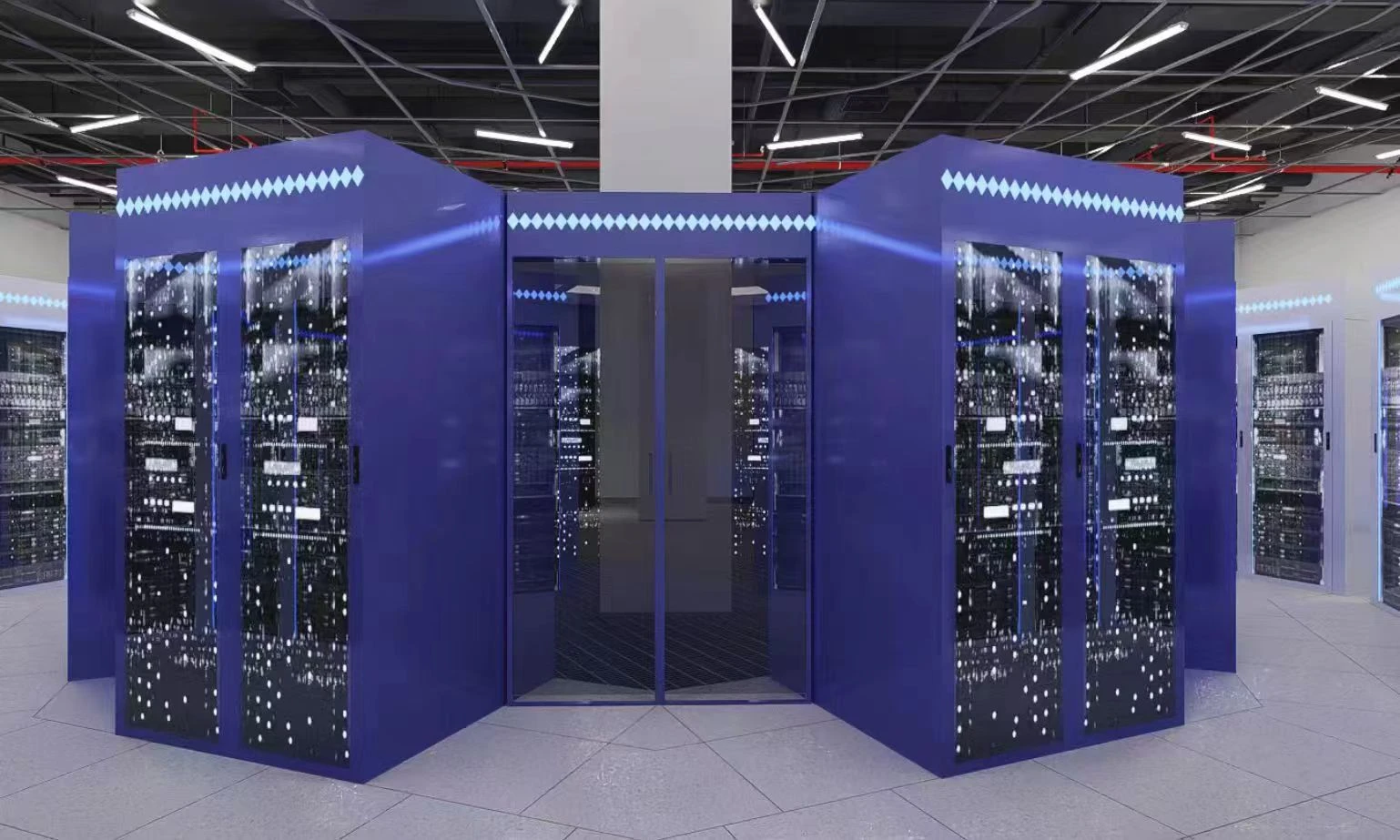
Table of Contents
- energy management system, energy control systems, energy monitoring and management system Overview
- Benefits & Use Cases of energy management system, energy control systems, energy monitoring and management system in Modular Data Center
- Cost, Maintenance & User Experience
- Sustainability & Market Trends in information-technology industry
- Conclusion on energy management system, energy control systems, energy monitoring and management system from Suzhou ACDC New Energy Technology Co., LTD.,
energy management system, energy control systems, energy monitoring and management system Overview
An energy management system (EMS) orchestrates power, cooling, and environmental parameters to keep modular data centers efficient, resilient, and compliant. In a micro‑module computer room, the EMS sits alongside energy control systems that automate setpoints for UPS, PDUs, cooling units, and containment dampers, while an energy monitoring and management system aggregates real-time data from meters, sensors, and IT loads. Together, these layers deliver continuous visibility of PUE, power quality, thermal performance, and capacity utilization across each module.
Technically, modern platforms integrate via Modbus, BACnet, and SNMP; support advanced analytics like anomaly detection; and expose APIs for DCIM/CMDB. Typical features include branch-circuit monitoring, CRAC/CRAH optimization, UPS battery health, and automated alarm workflows. Suzhou ACDC New Energy Technology Co., LTD., manufactures micro‑module computer room solutions designed for rapid deployment and high availability, with EMS-ready architectures that streamline onboarding and commissioning. Their engineering focus on prefabricated, standardized modules shortens project timelines and makes it easier for operators to achieve predictable performance at scale.
Benefits & Use Cases of energy management system, energy control systems, energy monitoring and management system in Modular Data Center
Modular Data Centers demand granular control to match dynamic IT loads. An EMS with tightly integrated energy control systems can coordinate free-cooling windows, variable-speed fans, and chilled-water setpoints to reduce cooling energy while safeguarding thermal SLAs. The energy monitoring and management system captures high-resolution telemetry across racks and power trains, enabling capacity planning, tiered billing for colocation, and faster root-cause analysis when anomalies occur.
Key advantages for modular deployments include factory pre-integration, template-based configuration, and remote lifecycle management—ideal for edge sites, rapid expansions, or HPC pods. Suzhou ACDC New Energy Technology Co., LTD., pairs its micro‑module computer room design with EMS-ready interfaces, cybersecurity-hardening options, and redundancy topologies (e.g., N/N+1). Customers benefit from standardized dashboards for PUE/DCiE, thermal maps, and automated reports that support audits and internal KPIs. By unifying monitoring and control, operators can safely increase rack densities, reclaim stranded cooling capacity, and align energy consumption with real-time compute demand.
Cost, Maintenance & User Experience
Total cost of ownership improves when energy savings, uptime, and labor efficiency are considered together. An effective energy management system typically yields measurable reductions in cooling and electrical losses, with many operators observing meaningful payback within common industry ranges (often within 12–24 months, depending on site conditions and energy tariffs). Energy control systems further lower operational costs by automating routine adjustments and enabling condition-based maintenance, reducing truck rolls and manual interventions.
User experience matters for busy operations teams. Suzhou ACDC New Energy Technology Co., LTD., emphasizes intuitive dashboards, role-based access, and event correlation to cut mean time to resolution. Trend charts, one-click compliance reports, and mobile-friendly alerts help facilities and IT collaborate efficiently. Durable hardware, hot-swappable components, and standardized spare parts support high availability, while remote firmware updates and templated configurations minimize downtime during changes or scale-outs across multiple modules and sites.
Sustainability & Market Trends in information-technology industry
Data center leaders face rising expectations around energy transparency, carbon reporting, and grid interaction. Regulations and frameworks—such as regional energy codes, corporate sustainability disclosures, and customer SLAs—push operators to document consumption, emissions factors, and efficiency improvements. An energy monitoring and management system centralizes the data required for audits, Scope 2 calculations, and continuous optimization, while energy control systems make real-time changes to meet targets without compromising resilience.
Suzhou ACDC New Energy Technology Co., LTD., designs micro‑module solutions that anticipate these trends: native PUE tracking, support for renewable integration and demand-response strategies, and interfaces for DCIM/ITSM ecosystems. As AI workloads and higher rack densities proliferate, their EMS-ready architecture helps operators adopt advanced cooling strategies (liquid-ready paths, containment best practices) and fine-tune energy usage per compute unit. The result is a future-proof, eco-conscious approach aligned with market momentum toward greener, smarter, and more modular infrastructure.
Conclusion on energy management system, energy control systems, energy monitoring and management system from Suzhou ACDC New Energy Technology Co., LTD.,
For B2B decision makers, pairing an energy management system with robust energy control systems and a comprehensive energy monitoring and management system is essential to maximizing efficiency and uptime in modular data centers. Suzhou ACDC New Energy Technology Co., LTD., delivers EMS-ready micro‑module computer rooms that accelerate deployment, simplify operations, and support sustainability targets. Ready to modernize your energy strategy?
Contact us: email: beika@acdctech.com.cn
Visit our website: https://www.acdcbess.com
-
Cedar Point EV Charging Solutions for Sustainable Tourism Experience
NewsApr.16,2026
-
Guide to Cedar Point Charging Stations for EV Park Visitors
NewsApr.16,2026
-
Acorn Stairlift Charging Point Guide for Home Mobility Optimization
NewsApr.16,2026
-
Integrating a Wireless Charging Point into Modern Infrastructure
NewsApr.16,2026
-
How to Optimize Your iPhone 14 Charging Point for Efficiency
NewsApr.16,2026
-
Analyzing the Charging Point Share Price Trends and Market Outlook
NewsApr.09,2026