


Oct . 10, 2025 11:30 Back to list
Energy Management System: Cut Costs with Real-Time Control?
Why an energy management system belongs inside a micro‑module data center
There’s a quiet shift underway in data center ops: finance, healthcare, and campus IT teams are standardizing on micro‑modules that bundle racks, power, cooling, security, and monitoring into one neat footprint. The point isn’t just tidiness. It’s measurable efficiency. And, to be honest, the magic happens when the energy management system (EMS) rides along from day one—no bolt‑on dashboards six months later, no “we’ll integrate it eventually” story.
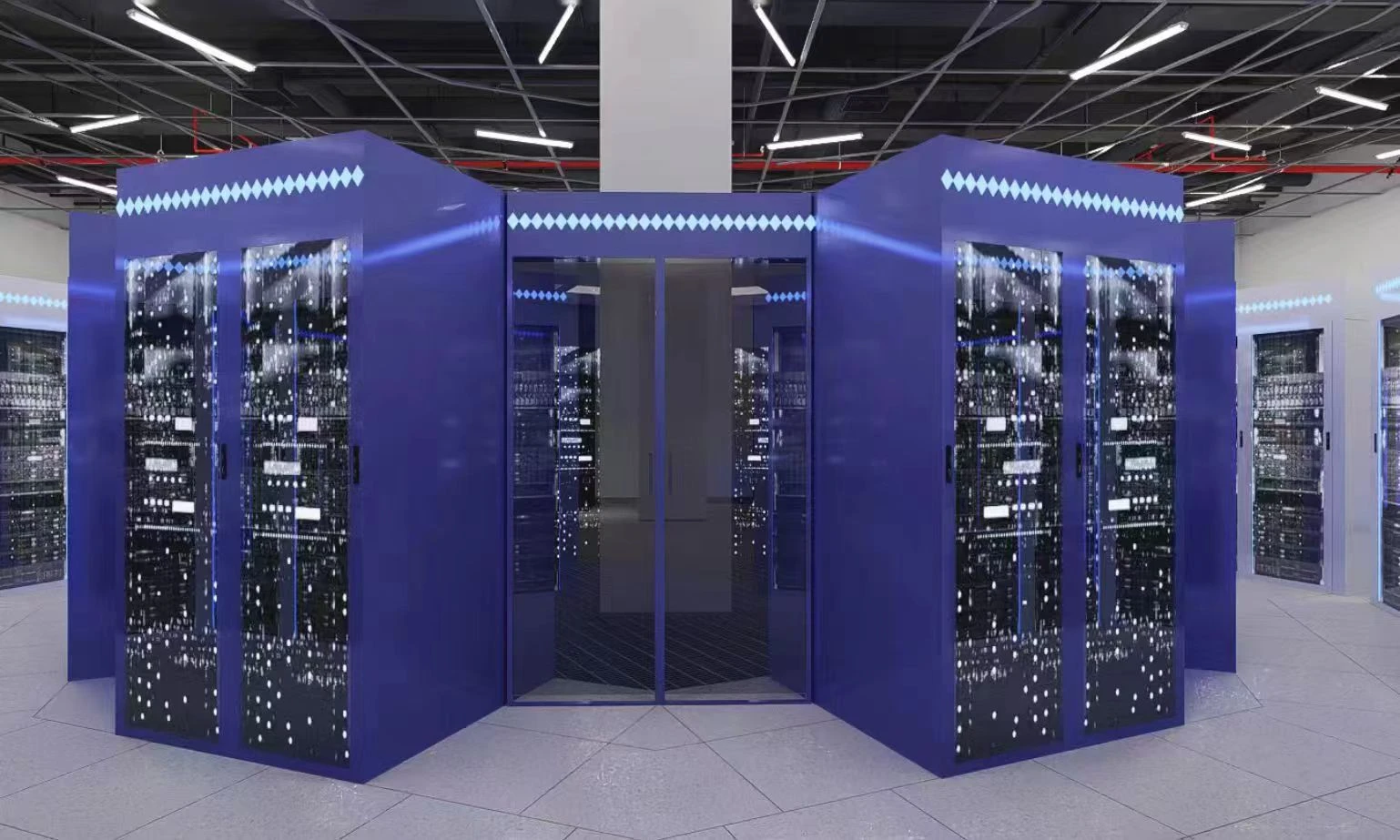
Product snapshot: Micro module computer room with integrated EMS
The Micro module computer room from AC/DC BESS is a highly integrated, rapidly deployable data center block that folds in power distribution, temperature control, cabinet access, structured cabling, and supervisory monitoring. In practice, the built‑in energy management system uses DCIM hooks, Modbus/BACnet/SNMP telemetry, and granular metering to keep PUE honest and energy bills under control. Many customers say the “all‑in” design shortens commissioning and cuts surprises on site.
Key specifications (typical, configurable)
| Parameter | Spec (≈ / real‑world use may vary) |
|---|---|
| Rated IT Load | 30–200 kW per module, scalable |
| Power Path | UPS (IEC 62040), PDU, busway; N or N+1 |
| Cooling | In‑row DX or chilled water; CRAH/CRAC; aisle containment |
| Monitoring | EMS/DCIM; PUE, branch‑circuit metering, thermal maps |
| Protocols | Modbus TCP/RTU, BACnet/IP, SNMPv3, Syslog |
| Service Life | 10–15 years enclosure/PDUs; 5–10 years UPS/cooling components |
| Compliance | ISO 50001 alignment, IEC 61439, ASHRAE TC 9.9 thermal guidelines |
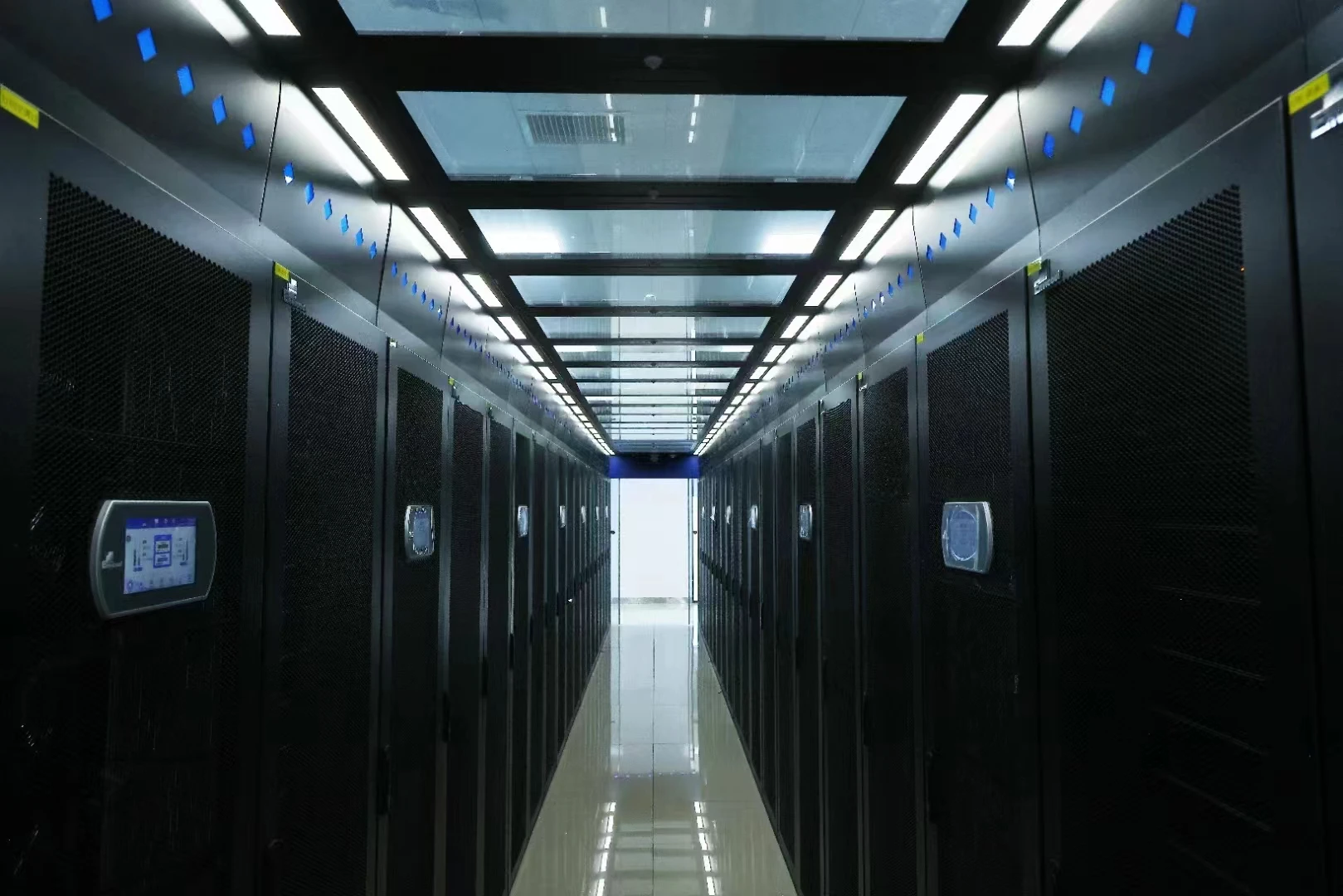
How it’s built and tested
Materials: powder‑coated steel frames, sealed doors with gaskets, hot/cold aisle panels, copper busway, industrial sensors (±1% energy meters, ±0.5°C temp probes). Methods: factory prefabrication, FAT with load banks, on‑site SAT and integration to BMS/DCIM. Testing standards typically reference IEC 62040 (UPS runtime/efficiency), IEC 61439 (LV assemblies), and ASHRAE TC9.9 thermal envelopes. Service life targets assume preventive maintenance and firmware updates to the energy management system.
Quick test data from recent deployments: PUE trimmed from ≈1.72 to 1.41 after EMS‑guided airflow tuning; branch metering flagged a 14% phantom load on legacy gear—decommissioned within a week. Not perfect science, but the pattern keeps repeating.
Where it fits
- Finance: ring‑fenced micro‑modules for compliance zones; EMS audit trails.
- Hospitals: resilient N+1 power and temperature; alarms tie into CMMS.
- Schools and operators: fast rollouts in constrained rooms; predictable PUE.
- Enterprises: edge compute with central EMS oversight across sites.
Vendor snapshot (indicative)
| Vendor | Integration Depth | Deploy Time | Cooling Eff. | Certs/Notes |
|---|---|---|---|---|
| AC/DC BESS (Origin: No. 58 Tongxin Road, Tongan town, Suzhou!Jiangsu province,215000) | Power + Cooling + Access + energy management system | ≈4–8 weeks | High (aisle containment + in‑row) | ISO 9001/14001 (typical), ISO 50001 alignment |
| Vendor A | Power + Cooling; EMS add‑on | ≈8–12 weeks | Medium | UL/CE; limited DCIM hooks |
| Vendor B | Power; third‑party EMS | ≈10–14 weeks | Medium‑High | ASHRAE compliance stated |
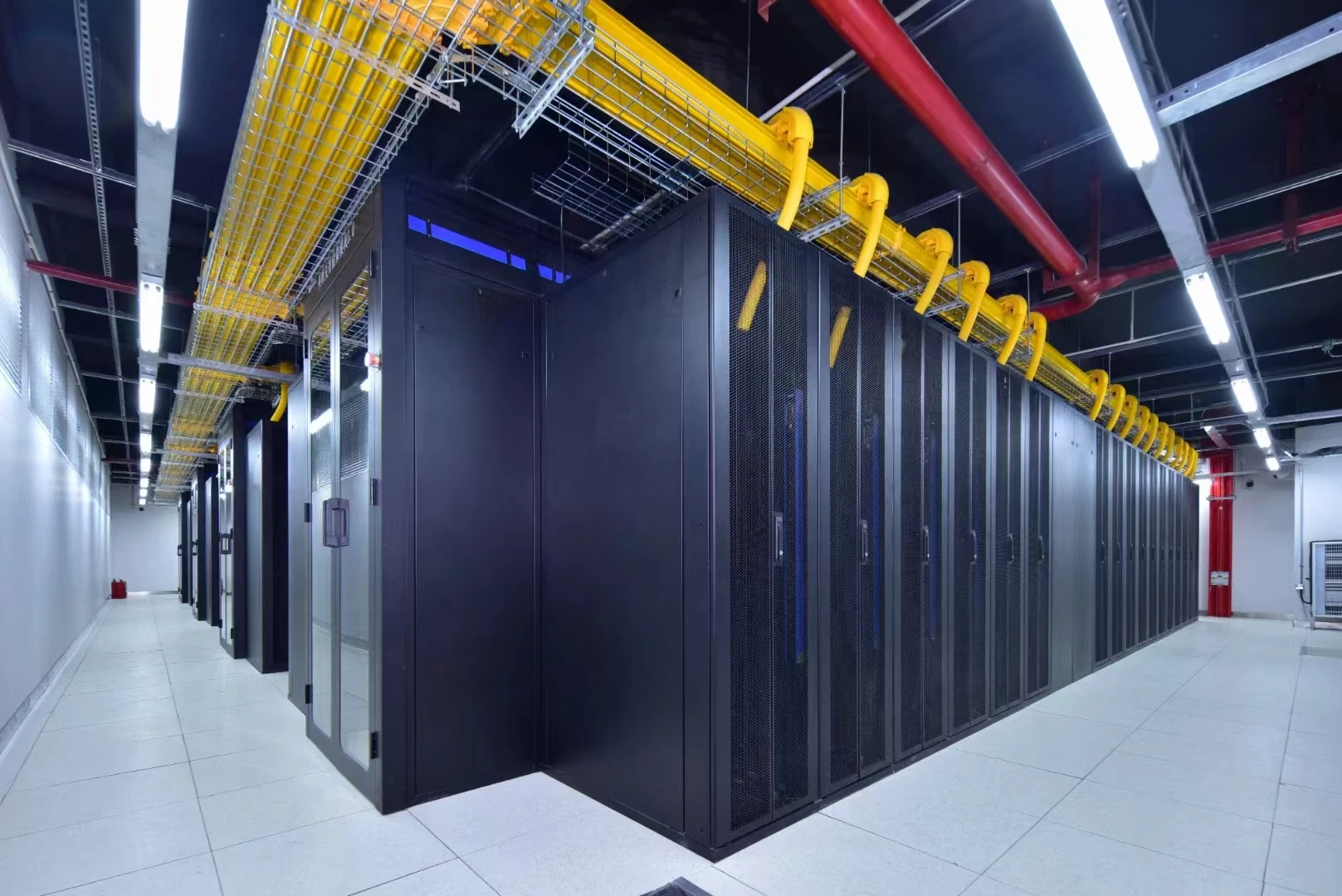
Customization and real‑world stories
Options include rack counts (6–24+), UPS topology (double‑conversion vs. eco‑mode), battery chemistry, cold vs. hot aisle containment, and redundancy (N, N+1, 2N). The energy management system can expose APIs for SOC dashboards and cost allocation. One university trimmed cooling kWh by ≈18% after EMS highlighted bypassed blanking panels—simple fix, big win. A hospital edge pod used EMS alarms to catch a creeping CRAC setpoint drift; incident closed before it touched patient workloads. Anecdotal? Sure. But I’ve seen the tickets.
Why it matters now
Regulatory pressure meets energy prices—never a fun combo. Embedding the energy management system inside the micro‑module means metering is native, optimization is continuous, and audit evidence is one export away. If you’re still juggling spreadsheets, this is the moment to switch.
Citations
- ISO 50001: Energy management systems — Requirements with guidance for use. https://www.iso.org/standard/69426.html
- ASHRAE TC 9.9: Thermal Guidelines for Data Processing Environments. https://www.ashrae.org/technical-resources/datacenter
- IEC 62040: Uninterruptible power systems (UPS). https://webstore.iec.ch/publication/60238
- IEC 61439: Low-voltage switchgear and controlgear assemblies. https://webstore.iec.ch/publication/2612
- Uptime Institute: Tier Standard and PUE guidance (via The Green Grid). https://uptimeinstitute.com and https://www.thegreengrid.org
-
Cedar Point EV Charging Solutions for Sustainable Tourism Experience
NewsApr.16,2026
-
Guide to Cedar Point Charging Stations for EV Park Visitors
NewsApr.16,2026
-
Acorn Stairlift Charging Point Guide for Home Mobility Optimization
NewsApr.16,2026
-
Integrating a Wireless Charging Point into Modern Infrastructure
NewsApr.16,2026
-
How to Optimize Your iPhone 14 Charging Point for Efficiency
NewsApr.16,2026
-
Analyzing the Charging Point Share Price Trends and Market Outlook
NewsApr.09,2026