


Oct . 13, 2025 09:45 Back to list
Energy Management System | Real-Time Monitoring & Savings
energy management system,energy control systems,energy monitoring and management system is a key solution in the information-technology industry, specifically within data center and Modular Data Center environments. This article explores how Suzhou ACDC New Energy Technology Co., LTD., supports professionals with durable, high-performance products, and explains why this product is an ideal choice for businesses in these sectors.
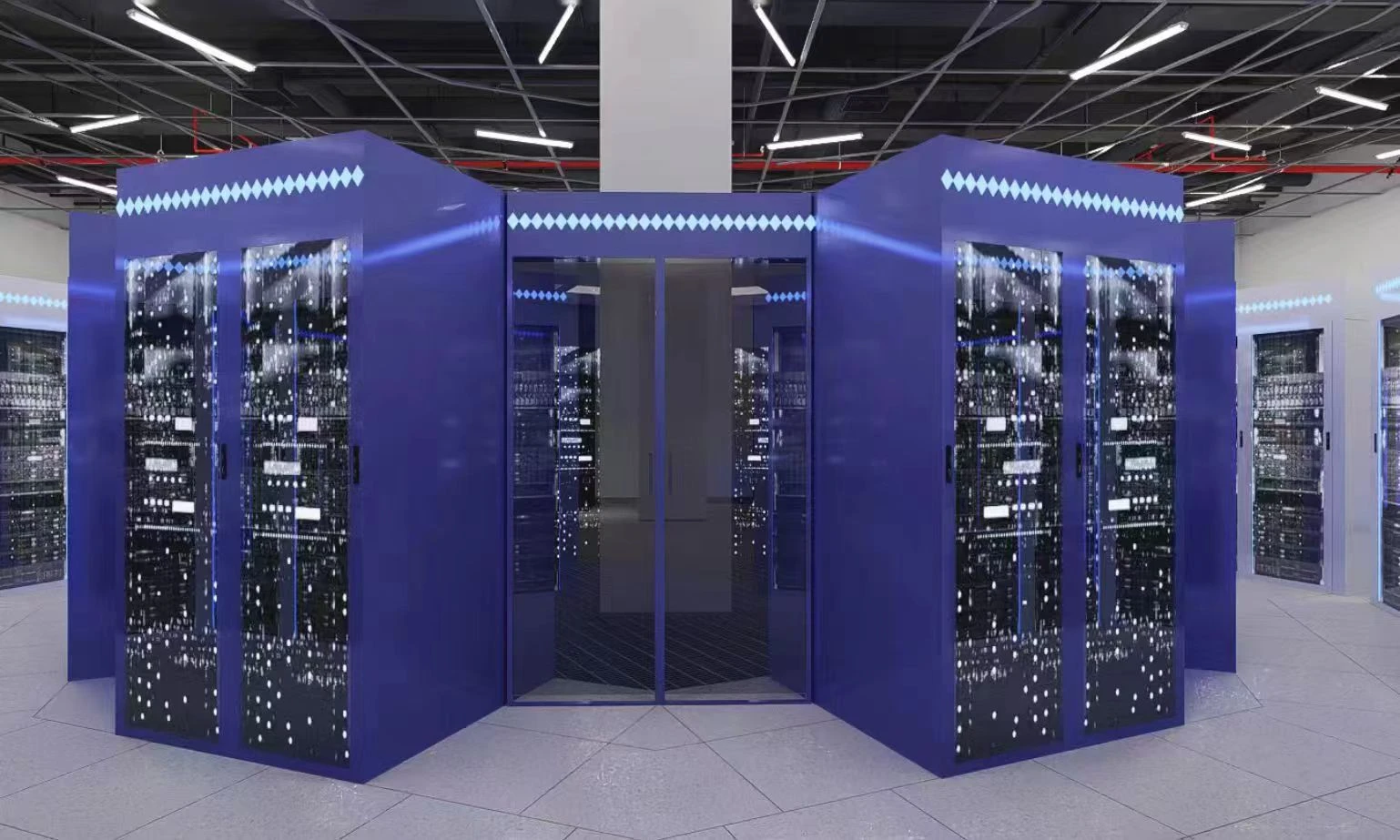
Table of Contents
- energy management system,energy control systems,energy monitoring and management system Overview
- Benefits & Use Cases of energy management system,energy control systems,energy monitoring and management system in Modular Data Center
- Cost, Maintenance & User Experience
- Sustainability & Market Trends in information-technology industry
- Conclusion on energy management system,energy control systems,energy monitoring and management system from Suzhou ACDC New Energy Technology Co., LTD.,
energy management system,energy control systems,energy monitoring and management system Overview
An energy management system (EMS) for modular data centers unifies power, cooling, and IT load data into a single pane of glass, enabling real-time insights and automated optimization. In practice, energy control systems interface with UPS, PDUs, in-row cooling/CRAC, batteries, and renewable inputs to balance reliability with efficiency. An energy monitoring and management system typically includes high-resolution metering (rack- and branch-circuit), AI-assisted analytics, alarms, and policy-driven controls that act on thresholds, schedules, or predictive models.
Suzhou ACDC New Energy Technology Co., LTD., integrates these capabilities into its micro-module computer room solutions, bringing factory-integrated power and cooling with built-in telemetry and control. Designed for rapid deployment, the architecture supports standard protocols (such as Modbus/TCP, SNMP, BACnet) and can bridge to DCIM/BMS for holistic oversight. Whether deployed at a core facility or an edge site, the EMS framework helps operators maintain target PUE, protect uptime, and streamline energy audits—all essential for B2B decision makers scaling digital infrastructure responsibly.
Benefits & Use Cases of energy management system,energy control systems,energy monitoring and management system in Modular Data Center
Modular Data Centers rely on precise, automated control to match fluctuating IT loads, seasonal conditions, and site constraints. An energy management system coordinates cooling setpoints, fan speeds, and economizer modes with UPS efficiency curves and battery readiness. Energy control systems can orchestrate demand response, manage peak shaving with BESS, and prioritize critical loads during grid events. Meanwhile, an energy monitoring and management system provides granular visibility—from feeder to rack—so teams can right-size capacity, identify stranded power, and reduce unnecessary headroom.
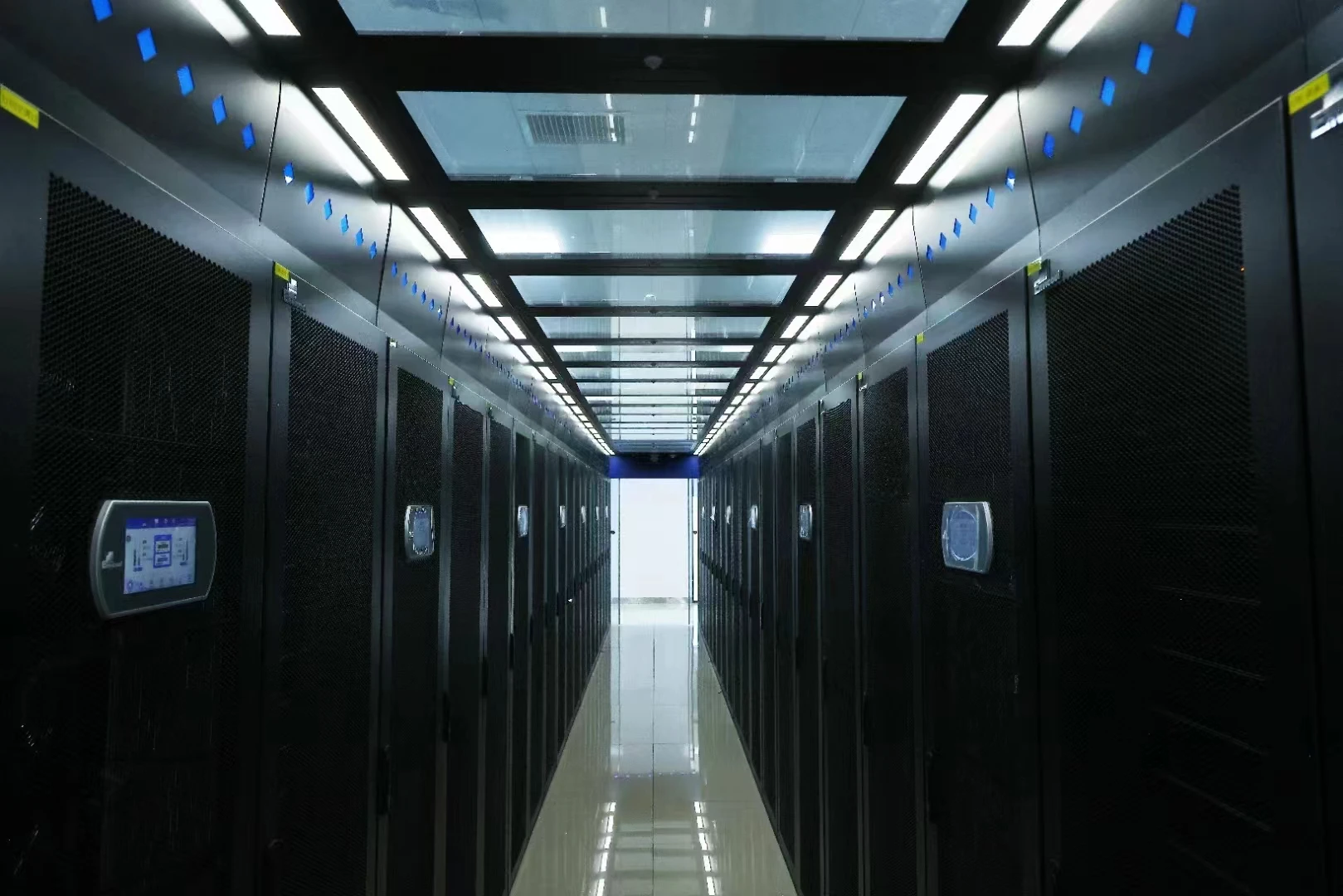
Suzhou ACDC New Energy Technology Co., LTD., builds these functions into compact, pre-engineered modules that deploy quickly with minimal on-site work. Competitive advantages include fast commissioning, interoperable interfaces, and rule-based automation that adapts to both air- and liquid-cooling strategies. For edge, retail, and industrial campuses, multi-site views and remote lifecycle management reduce truck rolls and standardize KPIs across the fleet. The result: higher availability, lower energy waste, and a clear pathway to continuous improvement.
Cost, Maintenance & User Experience
Total cost of ownership improves when monitoring and control are native to the module. By consolidating sensors, gateways, and controllers, Suzhou ACDC New Energy Technology Co., LTD., reduces integration time and ongoing service complexity. The EMS helps lower energy spend via continuous optimization and anomaly detection, while energy control systems trim peak charges and extend asset life through gentler operating profiles. Many operators find that efficiency gains, avoided downtime, and streamlined audits can deliver an attractive payback, depending on load profile and energy tariffs.
Maintenance is simplified with remote diagnostics, over-the-air firmware updates, and standardized spare parts. The user experience favors role-based dashboards, customizable alerts, and drill-down analytics—from site-level PUE to rack kWh and thermal maps. Data center teams report fewer nuisance alarms, faster root-cause analysis, and clearer accountability for energy KPIs. Ultimately, an energy monitoring and management system turns raw telemetry into actionable insights, aligning facilities and IT operations on measurable outcomes.
Sustainability & Market Trends in information-technology industry
Data center growth is accelerating with AI, edge computing, and hybrid cloud—intensifying focus on energy performance, grid coordination, and carbon transparency. Regulations and frameworks (e.g., energy efficiency directives, ISO 50001, and evolving disclosure standards) are pushing operators toward verifiable metrics and continuous improvement. In this context, an energy management system is foundational: it supports energy baselining, automated reporting, and policy-driven optimization that can integrate renewables and on-site storage.
Suzhou ACDC New Energy Technology Co., LTD., takes a forward-leaning approach by pairing modular infrastructure with intelligent controls, enabling higher-efficiency power paths and adaptive cooling. Native support for telemetry, open protocols, and BESS integration positions the platform for grid-interactive operations and future liquid-cooling adoption. As organizations pursue lower PUE, reduced Scope 2 emissions, and resilient operations, energy control systems and an energy monitoring and management system become strategic levers rather than mere compliance tools.
Conclusion on energy management system,energy control systems,energy monitoring and management system from Suzhou ACDC New Energy Technology Co., LTD.,
For B2B decision makers scaling modern infrastructure, an energy management system—backed by robust energy control systems and an energy monitoring and management system—delivers measurable efficiency, resilience, and visibility. Suzhou ACDC New Energy Technology Co., LTD., combines modular engineering with intelligent controls to accelerate deployment and elevate operational excellence across data center and Modular Data Center environments.
Contact us: email: beika@acdctech.com.cn
Visit our website: https://www.acdcbess.com | Product: Micro-Module Computer Room
-
Cedar Point EV Charging Solutions for Sustainable Tourism Experience
NewsApr.16,2026
-
Guide to Cedar Point Charging Stations for EV Park Visitors
NewsApr.16,2026
-
Acorn Stairlift Charging Point Guide for Home Mobility Optimization
NewsApr.16,2026
-
Integrating a Wireless Charging Point into Modern Infrastructure
NewsApr.16,2026
-
How to Optimize Your iPhone 14 Charging Point for Efficiency
NewsApr.16,2026
-
Analyzing the Charging Point Share Price Trends and Market Outlook
NewsApr.09,2026