


Oct . 10, 2025 09:20 Back to list
Energy Storage Cabinet with EMS—Safe, Modular, Scalable?
Field Notes on the Modern energy storage cabinet (and why telecom teams are rethinking cooling)
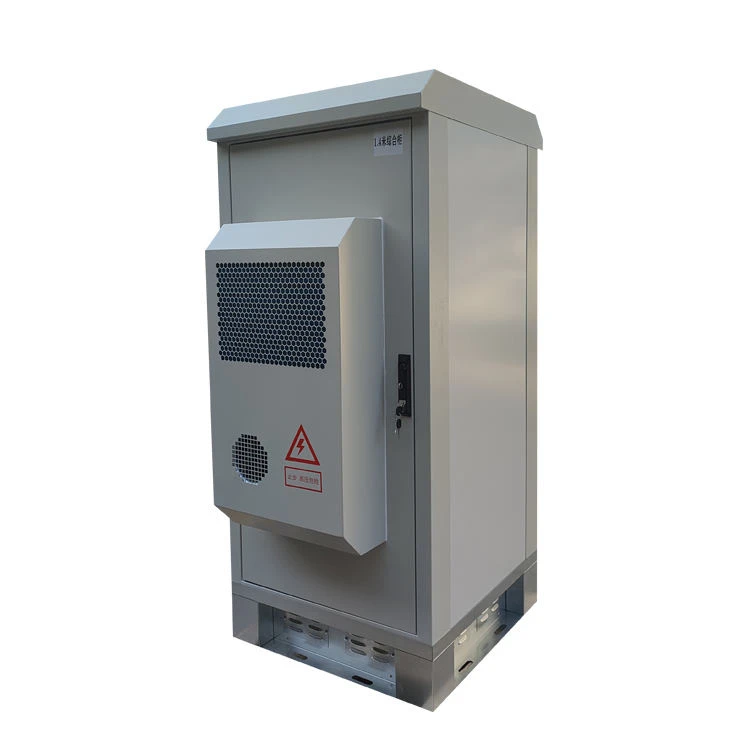
Out in the real world—dusty roadside 5G sites, wind-battered hilltops, emergency pop-up cells—you quickly learn that protection and thermal balance beat fancy brochures every time. That’s why the Outdoor Integrated Temperature Control Cabinet from Suzhou (No. 58 Tongxin Road, Tongan town, 215000—yes, I visited once; good coffee nearby) keeps popping up in my notes. It’s a energy storage cabinet designed around wireless communication base stations and edge power nodes, not a lab demo.
Industry trend check (quick and candid)
5G densification + solar add-ons + nighttime peak shaving = cabinets doing double duty: protect batteries and stabilize temperatures while managing power electronics. Many customers say they didn’t expect thermal control to be the bottleneck; yet, here we are. The winning energy storage cabinet these days mixes IP-rated enclosures, smart airflow, and modular layouts—because every site is a little different.
Product snapshot: Outdoor Integrated Temperature Control Cabinet
| Enclosure material | Galvanized steel or Aluzinc; powder-coated RAL gray; PU gasket |
| Ingress protection | IP55 (IEC 60529); optional IP65 depending on venting |
| Thermal system | Integrated AC/DC air-conditioner + heater; smart fan curve; humidity control |
| Operating temp | ≈ −40°C to +55°C (real-world use may vary by load) |
| Battery formats | 48V telecom strings, 51.2V LFP modules, 3U/4U rack packs, PCS/EMS bay |
| Acoustics | ≤ 60 dB(A) @ 1 m (≈) |
| Service life | 10–15 years with periodic filter/gasket maintenance |
| Certifications | CE, RoHS; enclosure to UL 50E/IEC 62208; supports UL 9540A-tested battery packs |
How it’s built (materials → methods → testing)
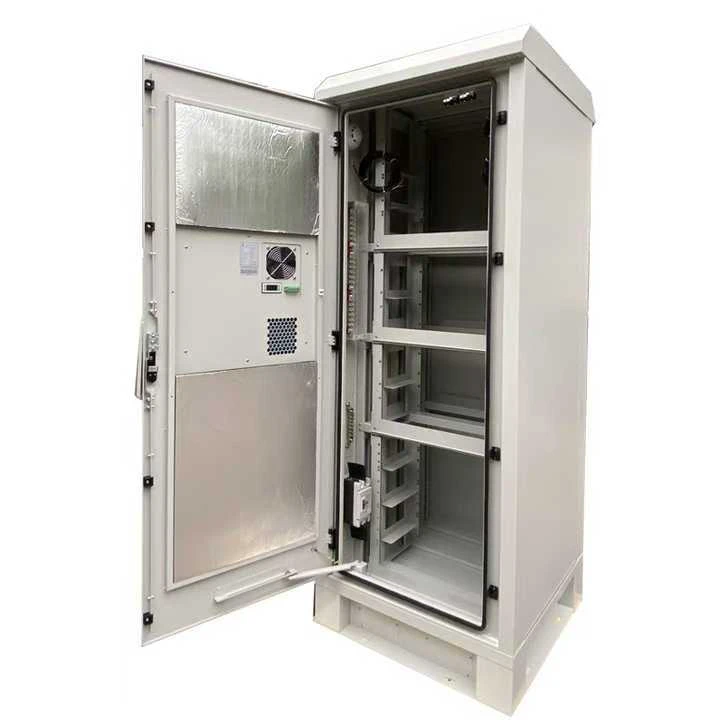
- Sheet metal: CNC cut, CNC bend; welded seams; phosphate pretreatment; 80–100 μm polyester powder coat.
- Thermal path: double-wall design, insulated panels, drip rails, louver geometry to reduce water ingress.
- Wiring: tinned copper busbars, UL94 V-0 plastics, halogen-free harness options.
- Testing: IP spray per IEC 60529; salt spray 480 h per ASTM B117; thermal cycling per IEC 60068-2-14; vibration per IEC 60068-2-6; telecom environment per ETSI EN 300 019.
- QA: 100% functional test; ΔT validation under 1 kW load; door-slam cycles ≥ 20,000.
Thermal test data, typical: ambient 35°C, internal load 800 W, target internal 25–30°C; cabinet AC stabilizes at ≈27°C in 18–22 minutes. Honestly, that’s respectable for a compact energy storage cabinet.
Where it’s used (beyond the spec sheet)
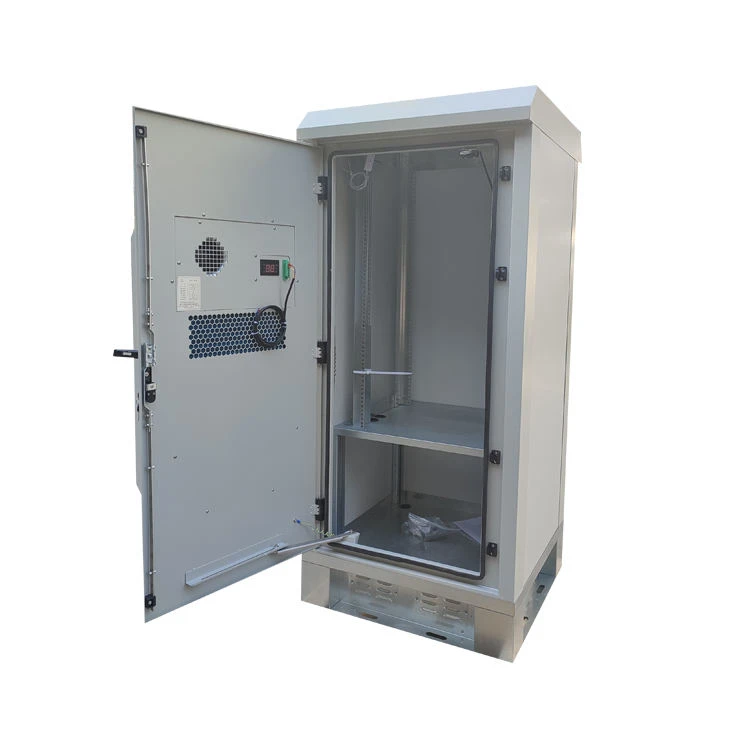
- 5G/4G macro and mini base stations; access/transmission nodes; emergency comms trailers.
- PV + storage micro-sites at schools, clinics, and roadside cabinets with EV chargers.
- Industrial edge compute where heat and dust are rude guests.
Advantages people actually notice: faster site turn-up (pre-integrated), fewer thermal alarms, less corrosion near coasts, and easier battery swaps. It sounds small, but on month 18, the maintenance techs will thank you.
Vendor landscape (my informal comparison)
| Vendor | Thermal control | Ingress | Certs (≈) | Lead-time |
|---|---|---|---|---|
| ACDC BESS (this model) | Integrated AC/heat + smart fans | IP55 | CE, RoHS, UL 50E support | 4–8 weeks (custom) |
| Vendor X | AC only | IP54 | CE | 6–10 weeks |
| Vendor Y | EC fans + optional heat exchanger | IP55–65 | CE, UL 50E (select) | 8–12 weeks |
Customization and integration
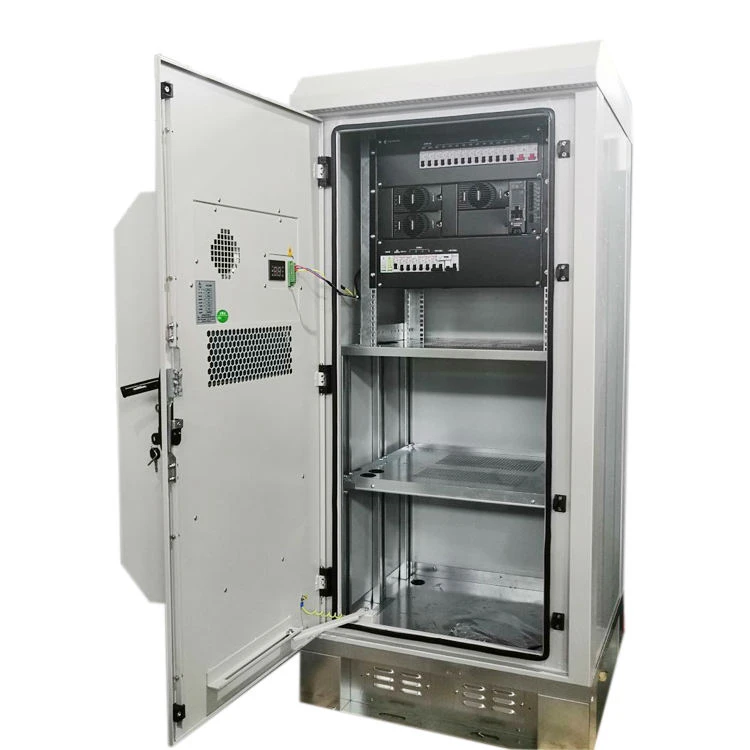
Options include busbar sizing, breaker layouts, EMS/PLC mounting plates, door sensors, fire detection, and paint codes. Battery brands with IEC 62619 and UL 9540A reports slot right in—though, to be honest, always sanity-check the heat load. For fleets, a unified energy storage cabinet spec simplifies spares and training.
Micro case notes
- Coastal 5G ring: IP55 version with anticorrosion kit cut field failures by ≈35% year over year.
- School microgrid pilot: LFP 51.2V racks + 3 kW inverter; internal temps held
- Emergency trailer: rapid deployment; technicians praised door hardware and gasket compression “actually tight.”
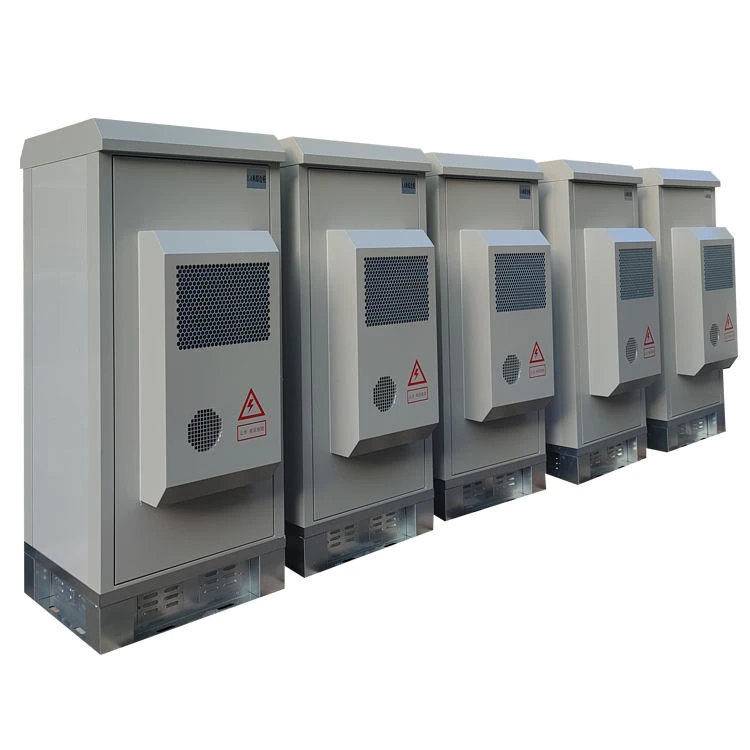
Final thought: cabinets aren’t glamorous, but the right energy storage cabinet turns into fewer tickets, happier ops, and better uptime. Sounds simple because, well, it should be.
Authoritative references
- IEC 60529: Degrees of protection provided by enclosures (IP Code).
- ETSI EN 300 019: Environmental conditions for telecom equipment.
- ASTM B117: Standard Practice for Operating Salt Spray (Fog) Apparatus.
- IEC 60068 series: Environmental testing (thermal, vibration).
- UL 50E / IEC 62208: Enclosures for electrical equipment; UL 9540A for battery system fire testing.
-
Cedar Point EV Charging Solutions for Sustainable Tourism Experience
NewsApr.16,2026
-
Guide to Cedar Point Charging Stations for EV Park Visitors
NewsApr.16,2026
-
Acorn Stairlift Charging Point Guide for Home Mobility Optimization
NewsApr.16,2026
-
Integrating a Wireless Charging Point into Modern Infrastructure
NewsApr.16,2026
-
How to Optimize Your iPhone 14 Charging Point for Efficiency
NewsApr.16,2026
-
Analyzing the Charging Point Share Price Trends and Market Outlook
NewsApr.09,2026