


Oct . 14, 2025 08:55 Back to list
Energy Storage System | Modular, Safe, OEM-Ready, Efficient
Self-Cooling-EN-215: a field note on modern energy storage system design
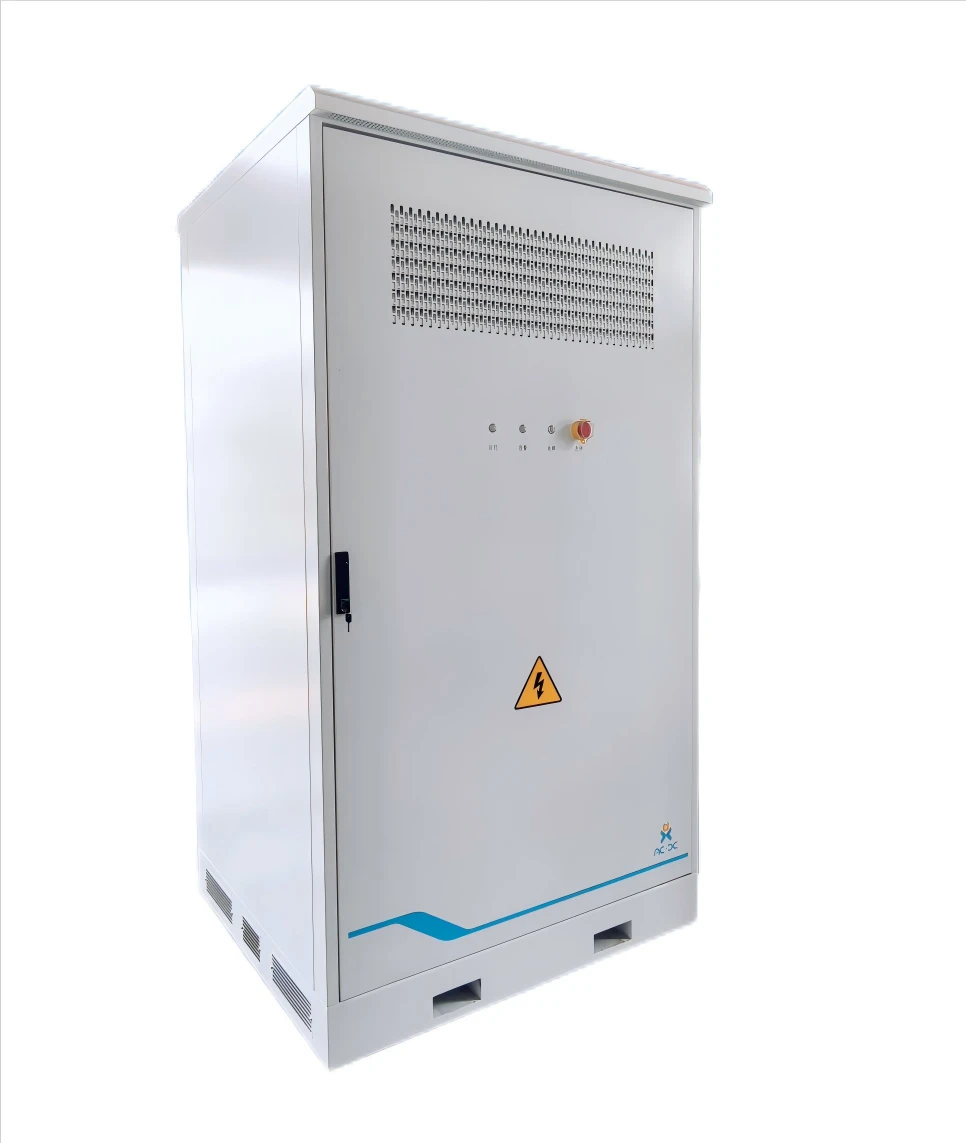
If you’ve spent time around construction trailers, substations, or those new EV fast-charging hubs popping up everywhere, you’ve probably walked past a quiet cabinet that’s doing a lot more than it lets on. The Self-Cooling-EN-215—an Outdoor Distributed Energy Storage Cabinet—lands right in that category. To be honest, I’ve seen plenty of batteries over the years; this one leans into pragmatic engineering, not flashy hype. It’s built in Suzhou (No. 58 Tongxin Road, Tongan town, Suzhou, Jiangsu province, 215000) and optimized for distributed sites that can’t babysit their hardware 24/7.
What it is and where it fits
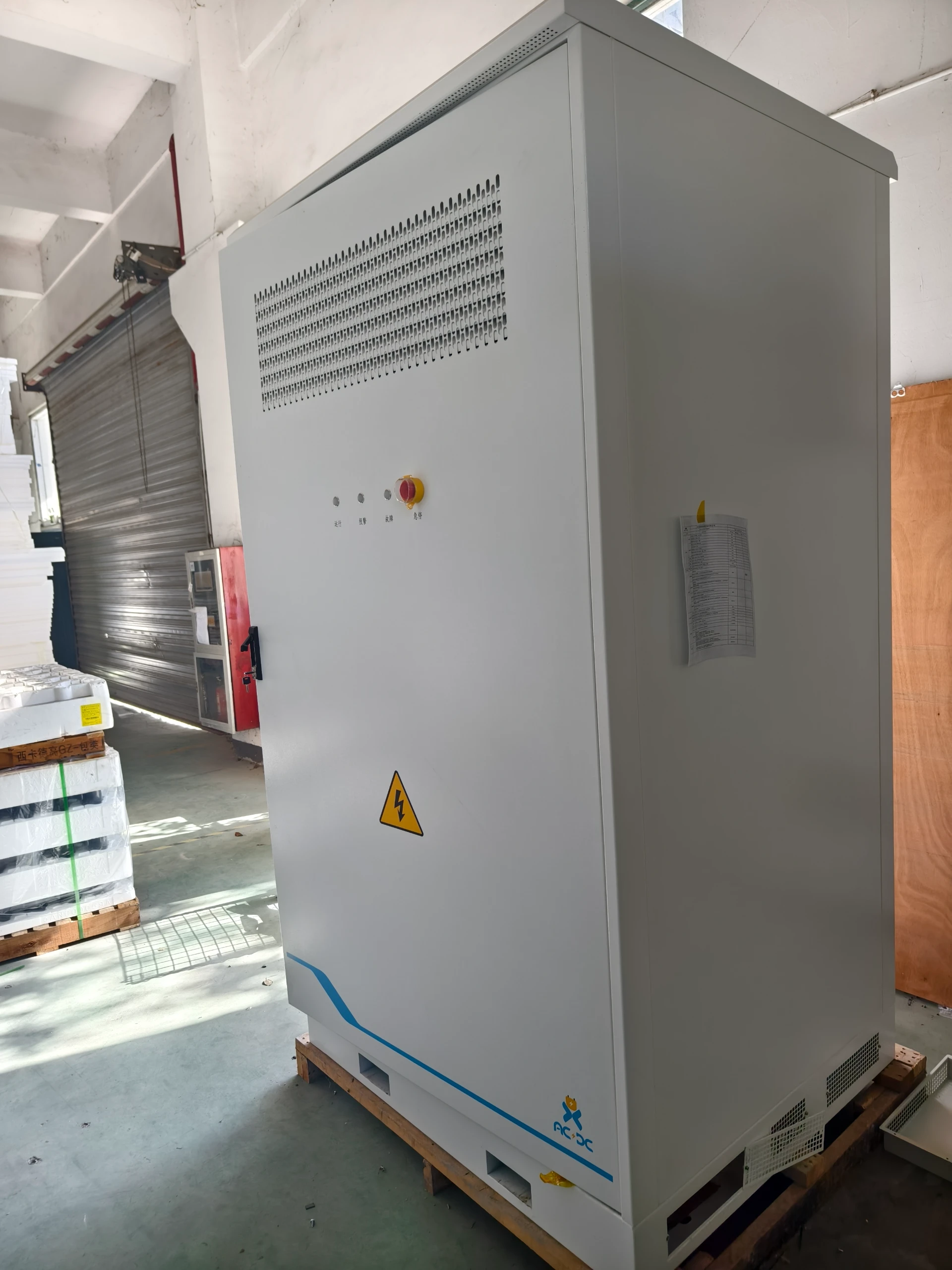
Think of this as a compact energy storage system for C&I peak shaving, EV-charger buffering, solar time-shift, and microgrid resiliency. Many customers say they want “install-and-forget” gear; this cabinet tries to get close with self-cooling heat paths (high-surface-area heat sinks, smart airflow channels) and fewer moving parts. It’s surprisingly quiet and tidy for urban deployments where permitting teams obsess over noise and footprint.
Process flow: from materials to the field
- Core materials: LFP cells (prismatic, UL 1973-certified packs) with low-cobalt chemistry; aluminum heat spreaders; powder-coated steel enclosure (≈IP54/IP55, real-world site prep matters).
- Methods: passive/self-cooling thermal paths; modular pack/frame assembly; BMS with cell-level monitoring, redundancy on comms; integrated DC protection and optional PCS interface.
- Testing standards: UN 38.3 transport tests; IEC 62619 for cell safety; UL 9540/9540A for system-level safety & fire propagation evaluation; EMC per IEC 61000-6-2/4.
- Service life: ≈10–15 years in temperate climates; ≥6000 cycles at 80% DoD (site temperature swings and C-rate will nudge this up or down).
- Industries: commercial buildings, logistics parks, telecom edge sites, data center peripherals, community microgrids, and EV charging plazas.
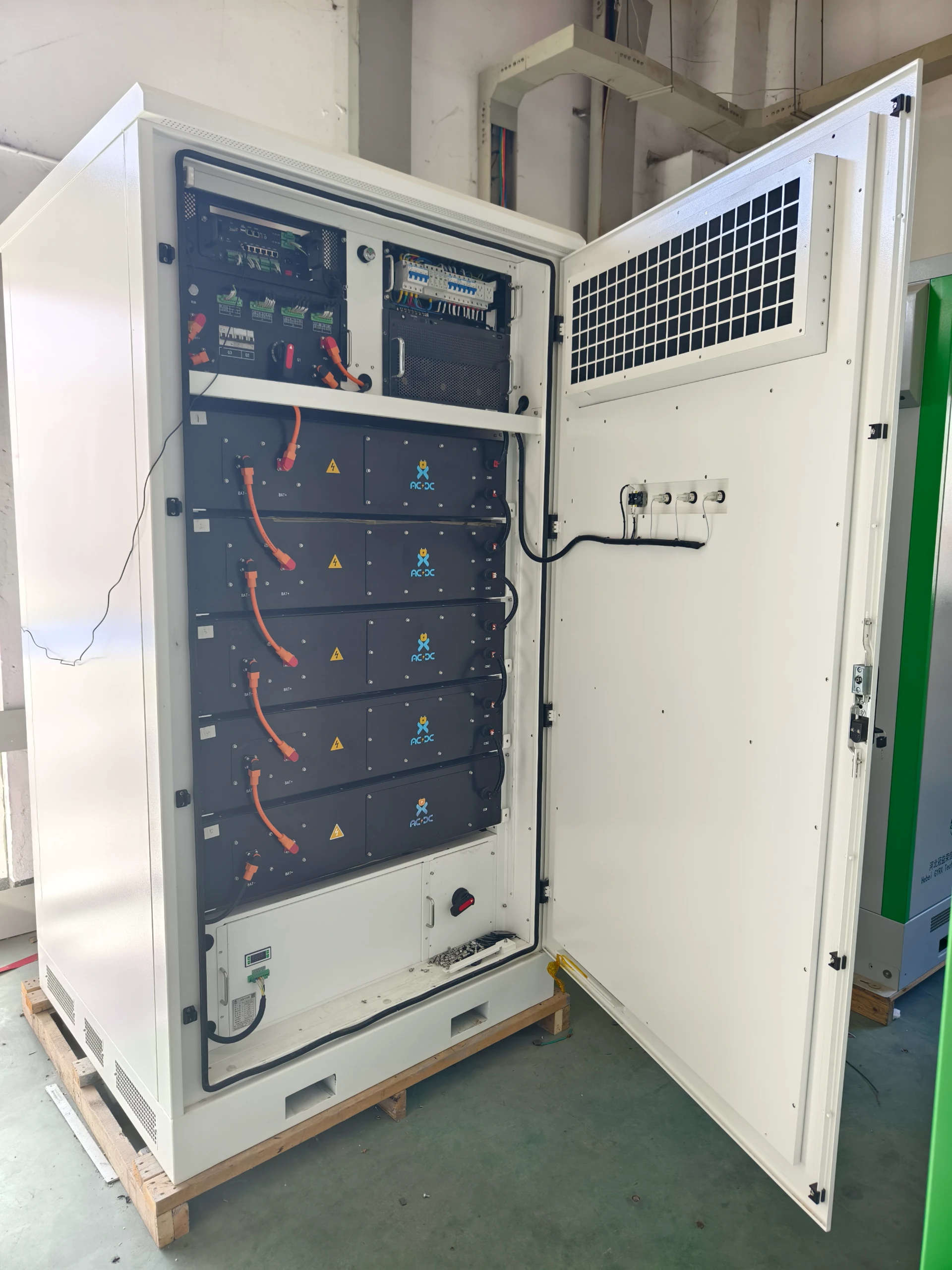
Product snapshot: Self-Cooling-EN-215
| Nominal Energy | ≈215 kWh (configurable) |
| Nominal Voltage | ≈768 Vdc (± tolerance by pack count) |
| Power (continuous) | 100–150 kW, site-specific PCS |
| Thermal Management | Self-cooling, high-efficiency heat paths; no liquid loop |
| Operating Temp | -20 to 50°C (performance derates above 40°C) |
| Ingress Rating | IP54/IP55 (site sealing quality impacts outcome) |
| Certifications | UN 38.3, IEC 62619, UL 1973; designed for UL 9540/9540A |
| Safety | Pack-level fusing, anti-propagation spacing, gas detection, optional clean-agent module |
How it’s used (and what people say)
Applications include: shaving demand peaks (typical 12–25% bill reduction), solar self-consumption (shift noon to evening), EV fast-charge smoothing (less grid turbulence), and backup for 1–2 hour ride-through. A facilities manager in Wuxi told me, “we barely touch it—just the quarterly checks.” That’s the point. However, do plan for ambient heat; passive systems still respect physics.
Real-world data (typical)
- Round-trip efficiency: ≈92–94% at 0.5C, 25°C; expect modest drops at high/low temps.
- Cycle life: ≥6000 cycles @80% DoD; calendar fade ≈2–3%/yr early, slowing later.
- Fire tests: UL 9540A methodology indicates cell venting contained to module with spacing—site layout still dictates final hazard analysis.
Vendor landscape (my quick take)
| Model | Cooling | Energy | Ideal Use | Notes |
|---|---|---|---|---|
| Self-Cooling-EN-215 | Passive/self-cooling | ≈215 kWh | Urban C&I, EV hubs | Low O&M, compact footprint |
| Vendor A—LiquidCube 250 | Liquid cooling | ≈250 kWh | Hot climates, high C-rate | Higher efficiency under load; more maintenance |
| Vendor B—Container 500 | HVAC air-cooled | ≈500 kWh | Large campuses | Scales well, bigger site impact |
Customization and integration
Options include cabinet color, EMS protocols (Modbus/TCP, SunSpec), PCS selection, fire suppression module type, and parallel cabinets for bigger banks. Factory acceptance tests (FAT) cover insulation resistance, leakage, functional BMS tests, thermal soak, and firmware validation. Site acceptance test (SAT) adds grid interop and charge/discharge profiles.
Case snapshots
- Retail plaza, Suzhou: 2 x energy storage system cabinets, 430 kWh total; demand charges down ≈18% in first quarter.
- EV hub, Nanjing: single cabinet buffers three 120 kW chargers; saw 30–40% fewer grid spikes, according to operator logs.
Compliance note: designed to align with UL 9540 for system safety and NFPA 855 for siting; final AHJ approvals and commissioning practices always rule. Real-world performance may vary with C-rate, temperature, utility tariff, and EMS tuning.
Authoritative references
-
Cedar Point EV Charging Solutions for Sustainable Tourism Experience
NewsApr.16,2026
-
Guide to Cedar Point Charging Stations for EV Park Visitors
NewsApr.16,2026
-
Acorn Stairlift Charging Point Guide for Home Mobility Optimization
NewsApr.16,2026
-
Integrating a Wireless Charging Point into Modern Infrastructure
NewsApr.16,2026
-
How to Optimize Your iPhone 14 Charging Point for Efficiency
NewsApr.16,2026
-
Analyzing the Charging Point Share Price Trends and Market Outlook
NewsApr.09,2026