


Oct . 12, 2025 10:10 Back to list
Energy Storage System: Reliable, Scalable, OEM Solutions
Field Notes on a Smarter Energy Future: Self-Cooling-EN-215
If you’ve shopped for an energy storage system lately, you know the market moves fast. The Self-Cooling-EN-215—an Outdoor Distributed Energy Storage Cabinet (Energy Type)—has been popping up in my inbox, and, to be honest, on more than a few factory blueprints. It’s built in Suzhou (Origin: No. 58 Tongxin Road, Tongan town, Suzhou!Jiangsu province,215000), and it leans into high-cycle LFP chemistry plus a no-fuss thermal design. Actually, that “self-cooling” angle is what caught my eye first.
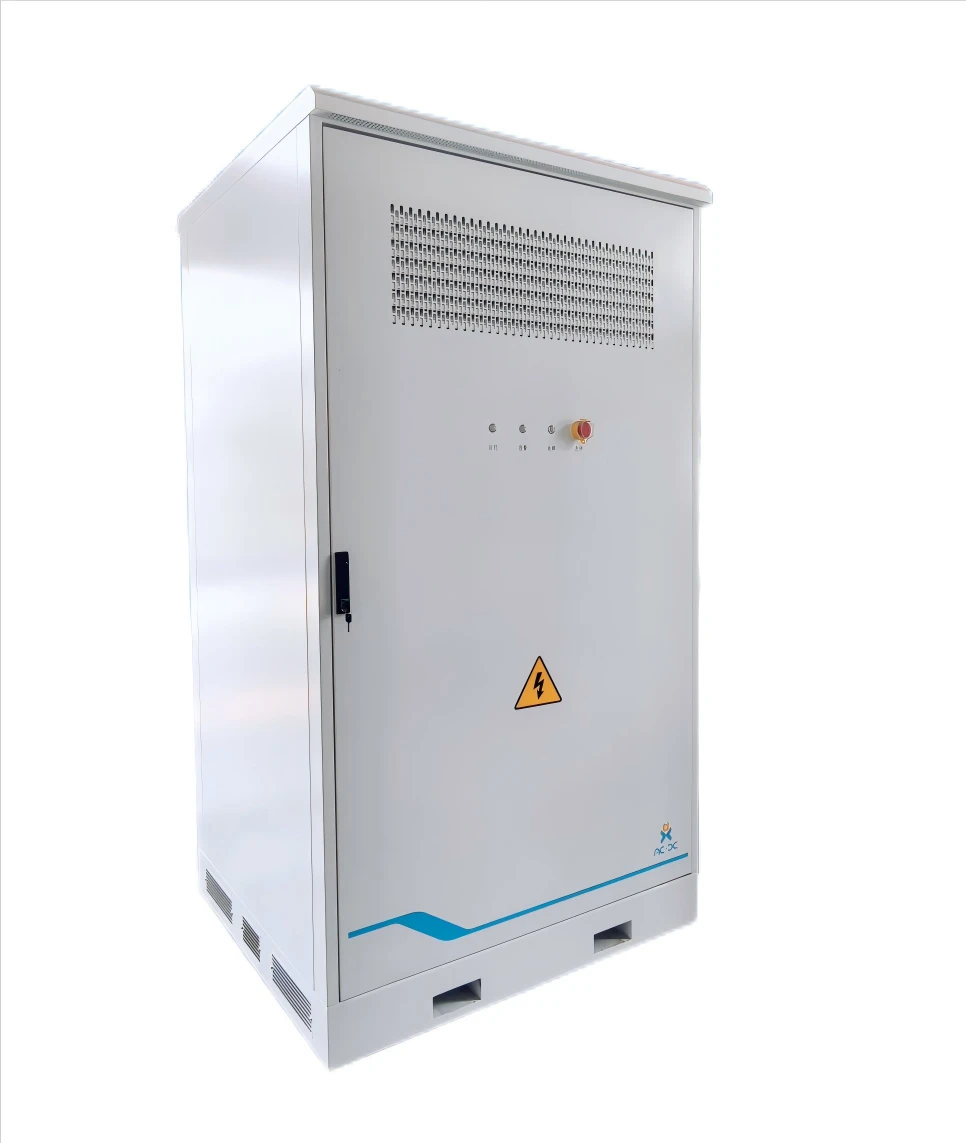
Where it fits in the market
C&I sites want peak shaving and backup without liquid cooling overhead. Microgrids want modular blocks that scale. EV charging depots need burst power at dusk. This cabinet aims at that sweet spot. Trends I’m seeing: LFP everywhere, modular cabinets instead of monoliths, and growing insistence on UL 9540A data. Many customers say they prefer cabinets that don’t need chiller maintenance—frankly, I get it.
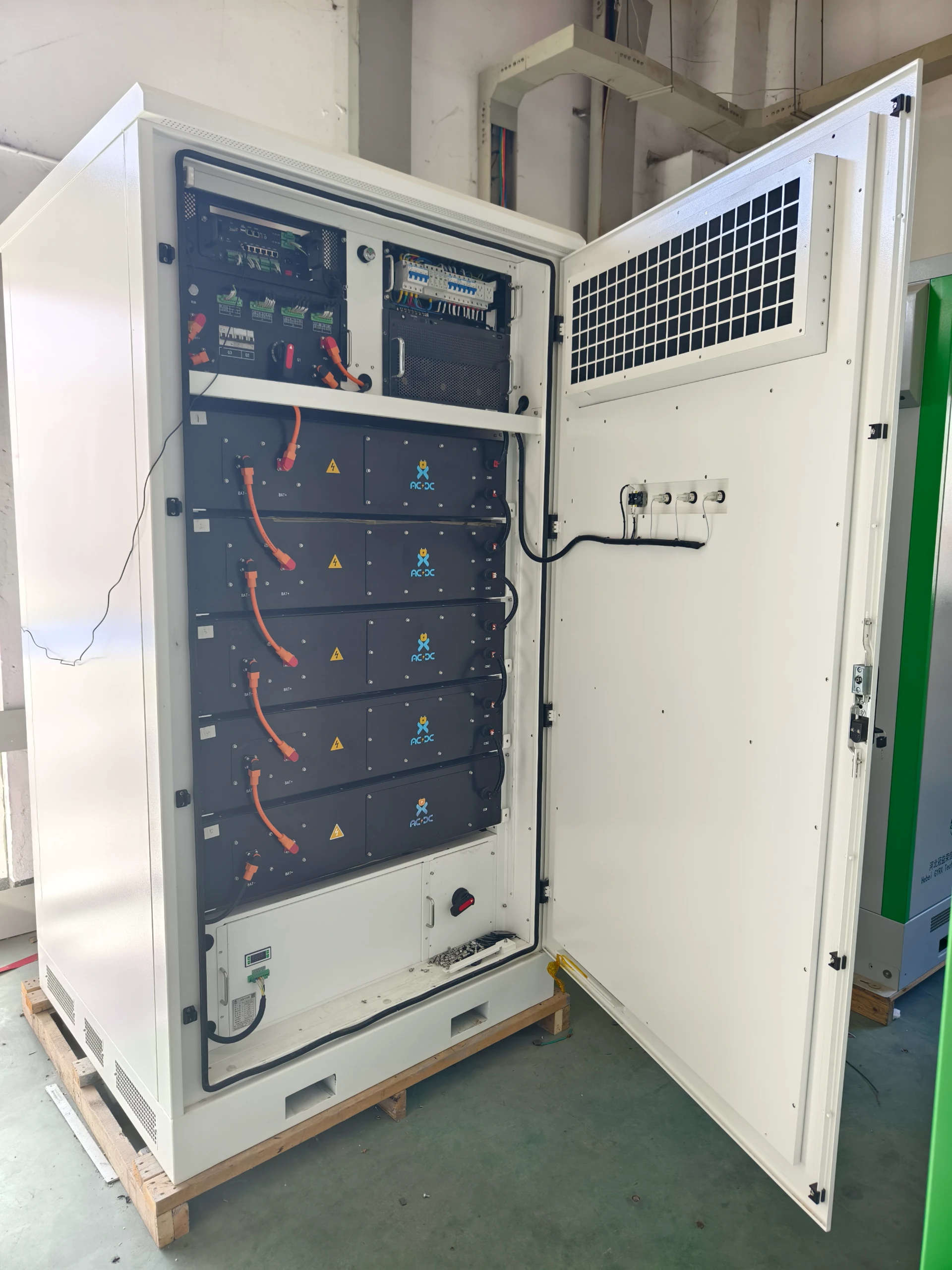
Specs at a glance (real‑world may vary)
| Product | Self-Cooling-EN-215 (Outdoor Distributed Cabinet—Energy Type) |
| Usable Energy | ≈ 215 kWh per cabinet |
| Chemistry | LFP (LiFePO₄) |
| Nominal DC Voltage | ≈ 700–800 Vdc window |
| Continuous Power | ≈ 100 kW (0.5C), peak ≈ 150 kW (10 s) |
| Round‑Trip Efficiency | ≈ 92–96% (system level) |
| Protection & Safety | BMS with cell balancing, OVP/UVP/OCP/OTP; fire detection/suppression options |
| Ingress / Noise | IP54–IP55 class target; |
| Operating Temp | ≈ −20°C to 50°C (derating may apply) |
| Cycle Life | > 6,000 cycles @ 25°C, 80% DoD (typical LFP) |
| Standards (design target) | IEC 62619, UN 38.3, UL 9540A test data, IEC 62933; site codes e.g., NFPA 855/IEEE 1547 |
Process, materials, and testing
- Materials: LFP prismatic cells, nickel/copper busbars, coated PCBs, galvanized steel cabinet with thermal pathways.
- Methods: Cell binning, laser welding, conformal coating, cabinet sealing, self-cooling ducting; smart BMS + EMS integration.
- Testing: UN 38.3 transport; IEC 62619 safety; insulation/hi‑pot; thermal soak; UL 9540A cell/module level data; factory FAT with charge/discharge profiling.
- Service life: ≈ 10–15 years depending on ambient, C‑rate, and maintenance.
- Industries: manufacturing, logistics/cold storage, telecom, solar+storage, EV charging hubs, campus microgrids, data center edge.
Vendor snapshot (my short list)
| Vendor / Model | Cooling | Certs (indicative) | Cycle Life | Footprint | Price Level |
|---|---|---|---|---|---|
| Self-Cooling-EN-215 | Passive/air‑assisted | IEC 62619, UN 38.3, UL 9540A (test) | 6,000–8,000 (≈) | Compact cabinet | $$ |
| Liquid‑Cooled Rack, 250 kWh class | Liquid | UL 9540/9540A, IEC 62933 | 7,000–10,000 (≈) | Rack + chiller | $$$ |
| Air‑Cooled Container, 500 kWh class | Forced air | IEC 62619/UN 38.3 | 5,000–7,000 (≈) | 20‑ft container111 | $$ |
Customization I’ve seen requested
Configurable PCS window, AC coupling, string count for higher kWh, comms (Modbus‑TCP, CAN, IEC‑104), fire system type (aerosol/clean agent), color/branding, and grid code profiles. It seems that, for many buyers, a simple energy storage system that talks nicely to site SCADA wins the deal.
Real‑world notes and mini‑case studies
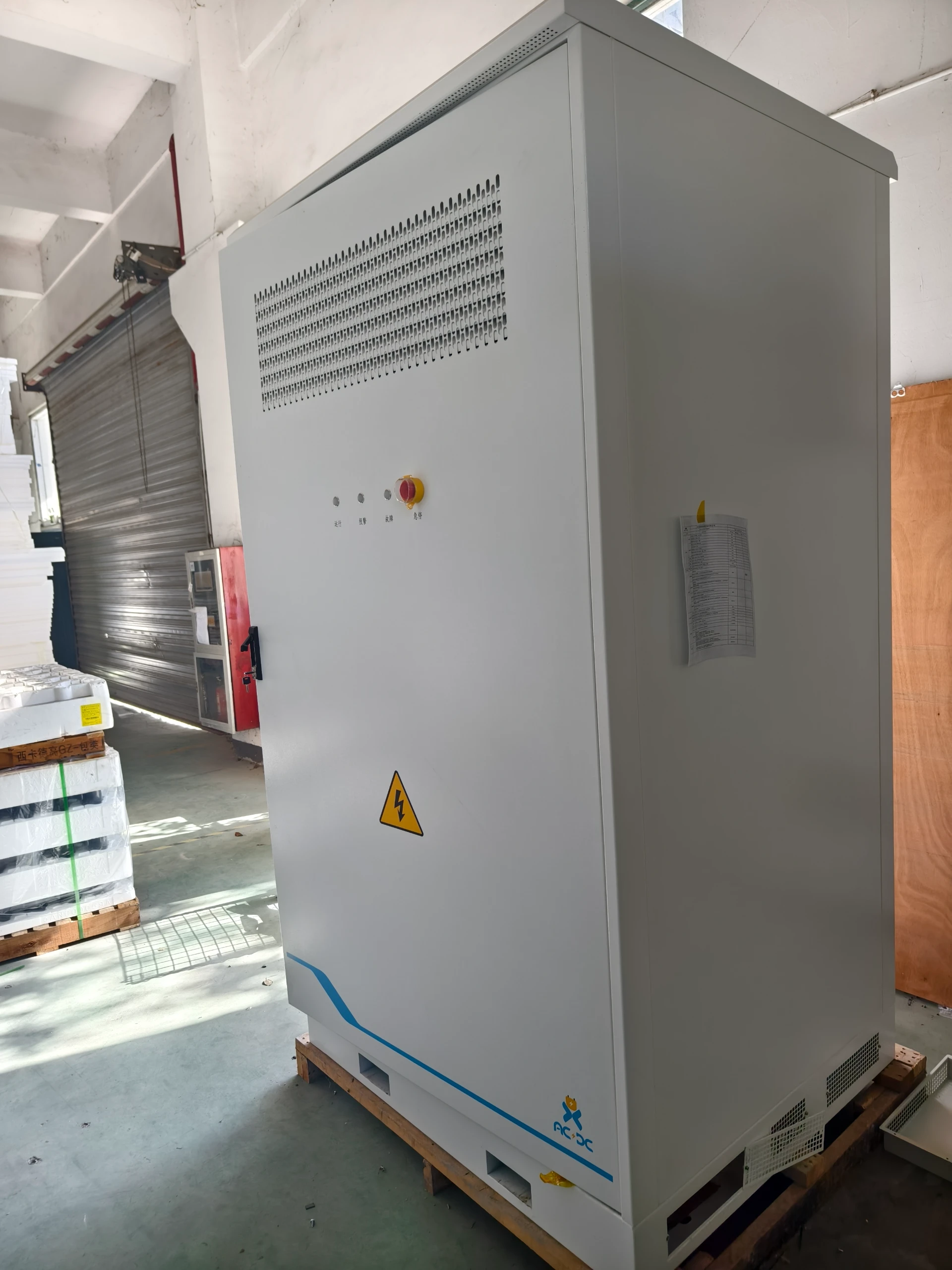
Suzhou textile mill: five cabinets (≈1.1 MWh) for peak shaving. After three months, metered demand charges dropped ≈18%. The ops director told me, “It’s quiet, and the maintenance log is thin,” which—surprisingly—was the biggest internal win. Another site, a highway EV plaza, stacked three units for midday solar capture; evening charge sessions ran smoother, with fewer brownout alarms. For sites that want a dependable energy storage system without coolant loops, this cabinet feels pragmatic.
Final take
Not every project needs liquid cooling. If your duty cycle is energy‑heavy (0.5C-ish), the Self-Cooling-EN-215 lands in that low‑maintenance, standards‑aware zone. Just make sure your AHJ is aligned on UL 9540/9540A documentation and that your designer sizes ventilation and clearances correctly. In fact, that small diligence often makes or breaks any energy storage system deployment.
Authoritative citations
- IEC 62619: Secondary lithium cells and batteries for industrial applications
- UL 9540A: Test Method for Evaluating Thermal Runaway Fire Propagation
- UN Manual of Tests and Criteria, Section 38.3
- IEEE 1547-2018: Interconnection of Distributed Energy Resources
- NFPA 855: Standard for Energy Storage Systems
- Sandia/DOE Energy Storage Safety and Reports
-
Cedar Point EV Charging Solutions for Sustainable Tourism Experience
NewsApr.16,2026
-
Guide to Cedar Point Charging Stations for EV Park Visitors
NewsApr.16,2026
-
Acorn Stairlift Charging Point Guide for Home Mobility Optimization
NewsApr.16,2026
-
Integrating a Wireless Charging Point into Modern Infrastructure
NewsApr.16,2026
-
How to Optimize Your iPhone 14 Charging Point for Efficiency
NewsApr.16,2026
-
Analyzing the Charging Point Share Price Trends and Market Outlook
NewsApr.09,2026