

Mar . 12, 2026 01:55 Back to list
Ensuring a Reliable Power Supply to Home A Comprehensive Guide
Reliable Power Supply to Home: A Comprehensive Guide
Ensuring a consistent and dependable power supply to home is crucial in today’s world. From essential appliances to critical safety systems, a stable power source is non-negotiable. Interruptions can lead to discomfort, inconvenience, and even significant financial losses. This article dives deep into the various options for home power, exploring everything from traditional grid connections to modern battery storage solutions, with a focus on maintaining a reliable and efficient energy ecosystem. We'll discuss the benefits of each, potential drawbacks, and how to choose the best solution for your needs.
Understanding Your Home's Power Needs
Before exploring solutions, it’s vital to understand your power consumption. This includes identifying your peak demand (the highest amount of power used at any given time) and average daily usage. Consider the appliances you regularly use, particularly those with high energy consumption like air conditioners, refrigerators, and electric heaters. Knowing your power needs is the first step in selecting the right power supply to home solution. This will help determine if grid reliance is sufficient, or if supplemental or backup systems are necessary.
Key Considerations: Assess your peak demand, average daily usage, and critical appliances requiring continuous power.
Traditional Grid Power: The Foundation
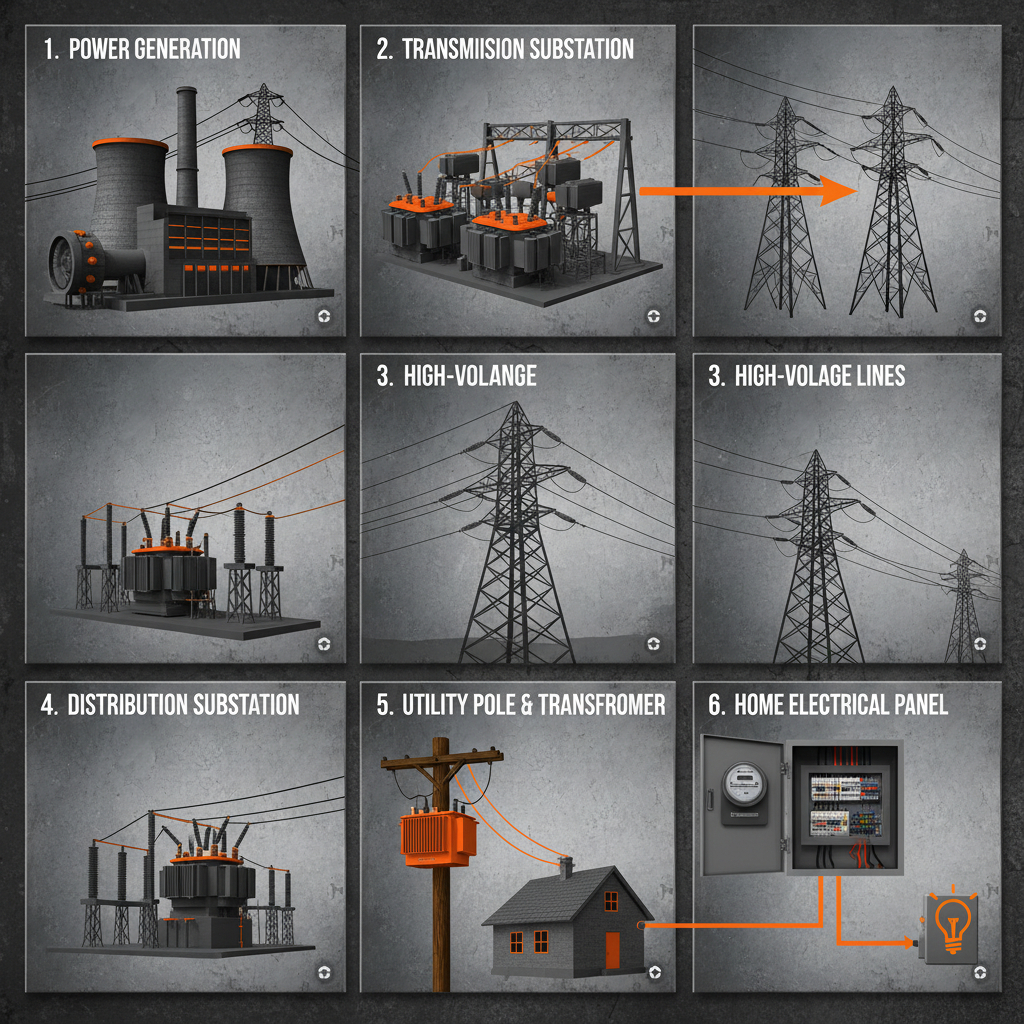
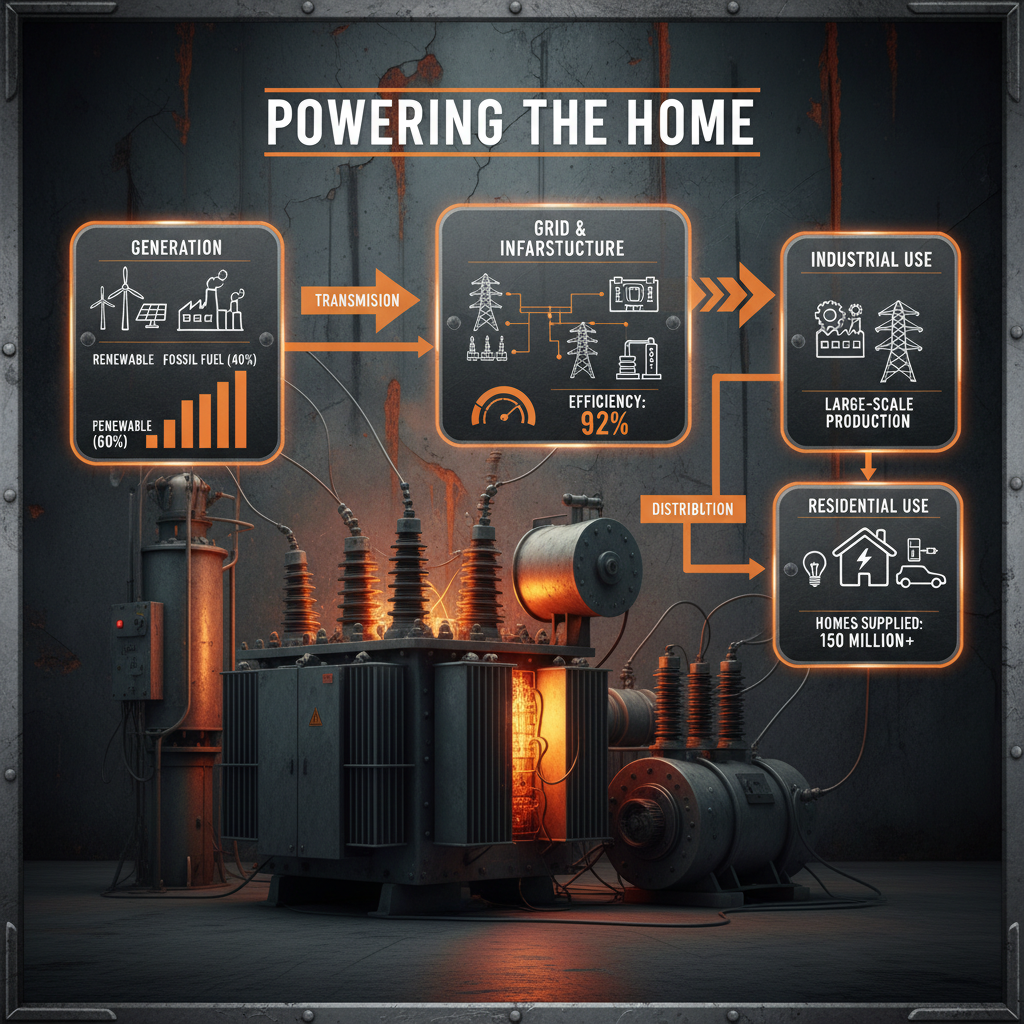
The most common power supply to home is the electricity grid. This vast network delivers power generated from various sources – fossil fuels, nuclear energy, and increasingly, renewables. While reliable in many areas, grid power isn't without its limitations. Outages can occur due to storms, equipment failures, or planned maintenance. Furthermore, the cost of grid power can fluctuate based on market conditions and energy policies.
Grid Power Advantages & Disadvantages:
• Advantages: Widespread availability, relatively low initial cost.
• Disadvantages: Susceptible to outages, fluctuating costs, environmental impact.
Exploring Backup Power Solutions: Generators and Battery Storage
To mitigate the risks associated with grid outages, many homeowners are turning to backup power solutions. Two primary options are generators and battery storage systems. Generators, typically powered by gasoline, propane, or natural gas, provide immediate power during an outage. However, they require fuel, produce noise and emissions, and necessitate regular maintenance. Battery storage systems, like those offered by ACDCBESS, offer a cleaner, quieter, and increasingly cost-effective alternative. These systems store energy from the grid (or renewable sources like solar panels) for use during outages, providing a seamless and reliable power supply to home.
The Rise of Solar + Storage: A Sustainable Power Solution
Combining solar panels with battery storage creates a highly resilient and sustainable power supply to home. Solar panels generate clean energy during the day, which can be used immediately or stored in batteries for use at night or during outages. This reduces reliance on the grid, lowers energy bills, and minimizes your carbon footprint. ACDCBESS offers comprehensive battery storage solutions designed to integrate seamlessly with solar panel systems, providing a complete and reliable energy independence solution.
Choosing the Right Power Supply for Your Home
Selecting the ideal power supply to home depends on your specific needs, budget, and location. If grid reliability is high and outages are rare, a simple grid connection might suffice. However, for areas prone to outages or for homeowners seeking greater energy independence, a battery storage system – potentially paired with solar panels – is a worthwhile investment. ACDCBESS offers expert consultations to help you determine the best solution for your unique circumstances.
Conclusion: Powering Your Future with Reliability and Sustainability
Ensuring a reliable power supply to home is more critical than ever. Whether you opt for a traditional grid connection, a backup generator, or a modern battery storage system like those offered by ACDCBESS, understanding your needs and available options is key. Investing in a robust power solution provides peace of mind, protects your valuable assets, and contributes to a more sustainable future.
Frequently Asked Questions (FAQs)
What size battery storage system do I need for my home?
The ideal battery storage size depends on your energy consumption, critical load requirements, and desired backup duration. Generally, calculating your average daily energy usage in kilowatt-hours (kWh) is a good starting point. Consider what appliances you absolutely need to power during an outage (refrigerator, medical equipment, etc.). A system capable of covering these "critical loads" for at least 24-48 hours is recommended. ACDCBESS offers professional sizing assessments to ensure you choose the right system for your needs. Factors like solar panel output (if applicable) and potential for future energy demand growth are also crucial considerations.
How long do ACDCBESS batteries last?
ACDCBESS batteries are designed for long-lasting performance, typically offering 10+ years of lifespan with proper maintenance. The actual lifespan depends on factors such as depth of discharge (how much of the battery's capacity is used each cycle), temperature, and usage patterns. Our batteries utilize advanced lithium-ion technology for enhanced durability and longevity. We provide comprehensive warranties to ensure your peace of mind.
Can I combine a generator with a battery storage system?
Yes, combining a generator with a battery storage system can provide a highly robust and flexible power solution. The battery storage system can handle short-term outages and reduce generator runtime, while the generator can provide extended backup power during prolonged outages. This hybrid approach optimizes energy efficiency and minimizes reliance on fossil fuels. ACDCBESS offers integration solutions to seamlessly connect generators and battery storage systems.
Is battery storage a good investment even without solar panels?
Yes, battery storage can be a valuable investment even without solar panels. It provides backup power during grid outages and can also be used for time-of-use arbitrage—charging the battery during off-peak hours when electricity rates are lower and discharging it during peak hours when rates are higher, thus reducing your electricity bills. It also offers grid services benefits, helping stabilize the grid in exchange for compensation in some regions.
-
Cedar Point EV Charging Solutions for Sustainable Tourism Experience
NewsApr.16,2026
-
Guide to Cedar Point Charging Stations for EV Park Visitors
NewsApr.16,2026
-
Acorn Stairlift Charging Point Guide for Home Mobility Optimization
NewsApr.16,2026
-
Integrating a Wireless Charging Point into Modern Infrastructure
NewsApr.16,2026
-
How to Optimize Your iPhone 14 Charging Point for Efficiency
NewsApr.16,2026
-
Analyzing the Charging Point Share Price Trends and Market Outlook
NewsApr.09,2026