


Mar . 31, 2026 01:55 Back to list
Exploring Diverse Examples of Mechanical Energy Storage Technologies and Applications
Examples of Mechanical Energy Storage
Mechanical energy storage (MES) is gaining prominence as a viable alternative to traditional electrochemical energy storage systems like batteries. It offers advantages such as high power density, long lifespan, and potentially lower costs. This article explores various examples of mechanical energy storage technologies, their principles, applications, and current development trends. Understanding these systems is crucial for evaluating the future of energy storage solutions. Let's dive into the fascinating world of storing energy through mechanical means.
Flywheel Energy Storage: A Classic Example
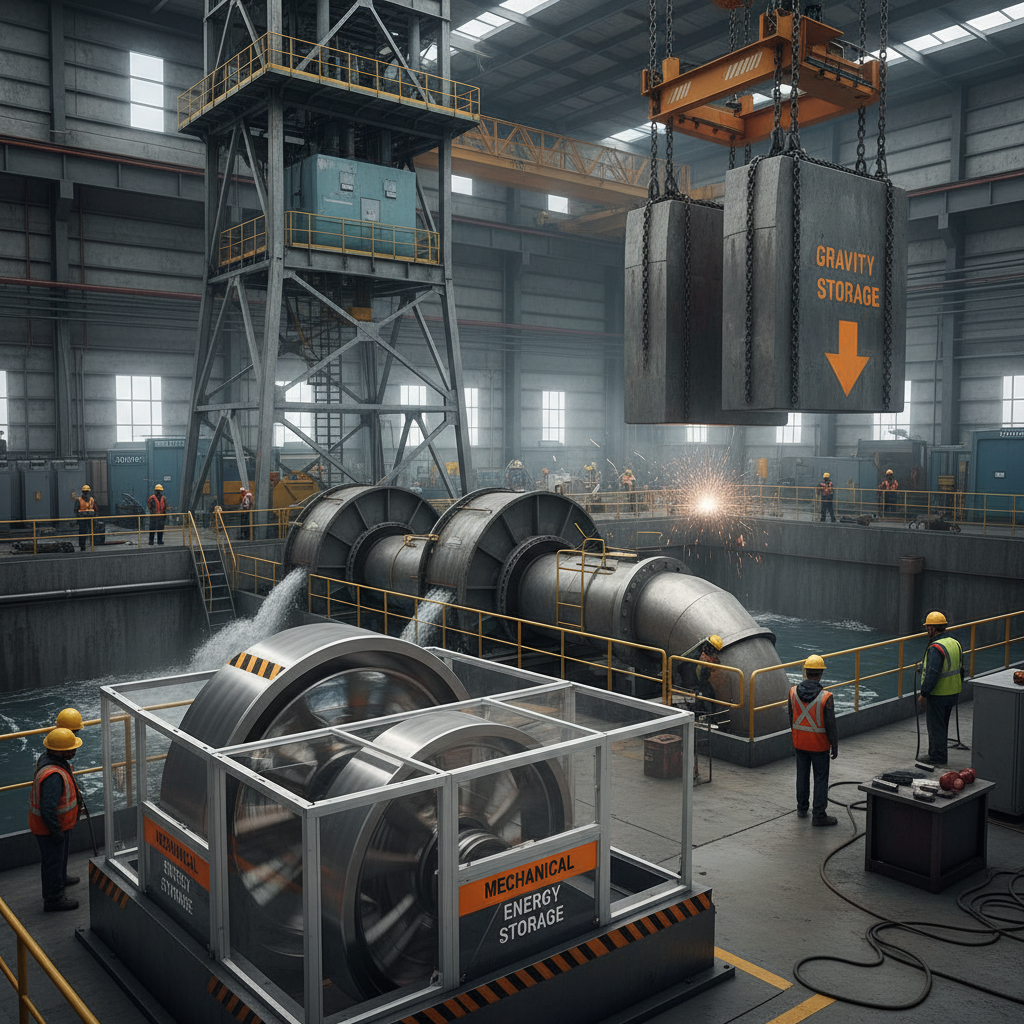
Flywheel energy storage is arguably the most mature MES technology. It stores energy by accelerating a rotor (the flywheel) to a high speed. The kinetic energy stored is proportional to the square of the rotor's speed and its moment of inertia. When energy is needed, the flywheel’s rotational energy is converted back into electricity via a generator. Flywheels excel in applications requiring rapid charge/discharge cycles and high power density, such as grid stabilization, uninterruptible power supplies (UPS), and regenerative braking systems in vehicles. Modern flywheels often utilize composite materials to increase strength and minimize weight, maximizing energy storage capacity.
Pumped Hydro Storage: Large-Scale Mechanical Energy Storage
Pumped hydro storage (PHS) is the most widely deployed form of large-scale energy storage globally. It operates by pumping water from a lower reservoir to a higher reservoir during periods of low electricity demand (and low prices). When demand is high, the water is released back down, driving a turbine to generate electricity. PHS provides significant grid-scale storage capacity and acts as a reliable backup power source. However, its implementation requires specific geographical conditions—namely, elevation differences and suitable water reservoirs. It’s a proven technology, but new projects face environmental and land-use challenges.
Pumped Hydro Key Advantages: Large capacity, long lifespan, established technology, provides grid stability and ancillary services.
Compressed Air Energy Storage (CAES): Utilizing Subsurface Reservoirs
Compressed air energy storage (CAES) involves compressing air and storing it in underground caverns, such as salt domes or abandoned mines. When electricity is needed, the compressed air is released, heated (often using natural gas), and used to drive a turbine. CAES offers large-scale storage capacity but typically requires a geological formation suitable for air storage. Advanced Adiabatic CAES (AA-CAES) systems are being developed to eliminate the need for fossil fuel heating, improving efficiency and reducing emissions. ACDC BESS is actively involved in developing CAES solutions.
CAES System Components:
• Compressor
• Underground Storage Cavern
• Heat Exchanger
• Turbine/Generator
Mechanical Energy Storage: A Comparison
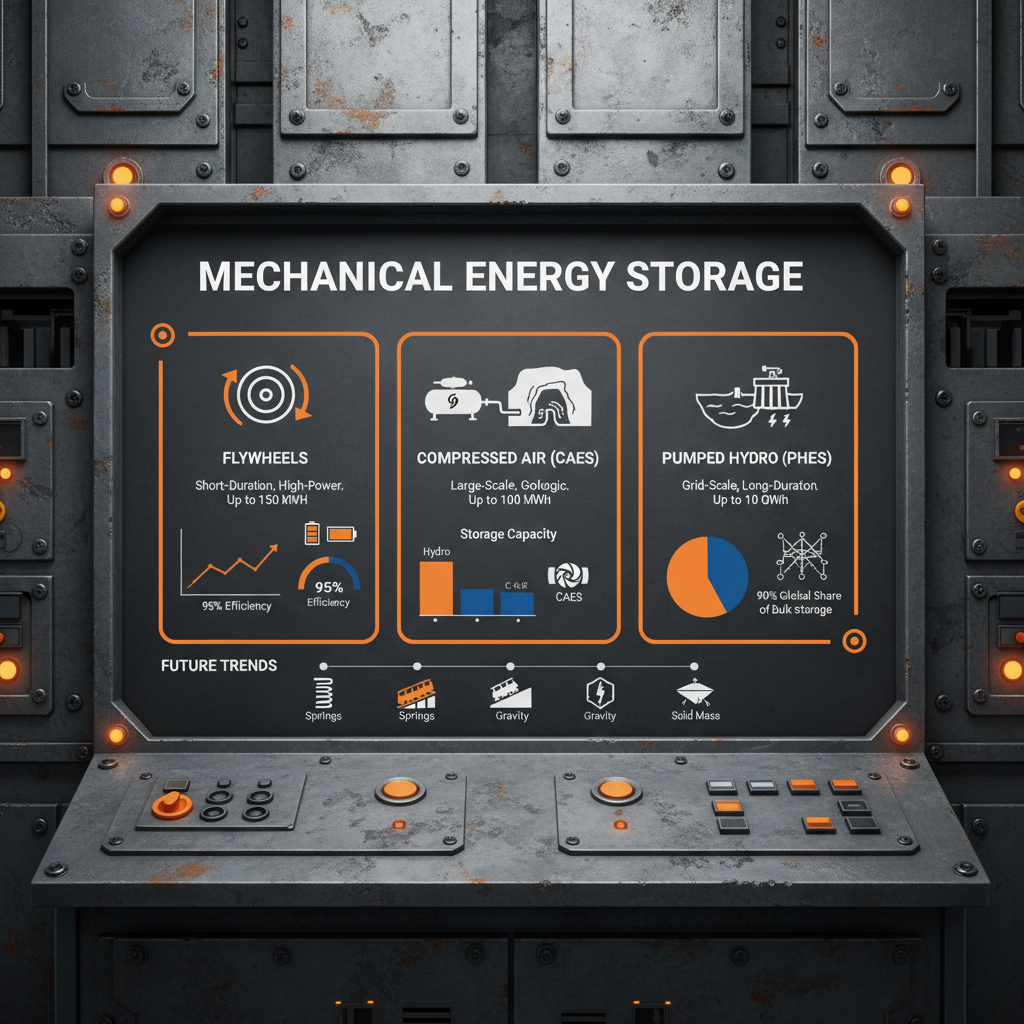
Different mechanical energy storage technologies possess unique characteristics making them suitable for different applications. Below is a comparative overview:
Emerging Mechanical Energy Storage Technologies
Beyond these established technologies, research and development are focused on innovative MES concepts. These include gravity-based energy storage, which involves lifting and lowering heavy weights, and spring-based energy storage, which utilizes the potential energy stored in compressed springs. While these technologies are still in their early stages of development, they hold promise for future energy storage applications. The ongoing advancements in materials science and engineering will play a crucial role in improving the efficiency and cost-effectiveness of these systems.
Conclusion: The Future of Mechanical Energy Storage
Mechanical energy storage offers a compelling range of solutions for addressing the growing demand for energy storage. From the maturity of pumped hydro and flywheels to the potential of emerging technologies like CAES and gravity storage, MES plays a crucial role in building a more sustainable and resilient energy future. ACDC BESS is dedicated to advancing these technologies and providing innovative energy storage solutions to meet the evolving needs of the energy sector.
Frequently Asked Questions (FAQs)
What are the main benefits of mechanical energy storage compared to batteries?
Mechanical energy storage systems generally offer longer lifespans and higher power densities than batteries. They often utilize more abundant and less environmentally problematic materials, and they are less susceptible to degradation over time. While batteries excel in energy density (storing more energy per unit weight), MES solutions often shine in applications requiring frequent charging/discharging cycles and high power output. The sustainability factor is also becoming increasingly important, with MES often presenting a more environmentally friendly lifecycle than battery technologies.
What are the limitations of pumped hydro storage?
Pumped hydro storage is geographically constrained, requiring specific elevation differences and access to water resources. Constructing new PHS facilities can also be environmentally disruptive, impacting ecosystems and land use. Initial capital costs can be substantial, and permitting processes can be lengthy and complex. While PHS is a mature technology, finding suitable sites and navigating environmental concerns are significant hurdles.
Is compressed air energy storage (CAES) environmentally friendly?
Traditional CAES systems often rely on natural gas for reheating the compressed air during discharge, resulting in greenhouse gas emissions. However, advanced adiabatic CAES (AA-CAES) technologies eliminate the need for fossil fuel heating, making them a much cleaner alternative. AA-CAES systems store the heat generated during compression and reuse it during expansion, significantly improving efficiency and reducing environmental impact.
What is the role of mechanical energy storage in a future renewable energy grid?
Mechanical energy storage is vital for integrating intermittent renewable energy sources like solar and wind into the grid. MES provides grid stability, frequency regulation, and peak shaving capabilities, ensuring a reliable power supply even when renewable energy generation fluctuates. By storing excess renewable energy during periods of high production and releasing it during periods of low production, MES helps balance supply and demand, reducing reliance on fossil fuels and promoting a cleaner energy system.
-
Cedar Point EV Charging Solutions for Sustainable Tourism Experience
NewsApr.16,2026
-
Guide to Cedar Point Charging Stations for EV Park Visitors
NewsApr.16,2026
-
Acorn Stairlift Charging Point Guide for Home Mobility Optimization
NewsApr.16,2026
-
Integrating a Wireless Charging Point into Modern Infrastructure
NewsApr.16,2026
-
How to Optimize Your iPhone 14 Charging Point for Efficiency
NewsApr.16,2026
-
Analyzing the Charging Point Share Price Trends and Market Outlook
NewsApr.09,2026