

Mar . 04, 2026 01:55 Back to list
Exploring the Feasibility of 3 Phase Power Supply at Home for Modern Needs
Understanding 3 Phase Power Supply at Home
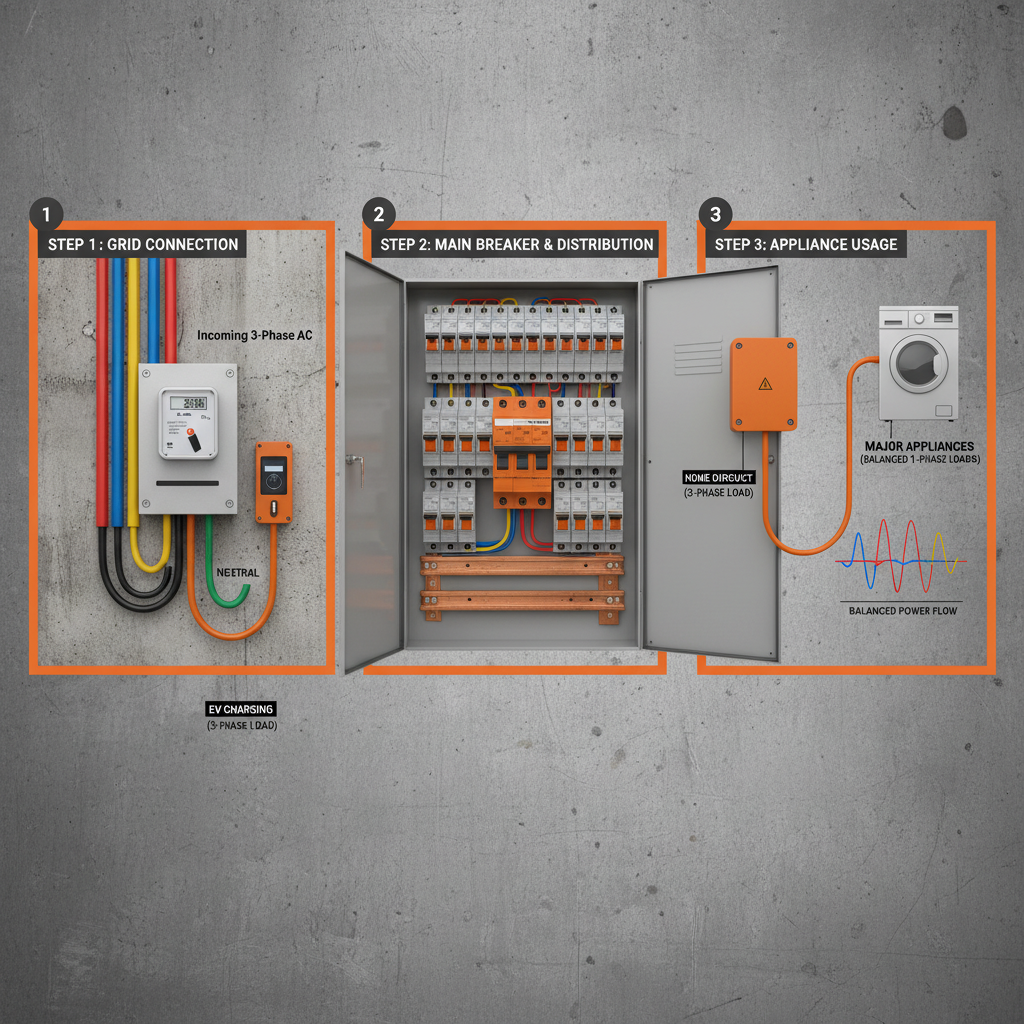
For many industrial and commercial applications, three-phase power is the standard. However, the question arises: can you utilize a 3 phase power supply at home? While not typical, it’s becoming increasingly feasible, especially with the rise of electric vehicles, larger home automation systems, and energy storage solutions. This article will explore the benefits, requirements, and methods for bringing three-phase power to your residence. We’ll delve into the considerations and solutions available to determine if it’s the right choice for your needs.
Why Consider a 3 Phase Power Supply at Home?
Traditionally, residential homes operate on single-phase power. However, three-phase power offers significant advantages in specific scenarios. The primary benefit is increased power capacity. This is crucial for high-demand appliances like large HVAC systems, electric vehicle (EV) chargers, workshops with heavy machinery, or homes with extensive solar panel installations and battery storage. Three-phase power provides a smoother, more consistent power delivery, leading to improved efficiency and reduced stress on electrical components. Furthermore, for those looking to future-proof their home's electrical system, installing three-phase capability now can accommodate future power needs.
Key Benefits: Increased power capacity, smoother power delivery, improved efficiency, and future-proofing capabilities.
Assessing Your Home’s Electrical Requirements
Before considering a three-phase power upgrade, a thorough assessment of your current and projected electrical needs is essential. Calculate the total wattage of all appliances and devices you anticipate using simultaneously. Pay particular attention to high-demand items. Consider the potential future addition of EV chargers, home automation systems, or expanded renewable energy sources. A qualified electrician can perform a load calculation to determine if your home's electrical infrastructure can support the additional load. The electrician can also evaluate the feasibility of upgrading your service panel and wiring.
Methods for Obtaining 3 Phase Power Supply at Home
There are several ways to obtain three-phase power for your home. The most common involves contacting your local utility company to upgrade your service. This typically requires a new service drop, a larger meter, and a three-phase service panel. Another option is a phase converter. A phase converter takes single-phase power and converts it to three-phase, but it may introduce harmonic distortion and reduce overall efficiency. Finally, a three-phase uninterruptible power supply (UPS) system can provide three-phase power independently, often used with energy storage solutions.
Three Phase Power Options:
• Utility Upgrade: Direct three-phase service from the power company.
• Phase Converter: Converts single-phase to three-phase (less efficient).
• Three-Phase UPS: Independent three-phase power with battery backup.
Comparing the Options: Cost and Efficiency
Each method of obtaining three-phase power has its own cost and efficiency implications. Utility upgrades are generally the most expensive due to infrastructure changes and potential fees. However, they offer the highest efficiency and reliability. Phase converters are less expensive initially but suffer from reduced efficiency and may require additional filtering to mitigate harmonic distortion. Three-phase UPS systems are the most expensive upfront but provide the benefits of power backup and clean, stable three-phase power. Here's a comparison:
Safety Considerations and Regulations
Working with three-phase power requires strict adherence to safety regulations and codes. Any electrical work must be performed by a qualified and licensed electrician. Ensure the installation complies with all local and national electrical codes. Proper grounding is crucial for safety, and all wiring must be appropriately sized for the load. Regularly inspect the electrical system for any signs of damage or wear. Prioritize safety throughout the installation and maintenance process.
Conclusion: Is 3 Phase Power Right for Your Home?
Determining whether to install a 3 phase power supply at home requires careful consideration of your electrical needs, budget, and local regulations. While it offers significant advantages for high-demand applications, it’s not always necessary or cost-effective. Consulting with a qualified electrician and your utility company is essential to make an informed decision. If you anticipate substantial power demands or plan to invest in energy storage and EV charging, three-phase power may be a worthwhile upgrade.
Frequently Asked Questions (FAQs)
What is the typical cost to upgrade to three-phase power?
The cost of upgrading to three-phase power varies significantly depending on your location, the distance to the nearest three-phase power source, and the extent of work required. Generally, you can expect to pay between $5,000 and $15,000 or more. This includes the utility company’s connection fees, the cost of a new service panel, wiring upgrades, and labor charges. Obtaining quotes from multiple electricians and your utility company is crucial for accurate cost estimation.
Are permits required for installing three-phase power?
Yes, permits are almost always required for installing three-phase power. Electrical work must be inspected to ensure it complies with local and national electrical codes. Your electrician will typically handle the permit application process. Failing to obtain the necessary permits can result in fines and potential safety hazards. Always ensure all electrical work is performed by a licensed and insured electrician and adheres to all relevant regulations.
Can I use existing single-phase appliances with a three-phase system?
Yes, you can generally use existing single-phase appliances with a three-phase system. However, you'll need to distribute the single-phase loads evenly across the three phases to maintain balance and prevent overloading. A qualified electrician can advise you on the best way to connect your existing appliances to the new three-phase system. It may be necessary to install additional circuits or breakers to accommodate the single-phase loads.
-
Cedar Point EV Charging Solutions for Sustainable Tourism Experience
NewsApr.16,2026
-
Guide to Cedar Point Charging Stations for EV Park Visitors
NewsApr.16,2026
-
Acorn Stairlift Charging Point Guide for Home Mobility Optimization
NewsApr.16,2026
-
Integrating a Wireless Charging Point into Modern Infrastructure
NewsApr.16,2026
-
How to Optimize Your iPhone 14 Charging Point for Efficiency
NewsApr.16,2026
-
Analyzing the Charging Point Share Price Trends and Market Outlook
NewsApr.09,2026