


Oct . 26, 2025 11:00 Back to list
High-Efficiency Storage System | Modular, Safe, Scalable
Field Notes on an Outdoor Energy Storage System That Doesn’t Flinch in the Heat
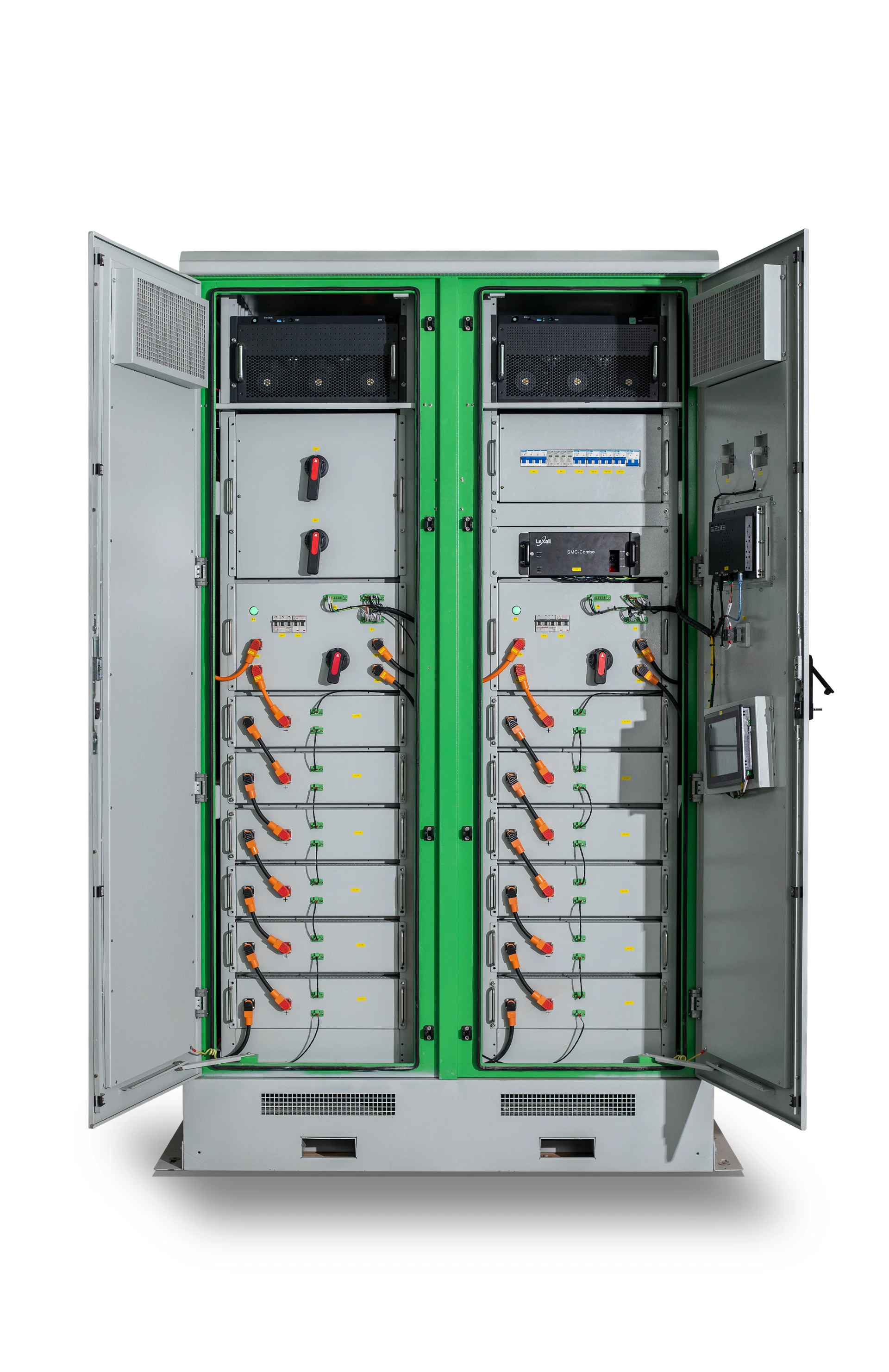
I’ve spent enough summers beside metal enclosures to know heat is the silent budget killer. That’s why the Self-Cooling-PW-164 caught my eye—an outdoor distributed energy cabinet (power type) from Suzhou, China (No. 58 Tongxin Road, Tongan town, Suzhou, Jiangsu, 215000). It’s built around passive thermal design to reduce parasitic loads. And, to be honest, that’s where a lot of savings hide.
Industry trends (and a few realities)
C&I buyers are shifting toward modular outdoor Storage System cabinets that pair with rooftop PV, EV chargers, and peak-shaving strategies. Three motifs dominate: safety certifications first, then thermal simplicity, and finally serviceability. Surprisingly, many customers say they’ll trade a couple of points of round-trip efficiency for fewer moving parts—especially in dusty sites where filters clog fast.
What the Self-Cooling-PW-164 is (and isn’t)
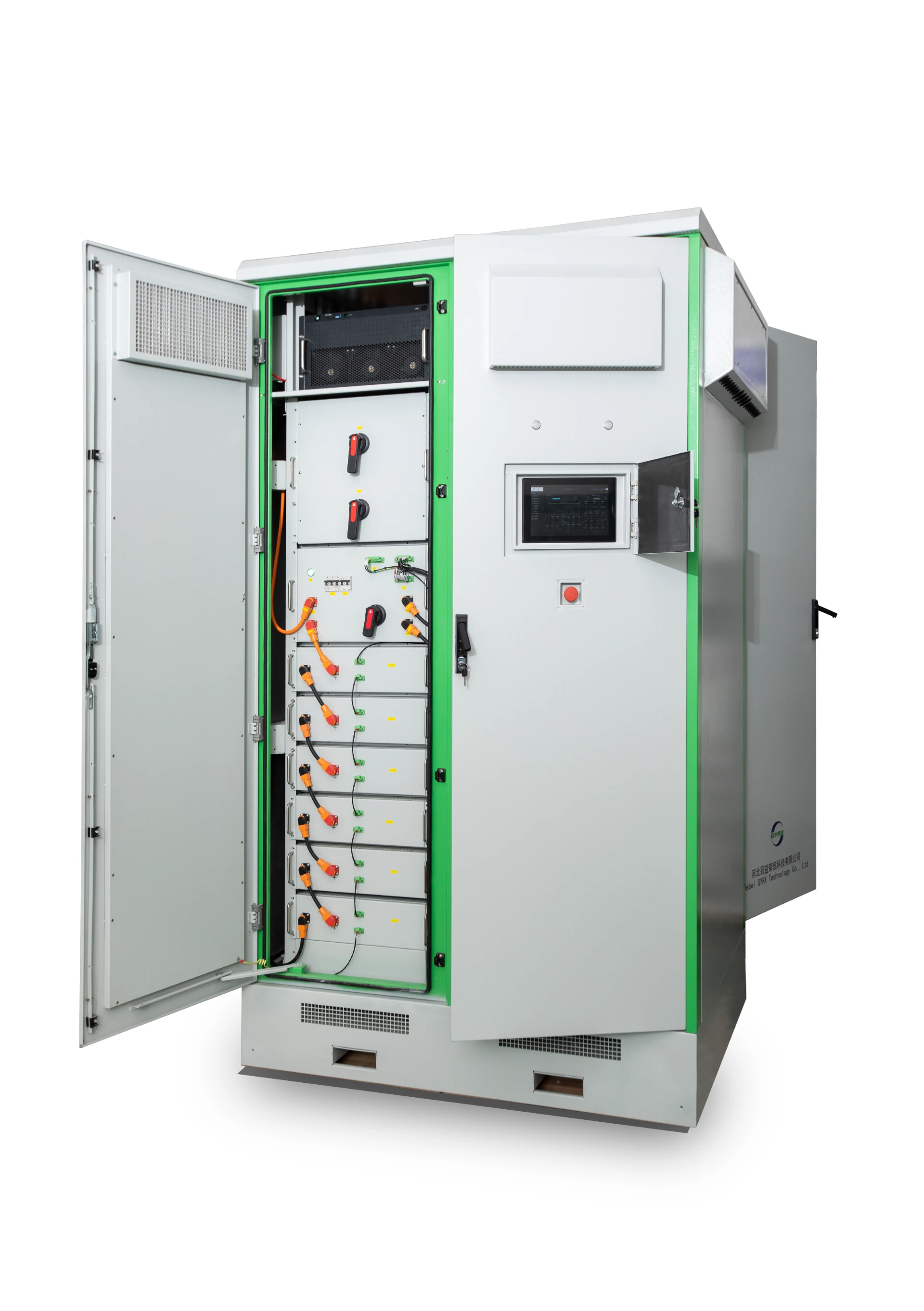
It’s a power-oriented outdoor Storage System cabinet with passive/self-cooling architecture—think heat pipes, fin stacks, and natural convection instead of compressor-driven HVAC. The cabinet is aimed at fast response (demand charge management, PV smoothing, genset optimization) rather than ultra-long-duration energy shifting.
Typical product specs (manufacturer data, real-world may vary)
| Parameter | Self-Cooling-PW-164 |
|---|---|
| Energy (usable) | ≈164 kWh (typical cabinet) |
| Power rating | ≈50–100 kW (configurable) |
| Cell chemistry | LFP (LiFePO₄), high-safety profile |
| Round-trip efficiency | ≈92–95% @ 25°C |
| Cycle life | ≥6,000 cycles @ 80% DoD (typical) |
| Ingress rating | IP54 (outdoor), NEMA 3R ≈ |
| Operating temp | -20°C to +55°C (derating above ≈45°C) |
| Fire safety | Module-level monitoring; clean-agent options; UL 9540A tested (see certs) |
How it’s built: materials, methods, tests
- Materials: LFP prismatic cells; powder-coated steel/aluminum enclosure; silicone gaskets; flame-retardant harnessing.
- Methods: laser-welded cell tabs; conformal-coated PCBs; busbar torque verification; passive heat-pipe arrays.
- Testing standards: IEC 62619 (cell/battery safety), UL 9540A (thermal propagation), IEC 61000-6-2/6-4 (EMC), and factory FAT/SAT checklists.
- Service life: around 10–15 years depending on ambient and duty cycle; to be honest, hot sites shorten it unless dispatch is managed.
- Industries: logistics hubs, retail chains, light manufacturing, telecom edge, EV charging plazas, microgrids.
Where it fits (application scenarios)
- Peak shaving and TOU arbitrage for 200–800 kVA facilities. - PV smoothing/firming for rooftop arrays. - Genset right-sizing on remote feeders. - EV fast-charging buffer to avoid demand spikes. In fact, one facility manager told me their Storage System paid back faster after they throttled compressors and let the cabinet’s passive cooling do the heavy lifting.
Vendor snapshot comparison (indicative)
| Vendor | Thermal Approach | Pros / Cons |
|---|---|---|
| Self-Cooling-PW-164 | Passive/self-cooling | + Lower OPEX; fewer moving parts. − Needs smart dispatch in heat waves. |
| Brand A (global) | Active HVAC | + Tight temp control. − Higher parasitics; filter maintenance. |
| Brand B (regional) | Hybrid (fan + PCM) | + Balanced capex/opex. − Complexity in field service. |
Customization and QA flow
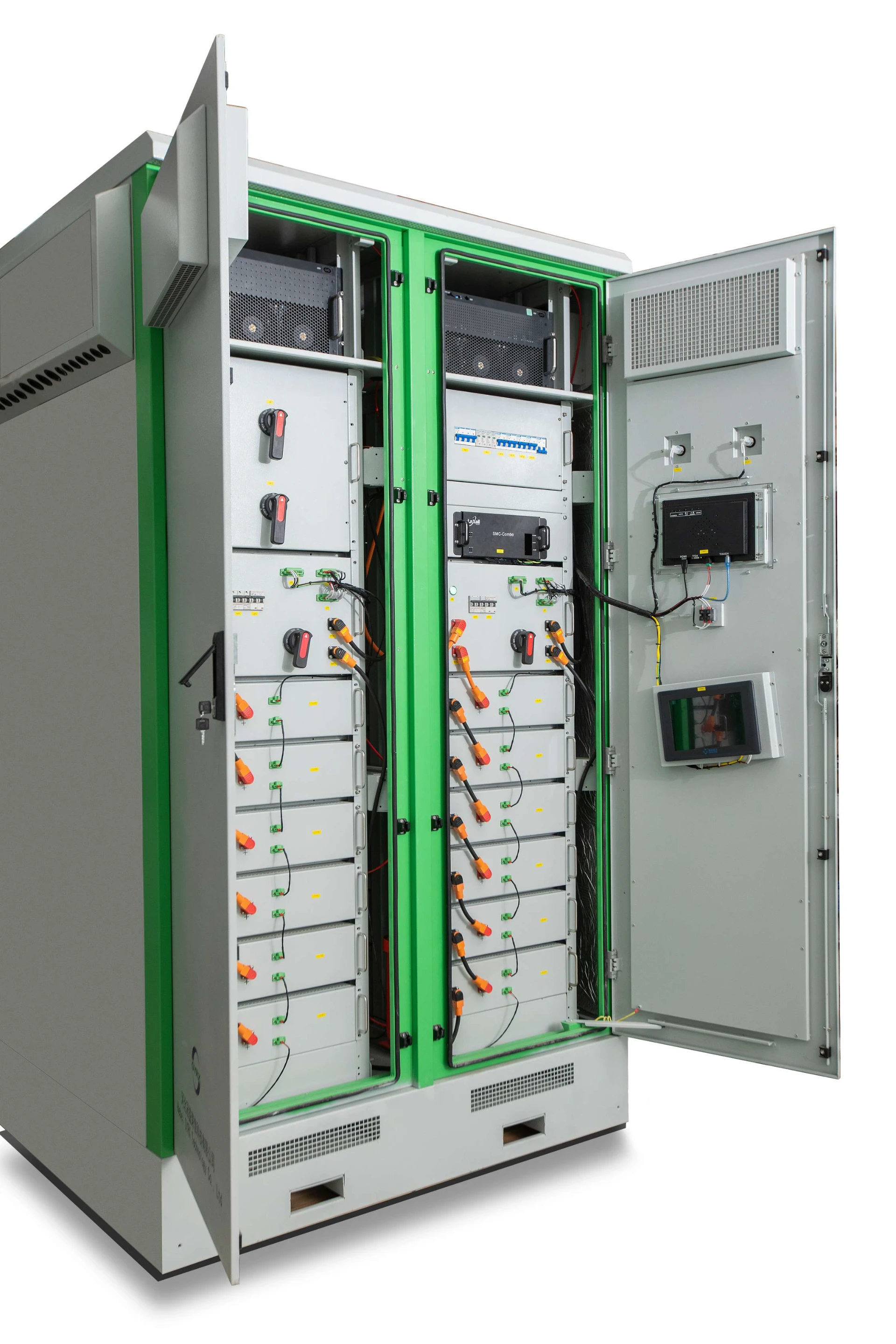
Options include PCS pairing, EMS protocol sets (Modbus/TCP, IEC 61850 ≈), fire suppression packages, and cabinet color/branding. Process flow: cell incoming QC → module assembly → BMS calibration → thermal path inspection → enclosure sealing (IP tests) → EMC chamber → FAT with load banks → site SAT. Test data I saw showed ≤60 dB(A) noise and RTE holding above ≈93% at 25°C.
Case notes (two quick ones)
Retail park, Yangtze Delta: 1 cabinet, PV-coupled, shaved ≈18% of monthly demand charges; customer feedback: “Set-and-forget after month two.”
EV forecourt, coastal site: 2 cabinets buffering 150 kW chargers; no HVAC meant less salt ingress—maintenance crew said “filters stopped being our weekly headache.”
Certifications and references
Look for IEC 62619, UL 9540A reports, EMC per IEC 61000-6-2/6-4, and system integration to NFPA 855 guidelines. For grid tie-ins, utility interconnect rules still apply (local codes win, always). If you’re speccing a Storage System for hot/dusty sites, passive-first designs are, actually, a smart default.
Authoritative citations
-
Cedar Point EV Charging Solutions for Sustainable Tourism Experience
NewsApr.16,2026
-
Guide to Cedar Point Charging Stations for EV Park Visitors
NewsApr.16,2026
-
Acorn Stairlift Charging Point Guide for Home Mobility Optimization
NewsApr.16,2026
-
Integrating a Wireless Charging Point into Modern Infrastructure
NewsApr.16,2026
-
How to Optimize Your iPhone 14 Charging Point for Efficiency
NewsApr.16,2026
-
Analyzing the Charging Point Share Price Trends and Market Outlook
NewsApr.09,2026