


Oct . 11, 2025 08:45 Back to list
Intelligent Energy Management for Home & Business, AI-Driven
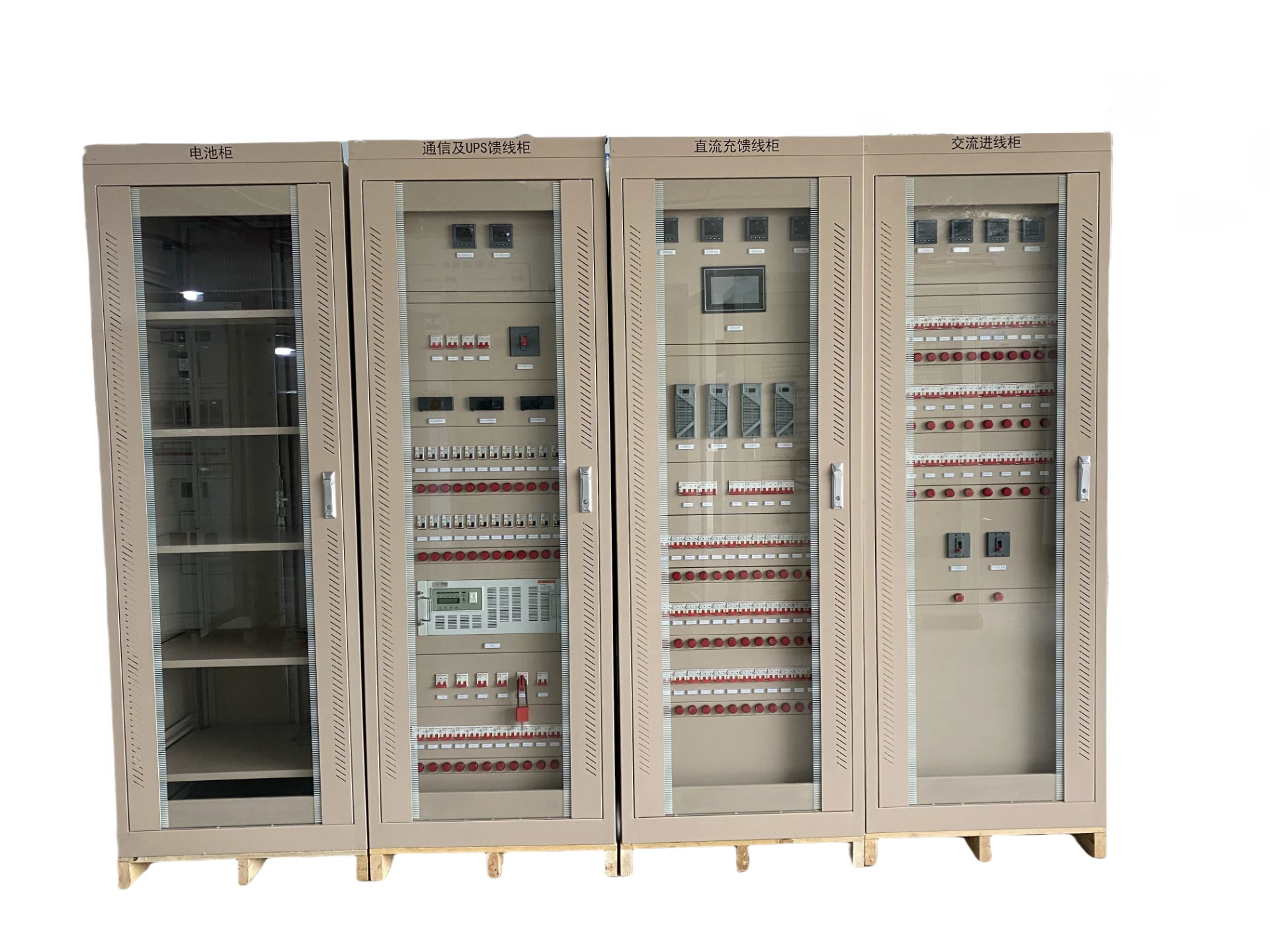
The unit in question—ACDC’s Intelligent Integrated Power Supply—combines a microcomputer-based DC power core with either LA (lead-acid) or LF (LiFePO4) battery stacks. Nominal output lands at 220 V / 100 A. On paper, basic. In the field, surprisingly versatile: rail SCADA rooms, edge data enclosures, municipal water plants, and those unsexy but mission-critical telecom huts. And yes, it plays nicely with EMS/BMS software so the whole site doesn’t turn into a tangle of Modbus spaghetti.
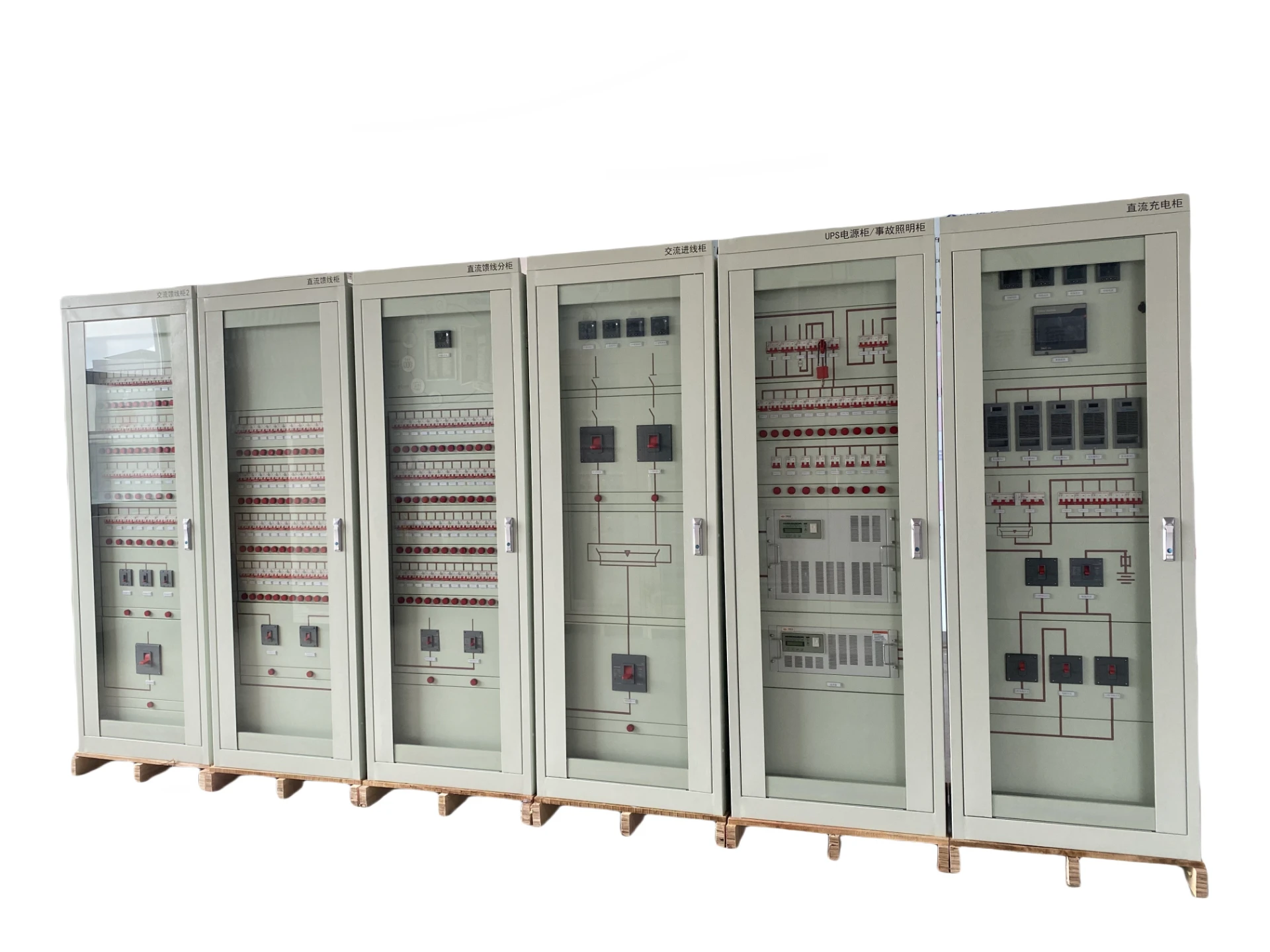
Why it maps to today’s trends
Three forces are converging: tighter energy KPIs (ISO 50001 is no longer optional in many tender packs), electrification of loads that used to be pneumatic, and CFOs who want proof—real, auditable proof—of payback. Systems like this one give you controllable DC, real-time telemetry, and battery choice by application, which, I guess, is what most teams wanted all along. That’s the gist of intelligent energy management when you strip away buzzwords.
Quick specs (real-world values may vary)
| Product | Intelligent Integrated Power Supply (ACDC) |
| Output (nominal) | 220 V DC / 100 A |
| Battery options | LA (Lead-Acid); LF (LiFePO4) |
| Controller | Microcomputer-based DC supply with BMS interface |
| Efficiency | ≈94–96% at rated load |
| Ripple / regulation | Ripple ≤0.5% Vn; line/load regulation ≤1% |
| Operating temp | -10 to 45°C (LA), -20 to 50°C (LF) |
| Service life (typ.) | LA: 3–5 yrs @25°C; LF: 8–12 yrs or 4000+ cycles @80% DoD |
| Origin | No. 58 Tongxin Road, Tongan Town, Suzhou, Jiangsu 215000 |
Process flow and quality checkpoints
- Materials: LF cells per IEC 62619; vented/VRLA LA options; copper busbars; conformal-coated PCBs.
- Methods: Cell binning, LFP pack balancing, thermal path simulation, firmware-in-the-loop tests.
- Testing: 48h burn-in; cycle tests (IEC 62620 profiles); EMC per IEC 61000-6-2/6-4; safety to IEC 62040-1 principles.
- Service life modeling: Arrhenius-based aging; monthly equalize (LA); SOH algorithms (LF).
- Industries: Utilities, metro/rail, oil & gas E-houses, data/edge, municipal water.
Where it’s used and why it matters
Telecom shelters favor LF for temperature swings; water plants stick with LA for cost and familiarity. Many customers say remote monitoring shaved truck rolls by ~20–30%. In fact, one rail client told me the alarm fidelity “finally matches reality.” That’s intelligent energy management in practice: fewer surprises, measured savings.
Vendor snapshot (indicative)
| Vendor | Battery chem. | Output range | Cyber/EMS | Cert alignment | Customization |
|---|---|---|---|---|---|
| ACDC Intelligent Integrated Power Supply | LA, LiFePO4 | 220 V / 100 A (scalable) | Modbus/TCP, dry contacts | ISO 50001, IEC 62619, IEC 61000 (design-aligned) | High—rack size, SOC rules, alarms |
| Vendor X | LA only | 110–220 V / ≈60–80 A | Basic SNMP | Partial EMC | Low |
| Vendor Y | LiFePO4 | 48–220 V / ≈50–120 A | REST API | IEC 62619 focus | Medium |
Customization and integration
- Chemistry selection by duty cycle (LF for cycling; LA for float standby).
- EMS rules: charge windows vs. tariff; SOC floor for outage resilience.
- Panels and alarms: site-specific dry contacts, role-based web UI.
Mini case notes
Metro substation retrofit: Replaced aging LA banks with LF packs; DC bus held 220 V ±0.6% during regenerative braking events. Recorded ≈11% maintenance cost reduction year-over-year; zero nuisance alarms in 9 months.
Water treatment SCADA room: Stayed with LA (budget call). Added microcomputer control, remote trend logs, and quarterly equalize scheduling. Unexpected win: truck rolls down ~24% thanks to predictive alerts.
To be honest, that’s the heart of intelligent energy management: pick the right chemistry, instrument it properly, and close the loop with data you’ll actually act on.
Authoritative references
- ISO 50001:2018 Energy Management Systems – Requirements with guidance.
- IEC 62619:2022 Safety requirements for rechargeable Li-ion batteries for stationary applications.
- UL 1973: Batteries for use in stationary and motive auxiliary power applications.
- IEC 62040-1: Safety requirements for UPS equipment; and IEC 61000-6-2/-6-4 EMC.
-
Cedar Point EV Charging Solutions for Sustainable Tourism Experience
NewsApr.16,2026
-
Guide to Cedar Point Charging Stations for EV Park Visitors
NewsApr.16,2026
-
Acorn Stairlift Charging Point Guide for Home Mobility Optimization
NewsApr.16,2026
-
Integrating a Wireless Charging Point into Modern Infrastructure
NewsApr.16,2026
-
How to Optimize Your iPhone 14 Charging Point for Efficiency
NewsApr.16,2026
-
Analyzing the Charging Point Share Price Trends and Market Outlook
NewsApr.09,2026