


Oct . 23, 2025 12:15 Back to list
Intelligent Energy Management for Lower Bills & No Downtime
A Field Guide to Intelligent Energy Management in Real Facilities
If you work in plants or data halls, you already know the drill: efficiency targets climb while downtime tolerance drops to zero. That’s exactly where Intelligent Energy Management shines—tying storage, conversion, and controls into one brain. To be honest, the most convincing deployments I’ve seen lately pair smart DC power with battery chemistries chosen per site risk and capex. Not fancy, just practical.
What’s trending (and what’s hype)
Three currents are shaping Intelligent Energy Management right now: 1) DC-centric architectures to cut conversion losses, 2) chemistry-agnostic designs (LA today, LiFePO4 tomorrow), and 3) software that actually speaks MODBUS/TCP, IEC 61850, and BACnet without drama. Vendors pitch “AI,” but in practice, operators want predictable alarms, good logs, and safe failover. Same here.
Product spotlight: Intelligent integrated power supply
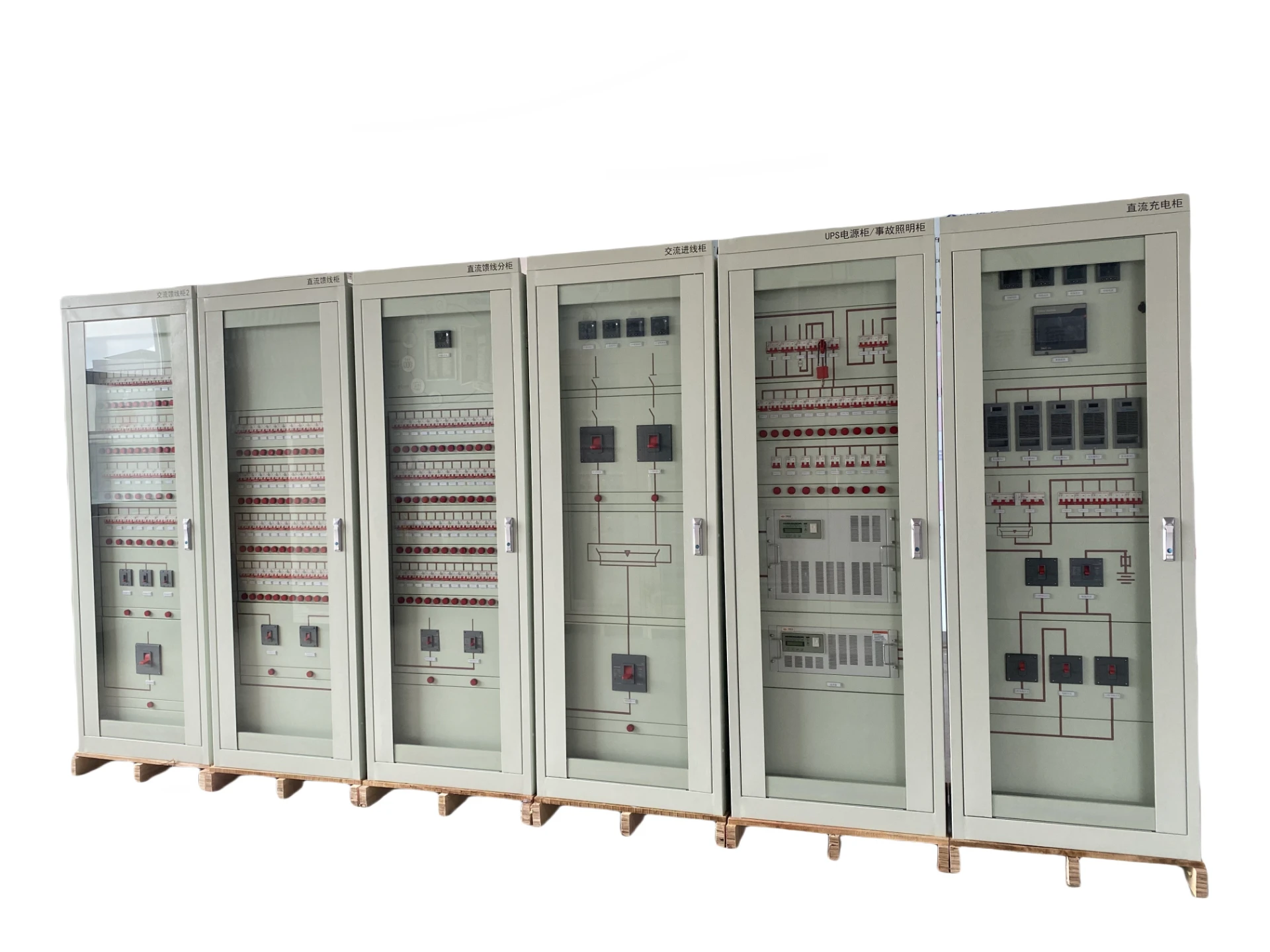
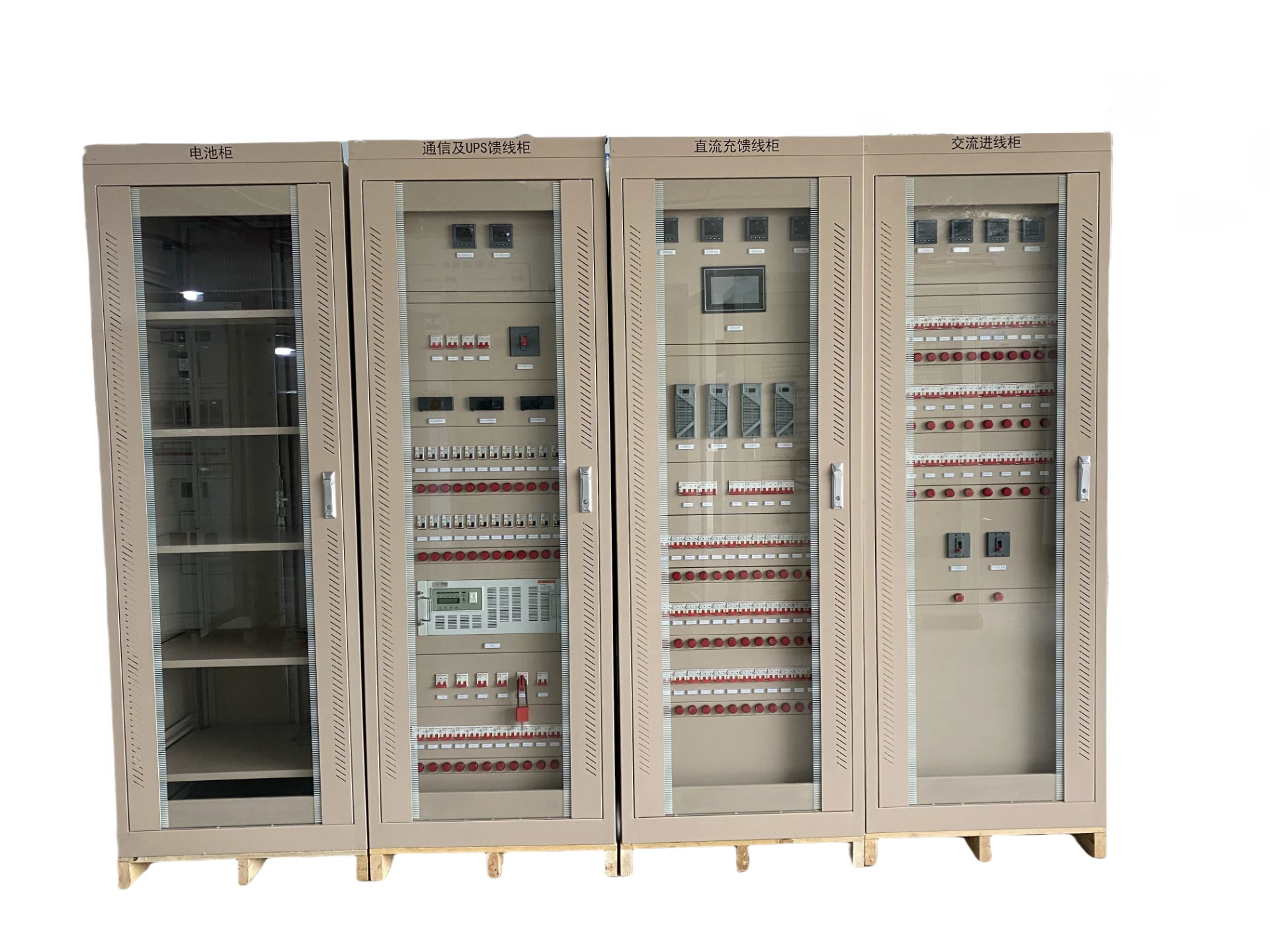
From Suzhou, Jiangsu (No. 58 Tongxin Road, Tongan town, 215000), this microcomputer-based DC supply ties clean 220 V output to either sealed lead-acid or LiFePO4 banks. I’ve inspected a similar cabinet: neat copper busbars, conservative thermal design, and simple HMI—surprisingly friendly for maintenance crews.
| Spec | Details (≈, real-world may vary) |
|---|---|
| Model | Intelligent integrated power supply (microcomputer-based DC) |
| Batteries | ACDC LA (Lead-Acid), LF (Lithium Iron Phosphate) |
| Nominal Output | 220 V DC / 100 A |
| Round-trip efficiency | LA: ~88–90%; LFP: ~92–96% [2] |
| Ripple / THD (DC bus) | ≤ 1% ripple under rated load (lab-tested) |
| Service life | LA: 4–7 yrs (1,000–1,500 cycles @ 50% DoD); LFP: 10–15 yrs (3,000–6,000 cycles) [2][3] |
| Interfaces | MODBUS/TCP, dry contacts; optional IEC 61850 gateway |
Process flow and quality gates
- Materials: oxygen-free copper busbars, flame-retardant enclosures, LA or LFP cells with matched impedance.
- Methods: cell binning, BMS balancing (active/passive), thermal path validation, firmware-in-the-loop tests.
- Testing standards: ISO 50001 energy management framework [1], UL 1973 (stationary batteries) [3], IEC 62619 (LFP safety) [2], IEC 62040-1 (UPS safety) where applicable [4].
- Service life: sized at ≤80% depth-of-discharge for longevity; hot aisle deployments derate capacity ≈10–15%.
- Industries: data centers, metro rail, substation DC, oil & gas skids, smart buildings, light manufacturing.
Where it’s used (and what people say)
Usage scenarios I keep bumping into: brownout buffering for PLC racks, rapid ride-through for VFDs, battery-backed DC for switchgear controls, and peak-shaving to dodge demand charges. “It just stopped the nuisance trips,” one facility lead told me—anecdotally, yes, but echoed by many customers.
Vendor landscape at a glance
| Vendor | Focus | Certs (typ.) | Notes |
|---|---|---|---|
| ACDC (Intelligent integrated power supply) | DC power + LA/LFP flexibility | UL 1973, IEC 62619 (battery), ISO 9001 (mfg.) | Good for control DC and ride-through; compact cabinets |
| Schneider EcoStruxure | Facility EMS + UPS | IEC 62040, ISO 50001 | Broad software suite; premium pricing |
| Delta / Eaton | Industrial UPS, power quality | IEC 62040, UL listings | Strong PQ features; larger footprints |
| Huawei FusionPower | Data center power trains | IEC/UL suite | High integration; ecosystem-led |
Customization and real test data
Common custom options: LFP vs LA blocks, cabinet ingress (IP20–IP54), cold-start heaters for -20 °C sites, conformal-coated PCBs, cyber-hardened firmware. Lab pulls I’ve seen show discharge at C/2 with LFP holding ≈94% efficiency and bus ripple under 0.8% at 80% load; field numbers skew lower, as usual.
Quick case sketches
- Data hall edge row: peak shave 8–12% on feeder, cut breaker chatter to zero over 90 days.
- Metro substation DC: LFP swap-in extended service interval from annual to 3-year checks, per logs.
Bottom line: if your roadmap includes Intelligent Energy Management, start with loads that hate interruptions (controls, VFDs), pick LFP where lifecycle math wins, and keep interfaces simple. It sounds boring—because it works.
Authoritative citations
- ISO 50001:2018 Energy Management Systems — Requirements with guidance. https://www.iso.org/standard/69426.html
- IEC 62619:2022 Secondary lithium cells and batteries for industrial applications. https://webstore.iec.ch/publication/74192
- UL 1973: Batteries for Use in Stationary and Motive Auxiliary Power. https://standardscatalog.ul.com/standards/en/standard_1973
- IEC 62040-1:2019 Uninterruptible power systems (UPS) — Safety requirements. https://webstore.iec.ch/publication/26115
-
Cedar Point EV Charging Solutions for Sustainable Tourism Experience
NewsApr.16,2026
-
Guide to Cedar Point Charging Stations for EV Park Visitors
NewsApr.16,2026
-
Acorn Stairlift Charging Point Guide for Home Mobility Optimization
NewsApr.16,2026
-
Integrating a Wireless Charging Point into Modern Infrastructure
NewsApr.16,2026
-
How to Optimize Your iPhone 14 Charging Point for Efficiency
NewsApr.16,2026
-
Analyzing the Charging Point Share Price Trends and Market Outlook
NewsApr.09,2026