


Oct . 03, 2025 11:40 Back to list
Intelligent Energy Management: AI-Powered Savings?
A Field Note on Intelligent Integrated Power: What’s Working, What’s Next
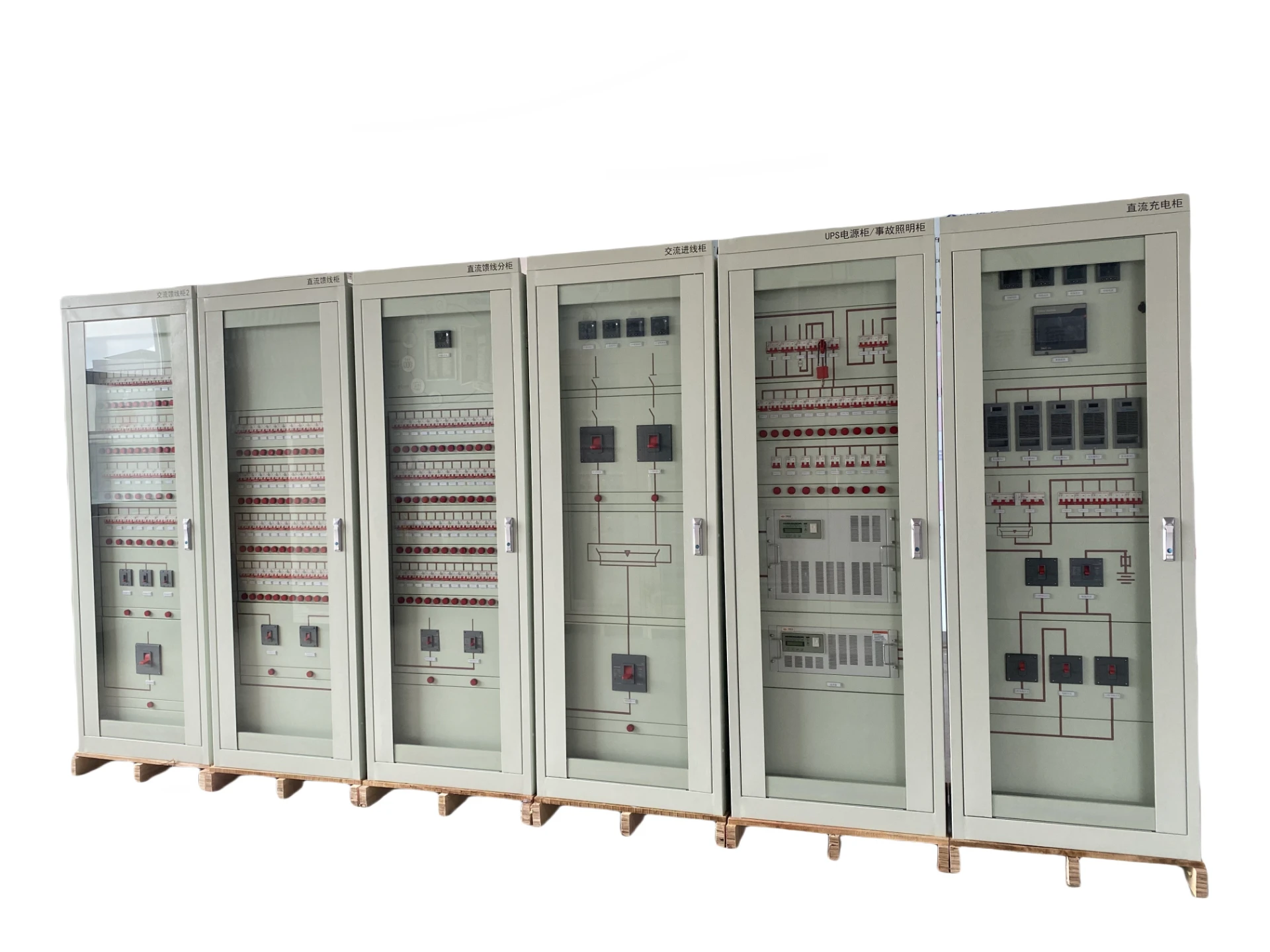
I’ve spent the better part of the last year listening to facility engineers and energy managers talk about the pressure to do more with less—less carbon, less downtime, less waste. In that mix, intelligent energy management moved from “nice to have” to non‑negotiable. Actually, the shift isn’t only about software dashboards; it’s about smarter hardware at the power edge. Case in point: the Intelligent integrated power supply coming out of No. 58 Tongxin Road, Tongan town, Suzhou!Jiangsu province,215000.
Why this matters now
Grid variability, peak tariffs, and electrification are converging. To be honest, the winners are the sites that automate decisions at the electrical layer—charge/discharge logic, redundancy, and clean DC rails—without babysitting. The Intelligent integrated power supply slots right into that, blending LA (Lead Acid) or LF (Lithium Iron Phosphate) storage with a microcomputer‑based DC bus, so facilities can push toward intelligent energy management without ripping out everything upstream.
Quick specs (real-world focused)
| Product Name | Intelligent integrated power supply |
| Nominal Output | 220 V DC / 100 A (continuous, ≈ up to 22 kW; real‑world use may vary) |
| Energy Storage | ACDC LA (Lead‑acid) or LF (LiFePO4) battery options |
| Control | Microcomputer-based DC power controller; event logging; remote diagnostics |
| Typical Efficiency | ≈ 94–96% DC path (lab data) |
| Service Life | Lead‑acid: 5–7 years float; LFP: up to 6,000 cycles @ 80% DoD (ambient dependent) |
Process flow, testing, and standards
Materials: industrial-grade PCBs, MCU control, IGBT-based conversion, UL‑recognized wiring, LA or LFP cells. Methods: conformal coating, 48–72h burn‑in, thermal cycling, and surge immunity checks. Test standards followed in typical deployments include IEC 62040 (UPS performance/safety), IEC 62477‑1 (power electronic converters), and IEC 61000‑4‑5 (surge). For quality, ISO 9001/14001 are standard asks. I guess the takeaway is simple: it’s built for the real world, not just the datasheet.
Where it’s being used
- Telecom base stations and 5G edge sites needing intelligent energy management with mixed battery chemistries.
- Rail signaling, oil & gas skids, and process manufacturing DC panels.
- Data rooms and microgrids stabilizing DC buses for converters and PLCs.
- Renewable hybrid systems smoothing PV intermittency and handling rides-through.
Vendor snapshot (real users talk trade-offs)
| Vendor | Strengths | Watch‑outs | Best For |
|---|---|---|---|
| ACDC (this unit) | Tight DC integration; LA/LFP flexibility; practical serviceability | Interface is functional more than flashy | Industrial sites prioritizing uptime/value |
| Global Tier‑1 A | Premium ecosystem, broad certifications | Higher capex, longer lead times | Campus-scale, spec-heavy projects |
| Global Tier‑1 B | Advanced software overlays | Licensing add‑ons can stack up | Analytics-first programs |
Customization customers actually request
- Battery chemistry selection (LA vs LFP) and capacity sizing.
- Protocol hooks (Modbus/TCP, SNMP) for SCADA/EMS and intelligent energy management platforms.
- Enclosure ratings (IP54+), heaters for cold climates, surge kits.
In the field: quick cases
Telecom hub, Southeast Asia: swapped mixed aging rectifiers for a single 220V/100A DC backbone; reported ≈11% drop in energy use and fewer truck rolls. Mid‑size factory, EU: LFP variant buffered process PLCs during brownouts; maintenance lead said, “surprisingly quiet—just works.”
Certifications and sample test data
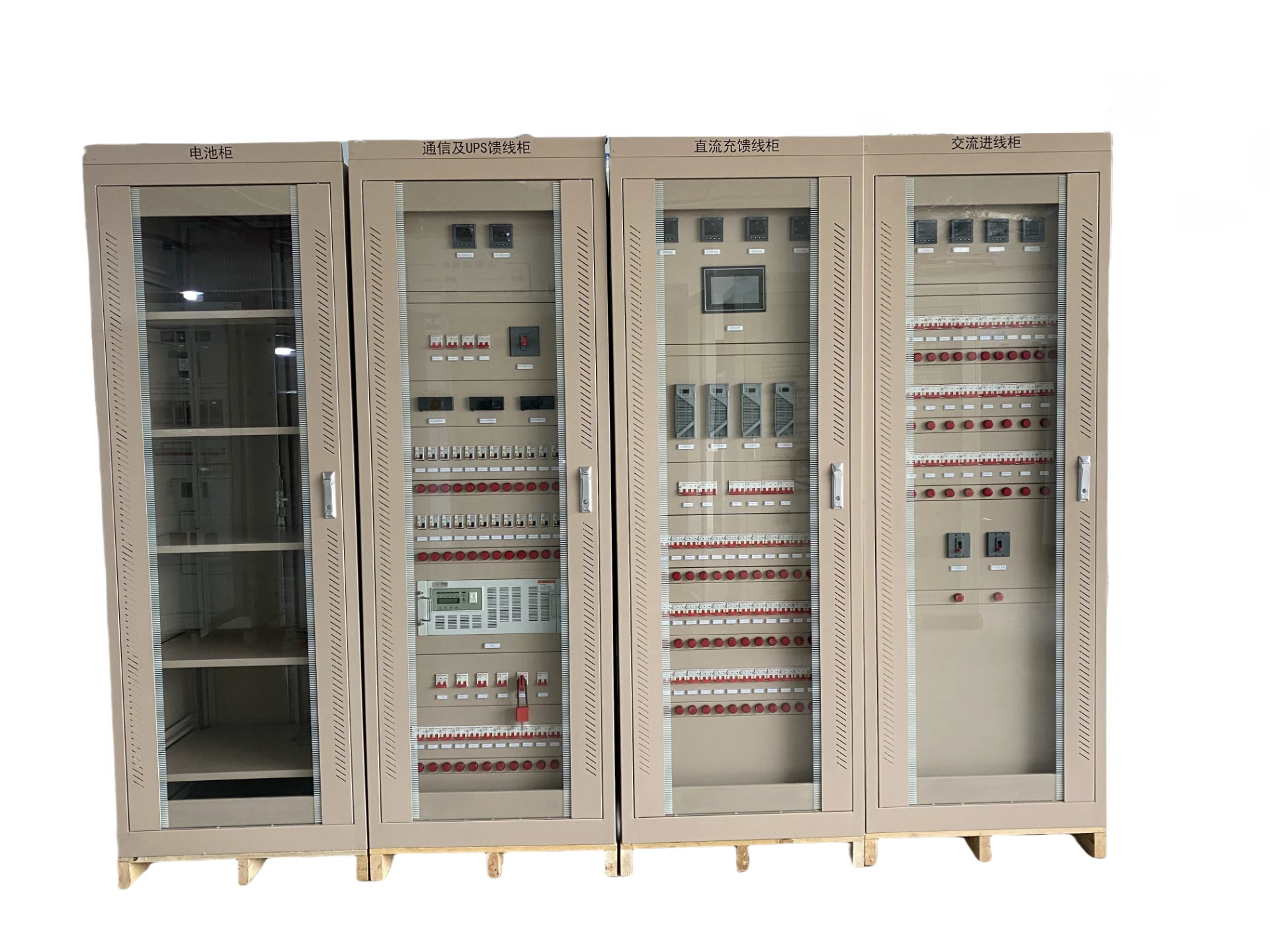
Typical compliance: CE, RoHS; quality system: ISO 9001/14001. Internal lab snapshots: surge immunity per IEC 61000‑4‑5 2 kV line‑to‑ground; THD on DC bus negligible; MTBF modeling >200,000 h (at 25°C). Of course, real‑world performance depends on installation.
Bottom line: if you’re nudging your site toward intelligent energy management without a rip‑and‑replace, the Intelligent integrated power supply is a pragmatic bridge—clean DC, battery choice, and enough brains to stay out of your way.
References
- IEC 62040 series – Uninterruptible power systems (UPS) safety and performance.
- IEC 62477‑1 – Safety requirements for power electronic converter systems.
- IEC 61000‑4‑5 – Electromagnetic compatibility (EMC), surge immunity test.
- IEA, Digital Demand-Side Flexibility and Energy Systems Integration, 2022.
-
Cedar Point EV Charging Solutions for Sustainable Tourism Experience
NewsApr.16,2026
-
Guide to Cedar Point Charging Stations for EV Park Visitors
NewsApr.16,2026
-
Acorn Stairlift Charging Point Guide for Home Mobility Optimization
NewsApr.16,2026
-
Integrating a Wireless Charging Point into Modern Infrastructure
NewsApr.16,2026
-
How to Optimize Your iPhone 14 Charging Point for Efficiency
NewsApr.16,2026
-
Analyzing the Charging Point Share Price Trends and Market Outlook
NewsApr.09,2026