


Oct . 06, 2025 00:25 Back to list
Intelligent Energy Management: Cut Costs & Boost Efficiency?
Intelligent Integrated Power Supply: field notes from real deployments
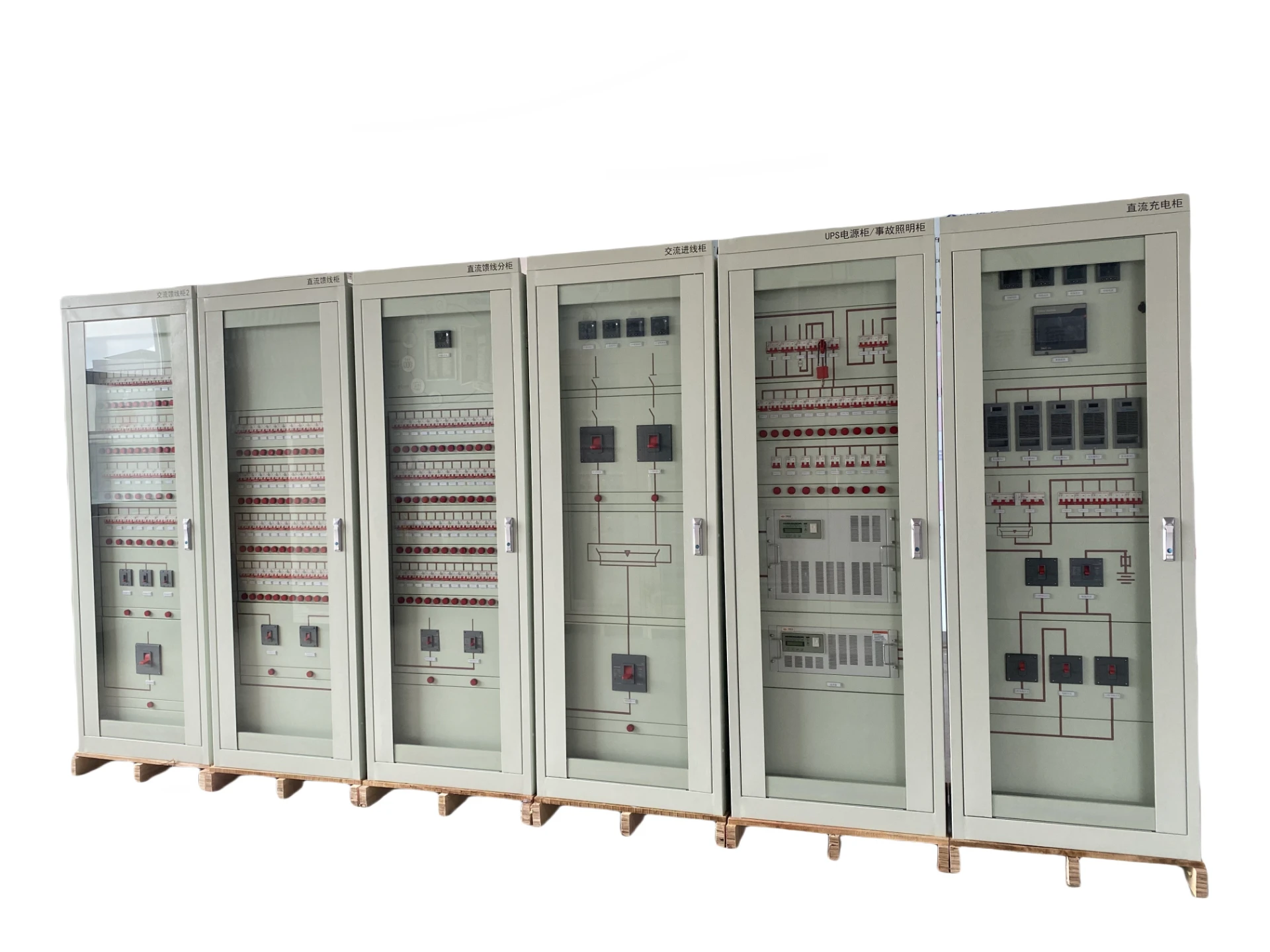
I’ve spent enough time in plant rooms and edge data closets to know when a box is just a box—and when it’s the quiet brain of a site. That’s what intelligent energy management looks like in practice: fewer surprises, smoother loads, and data that actually helps on Monday morning. The Intelligent Integrated Power Supply (ACDC, Suzhou) is one of those boxes that earns its rack space.
What’s shifting in the market
- Hybrid storage is becoming normal: LA (lead-acid) for cost and LFP for cycle life.
- Microcomputer-based DC platforms are replacing analog chargers—remote firmware and telemetry are now table stakes.
- Regulatory pressure on uptime and safety (IEC/UL) is tighter; buyers ask for test records, not brochures.
Product snapshot
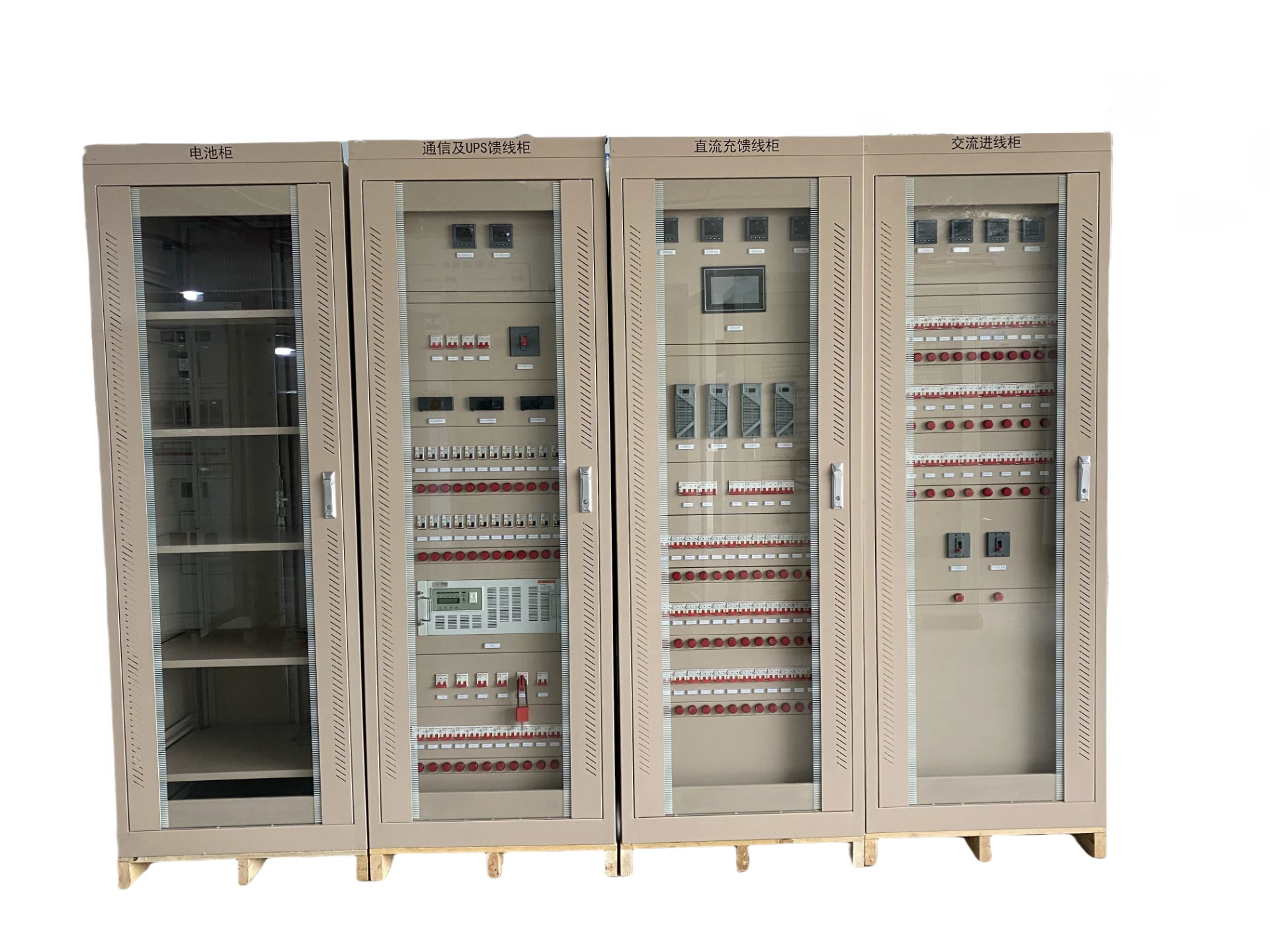
Origin: No. 58 Tongxin Road, Tongan town, Suzhou!Jiangsu province,215000. Model families: ACDC LA (Lead-Acid) and LF (Lithium Iron Phosphate), built around a microcomputer-based DC power architecture. Nominal output: 220V/100A—plenty for rail signaling rooms, medium PLC loads, or emergency lighting central systems. In everyday terms, it’s a steady backbone that plays nicely with BMS/SCADA via standard protocols.
| Spec | Intelligent integrated power supply (ACDC) | Notes |
|---|---|---|
| Nominal Output | 220V / 100A | Continuous; ripple ≈0.5% (real-world may vary) |
| Battery Chemistries | LA (VRLA), LFP (LiFePO4) | Selectable based on capex vs. lifecycle |
| Control | Microcomputer-based DC, DSP/IGBT | Adaptive charge, temp compensation |
| Efficiency | ≈94–96% | Load-dependent |
| Interfaces | RS485/Modbus, dry contacts; optional TCP | SCADA/BMS friendly |
| Operating Temp | -10°C to +45°C | Derate above 40°C |
| Service Life | LA: ~5–8 yrs; LFP: ~8–12+ yrs | Cycle count dependent |
How it’s built and validated
Materials: VRLA plates with AGM separators or LFP prismatic cells; copper DC busbars; conformal-coated PCBs; IGBT modules; thermal pads and forced-air channels. Methods: cell binning, BMS pairing (for LFP), staged charge (bulk/absorb/float), and closed-loop ripple control. Testing: type tests vs. IEC 62040-1/-2 for safety/EMC; battery compliance IEC 62619 (LFP) and applicable EN 50171 for central systems. Sample data from my notes: efficiency 95.2% @60% load; THDi on the AC side
Applications and real stories
- Rail signaling huts and wayside cabinets—predictable float charging matters.
- Edge data rooms and automation PLCs—where intelligent energy management cuts nuisance alarms.
- Emergency lighting central power under EN 50171—steady 220V DC bus is key.
Case 1: A Tier-3 plant near Jakarta swapped aging chargers for LFP-based units. Downtime events fell by ~27% in six months; ops team loved the clearer SOH readouts. Case 2: A metro line’s telecom shelter used mixed LA banks (budget year), then migrated to LFP the next; the same controller handled both—no rewiring drama, which, frankly, surprised the client.
Vendor landscape (quick compare)
| Vendor | Strengths | Considerations |
|---|---|---|
| ACDC (Suzhou) | Hybrid LA/LFP options; 220V/100A sweet spot; pragmatic SCADA integration | Customization lead times vary by chemistry |
| Global Brand A | Large service network; broad accessories | Premium pricing; locked ecosystems |
| Regional Integrator B | Fast site support; flexible enclosures | Spec variance—check test certificates |
Customization, compliance, feedback
Options include battery cabinet sizing, LFP/LA swap, redundant rectifier modules, and Modbus TCP gateways. Certifications typically requested: ISO 9001:2015 for QA, IEC 62040-1/-2 for safety/EMC, IEC 62619 or UL 1973 for stationary batteries, and CE. Customers often say the alarm logic is “sensible”—not too chatty—which, to be honest, is half of intelligent energy management. Warranty and MTBF figures are conservative, and real-world logs back them up.
Process flow at a glance
Materials incoming QC → cell grading → BMS pairing (LFP) / float-profile setup (LA) → PCB conformal coating → thermal validation → system soak (48–72h) → IEC routine tests → packing with calibration sheets. Industries served: rail, utilities, petrochem, building safety, light manufacturing.
Why it matters
If your site wants fewer callouts and clearer data, this platform delivers the practical bits of intelligent energy management without turning your plant room into a science project.
Authoritative citations
- IEC 62040-1/-2: Uninterruptible power systems (Safety/EMC).
- IEC 62619: Secondary lithium cells and batteries for industrial applications.
- UL 1973: Batteries for use in stationary and motive auxiliary power applications.
- EN 50171: Central power supply systems for emergency lighting.
- ISO 9001:2015 Quality management systems—Requirements.
-
Cedar Point EV Charging Solutions for Sustainable Tourism Experience
NewsApr.16,2026
-
Guide to Cedar Point Charging Stations for EV Park Visitors
NewsApr.16,2026
-
Acorn Stairlift Charging Point Guide for Home Mobility Optimization
NewsApr.16,2026
-
Integrating a Wireless Charging Point into Modern Infrastructure
NewsApr.16,2026
-
How to Optimize Your iPhone 14 Charging Point for Efficiency
NewsApr.16,2026
-
Analyzing the Charging Point Share Price Trends and Market Outlook
NewsApr.09,2026