


Sep . 19, 2025 10:20 Back to list
Intelligent Energy Management: Smart Systems for Efficiency & Savings
Introduction to Intelligent Energy Management and Industry Trends
In today's rapidly evolving industrial landscape, the optimization of energy consumption is not merely an operational goal but a strategic imperative. The advent of intelligent energy management has revolutionized how businesses monitor, control, and conserve energy across diverse sectors. This comprehensive approach leverages advanced technologies to enhance operational efficiency, reduce costs, and minimize environmental impact.
Current industry trends are strongly driven by the global push towards sustainability and digital transformation. We observe a significant shift towards integrating renewable energy sources, electrifying industrial processes, and deploying sophisticated data analytics for predictive energy consumption. The demand for robust intelligent energy management system solutions is escalating, particularly within critical infrastructure, manufacturing, and commercial real estate. Furthermore, the growing adoption of distributed energy resources and the integration of home energy storage system technologies highlight a broader trend towards decentralized, resilient, and intelligent energy ecosystems. These systems are designed to offer unparalleled visibility and control over energy assets, enabling proactive decision-making and optimal resource allocation.
Manufacturing Process Flow for Intelligent Integrated Power Supplies
The production of high-performance intelligent integrated power supplies, central to effective intelligent energy management, involves a meticulous, multi-stage manufacturing process designed to ensure unparalleled reliability and efficiency. Each stage adheres to stringent quality control protocols, leveraging advanced engineering techniques and premium materials.
- Material Procurement & Inspection: High-grade raw materials, including specialized alloys for casings (e.g., corrosion-resistant aluminum-magnesium alloys), semiconductor components (IGBTs, MOSFETs), energy storage cells (e.g., LiFePO4), and high-conductivity copper for busbars, are sourced from certified suppliers. Rigorous incoming material inspection ensures compliance with international standards such as ASTM and IEC.
- Component Manufacturing & Fabrication:
- Casting/Forging: Metal enclosures and heat sinks undergo precision casting or forging processes to achieve optimal structural integrity and thermal dissipation properties. This ensures robust housing capable of withstanding harsh industrial environments.
- CNC Machining: Complex components, including precision connectors and mounting interfaces, are manufactured using advanced CNC machining, ensuring exact tolerances and perfect fitment.
- PCB Assembly: Printed Circuit Boards (PCBs) are populated with surface-mount and through-hole components using automated pick-and-place machines, followed by reflow soldering and strict optical inspection.
- System Integration & Wiring: Individual modules – power conversion units, battery management systems (BMS), control units, and communication interfaces – are meticulously integrated. High-quality wiring, compliant with UL/CE standards, ensures electrical integrity and safety.
- Software & Firmware Loading: Proprietary intelligent control algorithms and system firmware are loaded and configured, enabling advanced features like predictive analytics, load balancing, and remote monitoring.
- Comprehensive Testing & Validation: Each intelligent integrated power supply undergoes exhaustive testing:
- Functional Testing: Verifying all operational modes, input/output parameters, and communication protocols.
- Environmental Testing: Exposure to extreme temperatures, humidity, and vibration, per ISO 16750 and MIL-STD-810G.
- Safety & Compliance Testing: Adherence to international standards such as IEC 62040 (UPS), UL 1741 (Inverters, Converters, Controllers), and ANSI C84.1 (Voltage Ratings for Electric Power Systems). Electromagnetic Compatibility (EMC) testing also ensures minimal interference.
- Longevity & Cycle Testing: Accelerated aging tests to validate a projected service life of 15-20 years for core components, with battery cycle life exceeding 6,000 cycles at 80% DoD.
- Final Assembly & Packaging: Units are prepared for shipment, ensuring robust packaging for safe transit to target industries such as petrochemical, metallurgy, water supply & drainage, data centers, and telecommunications.
A key advantage demonstrated in typical application scenarios is significant energy saving through optimized power conversion efficiencies (typically >95%) and intelligent load management. Furthermore, the use of high-grade materials and advanced coating technologies ensures superior corrosion resistance, extending service life in harsh industrial environments.
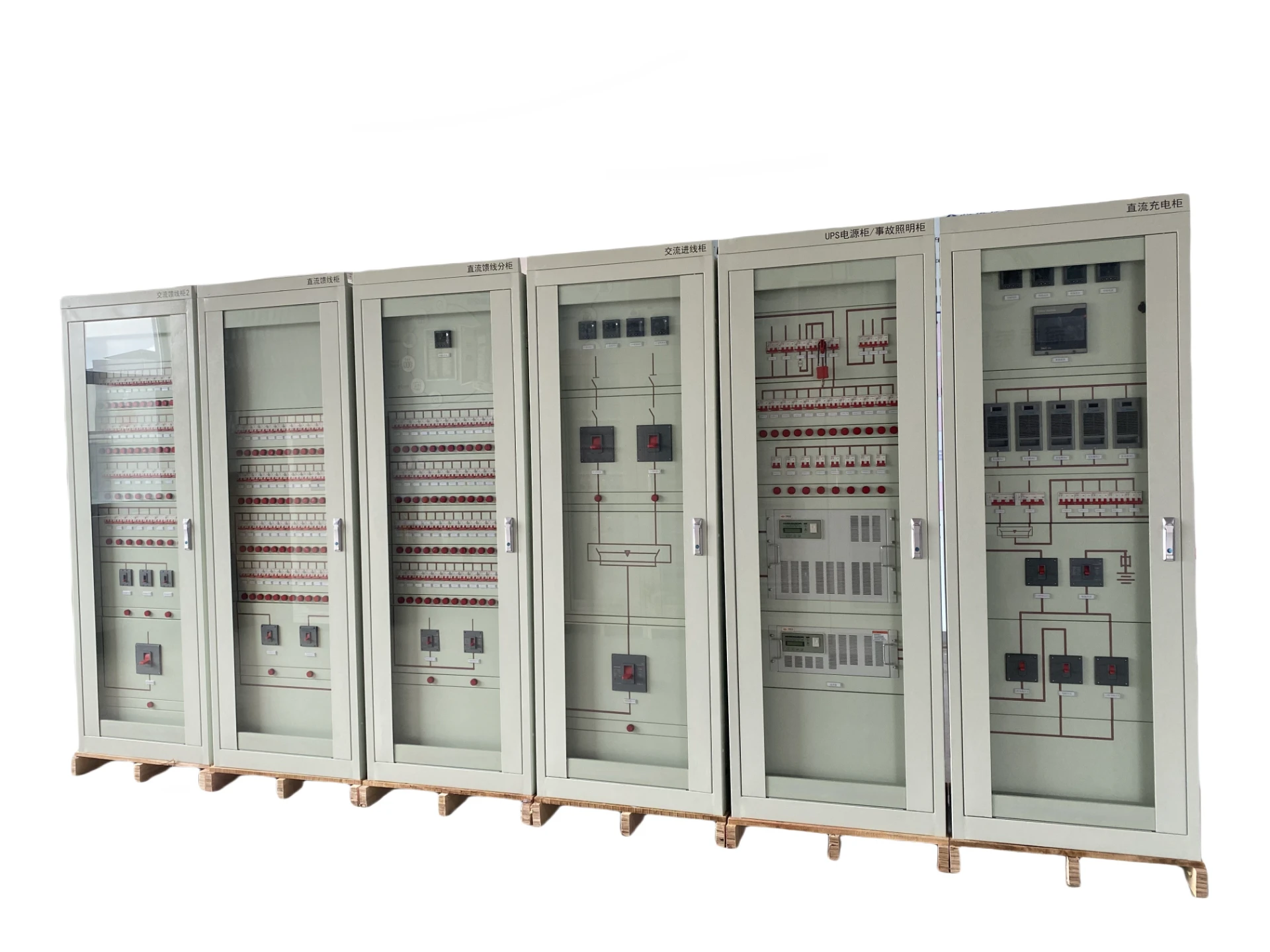
Figure 1: Advanced components of an intelligent energy management system.
Technical Specifications of an Intelligent Integrated Power Supply
Understanding the granular technical parameters is crucial for B2B decision-makers assessing intelligent energy management solutions. The following table outlines typical specifications for an advanced intelligent integrated power supply, exemplifying the robust capabilities engineered into these systems.
Application Scenarios and Technical Advantages
The versatility of intelligent energy management system solutions enables their deployment across a broad spectrum of industrial and commercial environments, delivering tangible benefits in each.
Typical Application Scenarios:
- Industrial Facilities & Manufacturing Plants: Optimizing energy use for heavy machinery, managing peak demand charges, and integrating renewable energy for a stable, cost-effective power supply. Predictive analytics can identify inefficient operations before they become costly.
- Commercial Buildings & Campuses: Enhancing building energy efficiency through intelligent HVAC control, lighting management, and demand-side response, leading to substantial utility bill reductions.
- Data Centers & Telecom Infrastructure: Ensuring uninterrupted power supply, optimizing cooling systems, and reducing power usage effectiveness (PUE) through highly efficient power conversion and intelligent load distribution.
- Remote Sites & Microgrids: Providing reliable off-grid or grid-tied power for remote oil & gas installations, mining operations, or island communities by intelligently integrating solar, wind, and battery storage.
- Water Treatment & Pumping Stations: Reducing energy consumption for motor-driven systems, managing power quality, and ensuring operational continuity even during grid disturbances, enhancing both energy saving and overall resilience.
Key Technical Advantages:
- Enhanced Reliability & Uptime: With redundant components, advanced fault detection, and seamless switchover capabilities, these systems guarantee continuous power, critical for sensitive operations. The robust design contributes to a lower total cost of ownership over a prolonged service life.
- Optimized Energy Consumption & Cost Reduction: AI-driven algorithms analyze consumption patterns, forecast demand, and intelligently dispatch power from the most cost-effective sources (grid, renewables, storage). This significantly reduces electricity bills, particularly by mitigating peak demand charges and maximizing self-consumption of generated renewables.
- Predictive Maintenance & Proactive Management: Real-time monitoring and data analytics allow for early detection of potential issues, enabling proactive maintenance scheduling and minimizing unexpected downtime. This shifts operations from reactive to predictive, improving operational efficiency.
- Seamless Integration & Scalability: Designed for interoperability, these systems easily integrate with existing building management systems (BMS), SCADA, and other industrial control systems. Their modular architecture allows for straightforward expansion of power or storage capacity as business needs evolve.
- Advanced Power Quality Management: Intelligent integrated power supplies actively filter harmonics, correct power factor, and regulate voltage, providing a stable and clean power supply essential for protecting sensitive electronic equipment and extending its lifespan.
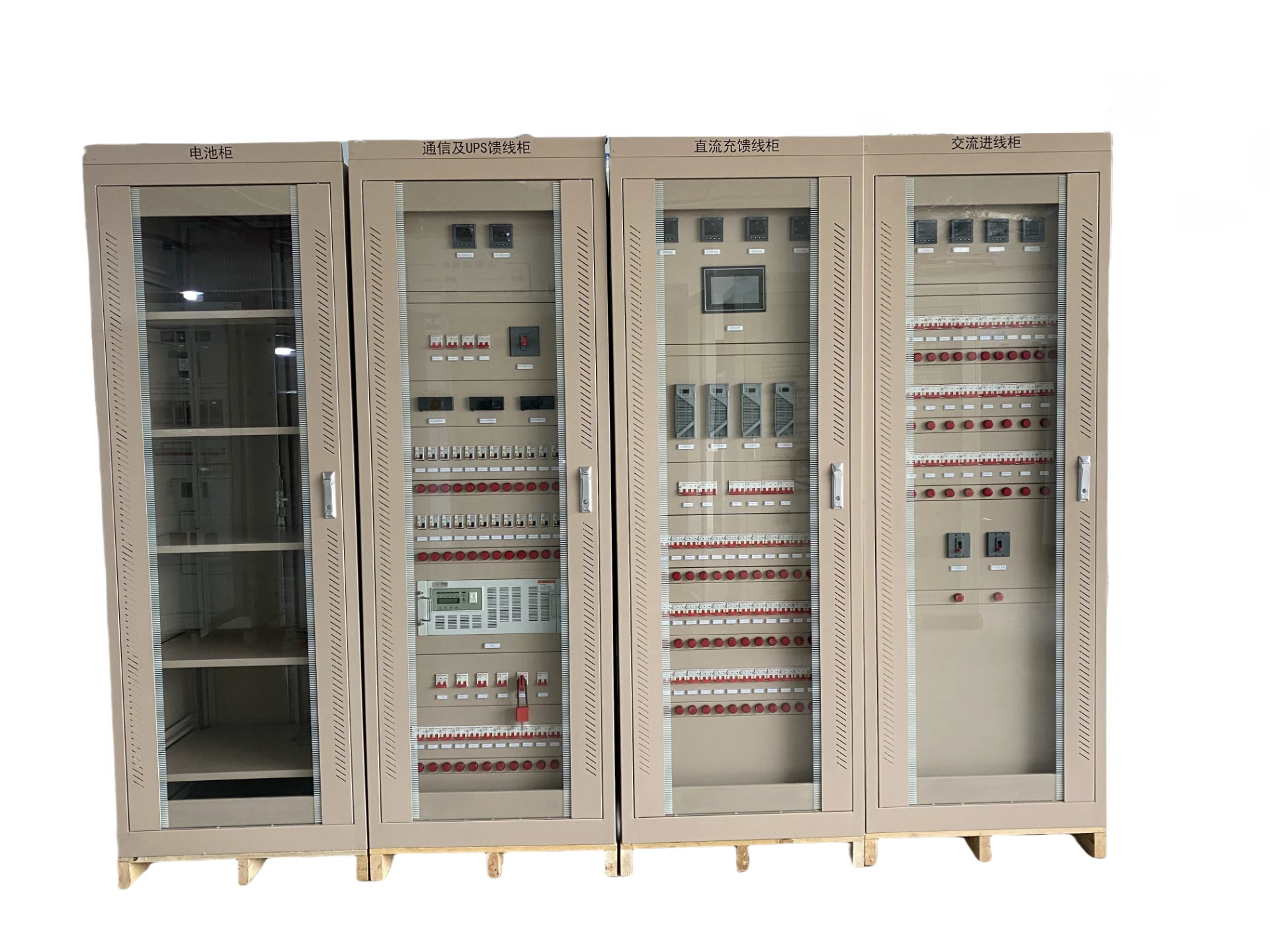
Figure 2: Modular design of an intelligent integrated power supply for diverse applications.
Vendor Comparison and Customized Solutions
The market for intelligent energy management solutions is competitive, with various providers offering distinct capabilities. Evaluating vendors requires a close look at technological prowess, customization options, and long-term support.
Vendor Comparison Table: Intelligent Energy Management Systems
Customized Solutions:
Recognizing that no two industrial operations are identical, providers of intelligent integrated power supplies offer highly customizable solutions. This product line excels in tailoring systems to specific operational demands:
- Modular Design: Power conversion units, battery modules, and control systems are modular, allowing precise sizing and easy expansion. This means systems can be scaled from a few kilowatts for a remote telecom site to megawatts for a large industrial complex or microgrid application.
- Software Configuration: The underlying AI and control algorithms can be configured to prioritize specific objectives—whether it's maximum energy cost savings, highest operational resilience, or optimal renewable energy self-consumption. Integration with proprietary SCADA or BMS systems is achieved via flexible API support and standard industrial protocols.
- Environmental Adaptations: Custom enclosures with enhanced IP ratings (e.g., IP65) and specialized thermal management systems can be provided for deployment in extreme conditions, such as coastal areas requiring superior corrosion resistance or desert environments demanding robust temperature control.
- Load Profile Matching: Solutions are designed to accurately match a client's unique load profiles, ensuring efficient power delivery during peak demand and optimal energy storage utilization during off-peak periods or when renewables are abundant.
Real-world Application Case Studies
The practical benefits of advanced intelligent energy management system deployments are best illustrated through concrete examples of successful implementations.
Case Study 1: Large-Scale Petrochemical Complex
A major petrochemical facility faced challenges with fluctuating grid power quality and significant peak demand charges impacting operational costs. A modular intelligent integrated power supply, comprising 1.5 MW of power conversion capacity and 2 MWh of LiFePO4 battery storage, was deployed. The system was configured to perform peak shaving, grid stabilization, and seamless transition to battery power during brief grid outages.
- Outcome: The facility reduced peak demand by an average of 22%, resulting in annual electricity cost savings exceeding $450,000. Grid power quality improved, leading to a 10% reduction in maintenance for sensitive equipment, and a 99.99% uptime for critical processes was maintained due to rapid-response power backup. The system's corrosion-resistant design has proven effective in the facility's challenging atmosphere over three years of operation.
Case Study 2: Remote Water Pumping Station Network
A municipal water authority managed a network of remote pumping stations with unreliable grid access and high diesel generator consumption. An intelligent energy management solution was implemented, integrating solar PV arrays (500 kW total), 1.2 MWh of battery storage, and an advanced control system across five stations. The system dynamically managed power flow, prioritized solar energy, and initiated generator support only when essential.
- Outcome: Diesel fuel consumption was reduced by 70%, translating to $300,000 in annual operational savings and a significant decrease in carbon emissions. Pumping station uptime increased by 15%, ensuring consistent water supply even during prolonged grid failures. The robust IP65-rated enclosures ensured reliable operation in exposed outdoor environments, demonstrating superior corrosion resistance.
Case Study 3: Data Center Optimization
A mid-sized data center aimed to improve its Power Usage Effectiveness (PUE) and resilience against short-duration grid fluctuations. An intelligent integrated power supply with a 200 kW, 500 kWh battery module was installed to work in conjunction with existing UPS infrastructure. The system provided voltage and frequency regulation, absorbing transient grid events and smoothing power delivery to the IT load.
- Outcome: The data center's PUE improved by 0.08 points, primarily through optimized battery charging/discharging cycles and reduced reliance on diesel generators for minor grid disturbances. The system proactively managed power quality, contributing to an estimated 5% extension in the lifespan of critical IT hardware, affirming the benefits of intelligent power delivery.
Ensuring Trust: Certifications, Partnerships, and Experience
Authoritativeness and trustworthiness are paramount in B2B engagements. Our commitment to excellence is underpinned by rigorous adherence to global standards, established partnerships, and extensive industry experience.
Certifications and Compliance:
- ISO 9001:2015: Certified quality management system ensuring consistent product and service delivery.
- ISO 14001:2015: Environmental management system certification demonstrating our commitment to sustainable practices.
- CE Mark: Conformance with European health, safety, and environmental protection standards.
- UL 9540 & IEC 62619: Specific certifications for battery energy storage systems, ensuring safety and performance for our LiFePO4 modules.
- RoHS Compliance: Restriction of Hazardous Substances Directive adherence, promoting environmental safety.
Strategic Partnerships and Client Base:
We collaborate with leading technology partners in AI and industrial automation to ensure our intelligent energy management solutions remain at the forefront of innovation. Our client portfolio includes Fortune 500 companies in critical infrastructure, major manufacturing conglomerates, and national utility providers, reflecting years of successful deployments and proven performance. With over 15 years of specialization in industrial power solutions, our expertise is built on a deep understanding of complex operational requirements and a track record of delivering measurable value.
Trustworthiness: FAQ, Lead Time, Warranty, and Support
Transparency in operations, clear commitments, and robust customer support are fundamental to fostering trust with our B2B clients.
Frequently Asked Questions (FAQ):
- Q: What is the typical return on investment (ROI) for an intelligent energy management system?
- A: ROI varies based on system size, energy prices, and operational patterns, but clients often see payback periods between 2 to 5 years through reduced energy costs, avoided penalties, and improved operational efficiency. Some industrial applications with high demand charges can achieve even faster ROIs.
- Q: How does the system integrate with existing infrastructure?
- A: Our intelligent integrated power supplies are designed for seamless integration. They support standard industrial communication protocols (Modbus TCP/RTU, SNMP, CAN Bus) and offer flexible APIs, allowing easy connection to existing Building Management Systems (BMS), SCADA systems, and other operational technologies. Our engineering team provides comprehensive integration support.
- Q: What environmental conditions can the system withstand?
- A: Standard systems operate from -20°C to +55°C with an IP54 rating. For harsher environments, we offer customized solutions with IP65 ratings and specialized thermal management, suitable for high humidity, dust, or corrosive atmospheres like those found in petrochemical facilities.
Lead Time and Fulfillment:
Our standard lead time for intelligent integrated power supplies typically ranges from 8 to 14 weeks, depending on system complexity and customization requirements. This includes design, manufacturing, comprehensive factory acceptance testing (FAT), and logistics. Expedited options are available for urgent project timelines, subject to current production schedules. We manage the entire fulfillment process, from initial consultation to delivery and on-site commissioning.
Warranty Commitments:
We stand by the quality and performance of our intelligent integrated power supplies with a robust warranty program. Our standard product warranty covers defects in materials and workmanship for 5 years for the power conversion system and 10 years or 6,000 cycles (whichever comes first) for the LiFePO4 battery modules. Extended warranty options and service level agreements (SLAs) are available to provide additional peace of mind and tailored support throughout the product lifecycle.
Customer Support:
Our dedicated customer support team provides comprehensive technical assistance and operational support. This includes:
- 24/7 Remote Monitoring: Proactive system health checks and performance monitoring through our cloud-based platform.
- Technical Support Hotline: Access to expert engineers for immediate troubleshooting and guidance.
- Field Service Engineers: On-site support for complex issues, preventive maintenance, and system upgrades.
- Training Programs: Customized training for client personnel on system operation, maintenance, and optimization.
Conclusion
The strategic adoption of advanced intelligent energy management solutions is a transformative step for B2B enterprises aiming for operational excellence, significant cost reduction, and enhanced sustainability. By integrating cutting-edge power conversion, energy storage, and AI-driven control, these systems provide unparalleled control and optimization capabilities across diverse industrial and commercial applications. The demonstrable advantages in energy saving, operational resilience, and long-term cost-effectiveness solidify their position as indispensable tools in the modern energy landscape.
References:
- International Organization for Standardization (ISO). ISO 9001:2015 Quality management systems – Requirements.
- Underwriters Laboratories (UL). UL 9540: Standard for Energy Storage Systems and Equipment.
- International Electrotechnical Commission (IEC). IEC 62619: Secondary cells and batteries containing alkaline or other non-acid electrolytes – Safety requirements for large format lithium secondary cells and batteries for industrial applications.
- ANSI/NEMA C84.1-2020: Electric Power Systems and Equipment – Voltage Ratings (60 Hz).
- U.S. Department of Energy. "Grid Modernization Initiative."
-
Cedar Point EV Charging Solutions for Sustainable Tourism Experience
NewsApr.16,2026
-
Guide to Cedar Point Charging Stations for EV Park Visitors
NewsApr.16,2026
-
Acorn Stairlift Charging Point Guide for Home Mobility Optimization
NewsApr.16,2026
-
Integrating a Wireless Charging Point into Modern Infrastructure
NewsApr.16,2026
-
How to Optimize Your iPhone 14 Charging Point for Efficiency
NewsApr.16,2026
-
Analyzing the Charging Point Share Price Trends and Market Outlook
NewsApr.09,2026