


Oct . 06, 2025 08:10 Back to list
Looking for an Energy Storage System That's Safe & Scalable?
Why Self-Cooling-EN-215 Hits the Sweet Spot for Commercial Storage
I’ve walked plenty of factory floors and windy rooftops, and I’ll be honest: not every energy storage system that looks great on a slide deck survives real weather. The Self-Cooling-EN-215—an Outdoor Distributed Energy Storage Cabinet—leans into a simpler idea: fewer moving parts, smarter thermal design, and a cabinet that feels made for the curbside, not just the lab.
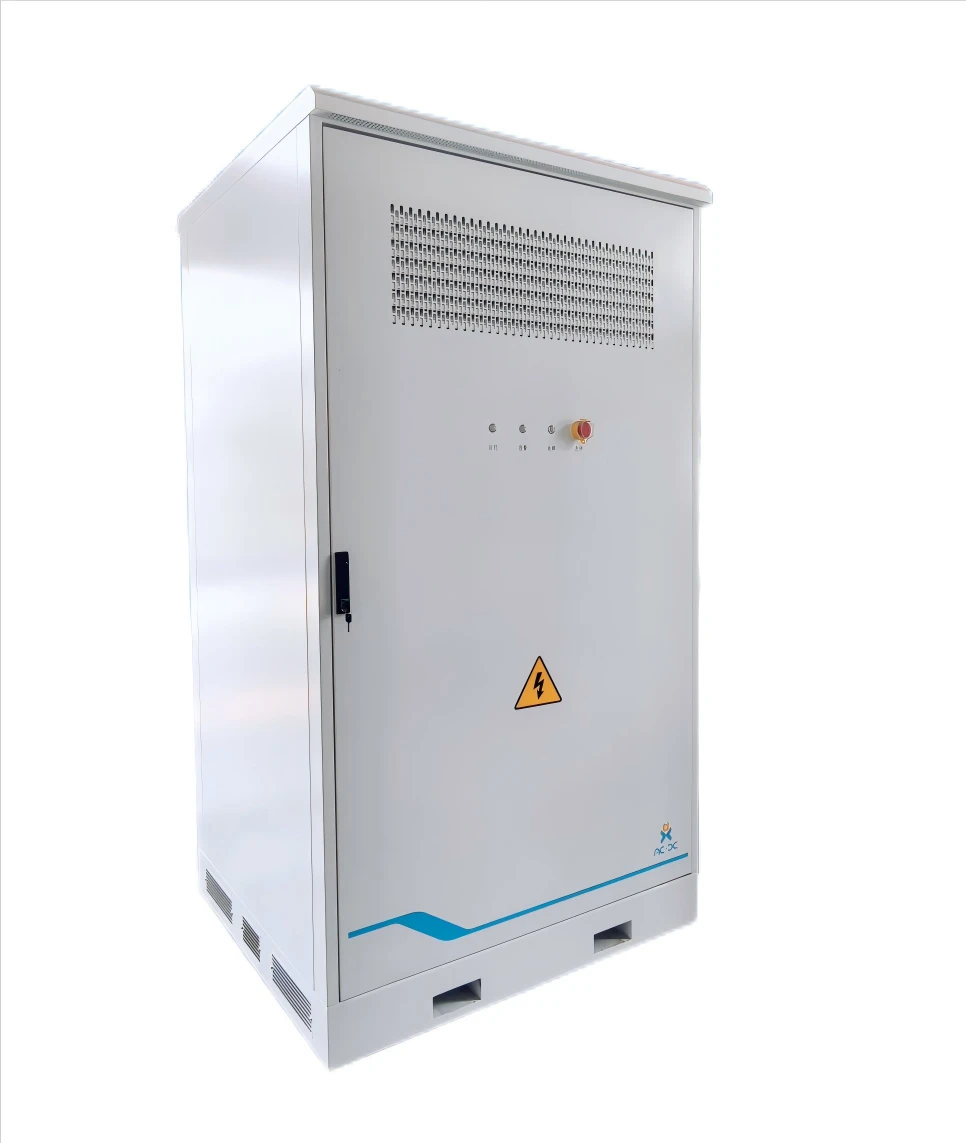
At a glance: what it is
Product: Self-Cooling-EN-215 (Energy Type). Origin: No. 58 Tongxin Road, Tongan town, Suzhou!Jiangsu province,215000. If you want the tweet-length version: a robust, passively cooled cabinet that plays nicely with solar, EV chargers, and factory loads. Many customers say the silence—and lower OPEX—are the kicker.
Industry trend check
C&I users are moving toward modular, street-ready cabinets instead of only large container111s. Reasons? Faster permits, easier siting, and, surprisingly, better partial-load efficiency. Also, tightening safety codes (UL 9540/9540A, IEC 62619) are pushing designs that mitigate thermal events without complex HVAC.
Product specifications (typical)
| Model | Self-Cooling-EN-215 |
| Battery Chemistry | LFP (LiFePO₄) |
| Usable Energy | ≈215 kWh (configurable; real-world use may vary) |
| Power (continuous) | ≈100–125 kW (PCS-dependent) |
| Cooling | Passive self-cooling (no compressor) |
| Ingress Rating | IP54–IP55 (site-dependent sealing) |
| Operating Temp | ≈-20°C to +55°C (de-rating may apply) |
| Cycle Life | ≈6,000+ cycles @ 80% DoD, 25°C (typical LFP) |
| Comms/EMS | Modbus TCP/RTU; IEC 61850 optional |
| Certifications/Tests | Designed for IEC 62619, UN 38.3, UL 9540A; CE marking typical |
Where it fits (and why)
- Peak shaving and TOU arbitrage at factories, logistics parks, hotels.
- EV fast-charger buffer to cap grid demand spikes.
- PV smoothing and self-consumption at schools and retail.
- Microgrids and backup for clinics or telecom shelters.
Advantages: low noise, fewer failure points, quick crane-in deployment, and straightforward maintenance. In fact, some facilities teams say permitting went smoother thanks to the compact footprint.
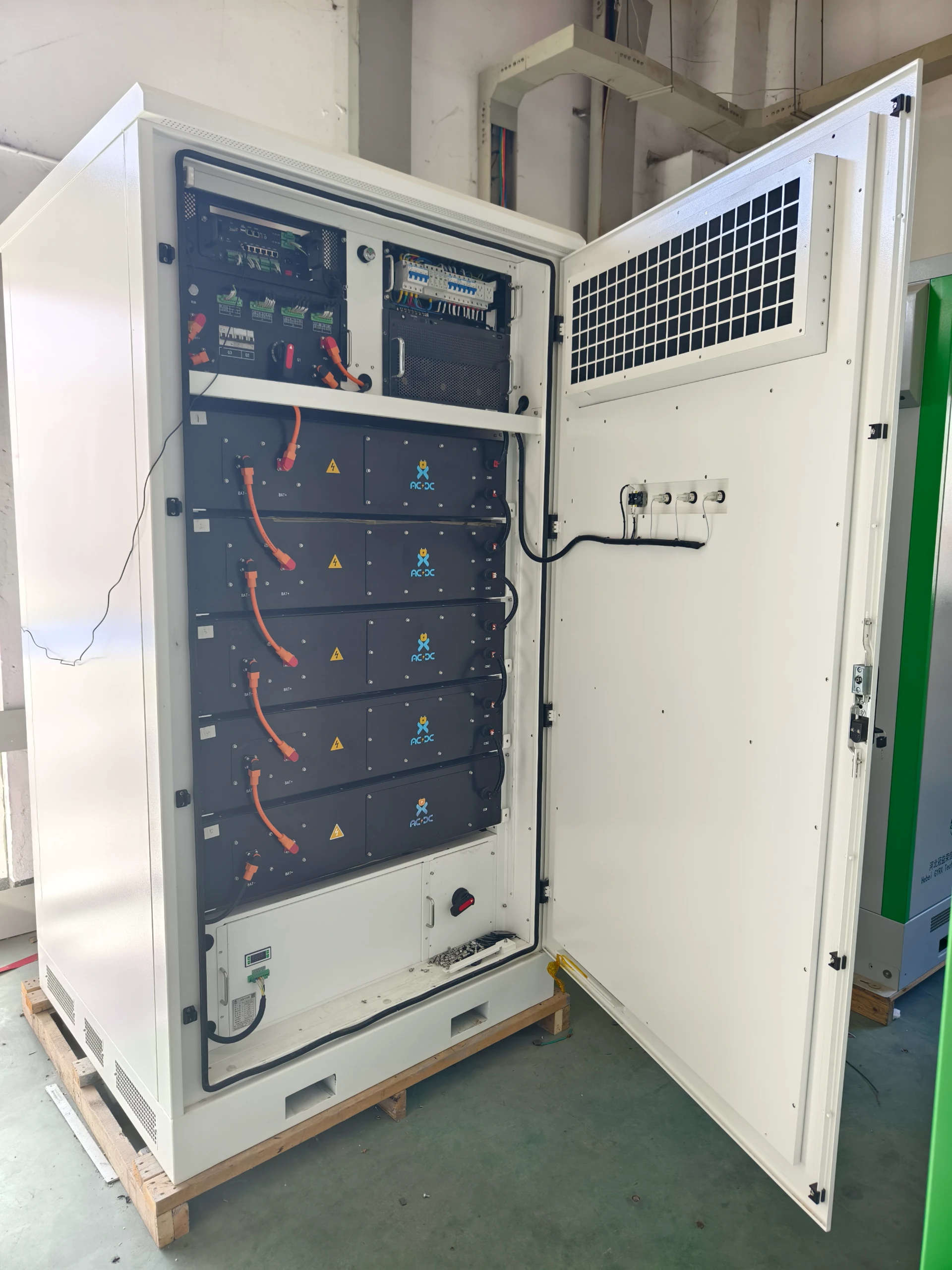
Process flow and quality
Materials: LFP prismatic cells, powder-coated galvanized steel cabinet, flame-retardant cabling, gasketed doors. Methods: laser-welded busbars, conformal-coated PCBs, selective potting on HV joints. Testing: cell/pack UN 38.3; functional FAT; environmental per IEC 60068; safety per IEC 62619; thermal propagation characterization aligned with UL 9540A. Service life: around 10–15 years with standard O&M.
Customization
- Energy blocks and PCS ratings to match site loads.
- EMS integration via open protocols; utility SCADA hooks.
- Grid-code settings and fire suppression options (clean-agent).
- Branding, color, and mounting base per local code.
Vendor comparison (quick take)
| Feature | Self-Cooling-EN-215 | Vendor A (200 kWh) | Vendor B (500 kWh container111) |
|---|---|---|---|
| Cooling | Passive (low OPEX) | Compressor (higher OPEX) | HVAC (highest OPEX) |
| Footprint | Compact cabinet | Cabinet | Container (large) |
| IP Rating | IP54–IP55 | IP54 | IP54 |
| Certification Path | IEC 62619/UL 9540A aligned | IEC 62619 | UL 9540 + 9540A |
Use case snapshot
For a medium factory with 1 MW peak, a cluster of four cabinets (≈860 kWh total) typically shaves demand charges and buffers EV chargers. Results vary, but I’ve seen models showing 20–30% peak reduction and 8–12% bill savings when paired with rooftop PV—assuming reasonable tariffs and cycling limits. It’s not magic; it’s disciplined dispatch by a capable energy storage system.
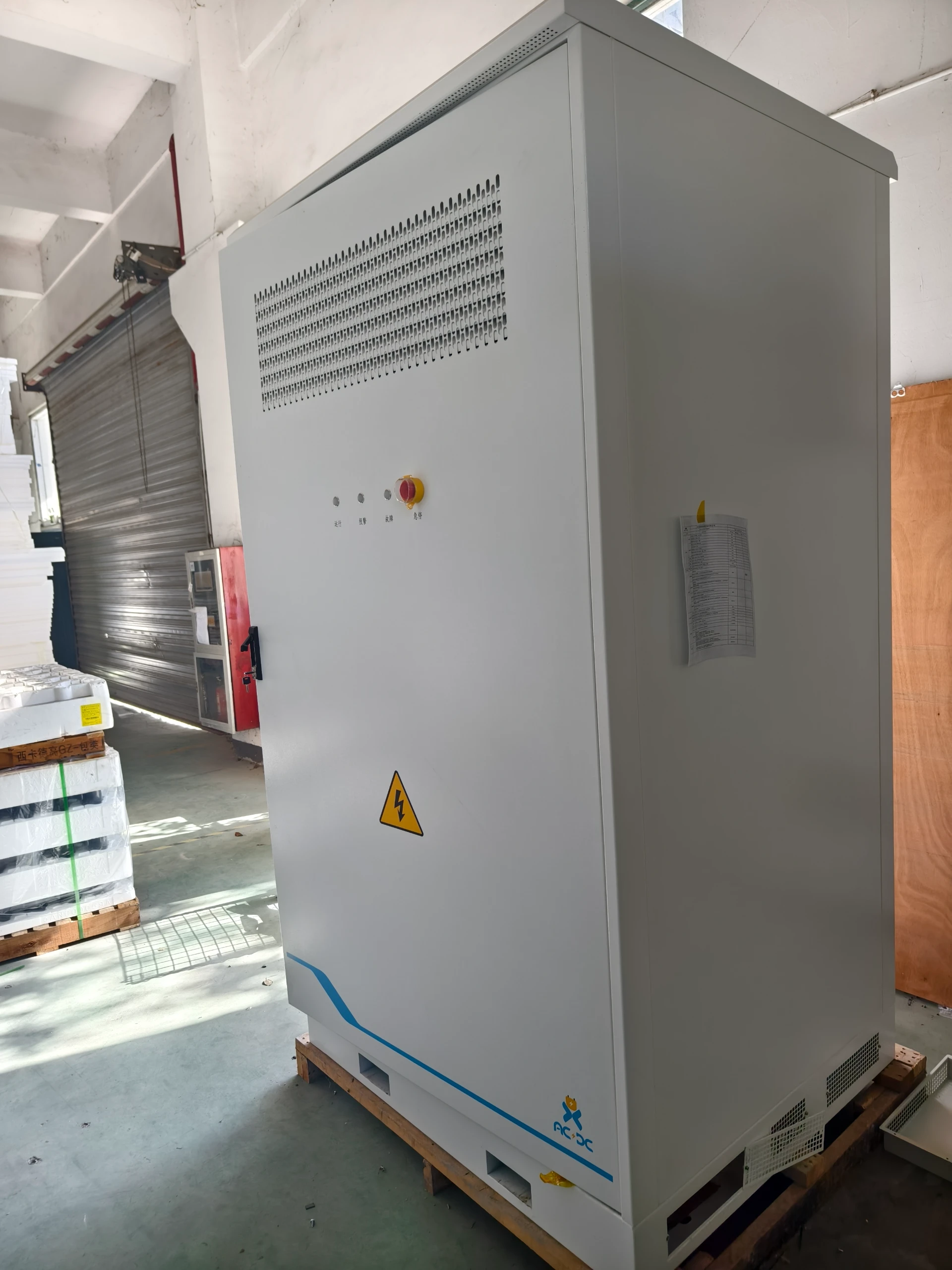
Safety, compliance, and data
- Standards: IEC 62619, IEC 62933, UL 9540A propagation testing, UN 38.3 for transport.
- Typical tests: insulation/hi-pot, short-circuit protection, thermal cycling (IEC 60068-2), functional FAT/SAT.
- Documentation: single-line diagrams, EMS logic, MSDS for cells, O&M manuals.
Bottom line? If you prefer simplicity over complexity—and an energy storage system that just gets on with the job—the Self-Cooling-EN-215 deserves a proper look.
References
- IEC 62619: Secondary lithium cells and batteries for industrial applications. International Electrotechnical Commission.
- UL 9540A: Test Method for Evaluating Thermal Runaway Fire Propagation in Battery Energy Storage Systems. UL Standards.
- IEA – Global Energy Storage Outlook (latest edition). International Energy Agency.
- U.S. DOE – Energy Storage Safety & Codes/Standards Resources.
-
Cedar Point EV Charging Solutions for Sustainable Tourism Experience
NewsApr.16,2026
-
Guide to Cedar Point Charging Stations for EV Park Visitors
NewsApr.16,2026
-
Acorn Stairlift Charging Point Guide for Home Mobility Optimization
NewsApr.16,2026
-
Integrating a Wireless Charging Point into Modern Infrastructure
NewsApr.16,2026
-
How to Optimize Your iPhone 14 Charging Point for Efficiency
NewsApr.16,2026
-
Analyzing the Charging Point Share Price Trends and Market Outlook
NewsApr.09,2026