


Mar . 21, 2026 01:55 Back to list
Maximize Your Home Theater Experience with Philips Power Supply Solutions
Choosing the Right Power Supply for Your Home Theater: A Guide Featuring Philips Options
Creating a stunning home theater experience requires careful consideration of all components, and the power supply is often overlooked. A reliable power supply is crucial for ensuring stable and clean power delivery to your AV equipment, protecting it from damage and optimizing performance. This article explores the key factors to consider when selecting a power supply for your home theater, with a focus on Philips powered devices and other compatibility options. Investing in a quality power supply can significantly enhance your viewing and listening pleasure, preventing frustrating interruptions and ensuring long-term equipment health.
Understanding Power Supply Requirements for Home Theater
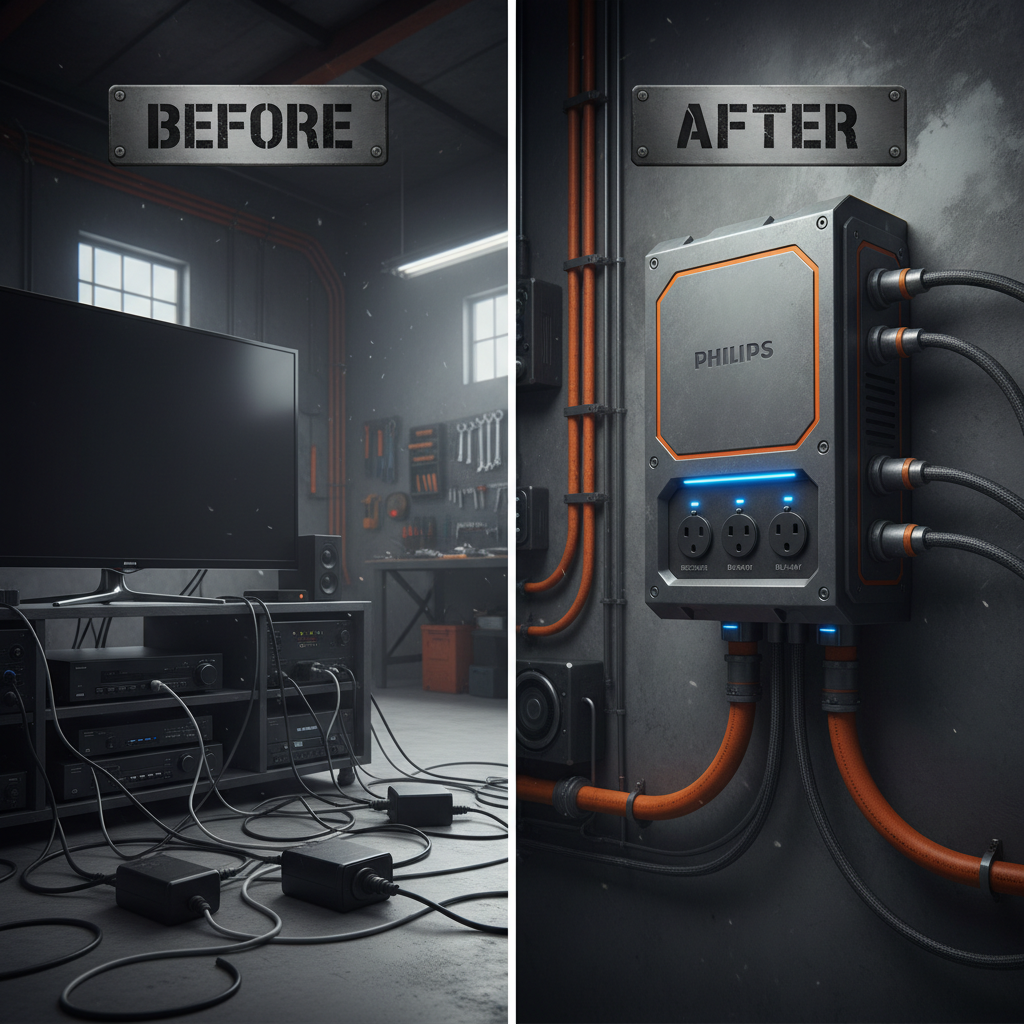
Home theater components, such as AV receivers, projectors, and speakers, have varying power requirements. It's crucial to calculate the total power consumption of your system to determine the appropriate power supply capacity. Underestimating the power needs can lead to instability and potential damage, while overestimating can result in inefficiency. Consider the peak power draw, not just the average consumption. Also, look at the voltage requirements of each component – North American systems typically use 120V, while many others utilize 220-240V. A reliable power supply should provide stable voltage regulation to protect sensitive electronics.
Types of Power Supplies for Home Theater Systems
Several types of power supplies are suitable for home theater use. Linear power supplies offer clean power but are generally larger and heavier. Switching power supplies are more efficient and compact but can introduce more noise. Uninterruptible Power Supplies (UPS) provide backup power during outages, protecting your equipment and preventing data loss. For Philips devices, ensuring compatibility with the specific voltage and current requirements is essential. ACDCBESS provides tailored solutions for various home theater setups, offering reliable and efficient power delivery.
Key Considerations: Consider the total power consumption, voltage requirements, and the need for backup power when selecting a power supply. Choose a reputable brand for reliability and performance.
Comparing Power Supply Options: A Feature Breakdown
Selecting the right power supply involves comparing various features and specifications. Here's a breakdown of common options:
ACDCBESS Solutions for Philips Home Theater Systems
ACDCBESS specializes in providing customized power supply solutions tailored to the specific needs of your home theater, including Philips devices. We offer a range of options, from standard power supplies to advanced UPS systems, ensuring reliable and consistent power delivery. Our team can assist you in determining the optimal power supply configuration for your setup, taking into account your equipment's power requirements and your budget. We prioritize quality and performance to protect your investment and enhance your viewing experience.
Protecting Your Investment with a Quality Power Supply
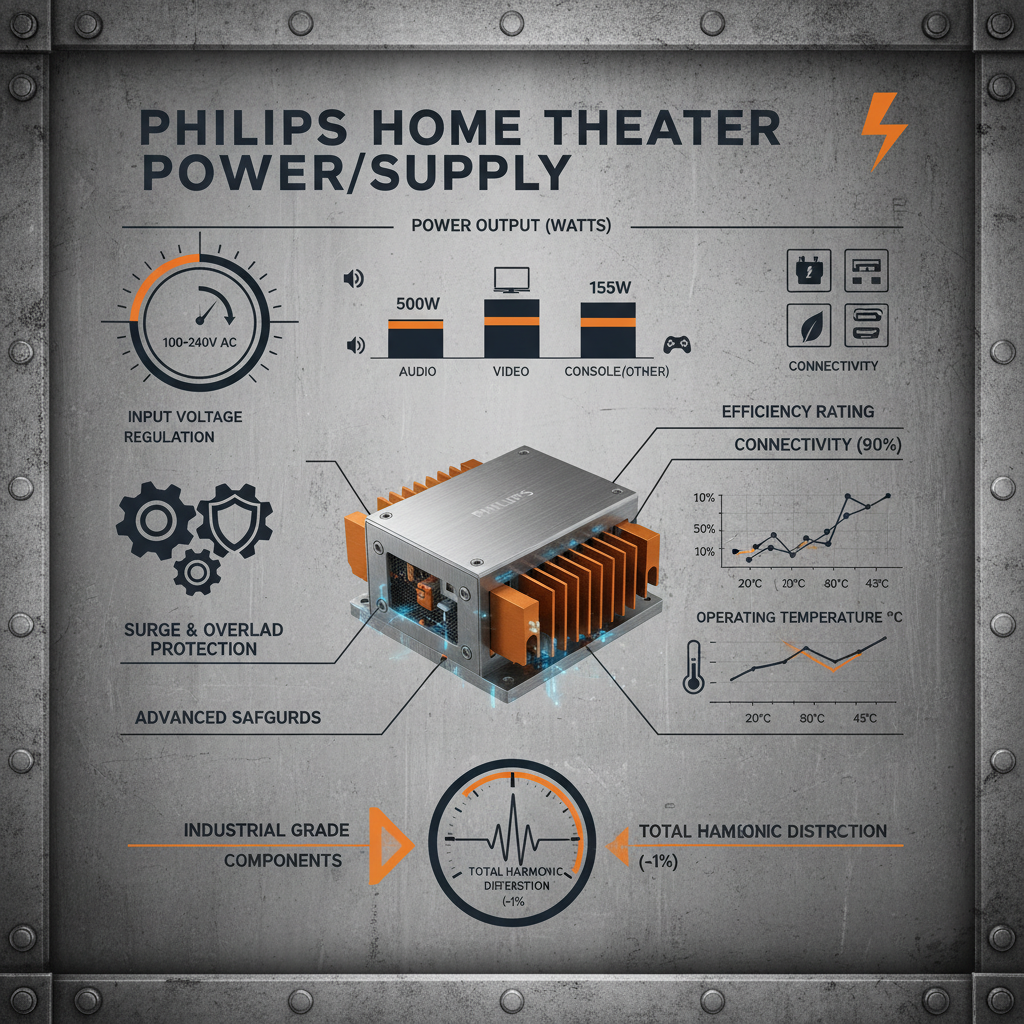
Investing in a quality power supply is a crucial step in protecting your valuable home theater equipment. Voltage fluctuations, power surges, and outages can damage sensitive electronics, leading to costly repairs or replacements. A reliable power supply provides stable and clean power, safeguarding your investment and ensuring years of uninterrupted enjoyment. Don’t compromise on power – choose ACDCBESS for peace of mind.
Conclusion
Choosing the right power supply for your home theater is essential for optimal performance and longevity of your equipment. ACDCBESS offers a comprehensive range of solutions tailored to your specific needs, including compatibility with Philips devices. Invest in a quality power supply today and enjoy a worry-free home theater experience.
Frequently Asked Questions (FAQs)
What wattage power supply do I need for my home theater?
Determining the correct wattage requires calculating the total power consumption of all your devices. Add up the wattage listed on each device's label or in its manual. It's crucial to add a safety margin of 20-30% to account for peak loads and future expansion. For example, if your devices total 300 watts, a 360-400 watt power supply would be a good choice. Consider using a power consumption calculator online for a more accurate estimate. ACDCBESS can help you with this calculation if you provide a list of your components.
What is the difference between a surge protector and a UPS?
A surge protector safeguards against voltage spikes, diverting excess energy to prevent damage. It does not provide power during an outage. A UPS (Uninterruptible Power Supply), on the other hand, includes surge protection and provides battery backup power during an outage, allowing you to safely shut down your equipment or continue using it for a limited time. A UPS is a more comprehensive solution for protecting your investment, especially for sensitive components like projectors and receivers.
Are all power supplies compatible with Philips home theater equipment?
Not necessarily. Philips devices, like all electronics, have specific voltage and current requirements. It's essential to check the power supply specifications to ensure they match your Philips equipment. Using an incompatible power supply can lead to damage or malfunction. ACDCBESS offers power supplies specifically designed and tested for compatibility with various Philips models, ensuring safe and reliable operation.
-
Cedar Point EV Charging Solutions for Sustainable Tourism Experience
NewsApr.16,2026
-
Guide to Cedar Point Charging Stations for EV Park Visitors
NewsApr.16,2026
-
Acorn Stairlift Charging Point Guide for Home Mobility Optimization
NewsApr.16,2026
-
Integrating a Wireless Charging Point into Modern Infrastructure
NewsApr.16,2026
-
How to Optimize Your iPhone 14 Charging Point for Efficiency
NewsApr.16,2026
-
Analyzing the Charging Point Share Price Trends and Market Outlook
NewsApr.09,2026