


Sep . 10, 2025 08:20 Back to list
Optimize Energy with Our Smart Energy Management System
The Imperative of energy management system in Modern Infrastructure
In an era defined by escalating energy costs, stringent environmental regulations, and the relentless demand for operational efficiency, the deployment of a robust energy management system (EMS) has transitioned from a beneficial enhancement to a mission-critical imperative. For B2B entities, particularly those operating complex facilities such as data centers, industrial plants, and large commercial buildings, an advanced EMS offers a comprehensive framework for monitoring, analyzing, and optimizing energy consumption across all operational facets. This not only translates into substantial cost savings but also reinforces sustainability objectives and enhances system reliability. The convergence of IoT, AI, and advanced analytics has propelled EMS capabilities far beyond traditional metering, enabling predictive maintenance, real-time anomaly detection, and granular control over energy-intensive assets.
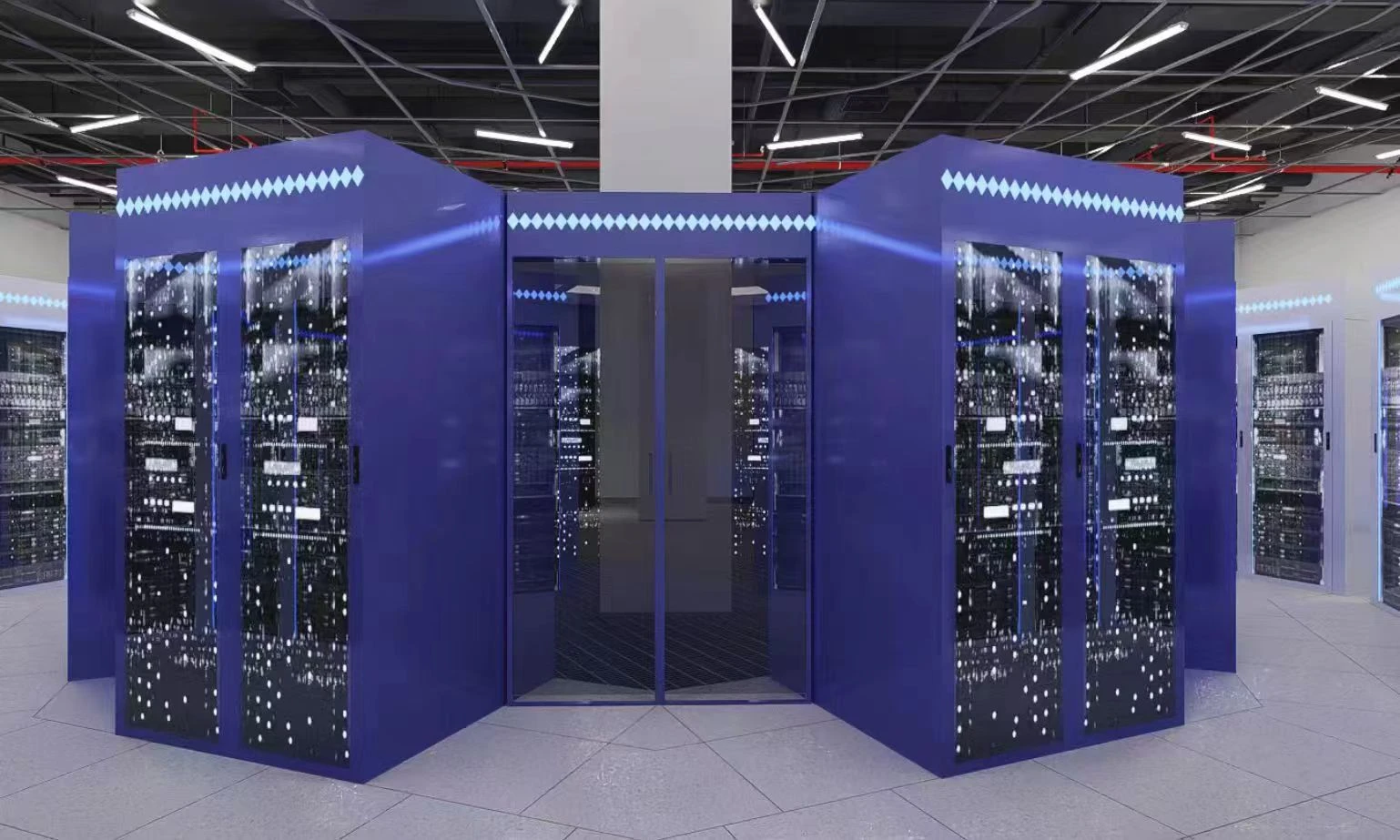
Modern energy management system solutions are designed to integrate seamlessly with existing infrastructure, providing a holistic view of energy flows. This includes everything from power distribution units and HVAC systems to individual IT racks within a micro module computer room. By leveraging data-driven insights, organizations can proactively identify inefficiencies, implement targeted interventions, and continuously refine their energy strategy. This proactive approach ensures optimal performance, reduces carbon footprint, and positions businesses as leaders in responsible resource management.
Manufacturing Process Flow of an Advanced energy management system
The development and manufacturing of a sophisticated energy management system involves a multi-stage, highly controlled process, ensuring precision, reliability, and compliance with international standards. This intricate journey transforms raw materials into highly intelligent energy control systems.
- Component Sourcing & Material Selection: This initial phase focuses on selecting high-grade industrial-grade components, including advanced microcontrollers, robust communication modules (Ethernet, Modbus, BACnet), high-precision current and voltage transformers, and durable enclosure materials (e.g., cold-rolled steel, marine-grade aluminum). Materials are chosen for their electromagnetic compatibility (EMC), thermal stability, and corrosion resistance, critical for diverse industrial environments.
- PCB Design & Fabrication: Utilizing advanced CAD/CAM software, multi-layer Printed Circuit Boards (PCBs) are designed to house the complex digital and analog circuitry. Fabrication involves precise etching, plating, and soldering techniques. Critical consideration is given to signal integrity, power distribution, and thermal management within the compact architecture of an energy management system.
- Automated Assembly & SMT Process: Surface Mount Technology (SMT) is employed for automated placement of thousands of miniature electronic components onto the PCBs. Robotic arms ensure unparalleled accuracy and speed. This stage includes reflow soldering and optical inspection to detect any defects.
- Enclosure Manufacturing & Machining: The robust enclosures that house the EMS hardware undergo precision manufacturing. This includes processes like CNC machining for precise cutouts and mounting points, laser cutting, and specialized surface treatments such as powder coating for enhanced durability and corrosion resistance. For specialized applications like petrochemical or marine, materials may undergo anti-corrosion forging or casting.
- Software Integration & Firmware Loading: Proprietary firmware and operating system software are loaded onto the microcontrollers. This involves rigorous testing of communication protocols, data acquisition capabilities, and control logic. Algorithms for energy optimization, anomaly detection, and reporting are meticulously integrated.
- Calibration & Functional Testing: Each EMS unit undergoes comprehensive functional testing, verifying the accuracy of all sensors, communication modules, and control outputs. Calibration against certified standards ensures precise measurement of electrical parameters (voltage, current, power factor, harmonics). Stress tests simulate various operational conditions to confirm stability and performance.
- Environmental & Compliance Testing: Products are subjected to stringent environmental tests, including temperature cycling, humidity exposure, vibration, and electromagnetic interference (EMI/EMC) testing. Compliance with international standards such as ISO 9001 (Quality Management), ISO 14001 (Environmental Management), ANSI C12.20 (Electricity Meters), and CE/FCC certifications is rigorously verified to guarantee safety and performance. The typical service life of our industrial-grade EMS units exceeds 10 years, often reaching 15-20 years with proper maintenance.
- Final Assembly & Quality Control: The final components are assembled, including secure wiring, robust casing, and clear labeling. A final comprehensive quality control check ensures every unit meets our exacting standards before packaging and dispatch.
This meticulous process ensures that our energy management system solutions deliver exceptional reliability, precision, and longevity, making them ideal for demanding target industries such as petrochemical, metallurgy, pharmaceuticals, water supply & drainage, data centers, and advanced manufacturing. Key advantages demonstrated in typical application scenarios include significant energy saving (up to 30% reported in HVAC optimization), enhanced operational visibility, and superior corrosion resistance in harsh industrial environments.
Industry Trends and Technical Specifications
The landscape of energy monitoring and management system is rapidly evolving, driven by advancements in digital transformation and increasing sustainability mandates. Key trends include the proliferation of edge computing for real-time data processing, enhanced AI/ML integration for predictive analytics, and the shift towards fully integrated energy control systems that manage not only consumption but also generation (e.g., renewables) and storage.
Key Technical Specifications of a Leading-Edge EMS
| Parameter | Specification | Benefit to User |
|---|---|---|
| Data Acquisition Rate | < 1 second (configurable) | Real-time visibility into energy consumption patterns for immediate adjustments. |
| Measurement Accuracy | Voltage: ±0.2% | Current: ±0.2% | Power: ±0.5% | Highly precise data for accurate billing, performance analysis, and regulatory compliance. |
| Communication Protocols | Modbus TCP/RTU, BACnet/IP, SNMP, MQTT, Ethernet/IP | Seamless integration with existing Building Management Systems (BMS) and SCADA platforms. |
| Scalability | Supports up to 5000 data points per gateway; modular expansion | Future-proof solution adaptable to growing infrastructure and evolving needs. |
| Data Storage (Edge) | Minimum 1 year of granular data onboard | Ensures data integrity and availability even during network outages. |
| Cybersecurity | AES 256-bit encryption, Role-Based Access Control (RBAC), secure boot | Protects sensitive operational data from unauthorized access and cyber threats. |
| Environmental Rating | IP65 (Outdoor/Harsh environments) | IP20 (Indoor/Data Center) | Ensures reliable operation in a wide range of industrial and commercial settings. |
These specifications underscore the advanced capabilities required for comprehensive energy management system deployments, particularly in critical infrastructure such as micro module computer rooms where precision and reliability are paramount.
Application Scenarios and Technical Advantages
The versatility of an advanced energy management system extends across a myriad of sectors, delivering tangible benefits in diverse operational contexts. Our solutions are designed to address the unique energy challenges faced by various industries.
Key Application Scenarios:
- Data Centers & Micro Module Computer Rooms: Critical for monitoring PUE (Power Usage Effectiveness), optimizing cooling systems (HVAC), managing UPS and battery health, and ensuring peak operational efficiency while minimizing energy waste.
- Industrial Manufacturing: Tracking energy consumption of heavy machinery, production lines, and HVAC systems. Facilitates demand-side management, identifies energy-intensive processes, and enables predictive maintenance for equipment.
- Commercial Buildings & Campuses: Optimizing lighting, HVAC, and plug loads across large facilities. Supports smart building initiatives, tenant billing, and compliance with green building standards.
- Oil & Gas / Petrochemical: Monitoring energy usage in refining processes, pumping stations, and offshore platforms. Essential for operational safety, emissions reduction, and energy cost control in hazardous environments.
- Water Supply & Drainage: Managing the energy footprint of pumps, filtration systems, and treatment plants. Optimizing pumping schedules based on demand and energy tariffs.
Technical Advantages:
- Granular Data Collection: Our EMS captures data at sub-second intervals from various points, providing unparalleled insight into energy flows down to individual assets.
- Predictive Analytics with AI/ML: Utilizes machine learning algorithms to forecast energy demand, identify anomalous consumption patterns, and predict equipment failures, enabling proactive energy management.
- Automated Demand Response: Integrates with utility programs and internal load shedding capabilities, automatically adjusting non-critical loads during peak demand periods to reduce costs.
- Robust Integration Capabilities: Offers open APIs and supports industry-standard protocols (Modbus, BACnet, SNMP) for seamless integration with legacy systems and diverse hardware.
- User-Centric Visualizations: Provides intuitive dashboards, customizable reports, and real-time alerts through web and mobile interfaces, empowering stakeholders with actionable insights.
- Enhanced System Reliability: By continuously monitoring critical parameters and identifying potential issues, our energy control systems prevent costly downtime and extend equipment lifespan.
Vendor Comparison and Customized Solutions
Choosing the right energy management system vendor is a critical decision for any enterprise. While many providers offer foundational energy monitoring, differentiators lie in the depth of technical expertise, customization capabilities, and the robustness of their support infrastructure. We pride ourselves on a consultative approach, delivering tailored solutions that align precisely with client operational goals and infrastructure.
Comparative Analysis of EMS Providers:
| Feature/Vendor | Our Solution (ACDC BESS) | Competitor A (General EMS) | Competitor B (Cloud-focused) |
|---|---|---|---|
| System Architecture | Hybrid (Edge & Cloud), Modular | Primarily Cloud-based | Heavy Edge Processing |
| AI/ML Capabilities | Advanced Predictive Analytics & Control | Basic Anomaly Detection | Limited Predictive Maintenance |
| Integration Flexibility | Extensive (Open API, Modbus, BACnet, SNMP, Custom) | Standard Protocols Only | Proprietary Ecosystem Focus |
| Cybersecurity Framework | Multi-layered, ISO 27001 Aligned | Standard Industry Practices | Cloud Security Reliance |
| Customization Level | High: Software, Hardware, Reporting | Low: Configuration only | Moderate: Limited Software Customization |
| Support & Services | 24/7 Global, Dedicated Account Managers | Business Hours, Tiered Support | Self-service Portal, Email Support |
Tailored Customized Solutions:
Our approach to providing an energy management system is deeply rooted in understanding the nuanced requirements of each client. We offer comprehensive customization options, including:
- Hardware Configuration: Adapting sensor types, communication modules, and enclosure designs to match specific environmental conditions and legacy equipment. This includes specialized power meters for varying voltage/current levels, and environmental sensors for temperature, humidity, and air quality relevant to a micro module computer room.
- Software Development: Customizing dashboards, reports, and analytics modules to reflect unique KPIs, integrate with proprietary business intelligence tools, or implement industry-specific energy optimization algorithms.
- Integration Services: Developing bespoke connectors and APIs to ensure seamless data flow with existing ERP, CMMS, or other operational technology (OT) systems.
- Deployment & Training: Providing on-site installation, commissioning, and comprehensive training programs tailored to operational teams, ensuring rapid adoption and maximum utility of the EMS.
This commitment to customization ensures that our energy monitoring and management system acts as a direct enabler of your strategic energy goals, rather than a generic off-the-shelf product.
Application Case Studies & Customer Success
Our track record demonstrates the tangible impact of deploying a well-engineered energy management system. We partner with industry leaders to drive significant operational efficiencies and achieve sustainability targets.
Case Study 1: Large-Scale Industrial Manufacturer
Client Profile: A global automotive parts manufacturer with multiple production facilities across Asia and Europe.
Challenge: Inconsistent energy consumption across facilities, lack of granular visibility into machinery power usage, and high peak demand charges.
Solution: Implemented our comprehensive energy management system across five key manufacturing sites. Deployed over 800 smart meters, integrated with existing SCADA and BMS, and customized dashboards for real-time energy monitoring and reporting. Implemented AI-driven load balancing and predictive maintenance modules.
Results: Achieved an average 18% reduction in overall energy consumption within the first year, leading to $2.5 million in annual savings. Peak demand charges reduced by 25%. Early detection of equipment anomalies led to a 15% reduction in unplanned downtime. Customer feedback highlighted the system's intuitive interface and robust analytical capabilities.
Case Study 2: Tier 3 Data Center Optimization
Client Profile: A prominent financial institution operating a Tier 3 data center with a significant footprint of micro module computer rooms.
Challenge: Optimizing Power Usage Effectiveness (PUE) below 1.5, managing complex cooling loads, and ensuring high availability for critical IT infrastructure.
Solution: Deployed a specialized energy monitoring and management system tailored for data center environments. This included rack-level power monitoring, intelligent cooling control for CRAC units and in-row cooling, and UPS battery health analytics. The system provided real-time PUE calculations and recommendations for thermal optimization.
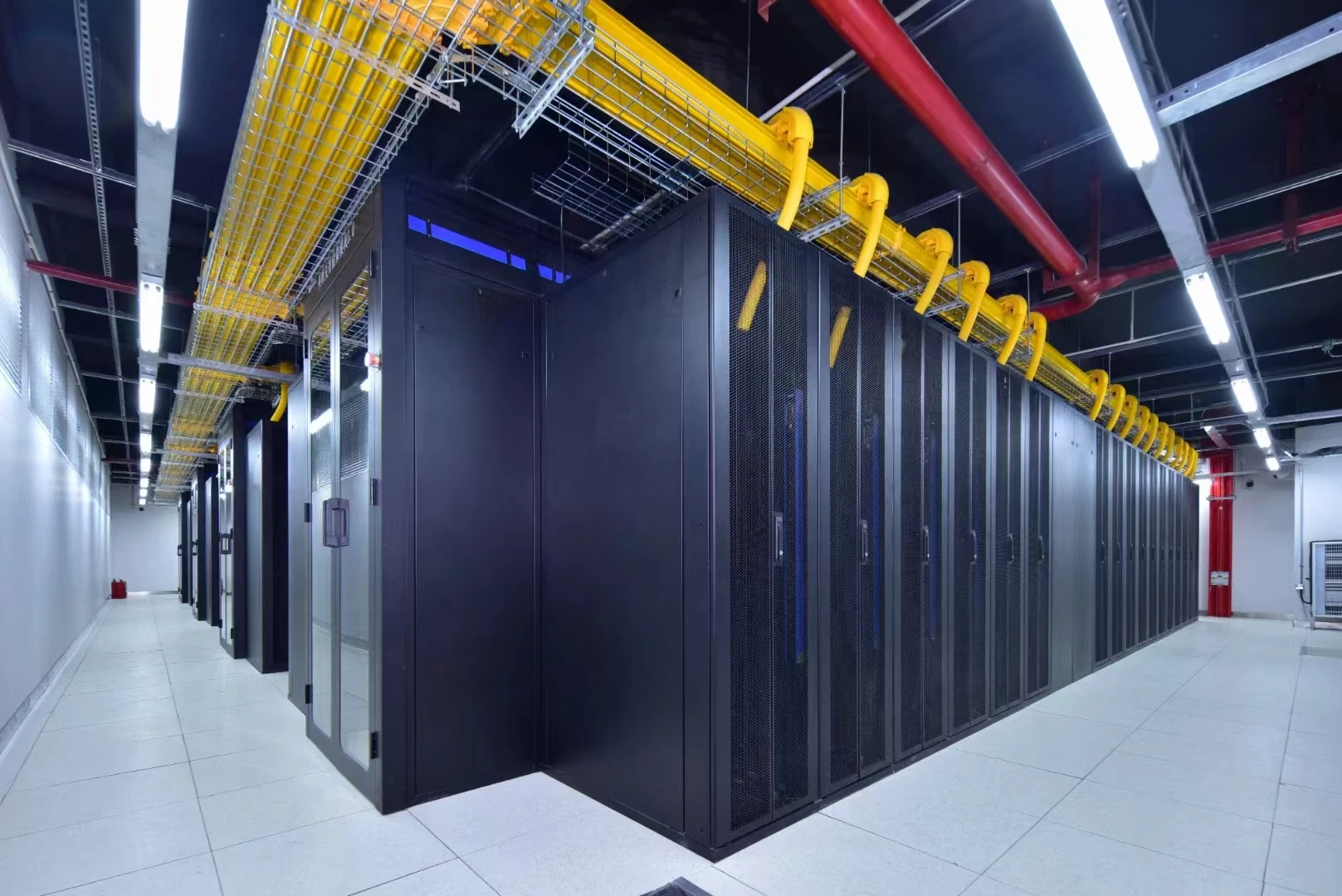
Results: Reduced PUE from 1.62 to 1.48 within six months, exceeding the client's target. This translated to estimated annual electricity cost savings of over $750,000. Improved thermal management enhanced equipment lifespan and reduced the risk of hot spots. The client reported enhanced operational control and improved compliance with energy efficiency standards. Our system played a crucial role in maintaining 99.999% uptime.
Our years of service in complex B2B environments, coupled with ISO/IEC 27001 and ISO 50001 certifications, underscore our commitment to authoritative, trustworthy solutions. Our clients include Fortune 500 companies in telecommunications, automotive, and financial services, reflecting our proven capability in delivering high-impact energy control systems.
Trustworthiness & Support: FAQ, Lead Time, Warranty, and After-Sales
Building long-term partnerships is at the core of our business philosophy. We ensure complete transparency and robust support mechanisms to guarantee optimal performance and client satisfaction throughout the lifecycle of our energy management system solutions.
Frequently Asked Questions (FAQ):
Q: How does your EMS integrate with existing infrastructure?
A: Our EMS supports a wide array of industry-standard protocols (Modbus, BACnet, SNMP, MQTT, etc.) and offers open APIs, enabling seamless integration with your existing BMS, SCADA, ERP, and IoT devices. We also provide custom integration services for unique or legacy systems.
Q: What kind of data security measures are in place?
A: We implement multi-layered cybersecurity protocols, including AES 256-bit encryption for data in transit and at rest, role-based access control (RBAC), secure boot mechanisms, and regular security audits. Our systems comply with international data protection standards.
Q: Can the system be deployed in hazardous environments?
A: Yes, we offer specialized hardware enclosures and components rated for hazardous locations (e.g., ATEX, IECEx compliant) for industries like petrochemical and oil & gas, ensuring safety and reliability in extreme conditions.
Q: What is the typical ROI for an EMS implementation?
A: While ROI varies by industry and scale, clients typically see significant returns within 12-36 months through reduced energy costs, optimized operations, avoided penalties, and extended equipment lifespan. Our detailed energy audits can provide a customized ROI projection.
Lead Time & Fulfillment Details:
Our lead times are structured to meet the demands of B2B project schedules. Standard hardware components for our energy control systems typically have a lead time of 4-6 weeks from order confirmation. Customized solutions or large-scale deployments may require 8-12 weeks, depending on the complexity of hardware fabrication and software development. We maintain robust supply chain partnerships and strategic inventory to mitigate potential delays. Project fulfillment includes dedicated project management, factory acceptance testing (FAT), site acceptance testing (SAT), and phased rollout plans tailored to minimize operational disruption.
Warranty Commitments:
We stand behind the quality and reliability of our products with a comprehensive warranty program. All core EMS hardware components come with a standard 3-year limited warranty, covering defects in materials and workmanship. Extended warranty options, including 5-year and 7-year plans, are available for enhanced peace of mind. Software components receive continuous updates and patches for security and feature enhancements throughout the service contract period.
Customer Support & After-Sales Service:
Our commitment extends well beyond deployment. We offer multi-tiered customer support, including:
- 24/7 Technical Support: Available via phone, email, and a dedicated online portal for critical issues.
- Dedicated Account Managers: Providing single points of contact for strategic planning, performance reviews, and long-term partnership development.
- On-site Service & Maintenance: Global network of certified technicians for proactive maintenance, troubleshooting, and emergency support.
- Software Updates & Upgrades: Ensuring your EMS remains at the forefront of technology with the latest features and security enhancements.
- Continuous Training: Offering advanced training modules for evolving system capabilities and best practices in energy management.
Our comprehensive support infrastructure ensures your energy management system operates at peak performance throughout its extended service life, maximizing your investment and contributing to sustainable operations.
References
- International Organization for Standardization (ISO). ISO 50001: Energy Management Systems.
- American National Standards Institute (ANSI). ANSI/ASHRAE/IES Standard 90.1: Energy Standard for Buildings Except Low-Rise Residential Buildings.
- U.S. Department of Energy. Energy Information Administration (EIA). Annual Energy Outlook.
- IEEE Std 1459-2010. IEEE Standard for the Measurement of Electrical Power Quantities Under Sinusoidal, Nonsinusoidal, Balanced, or Unbalanced Conditions.
- IBM. Edge computing for real-time analytics in industrial IoT.
-
Cedar Point EV Charging Solutions for Sustainable Tourism Experience
NewsApr.16,2026
-
Guide to Cedar Point Charging Stations for EV Park Visitors
NewsApr.16,2026
-
Acorn Stairlift Charging Point Guide for Home Mobility Optimization
NewsApr.16,2026
-
Integrating a Wireless Charging Point into Modern Infrastructure
NewsApr.16,2026
-
How to Optimize Your iPhone 14 Charging Point for Efficiency
NewsApr.16,2026
-
Analyzing the Charging Point Share Price Trends and Market Outlook
NewsApr.09,2026