


Mar . 05, 2026 01:55 Back to list
Optimizing Car Audio Systems with a Reliable Home Power Supply
Choosing the Right Car Audio Home Power Supply: A Comprehensive Guide
When considering upgrading or installing a high-performance car audio system at home, a reliable and efficient power supply is paramount. A dedicated car audio home power supply ensures clean, stable power delivery, crucial for optimal sound quality and system longevity. This article will explore the key factors to consider when selecting a power supply, discuss the benefits of using a dedicated unit, and offer insights into choosing the right model for your specific needs. Understanding the nuances of power delivery will help you unlock the full potential of your car audio system.
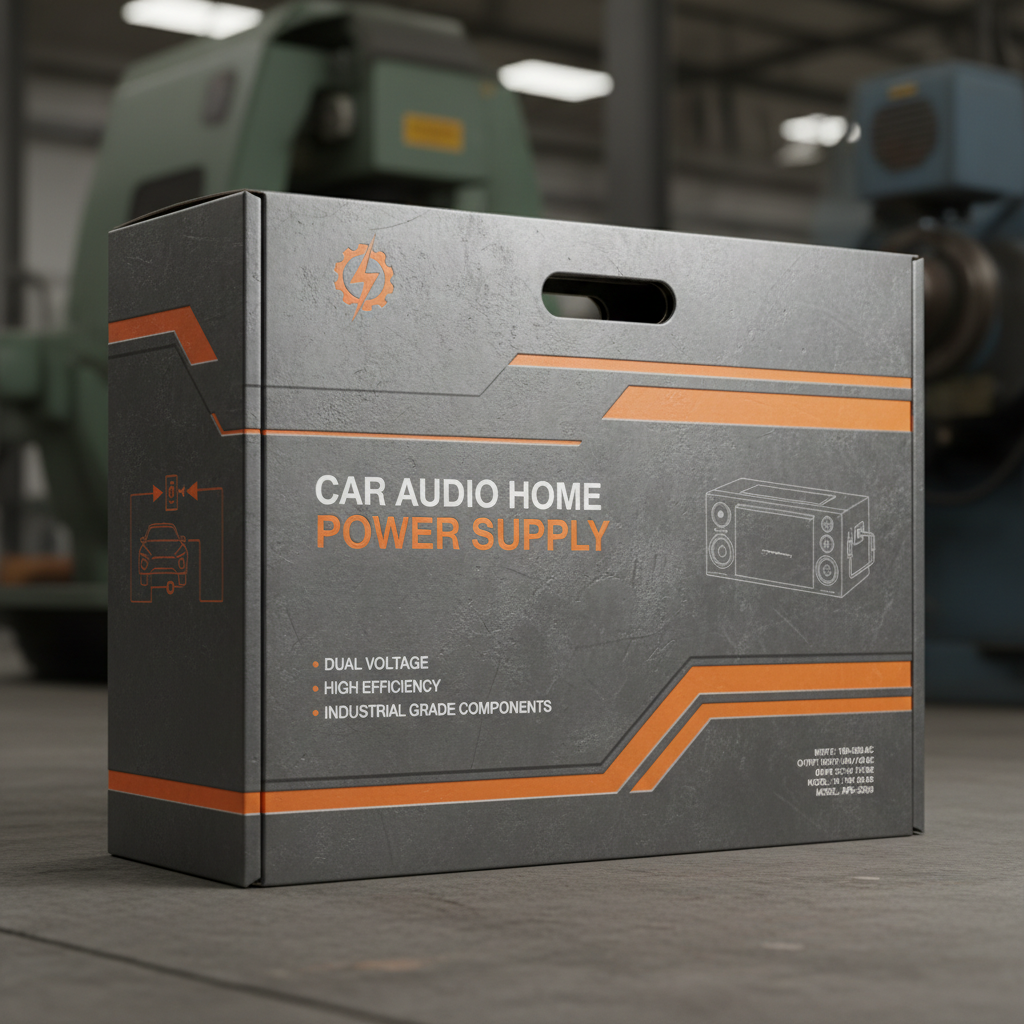
Why Use a Dedicated Car Audio Home Power Supply?
Unlike standard household outlets, car audio systems require specific voltage and current characteristics. Using a dedicated power supply ensures consistent and clean power delivery, minimizing noise, distortion, and potential damage to your valuable equipment. Fluctuations in household power can negatively impact amplifier performance and even shorten the lifespan of your speakers and subwoofers. A dedicated supply, designed specifically for car audio components, stabilizes these fluctuations, optimizing your audio experience. It also provides the necessary isolation to reduce ground loops and other electrical interference. Investing in a good power supply is investing in the long-term health and performance of your system.
Key Benefits: Clean and stable power, minimized noise and distortion, extended equipment lifespan, optimized amplifier performance, reduced electrical interference.
Understanding Power Supply Specifications
Choosing the right power supply requires understanding key specifications. Voltage (V) dictates the electrical potential, typically 12V for car audio. Current (Amps - A) represents the flow of electricity and must be sufficient to meet the combined power demands of your amplifier(s) and other components. Wattage (W) is a measure of total power (V x A). It's vital to select a power supply with more amperage than your system requires to avoid overloading and potential damage. Consider a safety margin of at least 20% above the calculated total amperage. Furthermore, look for supplies with features like short-circuit protection, over-voltage protection, and thermal protection to safeguard your equipment.
Essential Specifications:
• Voltage (V): Typically 12V for car audio.
• Current (Amps - A): Must exceed the total system demand.
• Wattage (W): V x A – Represents total power.
• Protection Features: Short-circuit, over-voltage, thermal protection.
Car Audio Home Power Supply Types: A Comparison
Several types of power supplies are available, each with its strengths and weaknesses. Linear power supplies offer excellent noise rejection and clean power but are typically larger, heavier, and less efficient. Switching power supplies are more compact, lighter, and more efficient, but can introduce some electrical noise. Toroidal power supplies offer a balance between the two, providing good noise rejection with a reasonable size and weight. The choice depends on your specific needs and budget. If pristine audio quality is your top priority, a linear or toroidal supply may be preferred. For space-saving and efficiency, a switching supply can be a viable option.
Factors to Consider When Choosing a Power Supply
Beyond the type and specifications, consider these factors: System Power Requirements: Accurately calculate the total amperage required by your car audio system. Budget: Power supplies range in price depending on their features and performance. Space Constraints: If space is limited, a switching or toroidal supply may be a better choice. Future Expansion: Choose a power supply with sufficient headroom to accommodate future upgrades. Finally, prioritize reputable brands known for quality and reliability, like ACDCBESS.
ACDCBESS Power Supply Product Spotlight
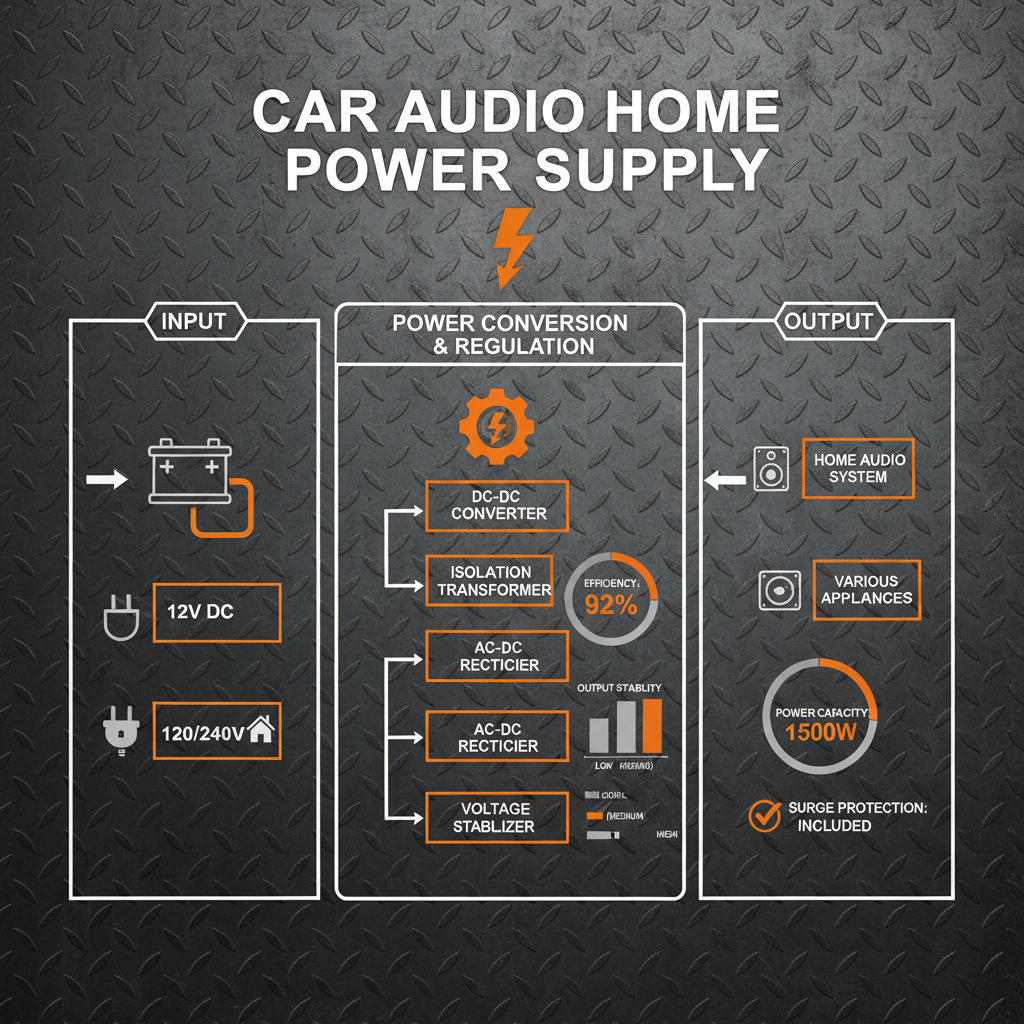
ACDCBESS offers a range of high-quality car audio home power supplies designed to meet the demands of even the most discerning audiophiles. Here are some key product specifications:
Conclusion: Powering Your Passion with ACDCBESS
Investing in a quality car audio home power supply is essential for unlocking the full potential of your sound system. By understanding your power requirements, considering the different types of supplies available, and choosing a reputable brand like ACDCBESS, you can ensure clean, stable power delivery and years of reliable performance. Don't compromise on power – choose ACDCBESS.
Frequently Asked Questions (FAQs)
How do I calculate the amperage needed for my car audio system?
To calculate the total amperage, add up the maximum current draw of each component in your system (amplifier(s), subwoofer, etc.). You can find this information in the product specifications for each device. It's crucial to add a safety margin of at least 20% to this total to account for peak demands and prevent overloading the power supply. For example, if your system draws 20 amps, choose a power supply with at least 24 amps of output.
What is the difference between a regulated and unregulated power supply?
A regulated power supply maintains a constant output voltage, even with fluctuations in the input voltage or load. This is essential for car audio systems, as it ensures consistent performance and prevents damage to your components. An unregulated power supply, on the other hand, allows the output voltage to vary with the input voltage and load. These are generally not suitable for car audio applications due to their instability. Always opt for a regulated power supply for your car audio setup.
Are ACDCBESS power supplies compatible with all car audio amplifiers?
ACDCBESS power supplies are designed to be compatible with most standard 12V car audio amplifiers. However, it's essential to verify that the voltage and amperage ratings of the power supply meet or exceed the requirements of your amplifier. Always consult the amplifier's documentation for specific power requirements. ACDCBESS provides detailed specifications for all its products to help you make an informed decision.
-
Cedar Point EV Charging Solutions for Sustainable Tourism Experience
NewsApr.16,2026
-
Guide to Cedar Point Charging Stations for EV Park Visitors
NewsApr.16,2026
-
Acorn Stairlift Charging Point Guide for Home Mobility Optimization
NewsApr.16,2026
-
Integrating a Wireless Charging Point into Modern Infrastructure
NewsApr.16,2026
-
How to Optimize Your iPhone 14 Charging Point for Efficiency
NewsApr.16,2026
-
Analyzing the Charging Point Share Price Trends and Market Outlook
NewsApr.09,2026