


Oct . 13, 2025 11:40 Back to list
Storage System: Modular, Safe, High-Efficiency Power Backup
Self-Cooling-PW-164: an outdoor energy workhorse that doesn’t overheat under pressure
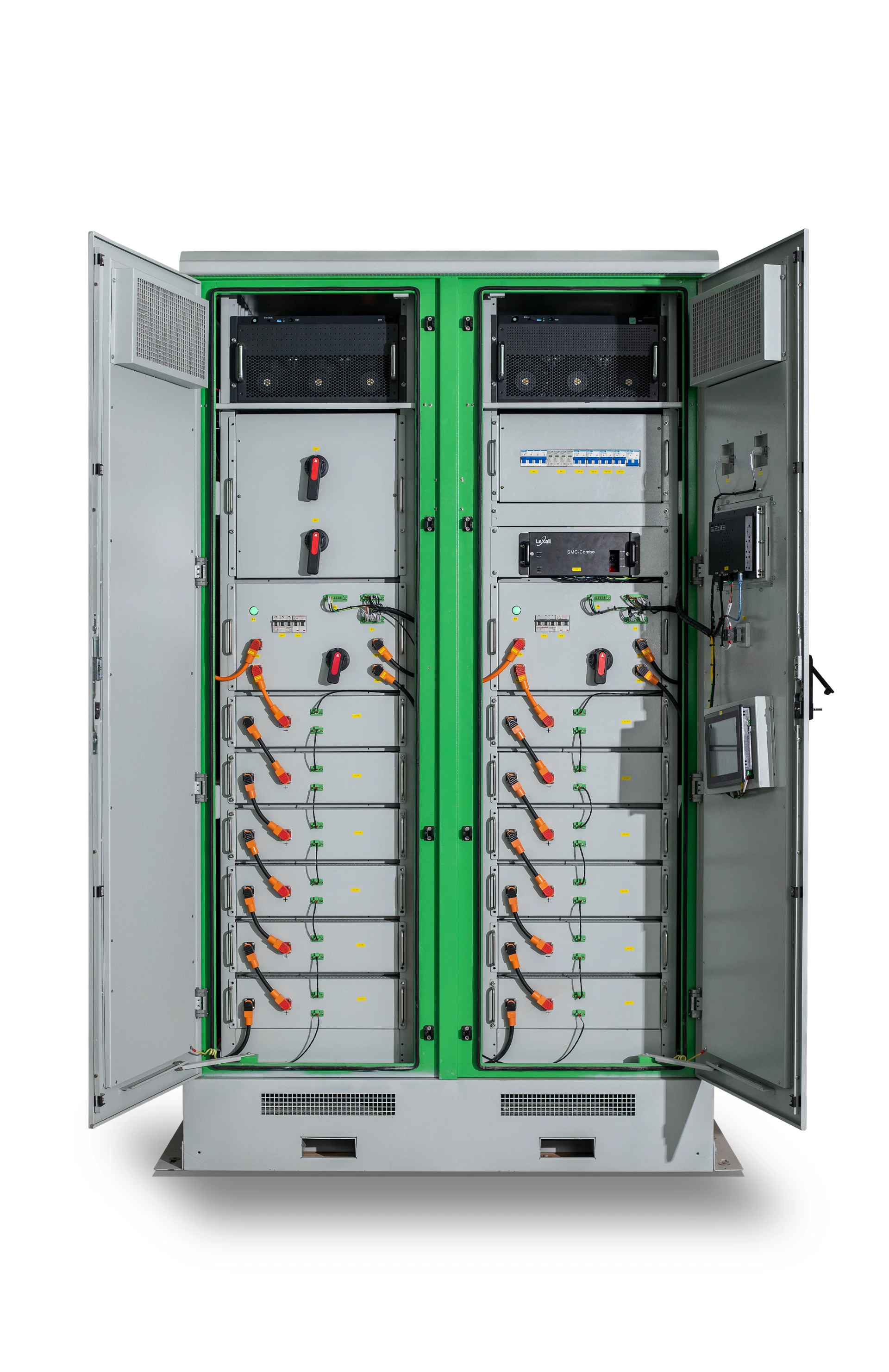
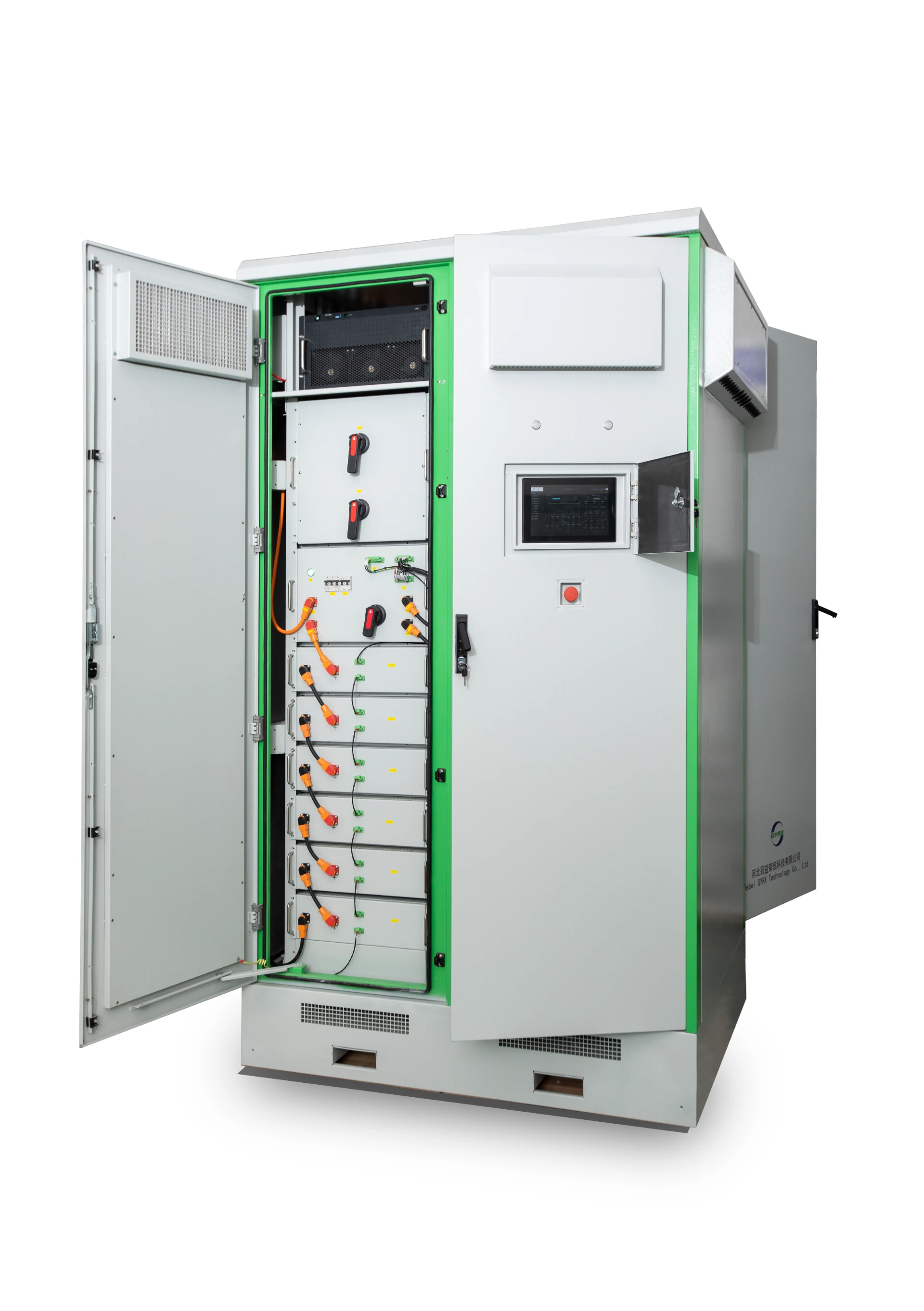
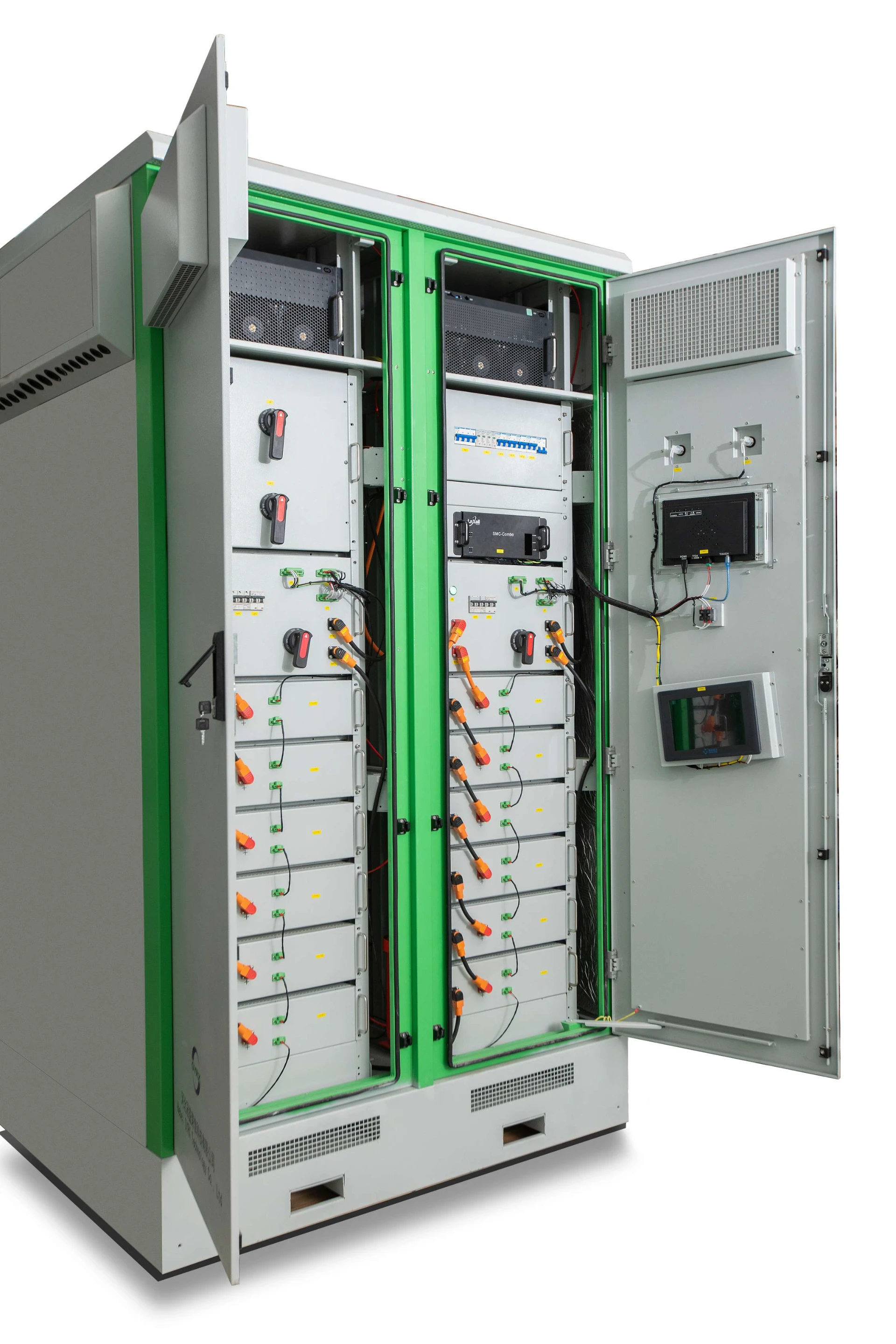
If you’re scouting for a modern storage system that’s both practical and tough enough for the curbside, substation, or factory yard, the Self-Cooling-PW-164 made in Suzhou (No. 58 Tongxin Road, Tongan town, Suzhou!Jiangsu province, 215000) is worth a hard look. It’s an outdoor distributed energy storage cabinet—power type—which, to be honest, reads like a mouthful. In practice, it means fast response, stable power support, and a cabinet engineered to handle weather, dust, and the occasional operator who leaves the door open a bit too long.
What’s trending in grid-scale and C&I ESS
Utilities want rapid ramping for renewables firming; factories want peak shaving without adding headaches; data centers (the power-hungry neighbors we all tolerate) want resilience. Demand is pushing cabinets toward higher safety (UL 9540A-proven designs), LFP chemistries, modular footprints, and smarter BMS/EMS integrations. The Self-Cooling-PW-164 sits right in that current, leaning on passive/assisted self-cooling paths instead of heavy, failure-prone HVAC. Surprisingly, many customers say fewer moving parts is the feature they didn’t know they wanted.
Indicative specifications (real-world use may vary)
| Product | Self-Cooling-PW-164 — Outdoor Distributed Energy Storage Cabinet (Power Type) |
| Nominal energy (per cabinet) | ≈164 kWh (configurable per project) |
| Chemistry | LFP (LiFePO4), typical for outdoor safety and cycle life |
| Cooling | Self-cooling ducting with smart airflow; minimal active components |
| Round-trip efficiency | ≈92–95% depending on PCS/EMS |
| Cycle life | >6,000 cycles @ 80% DoD (typical LFP benchmarks) |
| Ingress protection | IP54–IP55 class, project dependent |
| Compliance | Designed to meet IEC 62619, UN38.3; tested to UL 9540A methods; NFPA 855 layouts |
Where it fits
- Commercial & industrial peak shaving and demand charge reduction
- PV and wind smoothing, ramp-rate control, and spinning reserve substitutes
- EV fast-charging buffer at depots or highway nodes
- Microgrids and critical loads (healthcare, small data rooms, municipal facilities)
One operations manager told me, “We don’t have time to babysit batteries.” Fair. The cabinet form factor and self-cooling design cut down maintenance touchpoints while keeping dispatch power ready. As a storage system, it’s more set-and-forget than most container111ized rigs I’ve seen in the field.
Materials, methods, and testing flow
- Materials: LFP cells; galvanized powder-coated steel enclosure; flame-retardant cable sets; PP/PC internal trays.
- Methods: modular racks; layered thermal isolation; integrated BMS with cell-level balancing; EMS/SCADA-ready.
- Testing: cell/pack UN38.3; safety validation via UL 9540A testing methodology; insulation/hi-pot per IEC; IP spray and dust tests; functional HIL simulations.
- Service life: around 10–15 years with routine firmware and filter care.
- Industries served: manufacturing, logistics parks, retail, municipal energy bureaus, distributed PV operators.
Vendor comparison (high-level)
| Vendor/Cabinet | Energy (≈) | Cooling | Footprint | Compliance |
|---|---|---|---|---|
| Self-Cooling-PW-164 | 164 kWh per cab (project-tuned) | Self/assisted airflow | Compact, curbside-ready | IEC 62619, UN38.3; UL 9540A tested |
| Vendor A (utility-grade cabinet) | 120–180 kWh | Active HVAC | Medium | IEC/UL mix; site-dependent |
| Vendor B (container111ized ESS) | >1 MWh container111 | HVAC + liquid | Large pad required | UL 9540A/NFPA 855 layouts |
Customization and deployment
Options typically include PCS pairing (AC/DC coupling), EMS integration (Modbus/TCP, IEC 61850), fire suppression class, and networked fleet control. Lead times are often shorter than container111 solutions. As a storage system, it scales in neat increments—stack cabinets for 1–3 MWh without overhauling civil works.
Field notes and feedback
In an anonymized eastern China deployment (multiple cabinets, PV-coupled), operators reported peak demand charges dropping ≈18% month-over-month after commissioning, with cabinet internal temps staying within spec during a hot spell—no HVAC faults, which is the headline. I guess the fewer failure points, the better your weekend.
Certifications and documents
- IEC 62619 for cell/pack safety; UN38.3 transport tests
- UL 9540A thermal propagation testing methodology
- NFPA 855 installation guidance; local fire approvals as required
- Factory QMS: ISO 9001/14001 (typical in class; verify per PO)
Note: Specifications shown are indicative; confirm your exact build-of-materials, certifications, and test reports with the manufacturer at PO stage.
Authoritative references
-
Cedar Point EV Charging Solutions for Sustainable Tourism Experience
NewsApr.16,2026
-
Guide to Cedar Point Charging Stations for EV Park Visitors
NewsApr.16,2026
-
Acorn Stairlift Charging Point Guide for Home Mobility Optimization
NewsApr.16,2026
-
Integrating a Wireless Charging Point into Modern Infrastructure
NewsApr.16,2026
-
How to Optimize Your iPhone 14 Charging Point for Efficiency
NewsApr.16,2026
-
Analyzing the Charging Point Share Price Trends and Market Outlook
NewsApr.09,2026