

Mar . 08, 2026 01:55 Back to list
Understanding Your Home Power Supply Voltage for Safe Appliance Operation
Understanding Your Home Power Supply Voltage
Ensuring you have the correct home power supply voltage is crucial for the safe and efficient operation of all your electrical appliances. Incorrect voltage can lead to appliance damage, fire hazards, and even electric shock. This article will delve into the common voltage standards around the world, how to determine your home's voltage, and the importance of using the correct voltage for your devices. We'll cover everything from understanding voltage basics to choosing the right power solutions.
Global Voltage Standards: A Worldwide Overview
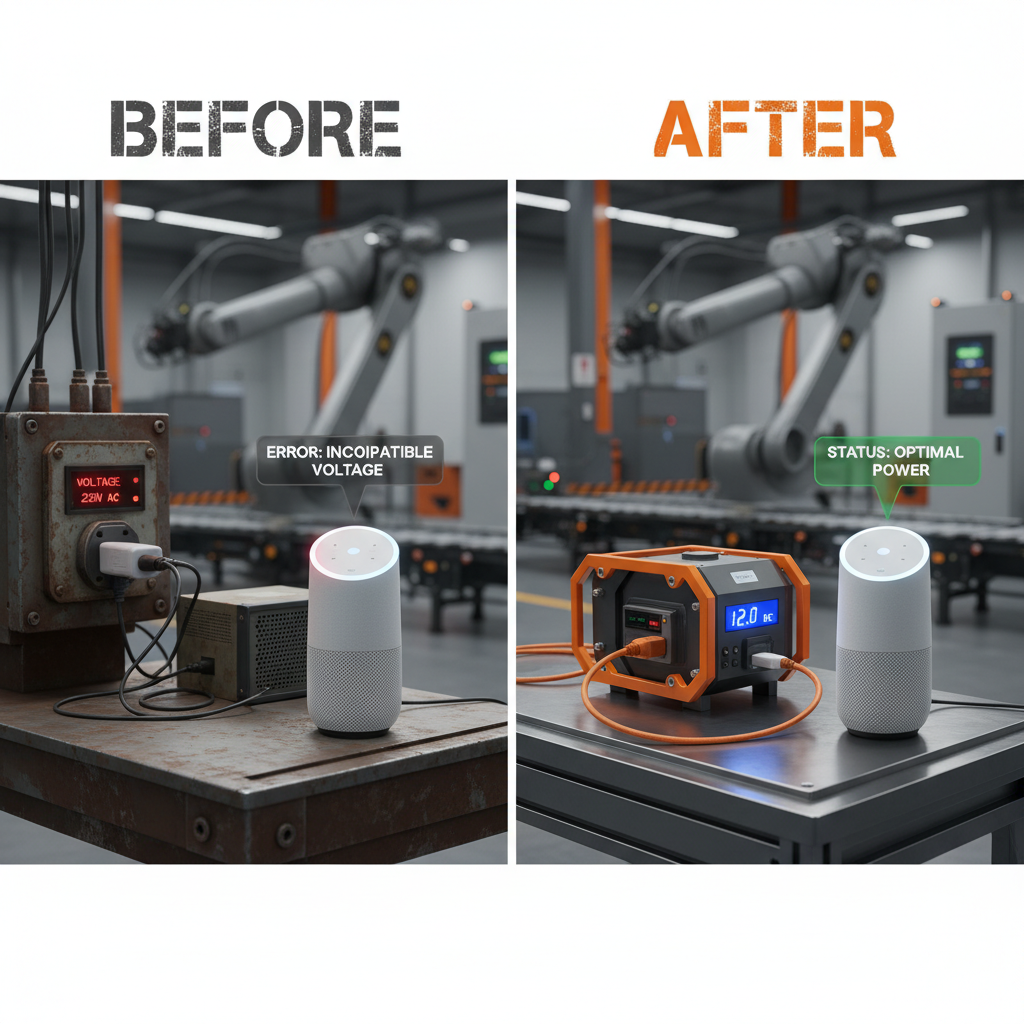
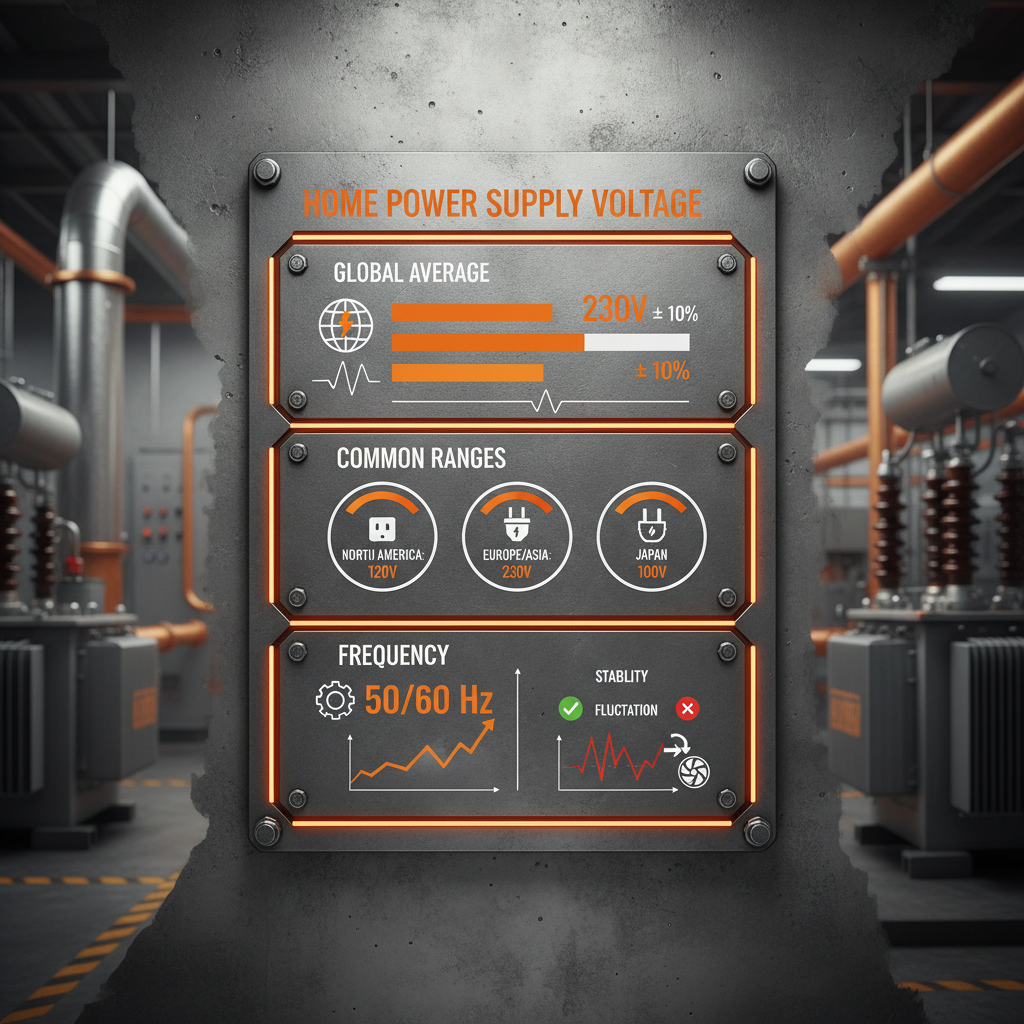
The world isn't standardized when it comes to home power supply voltage. Different regions utilize different voltage levels and frequencies. North America, including the United States, Canada, and Mexico, typically operates on 120V and 60Hz. Most of Europe, Asia, Australia, and parts of Africa use 220-240V and 50Hz. Knowing these distinctions is vital when traveling with electronics or importing appliances. Using a device designed for 120V in a 240V country without a proper voltage converter can cause irreversible damage. ACDCBESS offers solutions for a variety of voltage needs.
Key Takeaway: Always check the voltage requirements of your devices before plugging them into an outlet, especially when traveling internationally.
Determining Your Home’s Power Supply Voltage
Identifying your home's voltage is surprisingly simple. The most reliable way is to check your electrical outlets. In North America, outlets typically have two vertical slots and a rounded grounding pin. The voltage is usually marked near the circuit breaker box. You can also examine your appliances. Most appliances will have a label indicating the voltage they require, often on the back or bottom. If you're unsure, it’s always best to consult with a qualified electrician. ACDCBESS can help you determine the best power solution for your home.
Checking Your Voltage:
• Inspect electrical outlets for markings.
• Check the circuit breaker box.
• Review appliance labels.
• Consult a qualified electrician if unsure.
Voltage Converters vs. Transformers: What’s the Difference?
Many people use the terms "voltage converter" and "transformer" interchangeably, but they serve different purposes. A voltage converter changes the voltage from one level to another, but it doesn’t always handle differences in frequency (Hz). A transformer, on the other hand, can handle both voltage and frequency conversions. For most small appliances, a converter might suffice. However, for devices with motors, like hair dryers or blenders, a transformer is typically required to provide the correct frequency and prevent damage. ACDCBESS specializes in both types of power solutions.
Potential Hazards of Incorrect Voltage
Using the incorrect voltage can have serious consequences. Overvoltage (applying a higher voltage than required) can cause appliances to overheat, leading to fire hazards. Undervoltage (applying a lower voltage) can damage the appliance's internal components and shorten its lifespan. In some cases, incorrect voltage can even create a risk of electric shock. Always prioritize safety and ensure you're using the correct voltage for every device. ACDCBESS offers protection solutions to safeguard your electronics.
Power Solutions from ACDCBESS
ACDCBESS offers a comprehensive range of power solutions to meet all your voltage needs, including voltage converters, transformers, and power stabilizers. We provide high-quality, reliable products designed to protect your valuable electronics and ensure safe operation. Our team of experts can help you determine the best solution for your specific requirements. Whether you're traveling internationally, importing appliances, or simply need a reliable power source, ACDCBESS has you covered.
Conclusion: Powering Your Life Safely
Understanding your home power supply voltage and ensuring compatibility with your devices is paramount for safety and optimal performance. ACDCBESS provides the solutions you need to power your life safely and efficiently. Don't compromise on power – choose ACDCBESS.
Frequently Asked Questions (FAQs)
What happens if I plug a 120V appliance into a 240V outlet?
Plugging a 120V appliance into a 240V outlet will almost certainly cause damage, and potentially a fire. The excess voltage will overload the appliance's internal components, leading to overheating and failure. In many cases, the appliance's fuse will blow, but that doesn’t guarantee complete protection. It's crucial to always use a voltage converter or transformer when operating appliances designed for a different voltage. Ignoring this can result in costly repairs or even a dangerous situation.
Can I use a power strip to change the voltage?
No, a power strip does not change the voltage. It simply provides multiple outlets from a single source. The voltage remains the same as the outlet it's plugged into. To change the voltage, you need a dedicated voltage converter or transformer. Using a power strip with an incompatible voltage appliance won't protect it from damage; in fact, it could exacerbate the problem by potentially overloading the strip.
Are all voltage converters the same?
No, voltage converters vary in quality and capacity. Some are designed for small appliances like phone chargers, while others can handle larger devices. It’s crucial to choose a converter with a wattage rating that exceeds the wattage of the appliance you’re using. Cheaper converters may not provide stable voltage, which can still damage your electronics. ACDCBESS offers high-quality converters and transformers designed for reliable performance.
-
Cedar Point EV Charging Solutions for Sustainable Tourism Experience
NewsApr.16,2026
-
Guide to Cedar Point Charging Stations for EV Park Visitors
NewsApr.16,2026
-
Acorn Stairlift Charging Point Guide for Home Mobility Optimization
NewsApr.16,2026
-
Integrating a Wireless Charging Point into Modern Infrastructure
NewsApr.16,2026
-
How to Optimize Your iPhone 14 Charging Point for Efficiency
NewsApr.16,2026
-
Analyzing the Charging Point Share Price Trends and Market Outlook
NewsApr.09,2026