Photovoltaic power generation and energy storage represent a cornerstone of the modern energy transition. Driven by increasing global energy demands and a pressing need to mitigate climate change, the integration of solar power with efficient storage solutions is rapidly evolving from a niche technology to a mainstream energy source. This synergy provides reliable, sustainable power, reducing reliance on fossil fuels and fostering energy independence.
The global push towards decarbonization is further accelerating the adoption of photovoltaic (PV) systems coupled with energy storage. Government incentives, falling technology costs, and growing environmental awareness are contributing to significant growth in installed capacity worldwide. This trend isn't just limited to large-scale utility projects; distributed generation, like rooftop solar combined with battery storage, is empowering consumers and enhancing grid resilience.
Understanding the complexities of photovoltaic power generation and energy storage is crucial for policymakers, energy professionals, and anyone interested in a sustainable future. From the fundamental science behind solar cells to the advanced technologies enabling efficient energy storage, a comprehensive grasp of this field unlocks innovative solutions for a cleaner, more secure energy landscape.
Introduction to Photovoltaic Power Generation and Energy Storage
Photovoltaic power generation, the direct conversion of sunlight into electricity, forms the core of a sustainable energy future. However, the intermittent nature of solar irradiance necessitates robust energy storage solutions to ensure a consistent and reliable power supply. This is where energy storage technologies, like batteries, pumped hydro, and thermal storage, become invaluable. photovoltaic power generation and energy storage is therefore a bundled solution.
The synergy between PV generation and energy storage isn't simply about overcoming intermittency. It also enhances grid stability, reduces transmission losses, and enables greater flexibility in energy management. By storing excess solar energy generated during peak sunlight hours, it can be discharged during periods of low solar production or high demand, optimizing resource utilization and lowering overall energy costs.
Global Context and Relevance
Globally, the demand for electricity is projected to increase significantly in the coming decades, driven by population growth and economic development. Simultaneously, the world faces the urgent need to reduce greenhouse gas emissions to combat climate change. The International Energy Agency (IEA) estimates that solar energy will become the dominant source of electricity generation by mid-century, with energy storage playing a crucial role in its successful integration. photovoltaic power generation and energy storage is critical to that transition.
Data from the United Nations Environment Programme (UNEP) highlights the exponential growth in renewable energy investment, with solar PV consistently leading the way. However, the full potential of solar power cannot be realized without addressing the inherent variability. Energy storage acts as the key enabler, providing the flexibility and reliability needed to support a high-penetration renewable energy grid.
The challenge lies in scaling up both PV generation and energy storage infrastructure at a pace commensurate with global energy needs and climate goals. This requires significant investment, technological advancements, and supportive policy frameworks. Regions with abundant solar resources, such as the Middle East, Africa, and Australia, are particularly well-positioned to benefit from this technology shift, fostering economic growth and energy independence.
Defining Photovoltaic Power Generation and Energy Storage
Photovoltaic power generation, at its core, is the process of converting light directly into electricity using semiconductor materials. When photons from sunlight strike these materials (typically silicon), they excite electrons, creating an electric current. This current is then harnessed and converted into usable electricity through inverters and other power conditioning equipment. It's a clean, silent, and increasingly cost-effective way to generate power.
Energy storage, in the context of PV systems, refers to the technologies used to capture and store excess electricity generated during periods of high solar irradiance for later use. This storage can take many forms, including lithium-ion batteries, lead-acid batteries, flow batteries, pumped hydro storage, compressed air energy storage, and thermal energy storage. The optimal storage technology depends on factors like application, scale, and cost.
The connection to modern industry and humanitarian needs is profound. PV coupled with storage provides reliable power to remote areas lacking grid access, supports critical infrastructure during emergencies, and enables the electrification of transportation. Furthermore, it plays a crucial role in grid modernization, enhancing stability and reducing reliance on fossil fuel-based power plants. photovoltaic power generation and energy storage is a multifaceted solution.
Key Factors in System Performance
Several key factors dictate the overall performance and effectiveness of a photovoltaic power generation and energy storage system. photovoltaic power generation and energy storage depends on a number of factors.
Firstly, Durability is paramount. PV modules and energy storage components must withstand harsh environmental conditions – extreme temperatures, humidity, UV radiation, and physical stress – to ensure long-term reliability and minimize maintenance costs. Secondly, Scalability is essential, allowing systems to be adapted to diverse energy needs, from small residential installations to large-scale utility projects.
Photovoltaic Power Generation and Energy Storage Performance Metrics
Real-World Applications
Photovoltaic power generation and energy storage are finding applications across a diverse range of sectors. In remote industrial zones, such as mining operations in Australia, solar-plus-storage systems provide a reliable and cost-effective alternative to diesel generators, reducing carbon emissions and operational expenses.
In post-disaster relief operations, rapidly deployable solar-plus-storage units offer a critical lifeline for communities lacking access to electricity, powering essential services like hospitals, communication networks, and water purification systems. Similarly, microgrids integrating solar and storage are enhancing energy access in rural areas of Africa and Asia, fostering economic development and improving quality of life.
Advantages and Long-Term Value
The advantages of photovoltaic power generation and energy storage are multifaceted. From a cost perspective, solar PV has seen dramatic price reductions in recent years, making it competitive with traditional fossil fuel sources. When combined with energy storage, it reduces reliance on expensive peak-demand electricity and provides price stability. Furthermore, the environmental benefits are substantial, with zero direct emissions during operation.
Beyond the tangible benefits, there’s a significant social impact. Access to clean, reliable energy empowers communities, improves health outcomes, and creates economic opportunities. The long-term value lies in building a sustainable and resilient energy system that safeguards the planet for future generations, fostering trust and innovation in the energy sector.
Future Trends and Innovations
The future of photovoltaic power generation and energy storage is brimming with exciting innovations. Advancements in battery technology, such as solid-state batteries and flow batteries, promise higher energy density, longer lifespans, and improved safety. The integration of artificial intelligence (AI) and machine learning (ML) is optimizing system performance, predicting energy demand, and enhancing grid management.
Policy initiatives supporting renewable energy and energy storage are also accelerating adoption. Government incentives, tax credits, and regulatory frameworks that encourage distributed generation and grid modernization are critical drivers of growth. The confluence of green energy, digital transformation, and automation is reshaping the energy landscape, with photovoltaic power generation and energy storage at the forefront.
Furthermore, the development of perovskite solar cells, offering potentially higher efficiencies and lower manufacturing costs, is a significant area of research. These innovations, coupled with continued advancements in energy storage technologies, will further unlock the potential of solar power and pave the way for a sustainable energy future.
FAQS
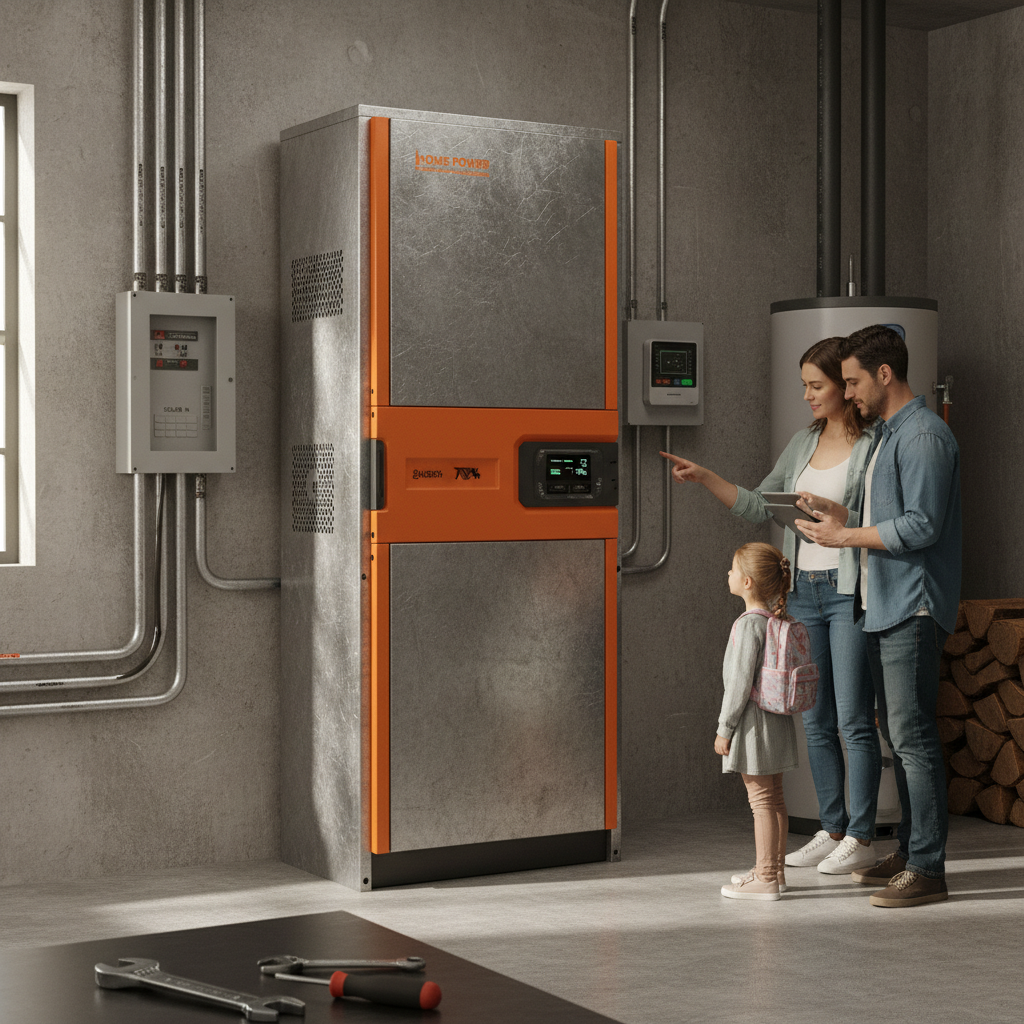
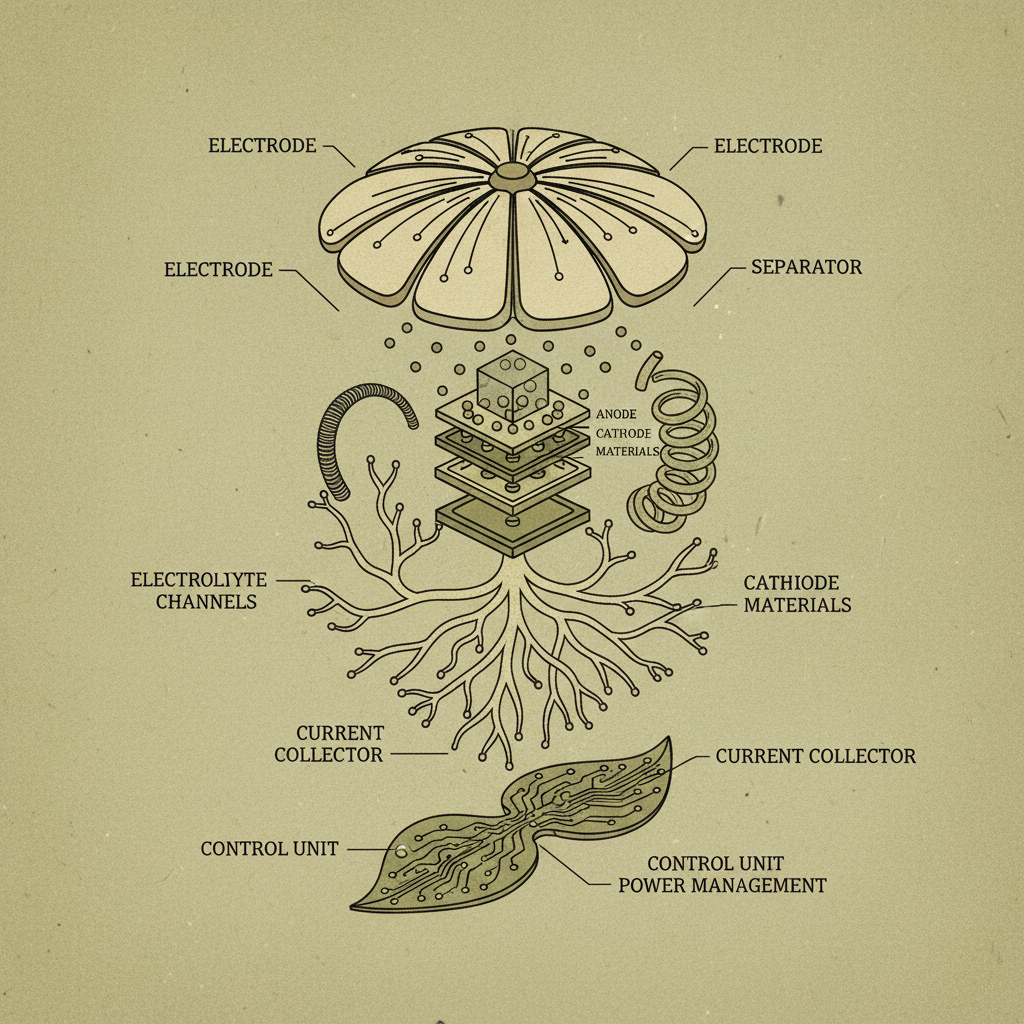
A typical system includes photovoltaic (PV) modules to convert sunlight into DC electricity, an inverter to convert DC to AC, energy storage (usually batteries) to store excess energy, a charge controller to manage battery charging and discharging, and a monitoring system to track performance and ensure optimal operation. Additionally, system integration components like cabling, mounting structures, and safety devices are essential for a reliable and safe installation.
Common energy storage technologies include lithium-ion batteries (most popular for residential and commercial applications), lead-acid batteries (lower cost, but shorter lifespan), flow batteries (longer lifespan and scalable), pumped hydro storage (large-scale, requires specific geographical conditions), and thermal energy storage (stores energy as heat or cold). The choice depends on application needs, budget, and site constraints.
Energy storage mitigates the intermittency of solar power by storing excess energy during peak production and releasing it when sunlight is unavailable or demand is high. This reduces grid fluctuations, prevents frequency deviations, and enhances grid reliability. Furthermore, energy storage can provide ancillary services like frequency regulation and voltage support, further stabilizing the grid.
PV modules typically have a lifespan of 25-30 years with a gradual decline in performance. Lithium-ion batteries typically last 10-15 years, depending on usage patterns and operating conditions. Other storage technologies, like flow batteries, can offer even longer lifespans. Proper maintenance and monitoring are crucial for maximizing the lifespan of all components.
Sizing depends on factors like energy consumption patterns, peak demand, desired level of self-sufficiency, and grid interconnection policies. Analyzing historical load data, considering future energy needs, and evaluating available incentives are crucial steps. It's important to balance storage capacity with cost to achieve an optimal solution that meets specific energy requirements.
Safety is paramount. Systems should be installed by qualified professionals adhering to relevant electrical codes and standards. Proper grounding, overcurrent protection, and fire suppression measures are essential. Battery storage systems require careful ventilation and temperature control to prevent thermal runaway. Regular inspections and maintenance are vital for ensuring long-term safety.
Conclusion
In conclusion, photovoltaic power generation and energy storage represent a transformative force in the global energy landscape. The synergy between these technologies provides a pathway to a cleaner, more sustainable, and resilient energy future, offering economic benefits, environmental protection, and enhanced energy security. From reducing carbon emissions to empowering remote communities, the advantages are undeniable and far-reaching.
Looking ahead, continued innovation in battery technology, grid modernization initiatives, and supportive policy frameworks will be crucial for unlocking the full potential of photovoltaic power generation and energy storage. Embracing this technology isn't just an environmental imperative; it's a strategic investment in a brighter, more sustainable future for all. Visit our website at www.acdcbess.com to learn more about how we can help you harness the power of solar and storage.