
0%

Table of Contents

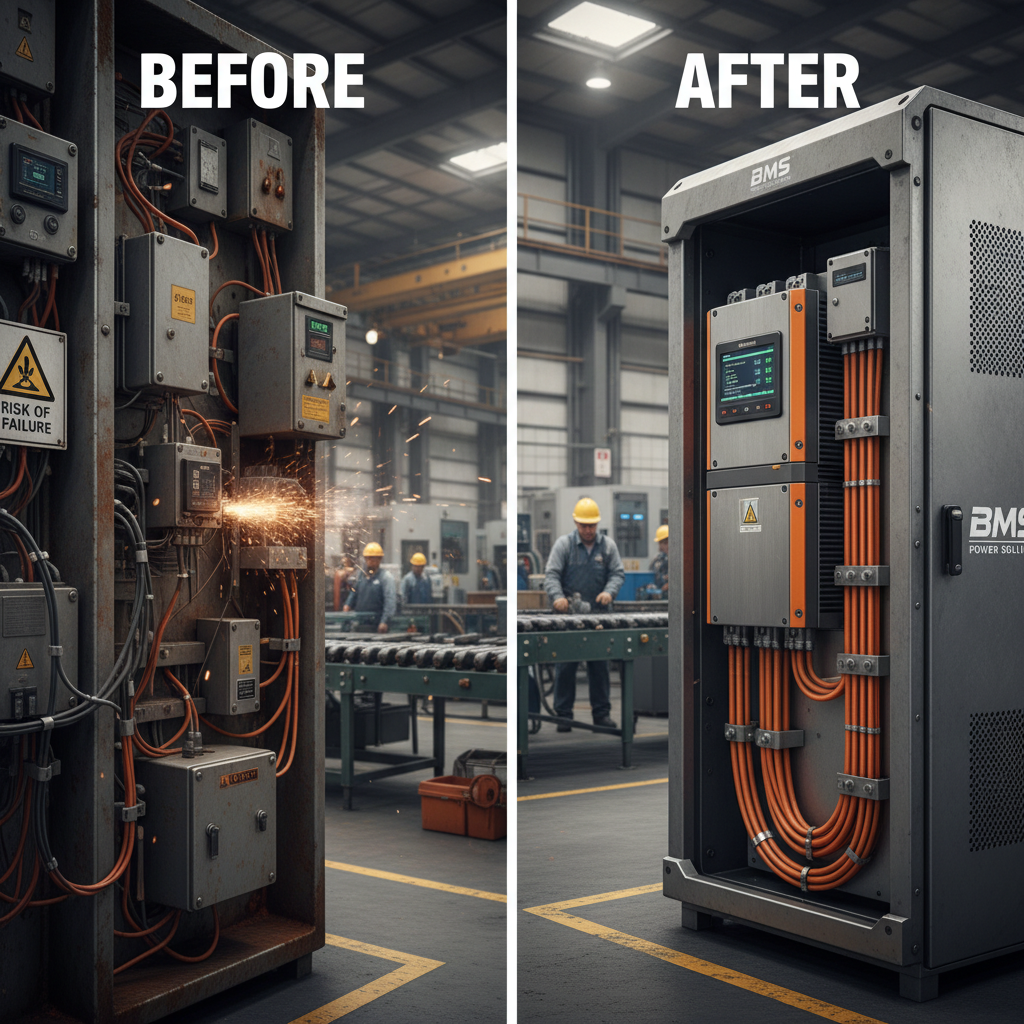
The energy storage industry is experiencing unprecedented growth, driven by the global shift towards renewable energy sources and the increasing demand for reliable power grids. This sector encompasses a wide range of technologies designed to capture energy produced at one time for use at a later time, addressing the intermittency challenges inherent in solar and wind power. Understanding its nuances is crucial for policymakers, investors, and anyone involved in building a sustainable energy future.

Globally, the need for efficient energy storage is escalating. According to the International Renewable Energy Agency (IRENA), global installed energy storage capacity must increase dramatically to meet climate goals. This growth isn’t limited to grid-scale solutions; distributed energy storage, like residential battery systems, is also gaining traction. The energy storage industry is responding with innovative technologies and decreasing costs, making these solutions increasingly accessible.

The development of sophisticated energy storage solutions is not merely an economic opportunity; it's an essential component of building resilient and equitable energy systems. From stabilizing the grid to providing power in remote areas, and ensuring energy access during emergencies, the benefits are far-reaching. A clear understanding of this vital sector is paramount for navigating the complexities of the modern energy landscape.
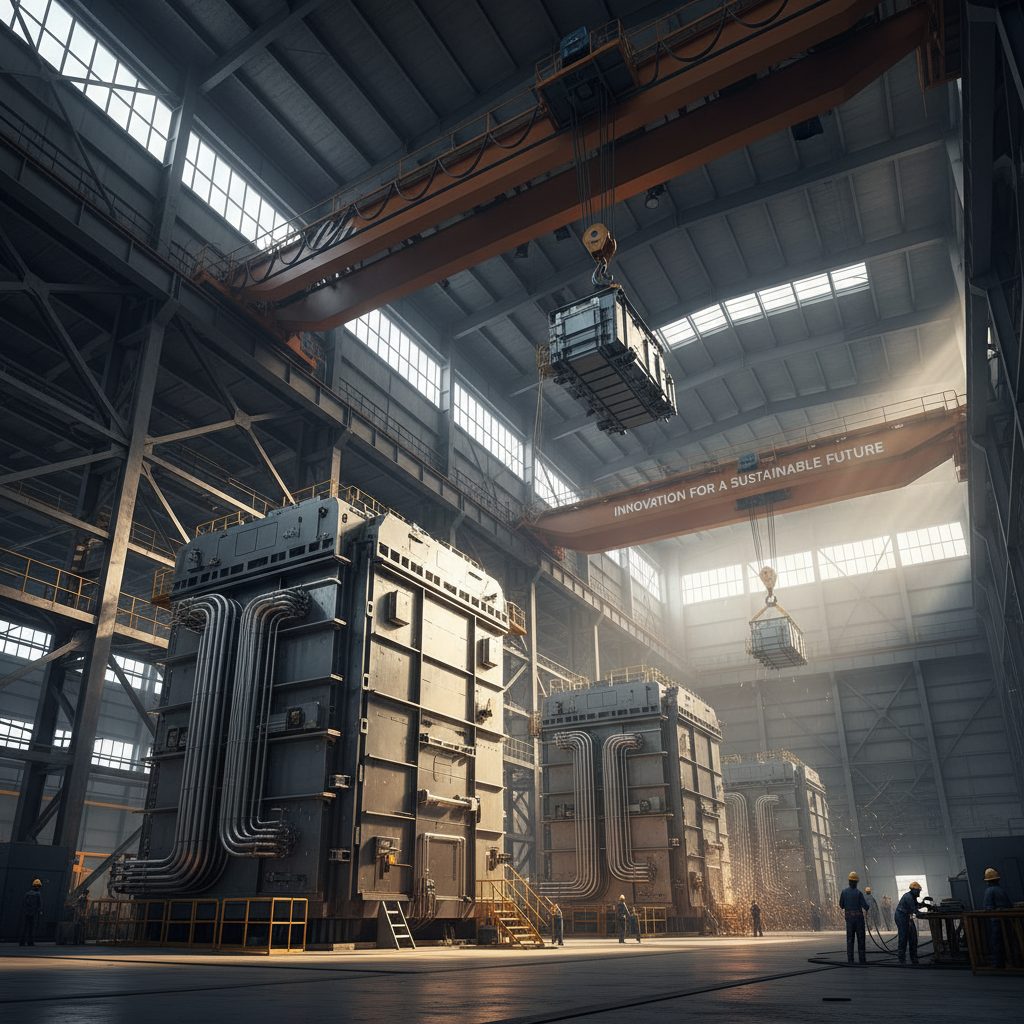

Advancing the Energy Storage Industry for a Sustainable Future

The Global Significance of Energy Storage Industry

Advancing the Energy Storage Industry for a Sustainable Future

The energy storage industry isn’t just about batteries; it's about enabling a cleaner, more reliable, and accessible energy future for all. As countries worldwide commit to reducing carbon emissions and transitioning to renewable energy sources, the demand for energy storage is soaring. This stems from the intermittent nature of renewables – solar power doesn’t work at night, and wind power fluctuates with the weather. Energy storage bridges these gaps, ensuring a consistent power supply.

The implications are significant. Beyond grid stability, energy storage empowers remote communities with access to electricity, reduces reliance on fossil fuels, and fosters economic growth. The United Nations Sustainable Development Goal 7 – Affordable and Clean Energy – is inextricably linked to the advancements within the energy storage industry. Its role in disaster relief and ensuring energy security is also becoming increasingly recognized.

Defining the Energy Storage Industry

At its core, the energy storage industry encompasses all technologies used to capture energy produced at one time for use at a later time. This includes a diverse range of methods, from traditional pumped hydro storage and compressed air energy storage to modern battery technologies like lithium-ion, flow batteries, and solid-state batteries. The industry also incorporates thermal energy storage, which captures heat or cold for later use.

This sector is intimately connected to the modernization of power grids. As grids evolve to accommodate distributed energy resources – like rooftop solar and electric vehicles – energy storage becomes essential for balancing supply and demand, managing grid congestion, and enhancing grid resilience. It’s a critical enabler of the smart grid concept, allowing for more efficient and reliable energy delivery.

The role of energy storage extends far beyond simply supporting renewable energy integration. It is rapidly becoming a fundamental pillar of national energy security, providing a buffer against outages, stabilizing electricity prices, and facilitating the decarbonization of various sectors, including transportation and industry.

Core Components and Key Factors

Several key factors define the success and viability of energy storage technologies. Durability is paramount, as energy storage systems must withstand years of operation under varying conditions. The lifespan of a battery, for example, directly impacts its overall cost-effectiveness.

Scalability is another critical aspect. Solutions must be adaptable to different needs, ranging from small-scale residential systems to large-scale grid-level applications. A technology that can be easily scaled up or down provides greater flexibility and market potential.

Cost Efficiency remains a significant hurdle, although prices have been declining rapidly in recent years. Reducing the levelized cost of energy storage (LCOS) is essential for widespread adoption. Beyond initial cost, factors like maintenance requirements and replacement cycles also contribute to the overall economic equation. Efficiency, Safety and Environmental Impact are also core factors.

Practical Applications and Use Cases

The energy storage industry is being deployed across a diverse spectrum of applications. In post-disaster relief operations, portable energy storage systems provide critical power to hospitals, emergency services, and communication networks when the grid is down. In remote industrial zones, off-grid energy storage solutions power mining operations, oil and gas facilities, and other remote sites.

Utilities are increasingly utilizing grid-scale energy storage to manage peak demand, provide frequency regulation services, and integrate renewable energy sources. Community microgrids, powered by local renewable energy and energy storage, are enhancing energy resilience and reducing carbon footprints in cities and towns.

Energy Storage Industry Application Breakdown


Advantages and Long-Term Value

The benefits of investing in the energy storage industry are multifaceted. Economically, energy storage can reduce electricity costs by enabling peak shaving and optimizing energy usage. Environmentally, it facilitates the integration of renewable energy sources, reducing reliance on fossil fuels and lowering carbon emissions.

From a societal perspective, energy storage enhances energy security, improves grid reliability, and provides access to electricity in underserved communities. The ability to deploy resilient power solutions in times of crisis provides a sense of safety and empowers individuals and organizations. These long-term advantages contribute to a more sustainable and equitable future.

Future Trends and Innovations

The energy storage industry is on the cusp of further innovation. Advancements in battery chemistries, such as solid-state batteries and sodium-ion batteries, promise higher energy density, improved safety, and lower costs. Digitalization and the integration of artificial intelligence (AI) are optimizing energy storage system performance and grid management.

Furthermore, the development of new energy storage technologies, like gravity-based storage and liquid air energy storage, offers promising alternatives to traditional battery systems. The convergence of energy storage with electric vehicle (EV) charging infrastructure – vehicle-to-grid (V2G) technology – is also gaining traction, transforming EVs into mobile energy storage assets.

Challenges and Potential Solutions

Despite its rapid growth, the energy storage industry faces several challenges. Supply chain disruptions and raw material scarcity can impact costs and timelines. Ensuring the safe and responsible disposal of batteries at the end of their life cycle is also a critical concern.

Addressing these challenges requires collaborative efforts from governments, industry stakeholders, and research institutions. Investing in domestic raw material processing, developing robust recycling infrastructure, and promoting sustainable battery chemistries are crucial steps. Policy support, such as tax incentives and streamlined permitting processes, can also accelerate the deployment of energy storage solutions.

Moreover, focusing on the development of advanced grid management systems and cybersecurity protocols is essential for ensuring the reliable and secure operation of energy storage systems within the broader power grid.

Summary of Challenges and Solutions in Energy Storage Industry

Challenge Impact Level (1-10) Potential Solution Implementation Difficulty (1-10)
Raw Material Scarcity 8 Diversify Supply Chains & Invest in Recycling 7
Battery Disposal & Recycling 9 Develop Robust Recycling Infrastructure & Policies 6
High Initial Costs 7 Technology Advancements & Government Incentives 5
Grid Integration Challenges 6 Advanced Grid Management Systems & Cybersecurity 8
Regulatory Uncertainty 5 Clear & Consistent Policy Frameworks 6
Public Perception & Safety Concerns 4 Public Awareness Campaigns & Stringent Safety Standards 4

FAQS

What are the main types of energy storage technologies available today?

Currently, the most prevalent energy storage technologies include lithium-ion batteries, pumped hydro storage, compressed air energy storage, flow batteries, and thermal energy storage. Each technology possesses unique characteristics regarding cost, efficiency, lifespan, and scalability. Lithium-ion batteries dominate the market due to their high energy density and declining costs, but other technologies are gaining traction for specific applications, particularly long-duration storage where pumped hydro and flow batteries excel. The energy storage industry is constantly innovating to improve existing technologies and develop entirely new solutions.

How does energy storage contribute to grid stability?

Energy storage plays a crucial role in maintaining grid stability by addressing the inherent variability of renewable energy sources like solar and wind. It can rapidly respond to fluctuations in supply and demand, providing frequency regulation, voltage support, and black start capabilities. By storing excess energy generated during periods of high production, energy storage can release it when demand exceeds supply, preventing blackouts and ensuring a reliable power supply. This contribution is becoming increasingly vital as grids integrate higher percentages of renewable energy.

What is the levelized cost of energy storage (LCOS)?

The levelized cost of energy storage (LCOS) is a metric used to compare the total cost of an energy storage system over its lifetime to the amount of energy it can store. It takes into account capital costs, operating expenses, maintenance, and replacement costs. LCOS has been declining rapidly in recent years, particularly for lithium-ion batteries, making energy storage increasingly competitive with traditional power generation sources. Lower LCOS drives wider adoption and accelerates the transition to a more sustainable energy system.

What are the environmental concerns associated with energy storage?

While energy storage offers significant environmental benefits by enabling the integration of renewable energy, it also poses certain environmental challenges. The mining of raw materials for battery production, such as lithium and cobalt, can have environmental and social impacts. End-of-life battery disposal and recycling are also crucial concerns. The energy storage industry is actively addressing these issues through sustainable sourcing practices, improved recycling technologies, and the development of alternative battery chemistries.

How can energy storage be used in residential applications?

In residential applications, energy storage, typically in the form of battery systems paired with solar panels, offers numerous benefits. Homeowners can store excess solar energy generated during the day for use at night or during power outages. This reduces reliance on the grid, lowers electricity bills, and enhances energy independence. Residential energy storage also contributes to grid stability by providing demand response capabilities, allowing utilities to optimize energy usage during peak demand periods.

What role does government policy play in the growth of the energy storage industry?

Government policies play a critical role in accelerating the growth of the energy storage industry. Tax incentives, subsidies, and streamlined permitting processes can reduce costs and encourage investment. Regulations that value the services provided by energy storage, such as frequency regulation and grid resilience, create market opportunities. Supportive policies are essential for creating a level playing field and unlocking the full potential of energy storage technologies.

Conclusion

The energy storage industry is no longer a niche market; it is a fundamental pillar of the evolving energy landscape. Its ability to address the challenges of intermittent renewable energy, enhance grid reliability, and democratize access to electricity makes it an essential component of a sustainable future. The advancements in technology, declining costs, and supportive policies are creating a virtuous cycle of innovation and growth.

Looking ahead, continued investment in research and development, coupled with strategic policy interventions, will be crucial for realizing the full potential of energy storage. Embracing new technologies, promoting sustainable practices, and fostering collaboration across the industry are key to unlocking a cleaner, more resilient, and equitable energy future. Visit our website at www.acdcbess.com to learn more about how we are shaping the future of energy storage.

Robert Chen

Robert Chen

Robert Chen is a key Account Manager at Suzhou ACDC New Energy Technology, specializing in serving commercial and industrial clients. He excels in understanding customer needs and tailoring our energy storage solutions to their specific requirements. Robert brings a strong business development background and a commitment to building long-term relationships.
Previous Exploring Diverse Energy Storage Examples for a Sustainable Future
Next Advancing a Sustainable Future with Photovoltaic Power Generation and Energy Storage